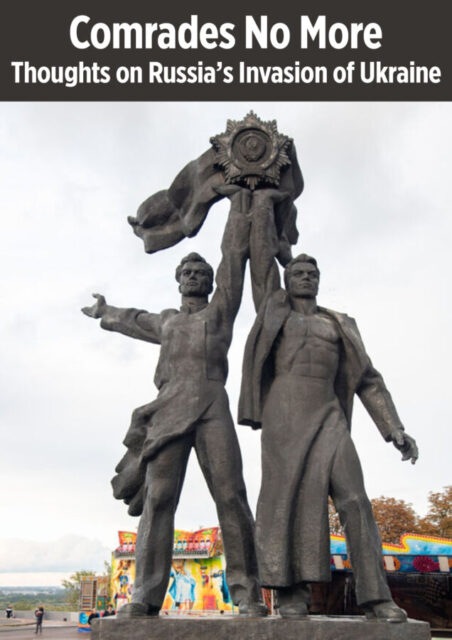
Today is a profoundly sad day. Russia’s aggressive action is heartbreaking for the death, suffering, and economic turmoil it will cause in Ukraine and, indirectly at least, beyond. Here at Rick Steves’ Europe, we hope that a diplomatic solution can be found and peace will return to that fragile and long-suffering part of our world.
Our mission at RSE is to help Americans better know and understand our neighbors through travel. But when we bring travelers to another country, we also bring their dollars — dollars that would support Putin’s aggression. Therefore, as of today, we have canceled all 2022 tours that include a stop in Russia.
Of course, we will keep a close eye on unfolding events and monitor any travel impacts through the rest of Europe. But it is important to keep geographic realities in mind and remember that a war in Ukraine is as far from our European vacation dreams as a war in Guatemala would be from Texas or Florida. For 40 years now, we have lived, worked, and traveled through many periods of tragic warfare in lands far from where we lead our tours (and some closer). And at this time, we see no reason to change the rest of our travel and touring plans.
The tragic reality unfolding in Ukraine only reminds me how important it is for Americans to keep on traveling and to do so in a way that makes us better and more engaged citizens of our world. I’m flying to Europe next month for a 40-day trip through a dozen great cities from London to Athens — and I’m proud that thousands of my fellow travelers will experience the European trip of their dreams while having rich learning experiences far from home on a 2022 Rick Steves tour.
In the meantime, let’s be thankful for our blessings, support our nation’s leaders as they do their best to navigate this crisis, and keep the troubled corners of our world (Ukraine, Russia, Afghanistan, and more) in our thoughts and prayers.
—Rick