 0
0

 0
0
Travel as a Political Act Book
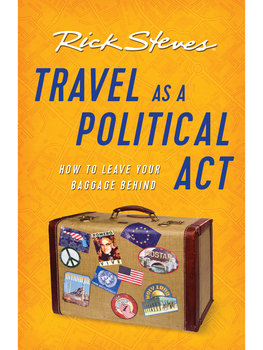

- Essays on how travel has shaped Rick's world view
- Lessons we can learn from other countries and cultures
- Print version thoroughly updated for 2021, including new chapter based on Rick's pre-pandemic travels in Ethiopia and Guatemala
Buy your Travel as a Political Act Book:
What's Included
Travel as a Political Act starts with the premise that we can't begin to understand the world without experiencing it. Travel connects people to people, it helps us fit more productively into a shrinking world, and it inspires creative new solutions to persistent problems.
Through his own experiences, Rick explains how anyone can travel more thoughtfully — anywhere. And he shares a series of his field reports from Europe, Central America, and the Holy Land to show how travel has shaped his politics and broadened his perspective.
Updated for 2021: This expanded print edition is updated throughout and includes a new chapter, "Hunger and Hope: Lessons from Ethiopia and Guatemala," Rick's first-hand look at how smart development aid is helping impoverished people lift themselves out of extreme poverty. Rick also offers insights on coping with the coronavirus pandemic, climate change and climate-smart initiatives, nativism, immigration and the plight of migrant workers, Islam and Christendom, Brexit, and the EU.
Rick donates all royalties from the sale of this book to Bread for the World, a nonprofit advocacy organization dedicated to ending hunger.
Product Details
| Author(s): | Rick Steves |
| Dimensions: | 8 ½" x 5 ½" x ½" · 1 lb |
| Pages: | 352 |
| Publication date: | January 2021 (3rd edition, 2nd printing) |
| Next edition arrives: | Not yet scheduled |
Is This the Right Book for Me?
It's good for you! Americans who approach travel thoughtfully — as a political act — can have the time of their lives and come home with a better understanding of the interconnectedness of today's world and just how our nation fits in.
The Society of American Travel Writers named the first edition of this book "Travel Book of the Year" in 2010.