

-
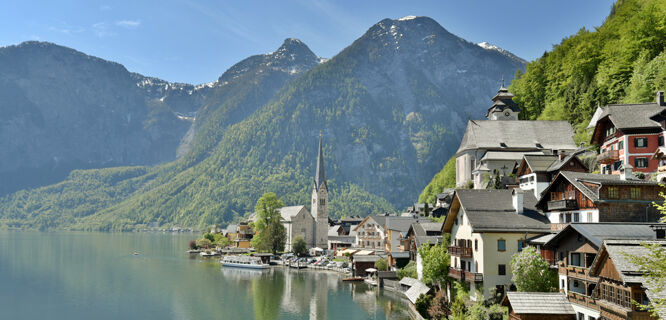
Hallstatt
Austria
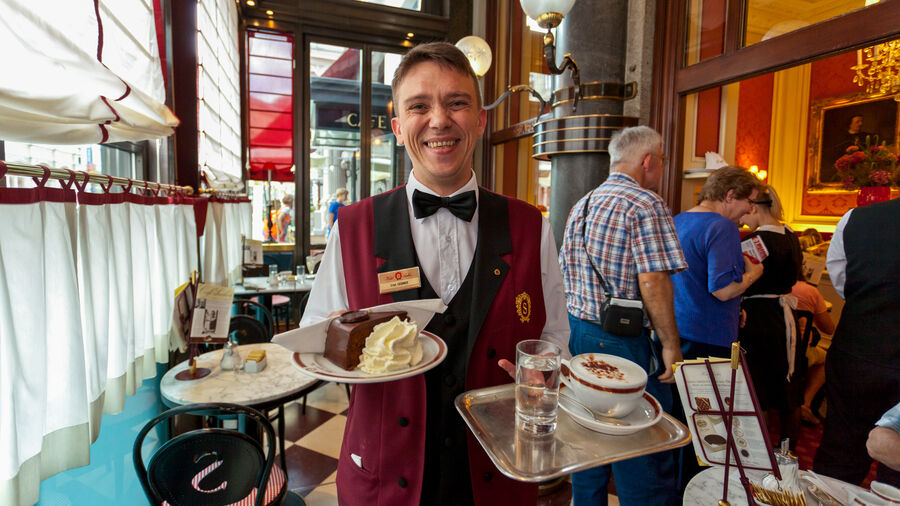
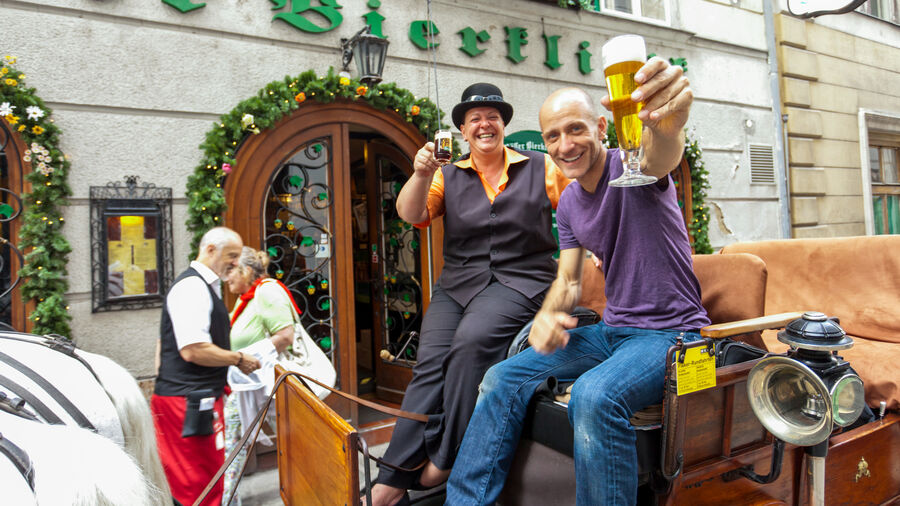
Small, landlocked Austria offers alpine scenery, world-class museums, cobbled quaintness, and great music. Unlike Germany, its industrious neighbor to the northwest, Austria is content to bask in its good living and elegant, opulent past as the former head of one of Europe's grandest empires. Austrians tend to be relaxed, gregarious people who love the outdoors as much as a good cup of coffee in a café.
Places
At a Glance

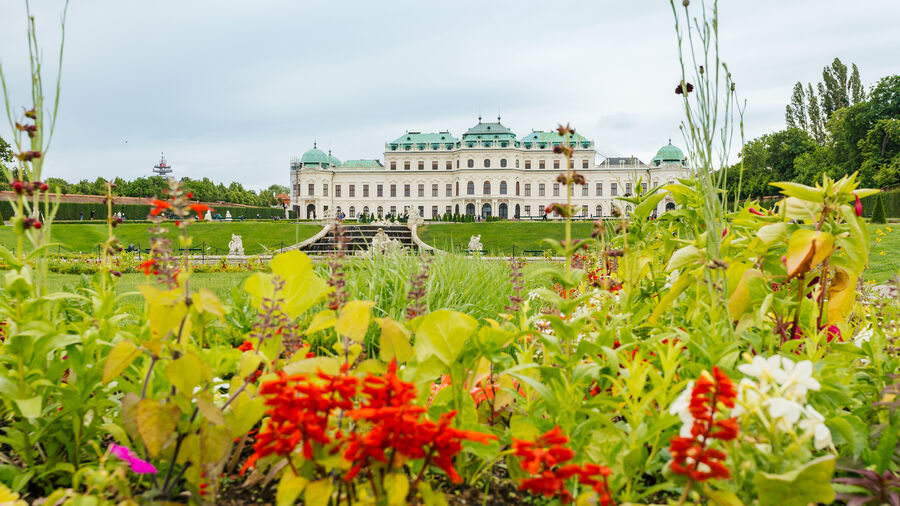
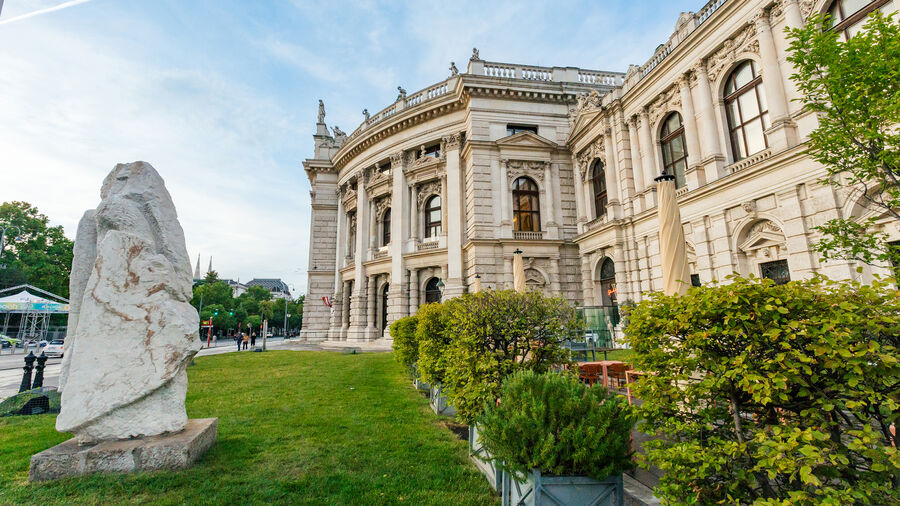
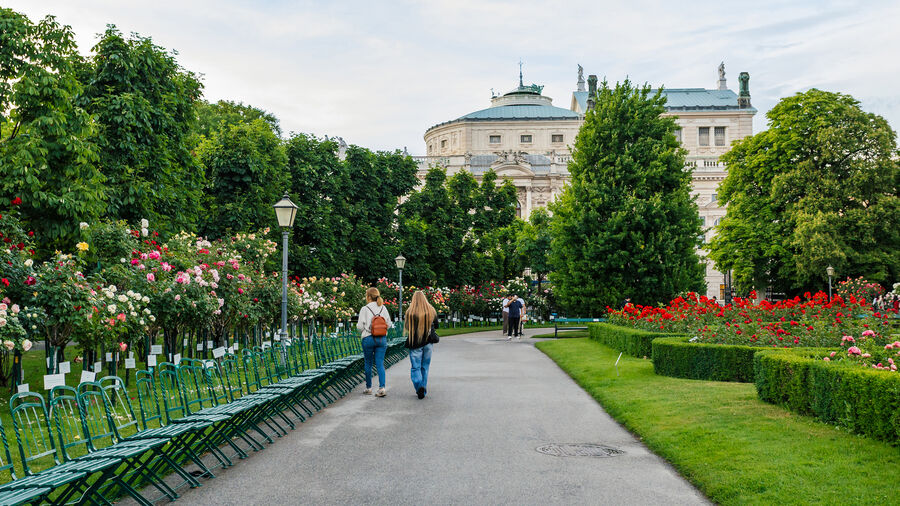
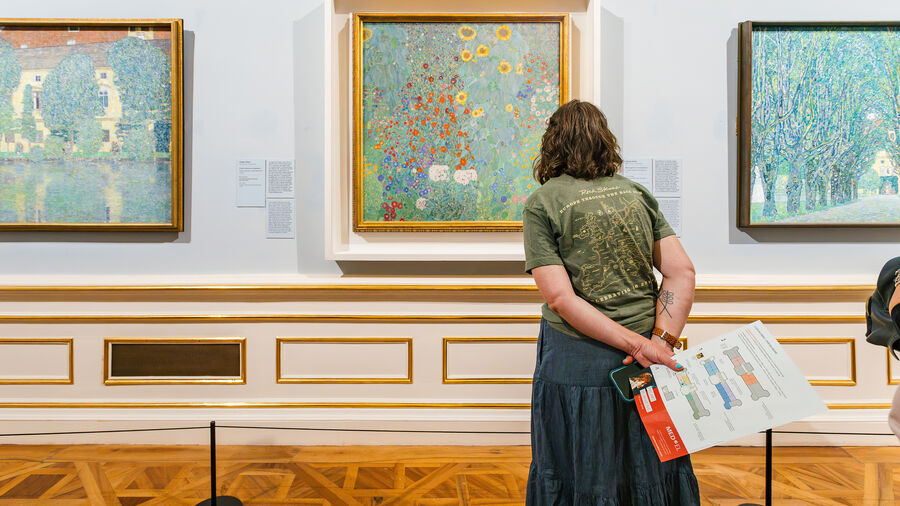
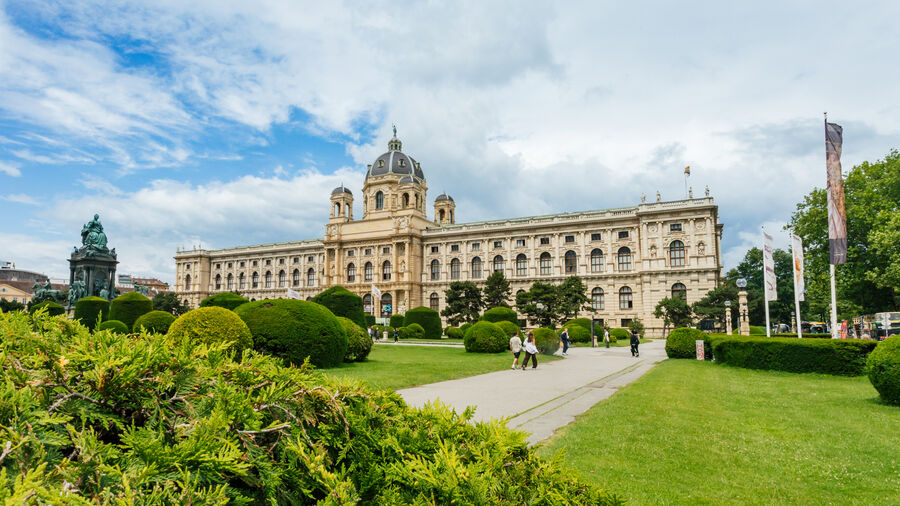
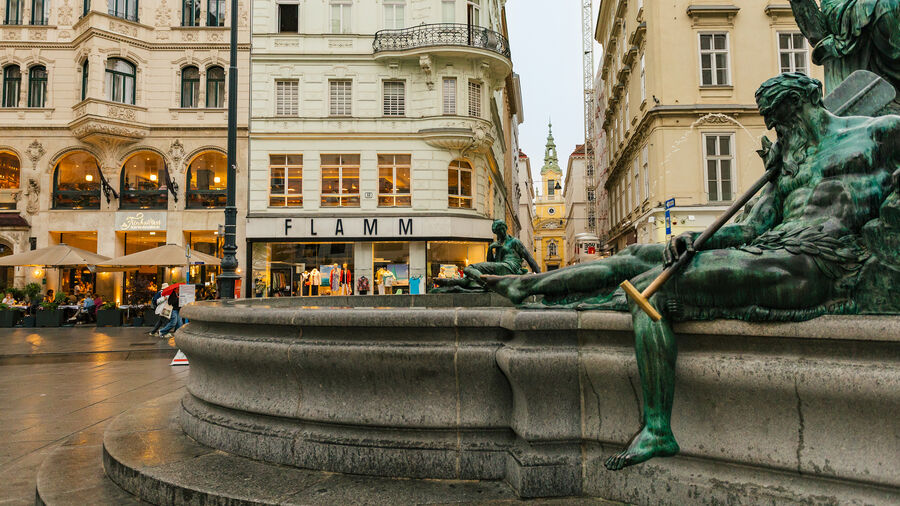
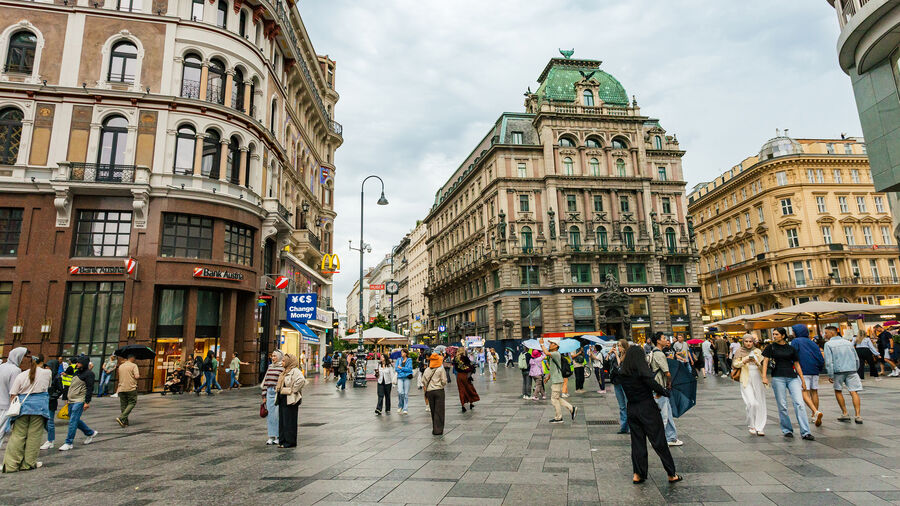
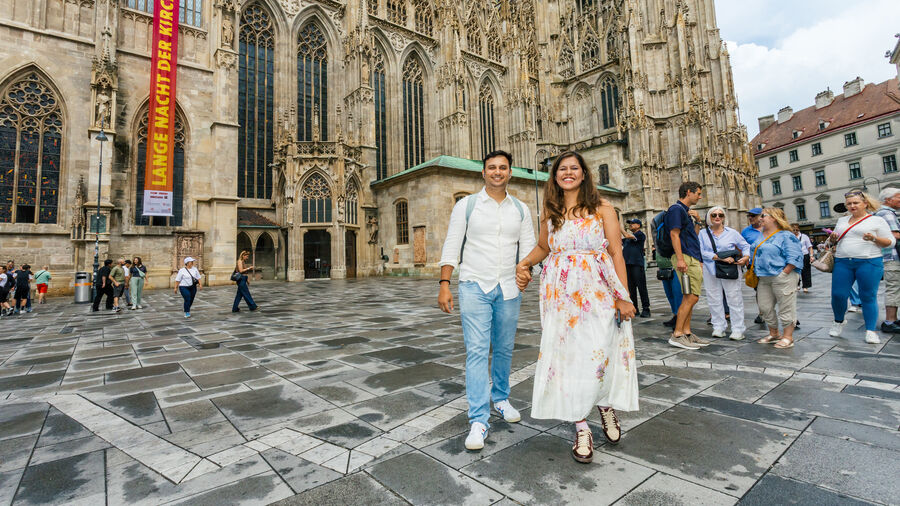
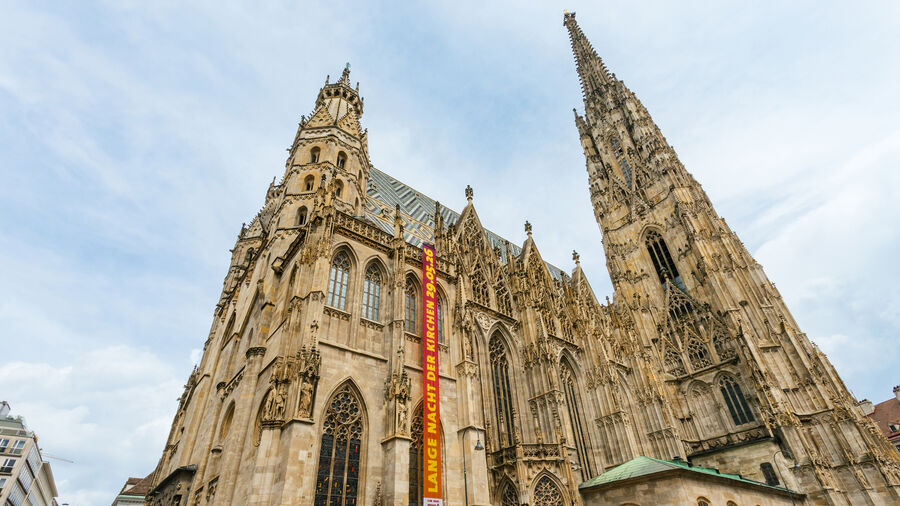
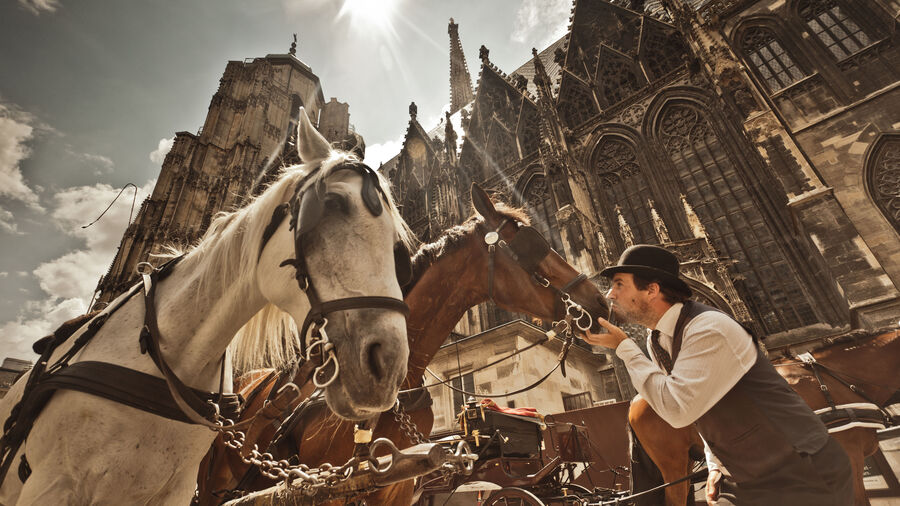
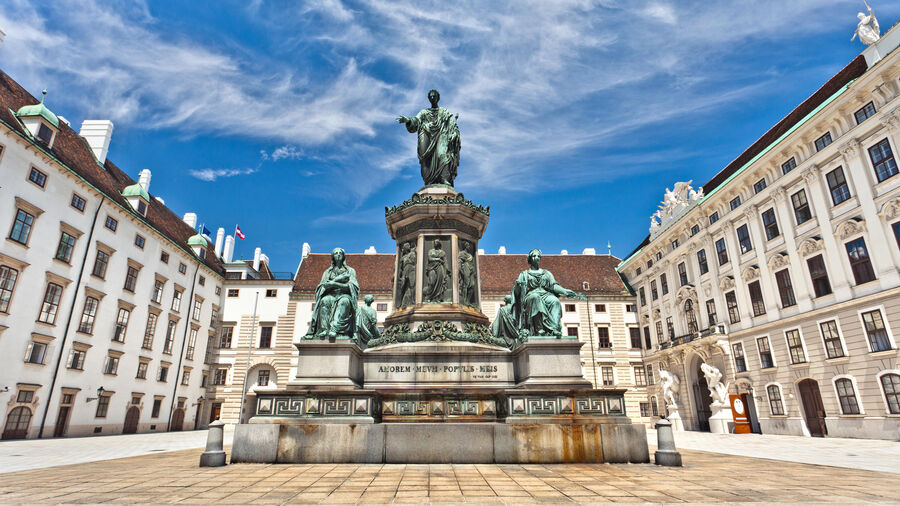
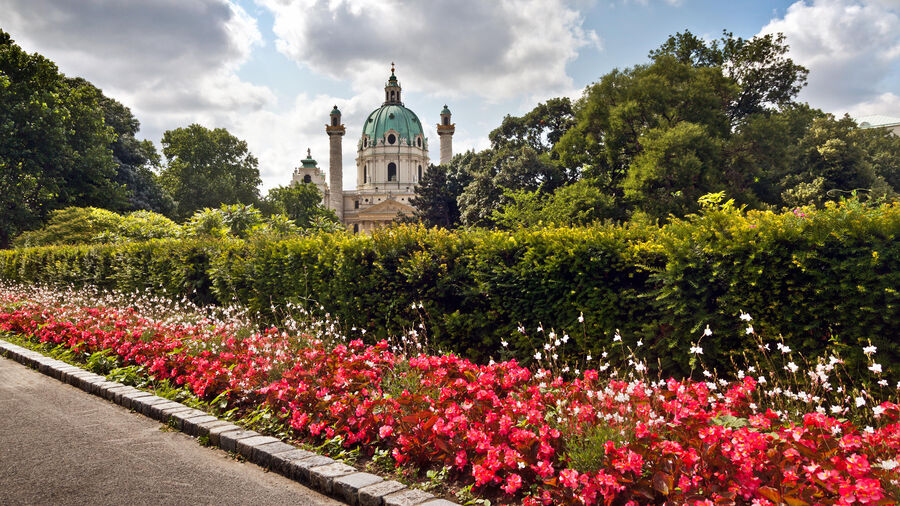
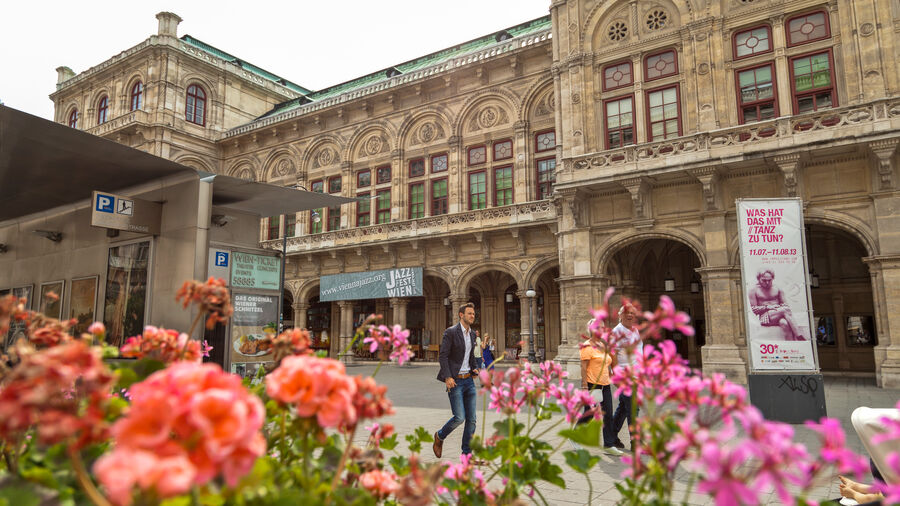
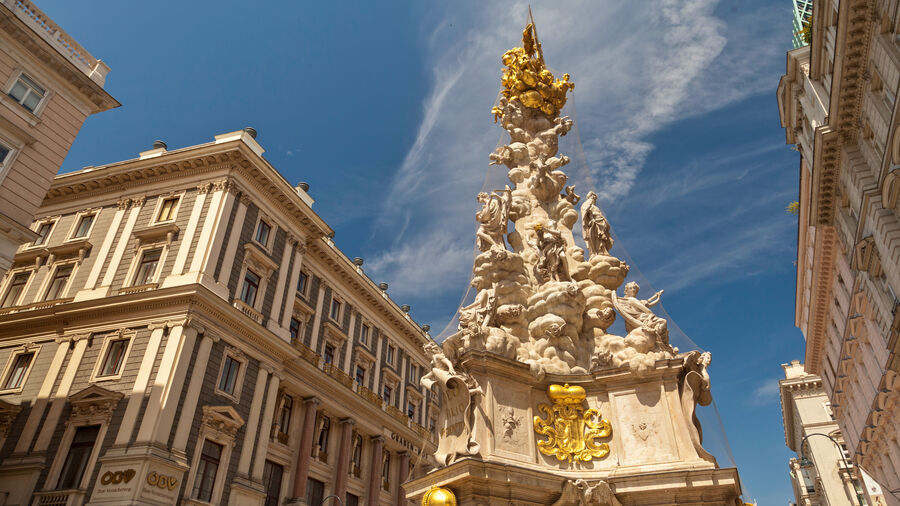
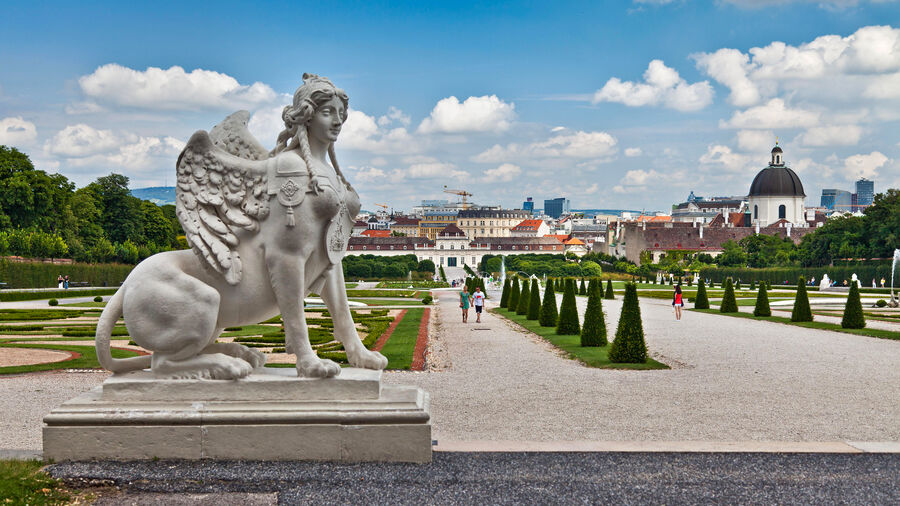
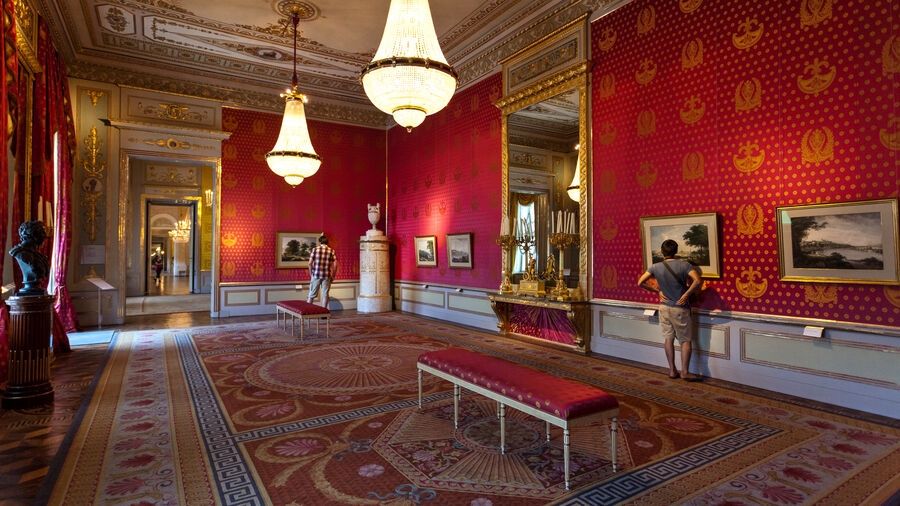
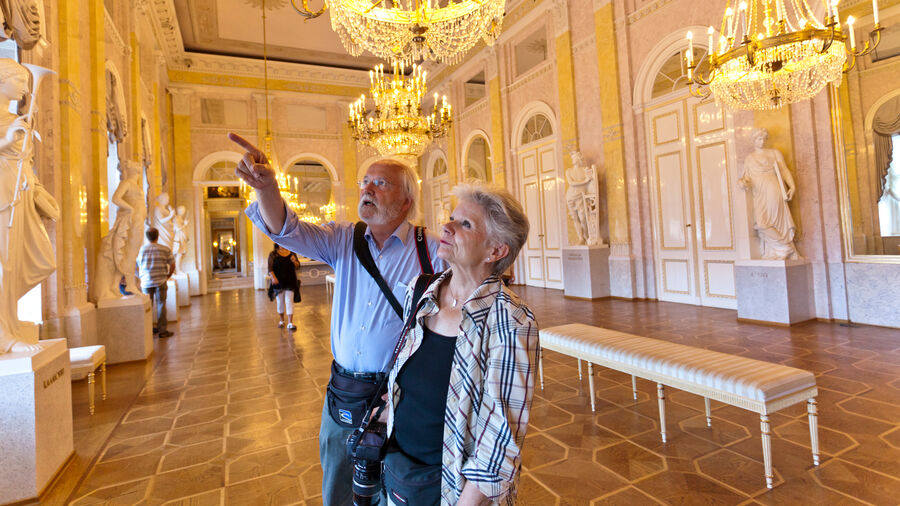
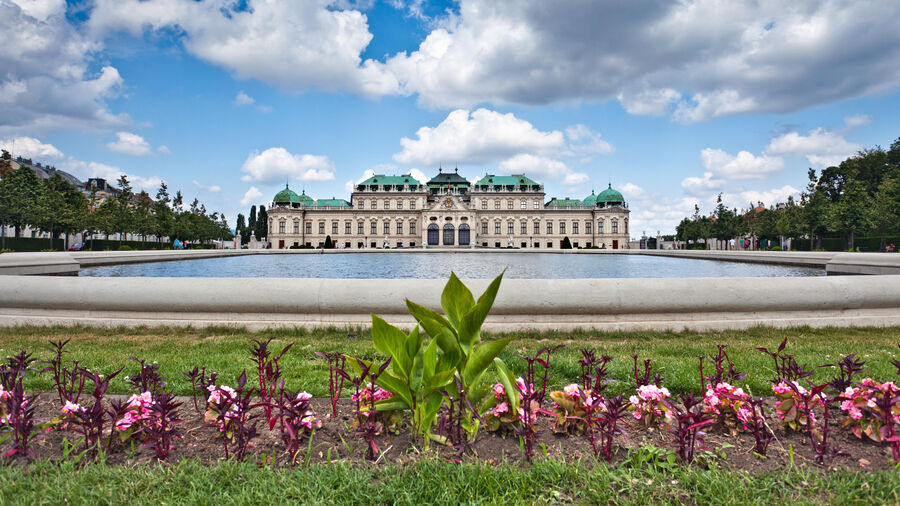
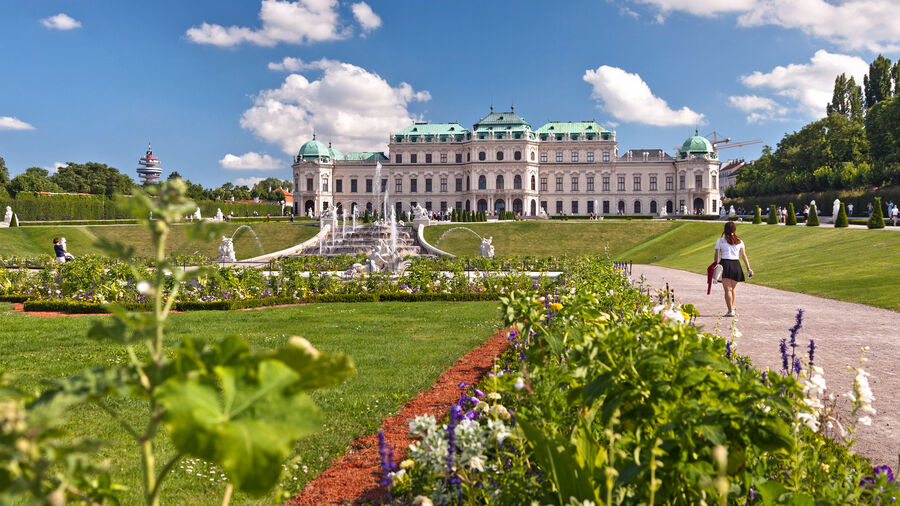
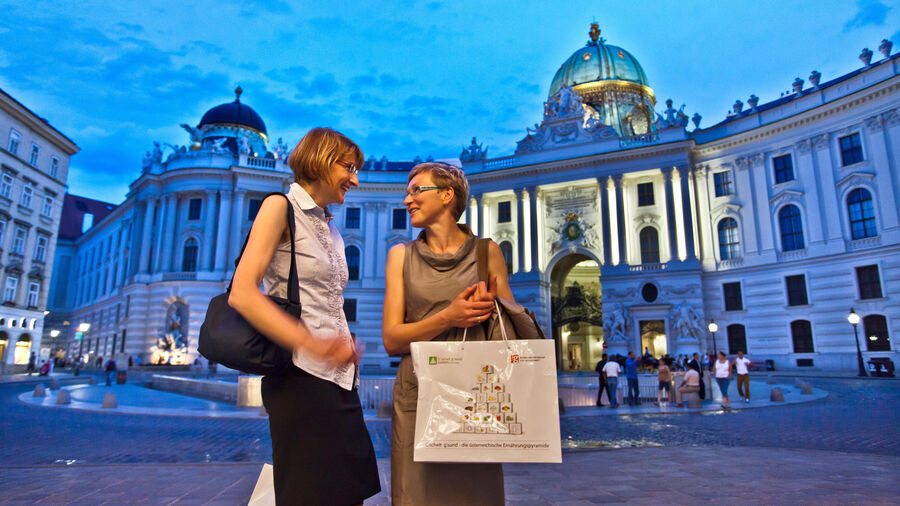
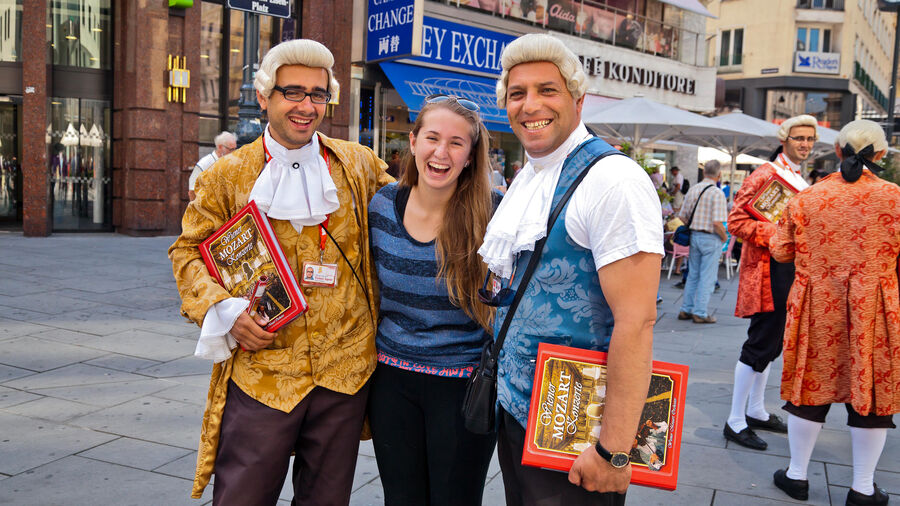
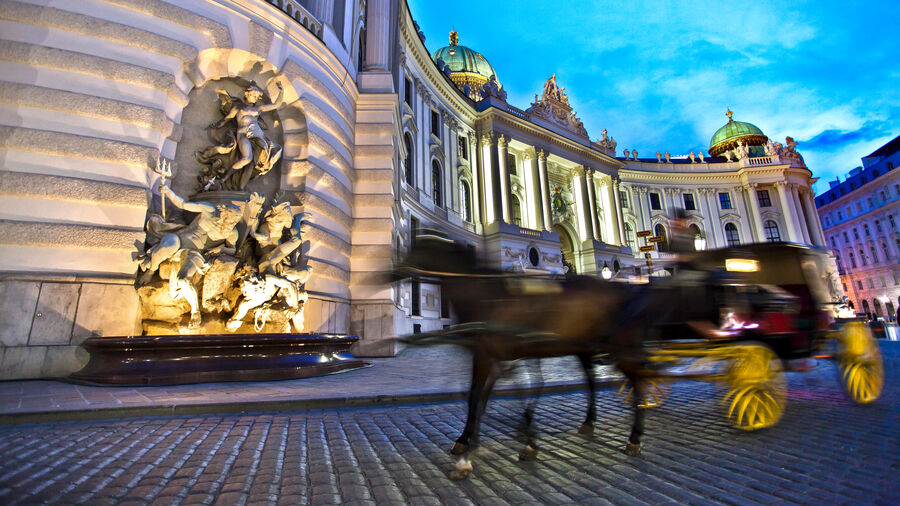
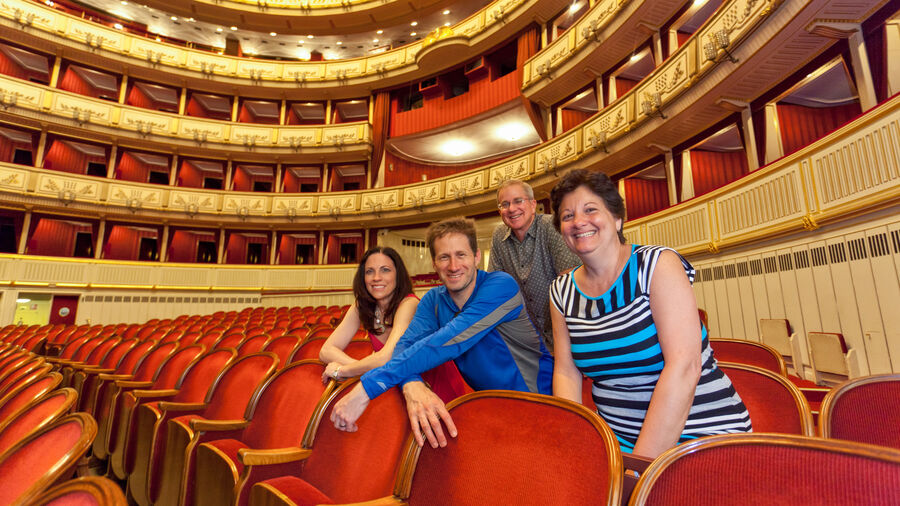
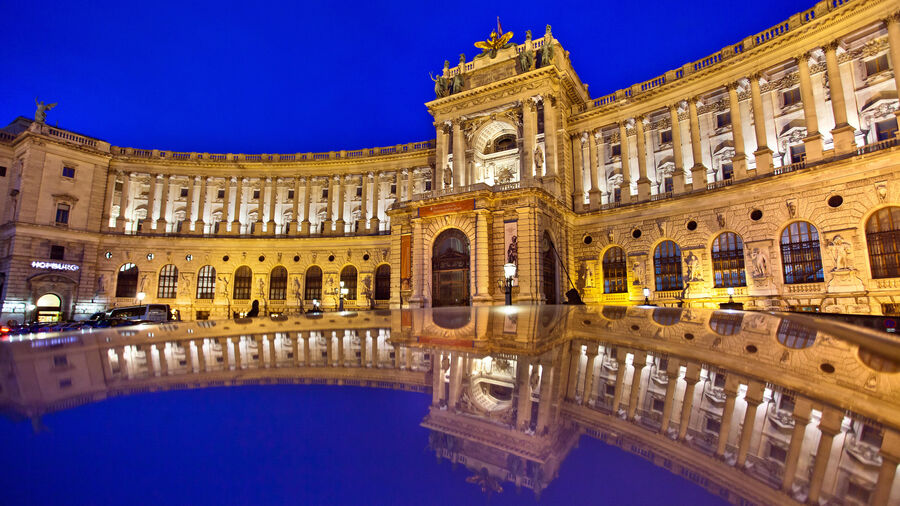
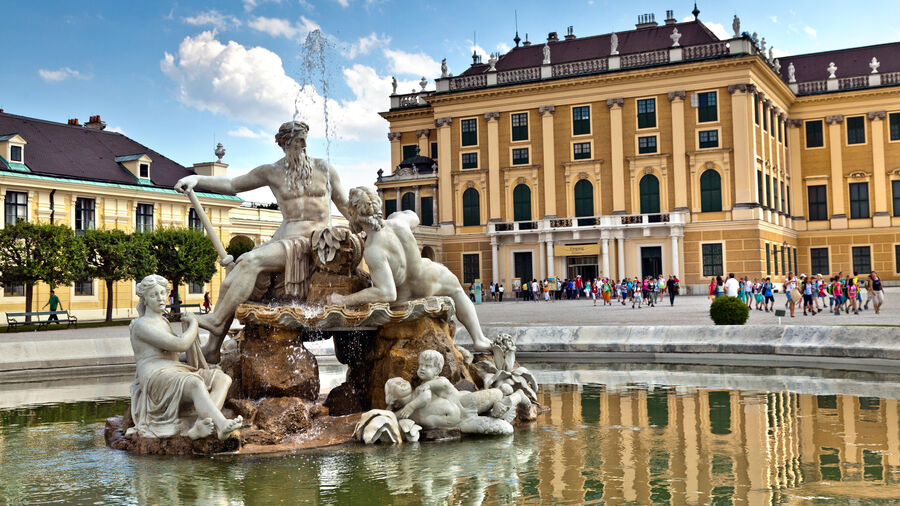
▲▲▲ Vienna Austria's regal capital city, rich with swirling architecture and world-class museums; towering St. Stephen's Cathedral; impressive Habsburg sights (Schönbrunn Palace, in-city royal apartments, treasury, crypt, and Lipizzaner stallions); and a grand classical-music tradition, from the Vienna State Opera to the famed Boys' Choir.
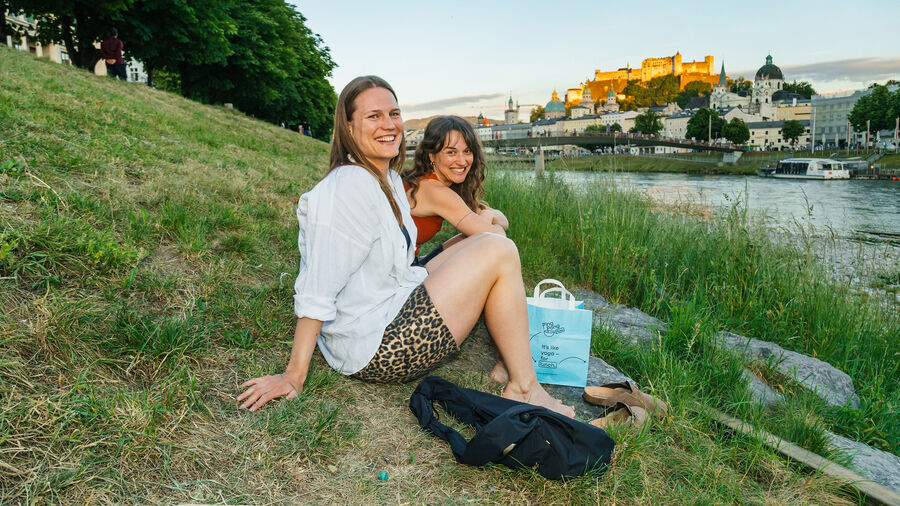
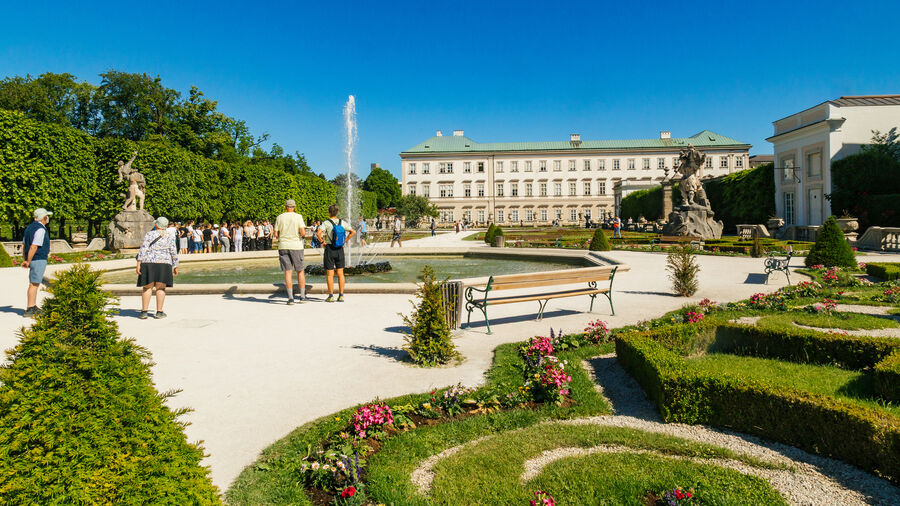
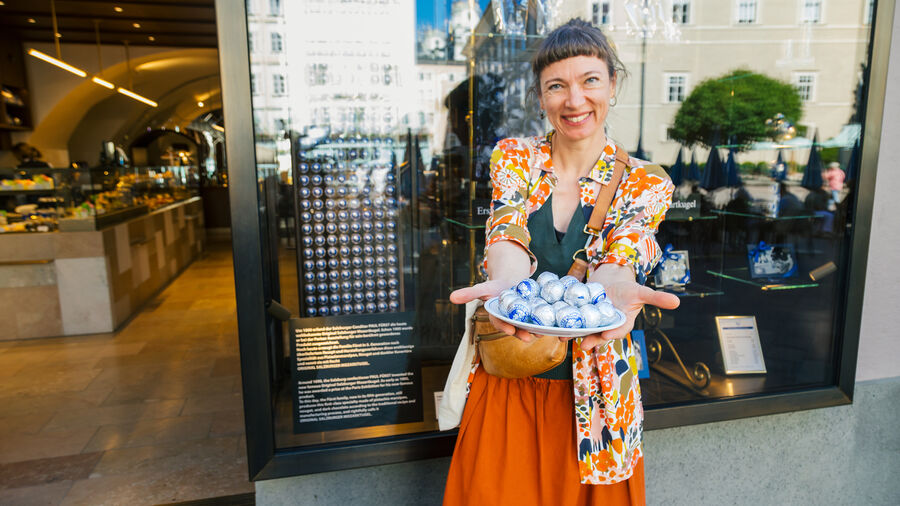
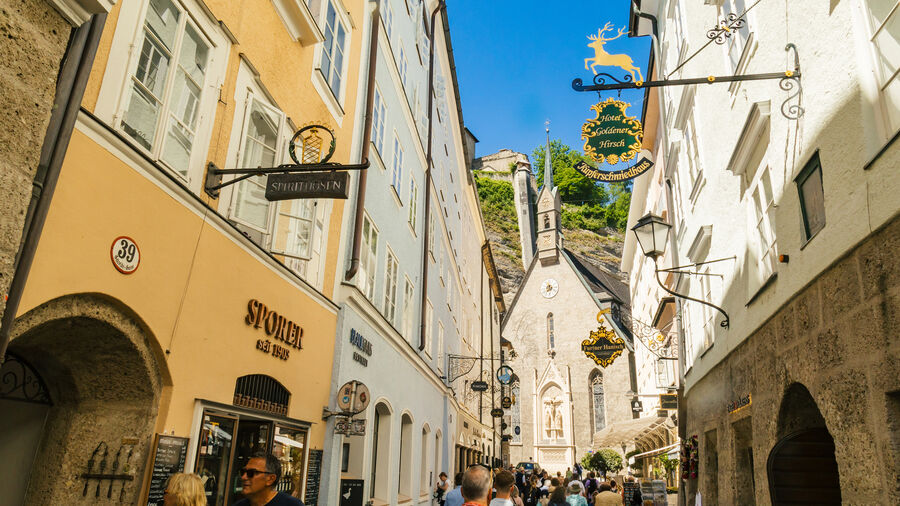
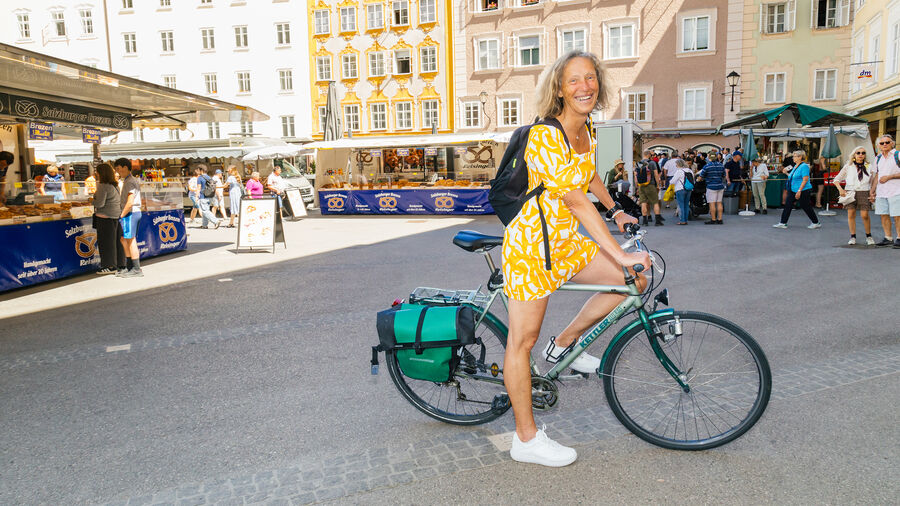
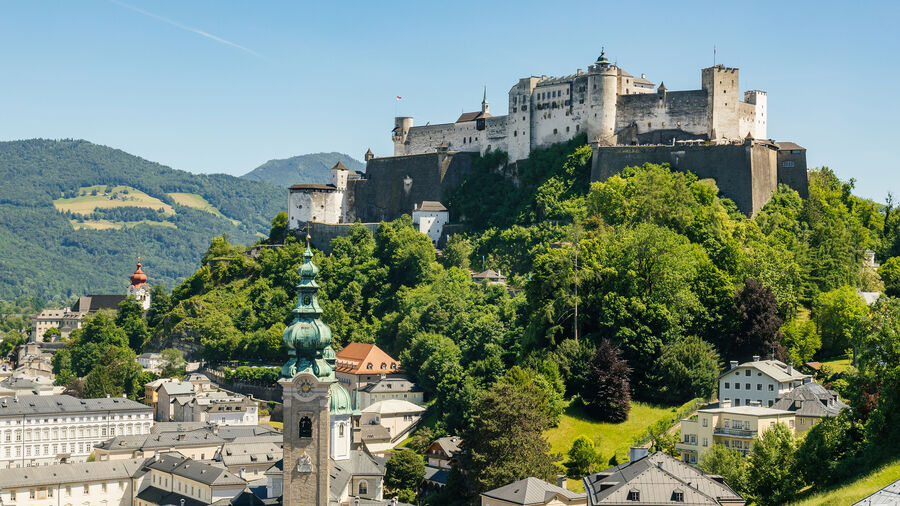
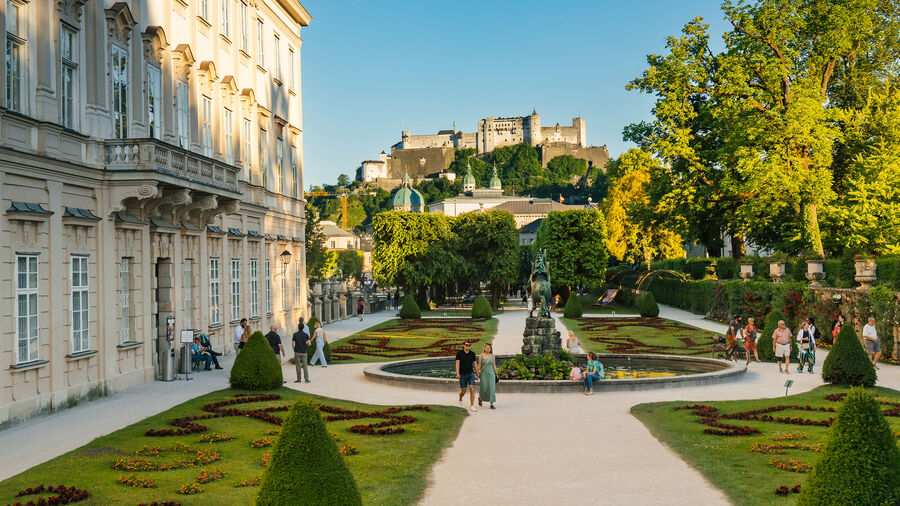
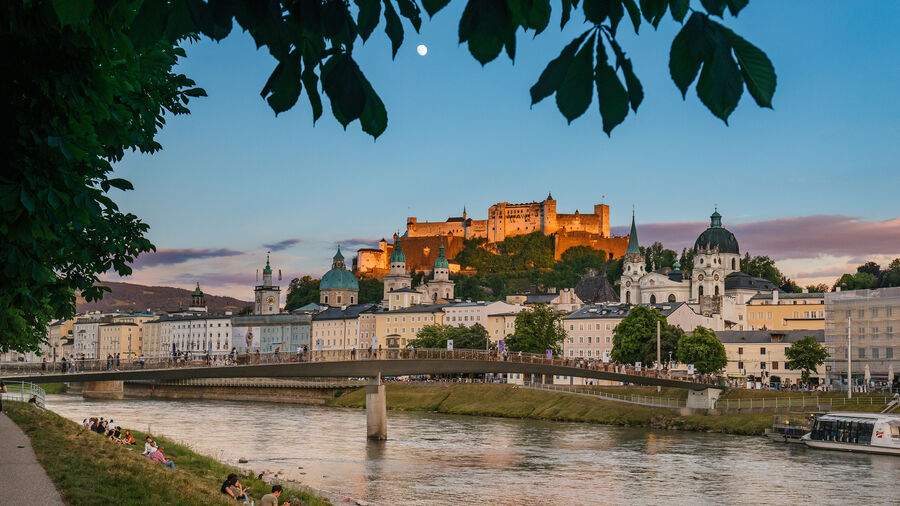
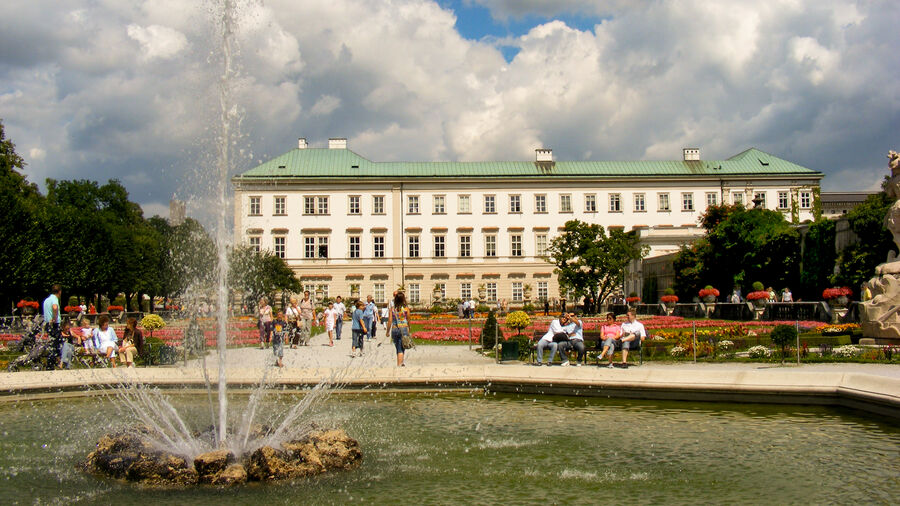
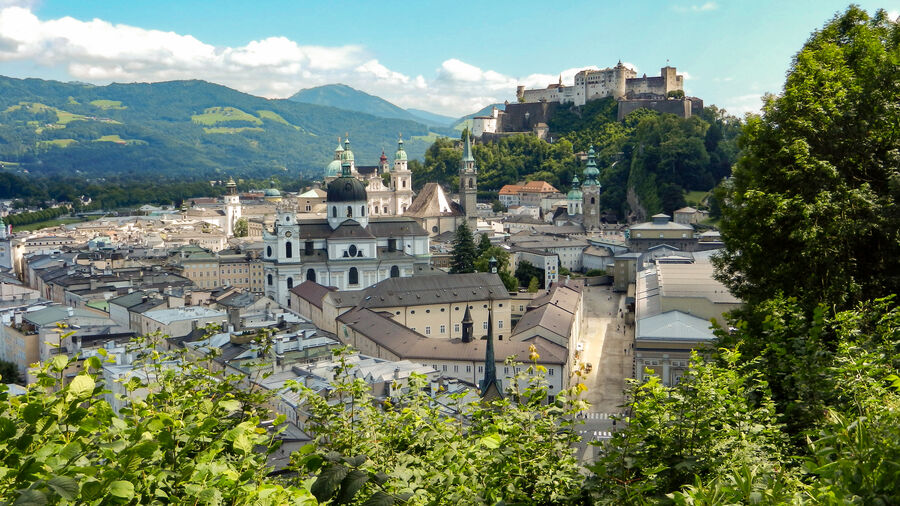
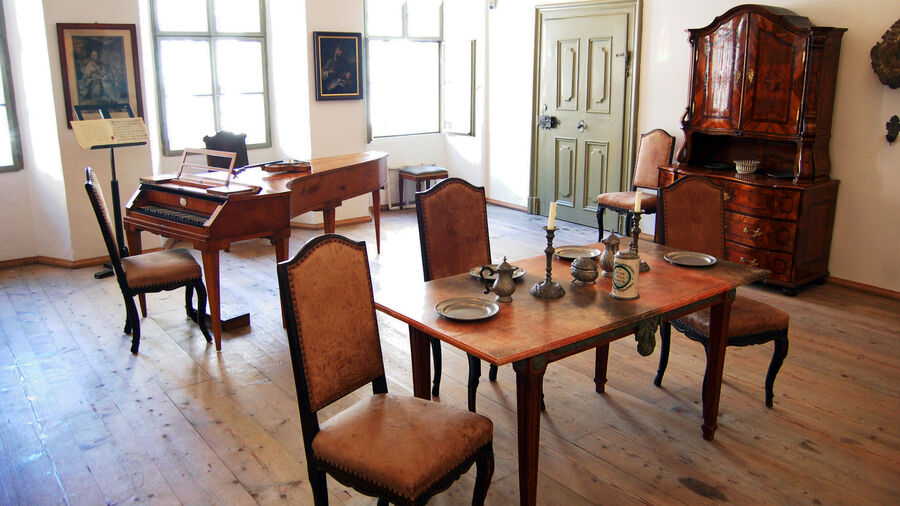
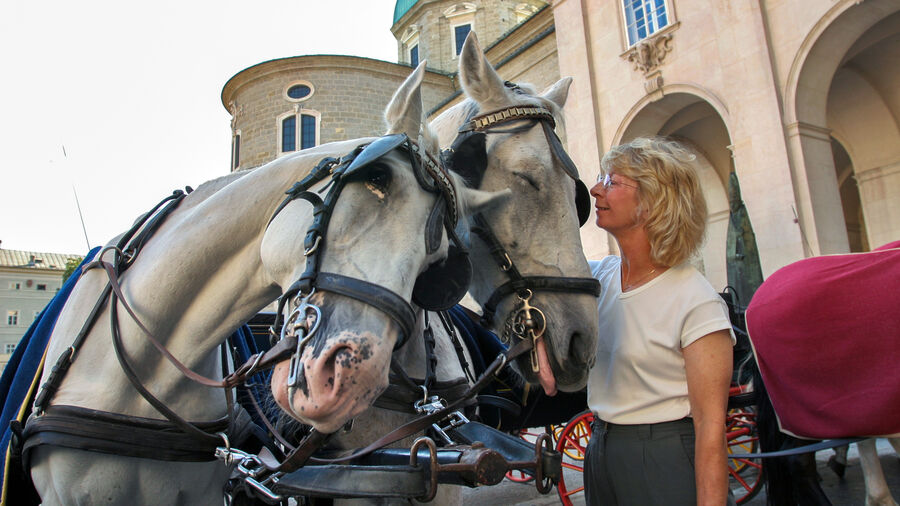
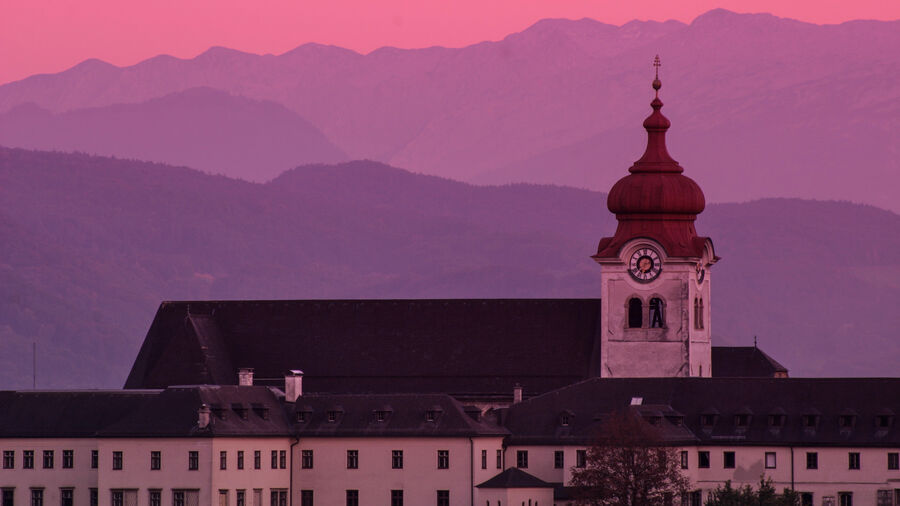
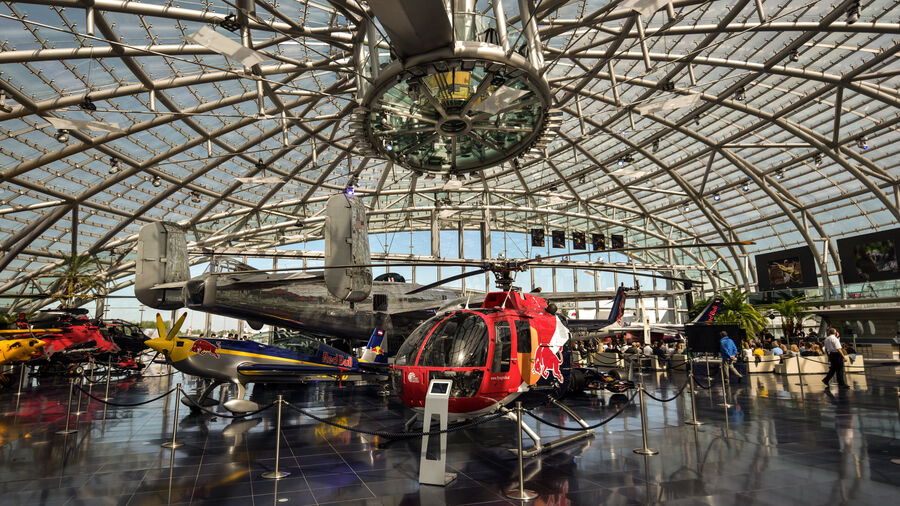
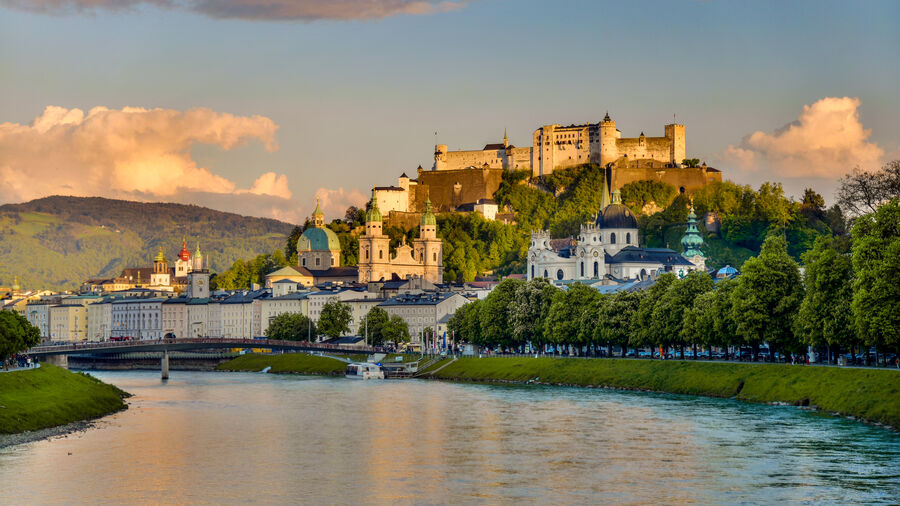
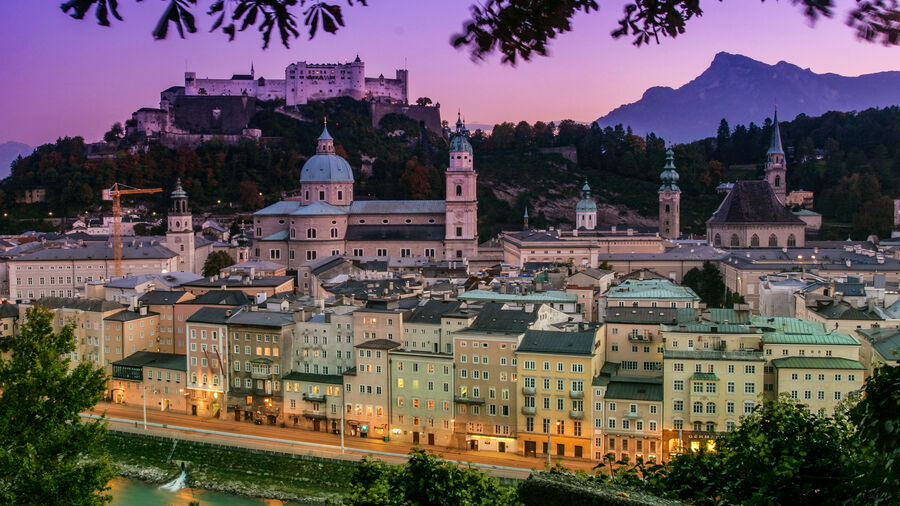
▲▲▲ Salzburg Musical mecca for fans of Mozart and The Sound of Music, offering a stout castle, Baroque churches, near-nightly concerts, and an old town full of winding lanes. And just across the border is the German resort of Berchtesgaden, soaked in alpine scenery and Nazi history.
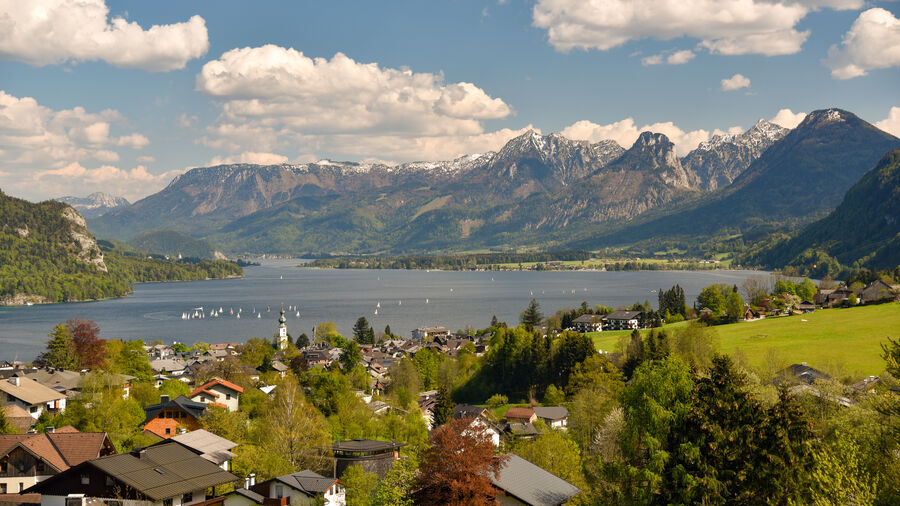
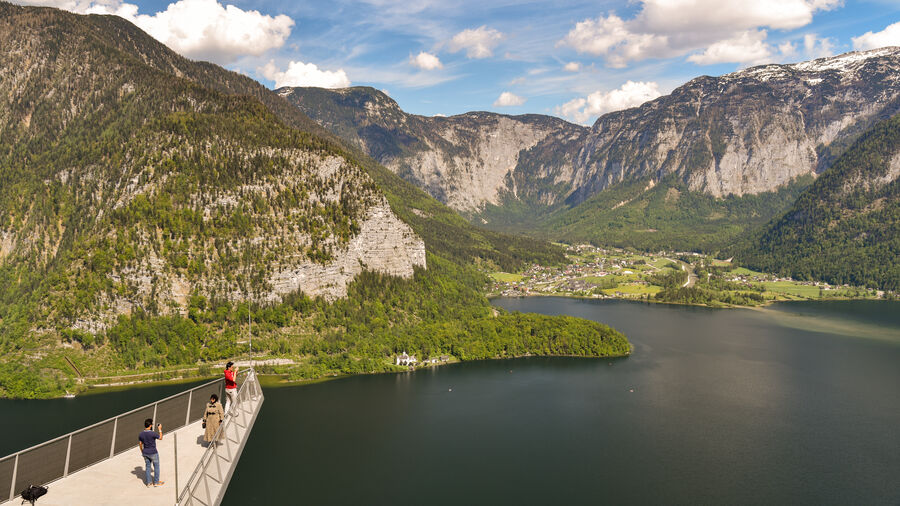
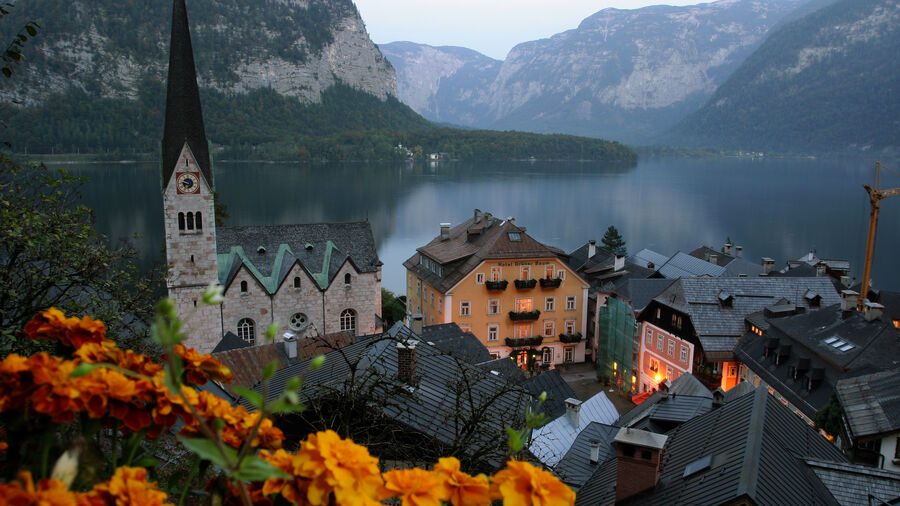
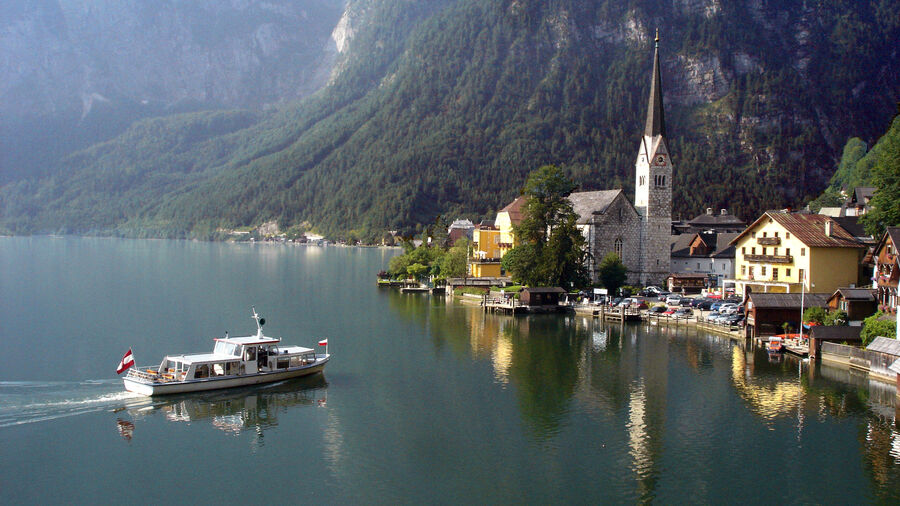
▲▲ Hallstatt and the Salzkammergut Scenic lake district, home to the pristine — if touristy — village of Hallstatt, with its medieval town center, fun salt mine, plentiful hiking opportunities, and placid swan-filled lake.
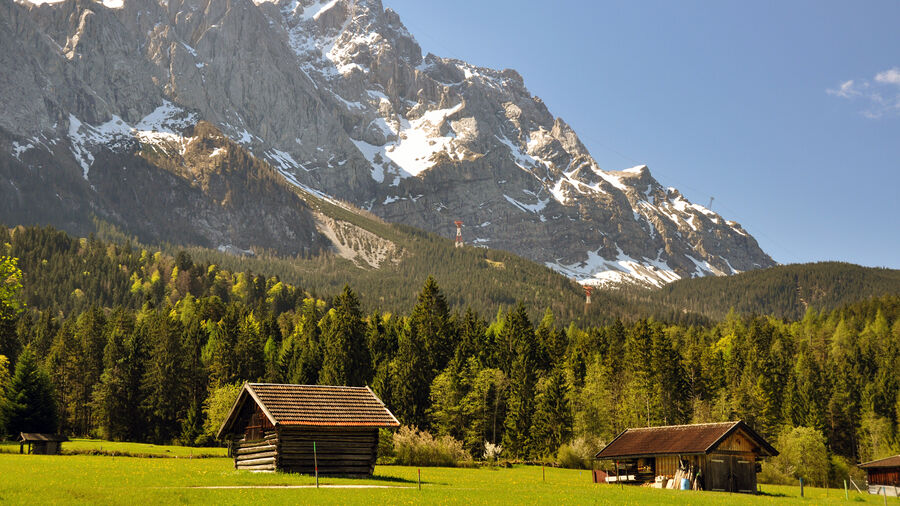
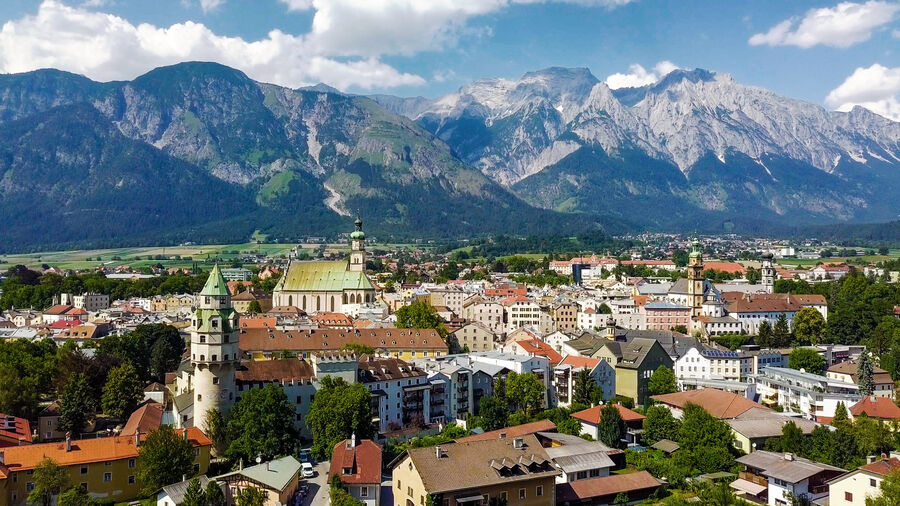
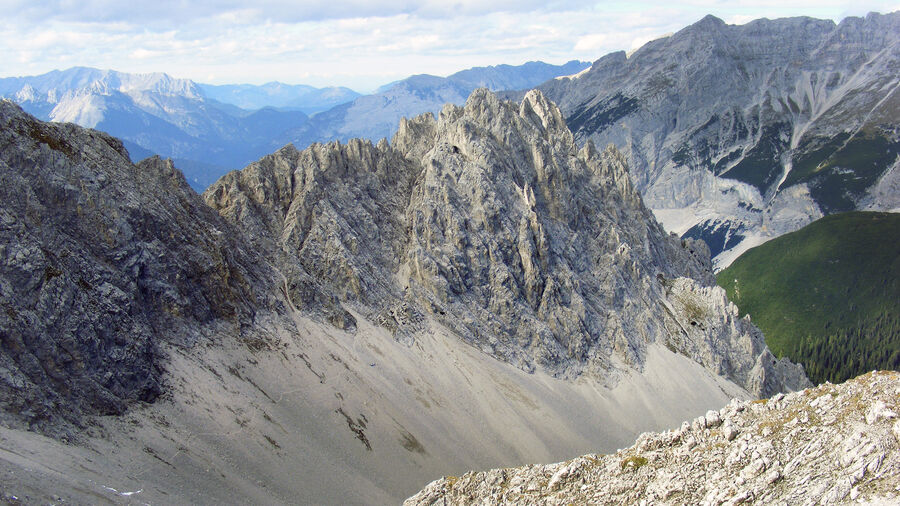
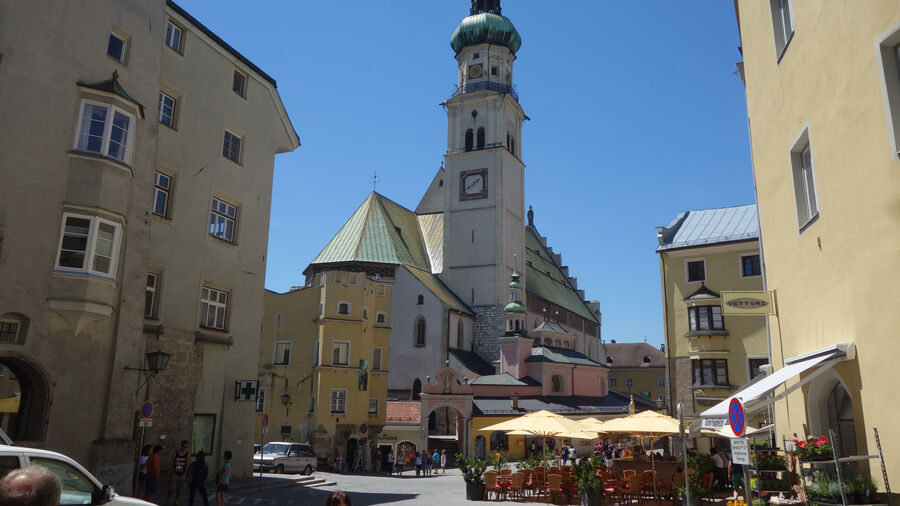
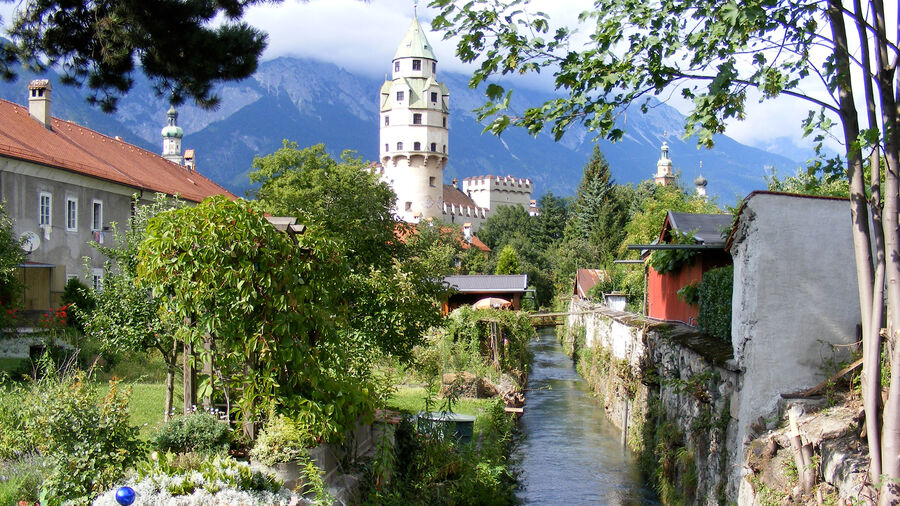
▲▲ Tirol Austria's panhandle region and mountain-sports mecca, centering around the distinctive city of Innsbruck, plus little neighboring Hall, with its quaint old town. In the northwest lie the towering Zugspitze peak and the sleepy burg of Reutte, just across the border from Germany's Neuschwanstein castle. (And right over the southern border are the rugged Dolomites of Italy's South Tirol region.)
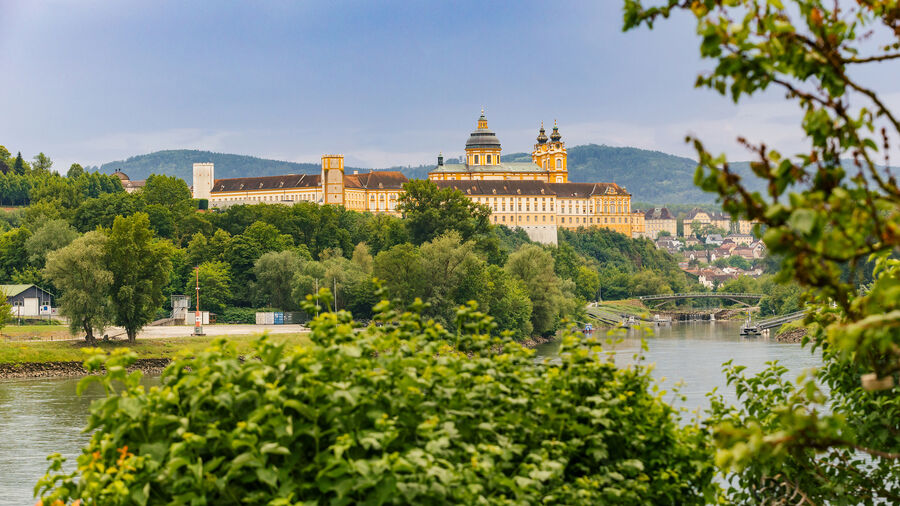
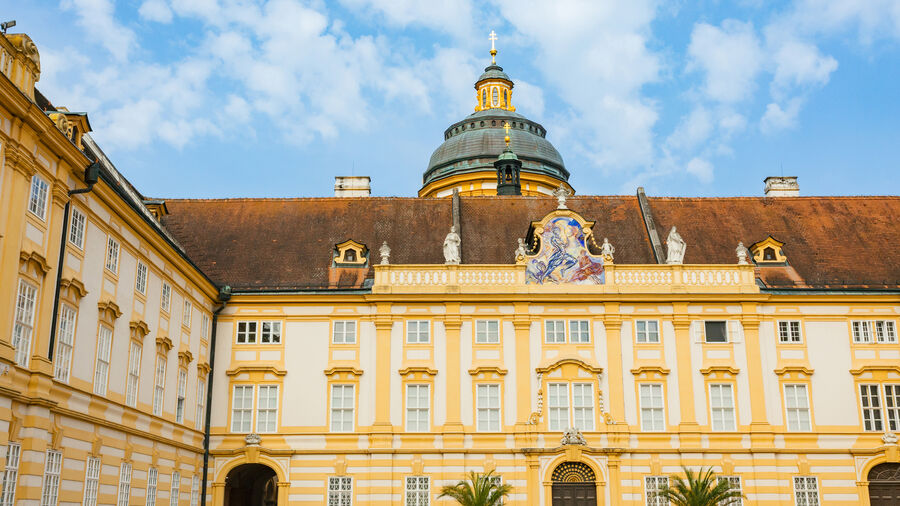
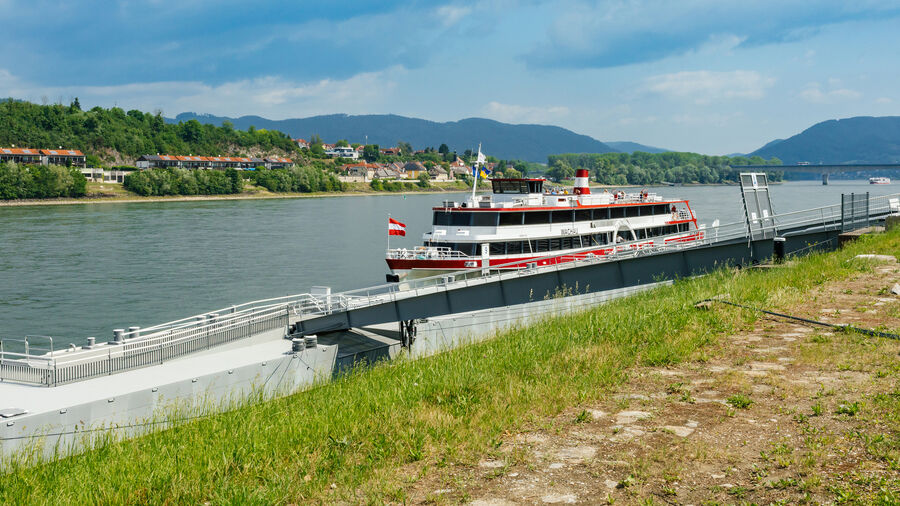
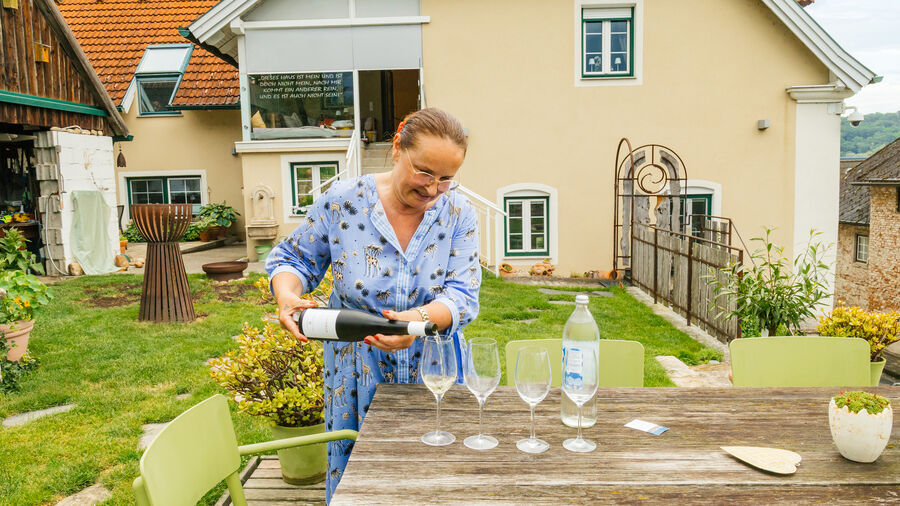
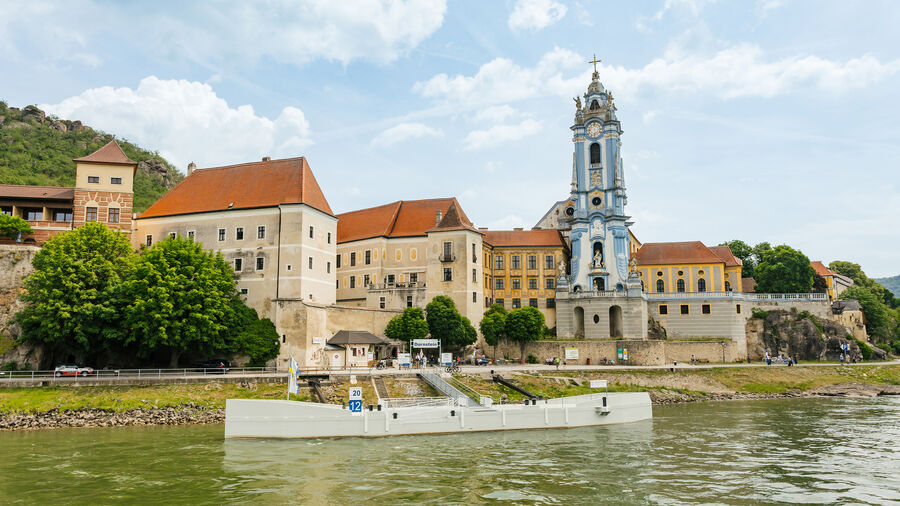
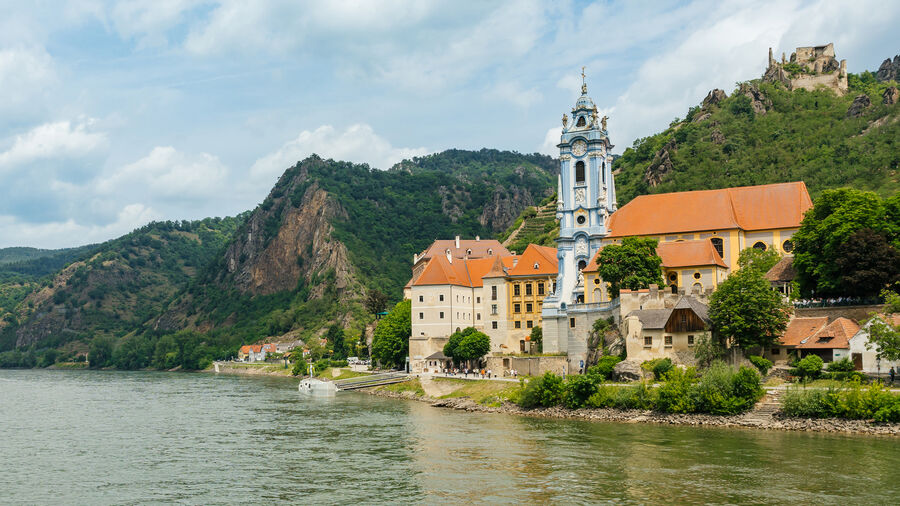
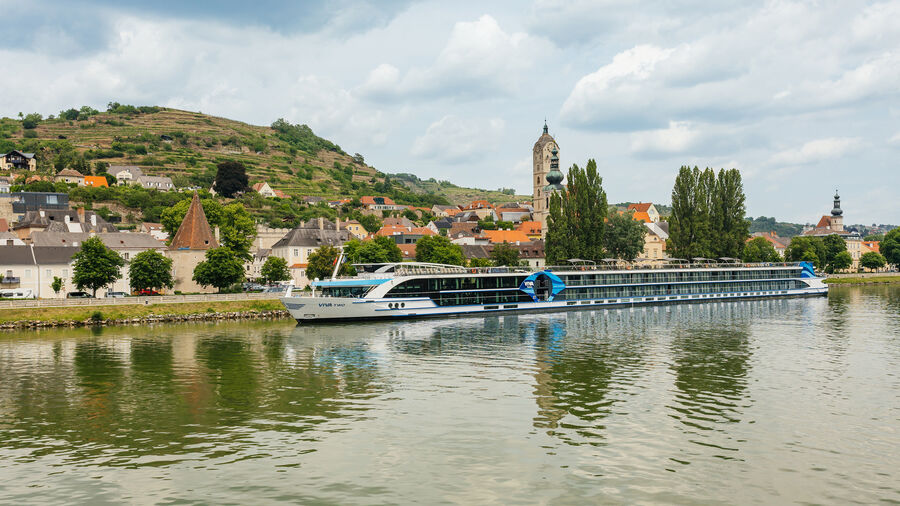
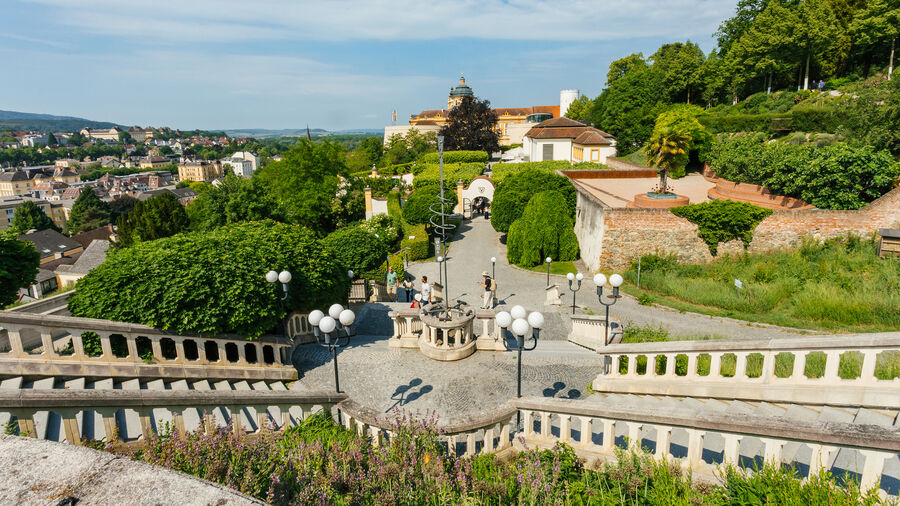
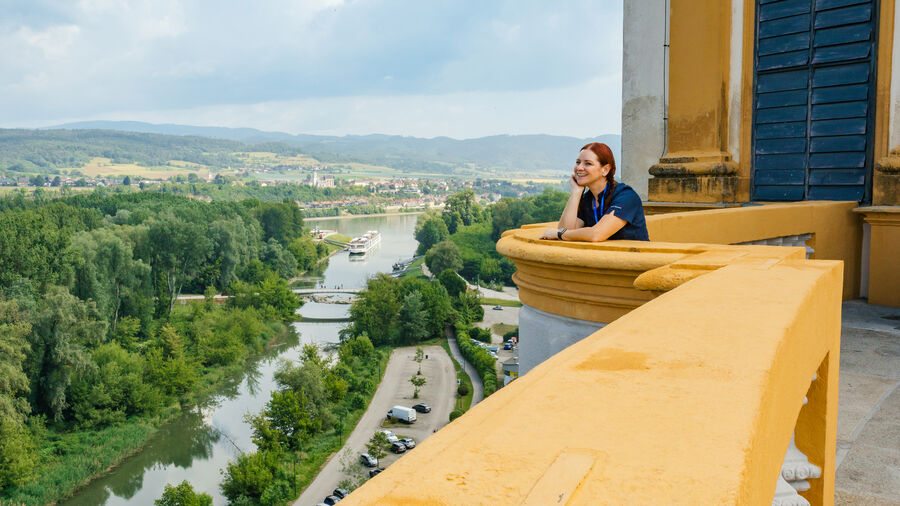
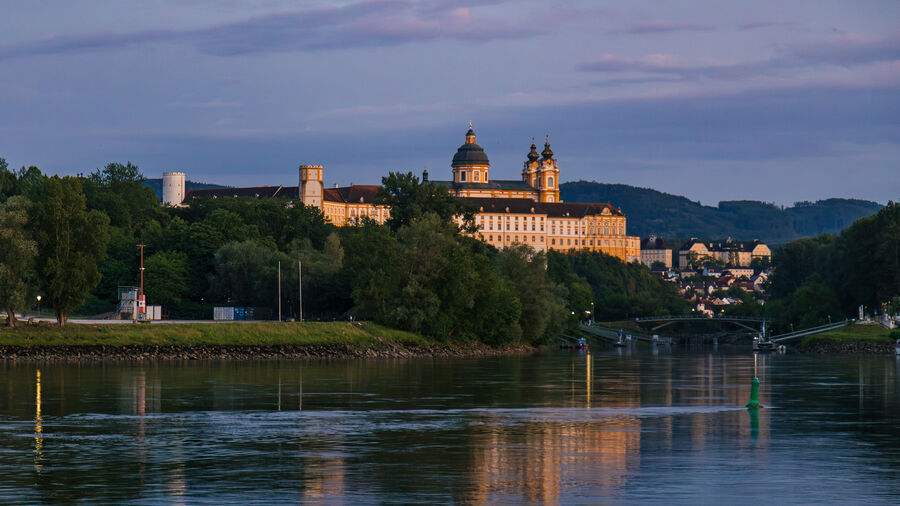
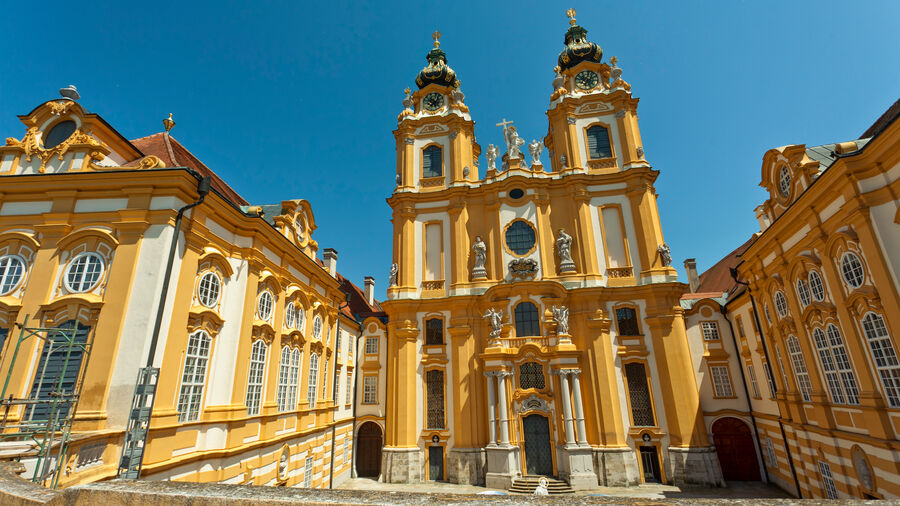
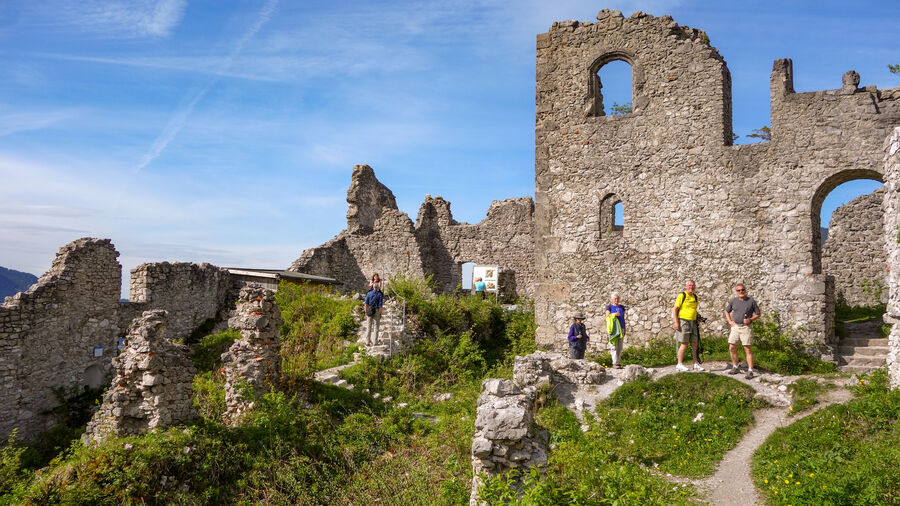
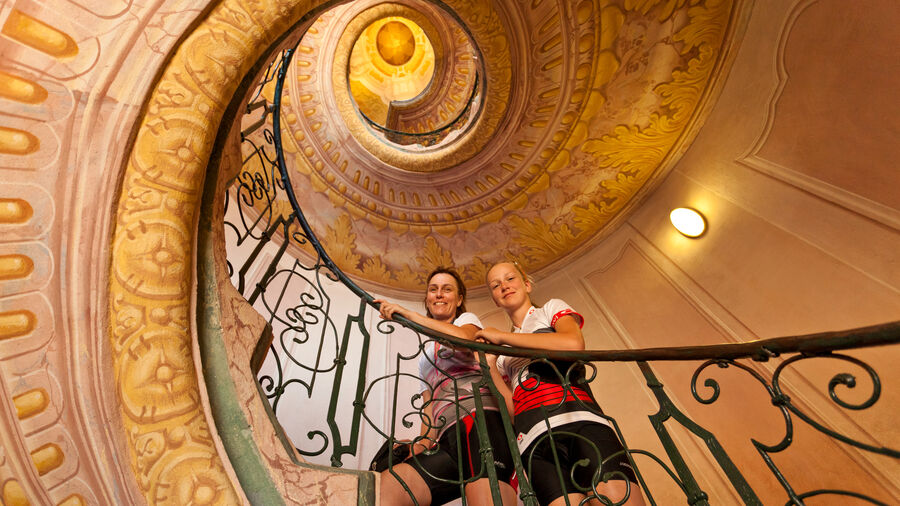
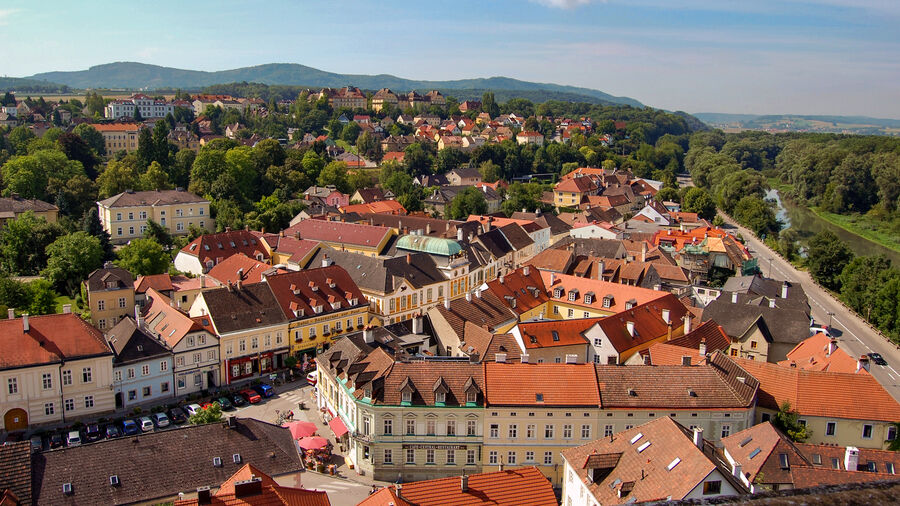
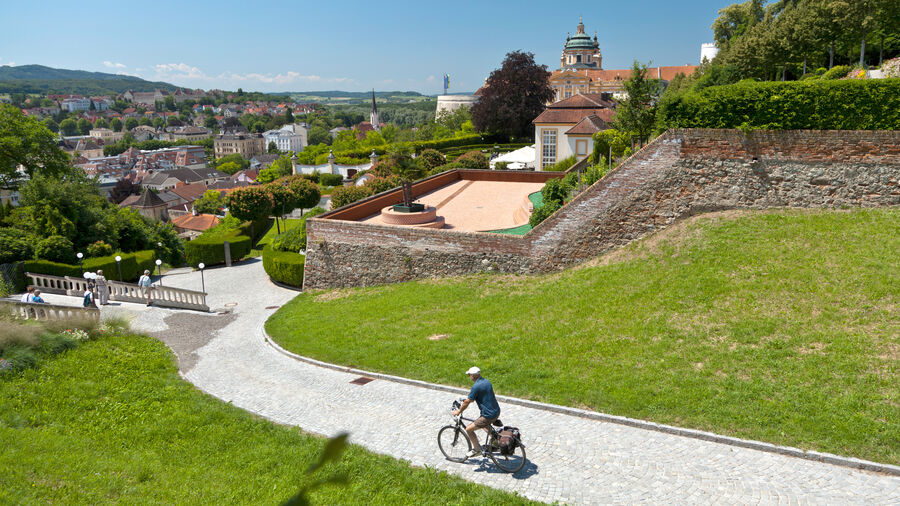
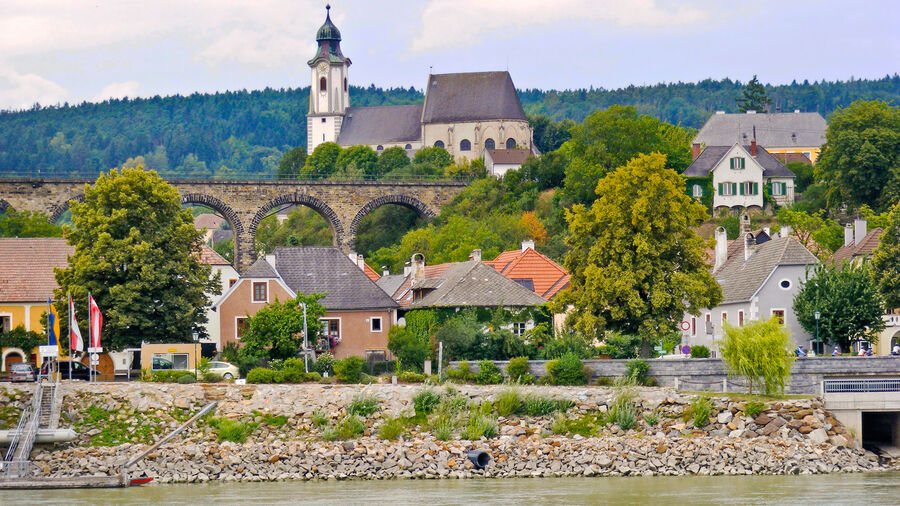
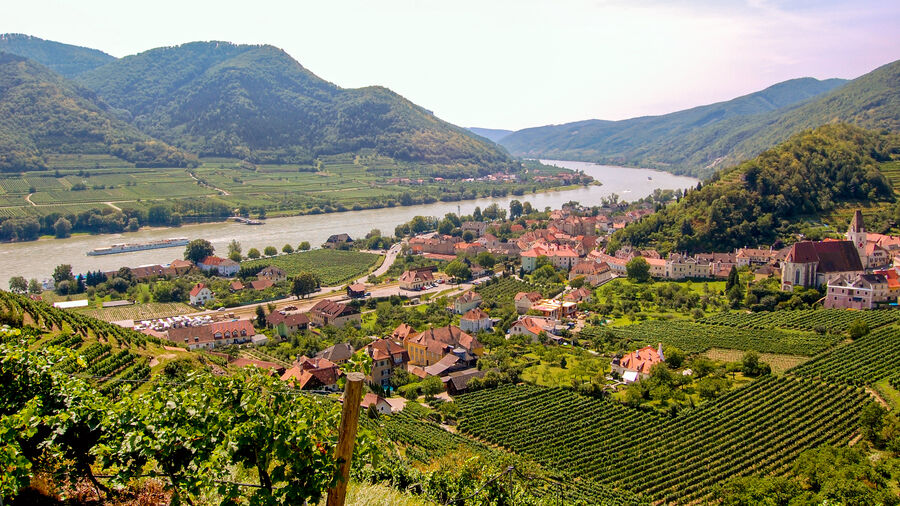
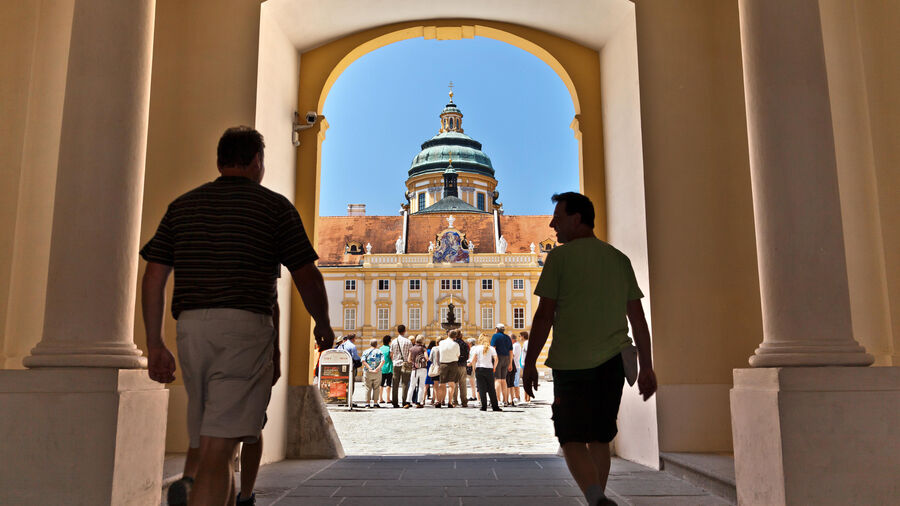
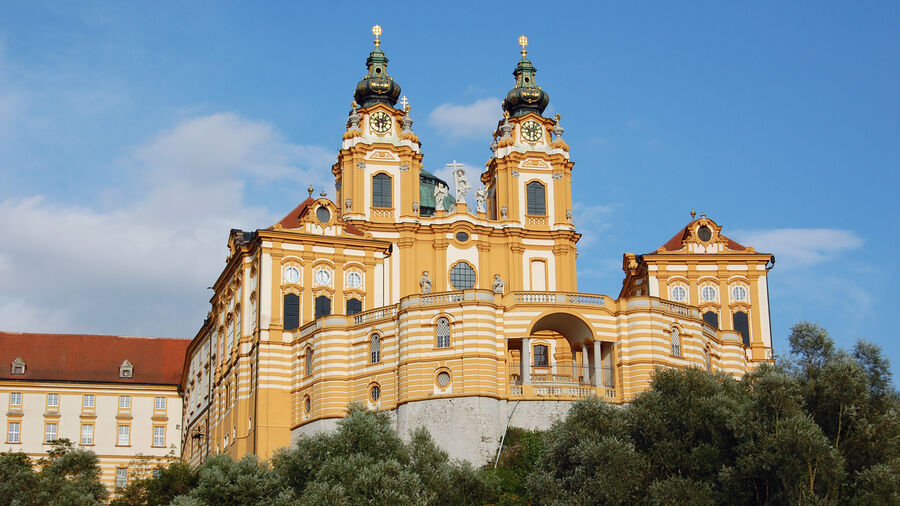
▲ Danube Valley Romantic, bikeable valley west of Vienna, dotted with ruined castles, adorable villages and vineyards, and highlighted by the beautiful Wachau stretch between Melk (with its glorious abbey) and the riverside town of Krems. Farther west is the powerful Mauthausen concentration-camp memorial.
Plan
Photos







Watch
Read
- Sobering Sites of Nazi Europe
- A Day Out in the Danube’s Wachau Valley
- Biking in Europe’s Boonies
- Visiting Europe’s Great Libraries
- Communing with Nature in Austria’s Hallstatt
- Romantic Europe: Places in the Heart
- A Classical Way to See Europe
- Austria Delights Music Lovers
- Mozart Lives On in Salzburg
- Salzburg, Austria’s ‘Alpine Arcadia’
- ‘The Sound of Music’ Debunked
- Christmas in Austria
- Hall: A Tirolean Gem in the Shadow of Innsbruck
- Neuschwanstein and Ehrenberg: A Tale of Two Castles
- Rising to the Top of Germany at the Zugspitze
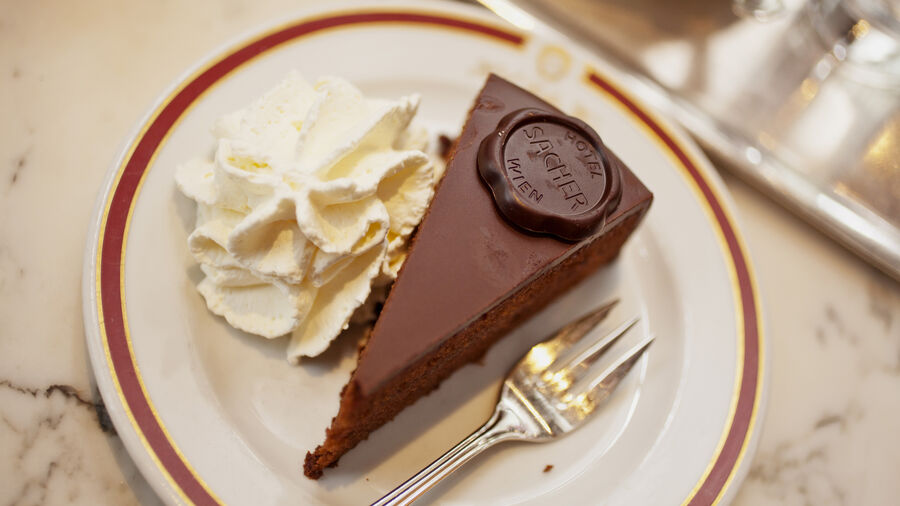
- Café Chitchat and Chocolate Cake: Sensing the Soul of Vienna
- Going to the Dogs (and Other Animals) in Europe
- Musical Bridges to European Culture
- My Favorite Vienna
- Sunday Morning, Vienna-Style
- Tasting High Culture in Vienna
- The Habsburg Splendor of Vienna
- Touched by History: Meeting a Witness to WWI Assassination
- Vibrant Vienna: Thematic Sights Make It a Class Act
- Vienna’s Monument Against War and Fascism
- War Rooms: Europe’s Military Museums
Austria
Danube Valley
Hallstatt
Salzburg
Tirol
Vienna
Listen
- Art Outside the Museums (30:10)
- European Business Customs (45:55)
- Experiencing Austria (18:20)
- Liechtenstein — Reason to Celebrate (11:51)
- Music Appreciation for Travel: Part I (11:35)
- Notorious Royal Marriages (18:08)
- Opera 101 for Travelers (18:23)
- Royal Families (11:30)
- Vienna à la Fred Plotkin (17:58)
- Vienna: Habsburg Capital (34:11)
- Vienna's Ball Season (11:50)
- Visiting Vienna (12:02)
- Walking Vienna (18:16)
Austria Audio Tours
- Ringstrasse Tram Tour
Listen or Download | Download map - Salzburg Town Walk
Listen or Download | Download map - St. Stephen's Cathedral Tour
Listen or Download | Download map - Vienna City Walk
Listen or Download | Download map