Home > Plan Your Trip > Best Destinations > Belgium & Netherlands

Bruges, Belgium

Pickled in Gothic

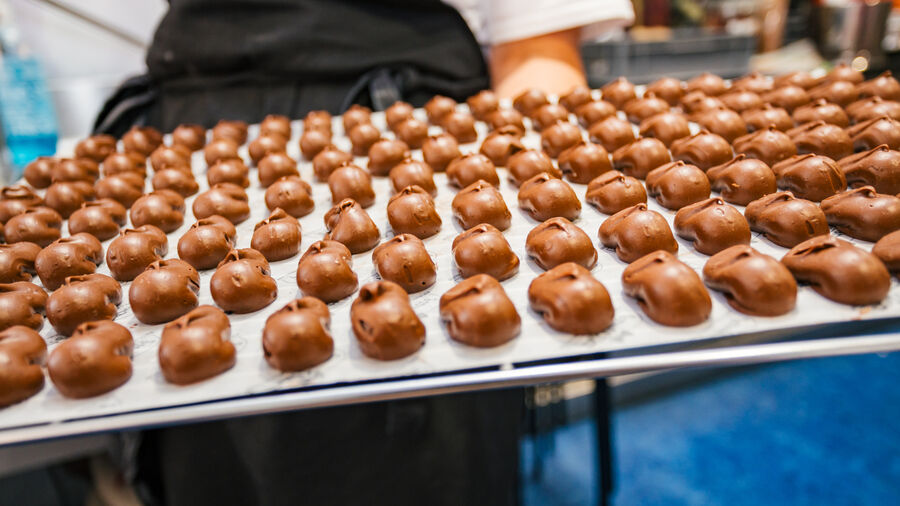
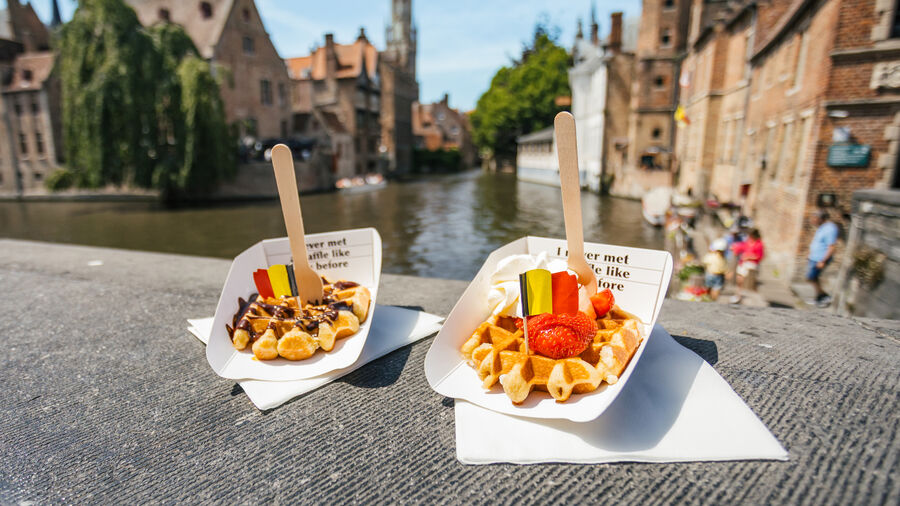
With a smile, the shop owner handed me a pharoah's head and two hedgehogs and said that her husband was busy downstairs finishing off another batch of chocolates. Happily sucking on a hedgehog, I walked out of the small chocolate shop with a 100-gram assortment of Bruges' best pralines — filled chocolate delights.

Bruggians are connoisseurs of chocolate. You'll be tempted by display windows all over town. Godiva is considered the best big factory brand, but for quality and service, drop by one of the many family-run shops (like Dumon; see sidebar). Pray for cool weather. They close down when it's hot.

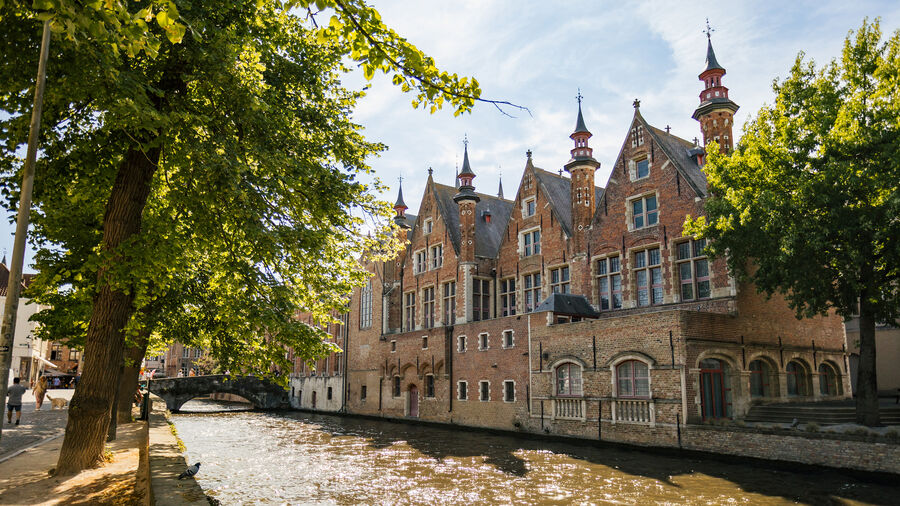
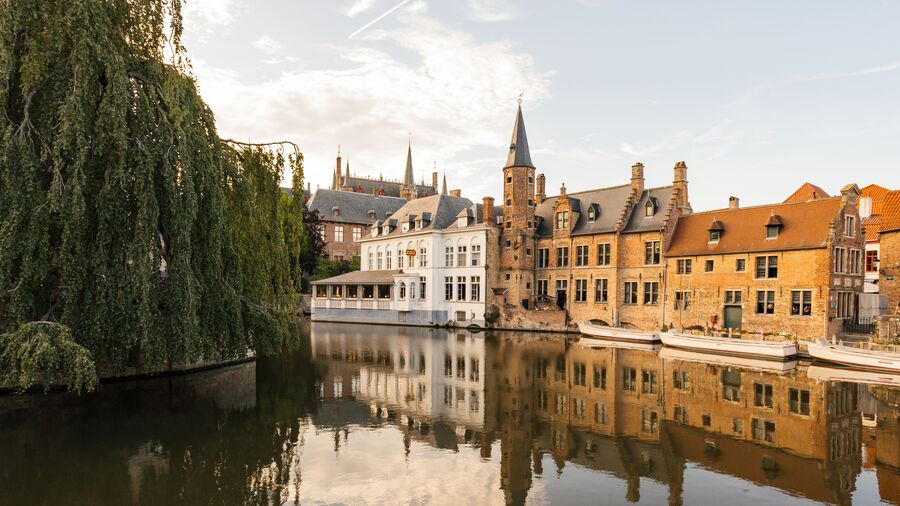
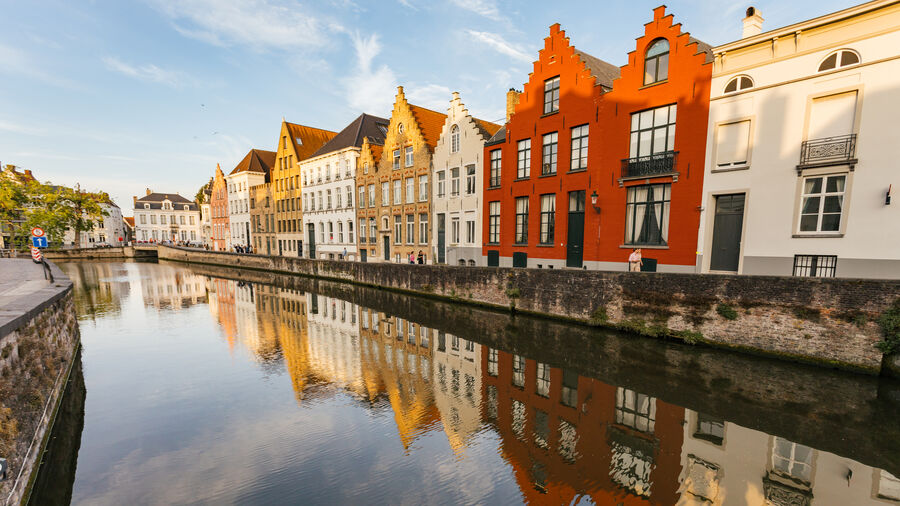
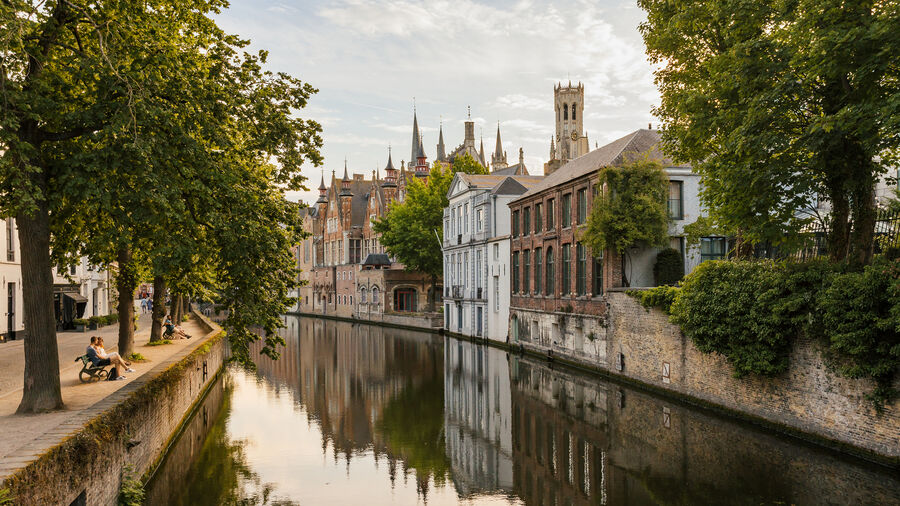
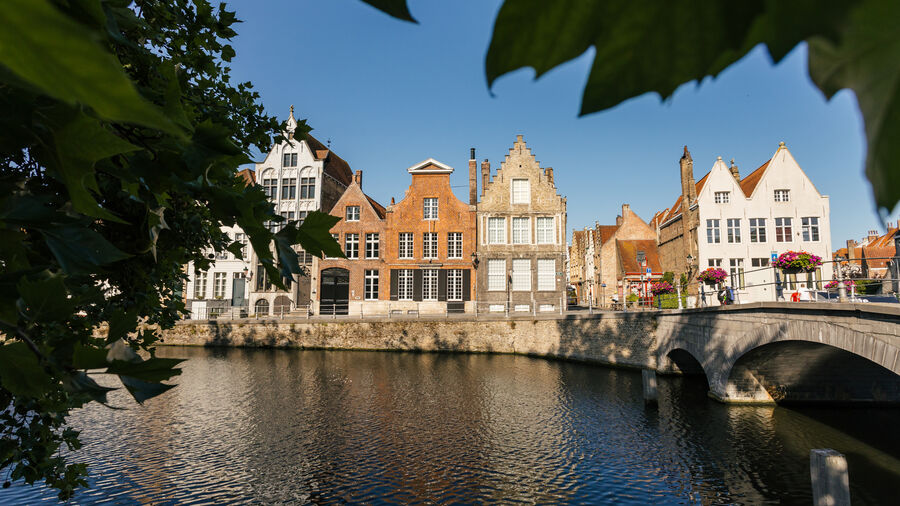
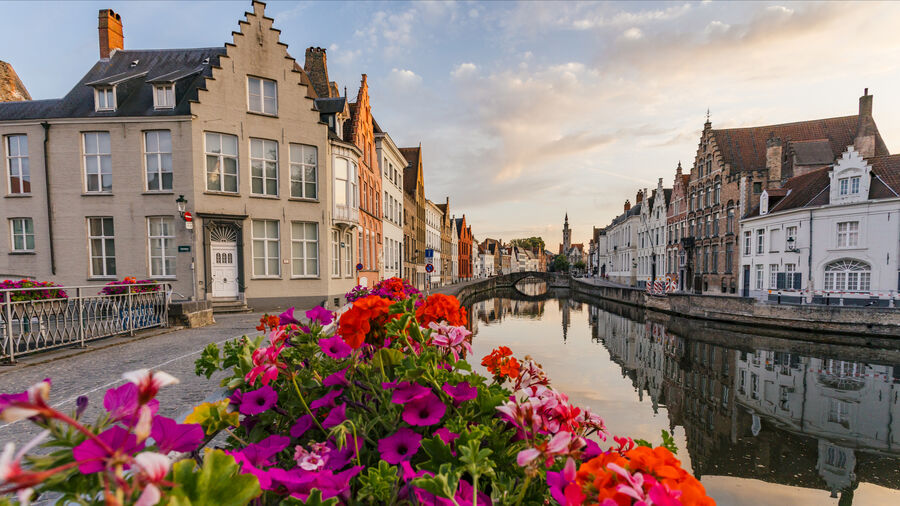
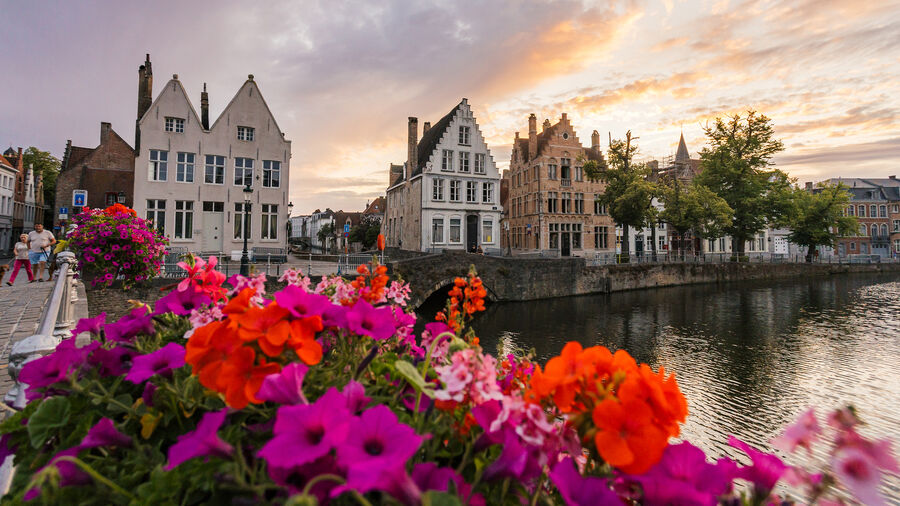
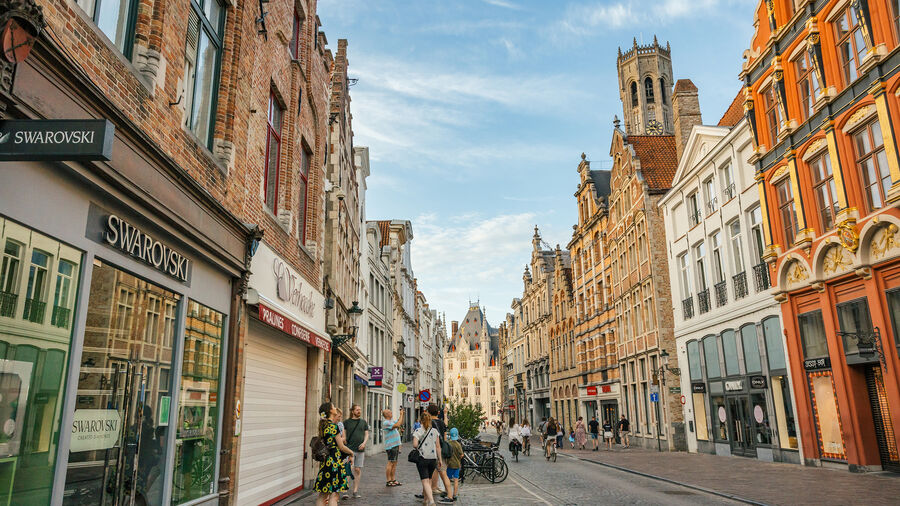
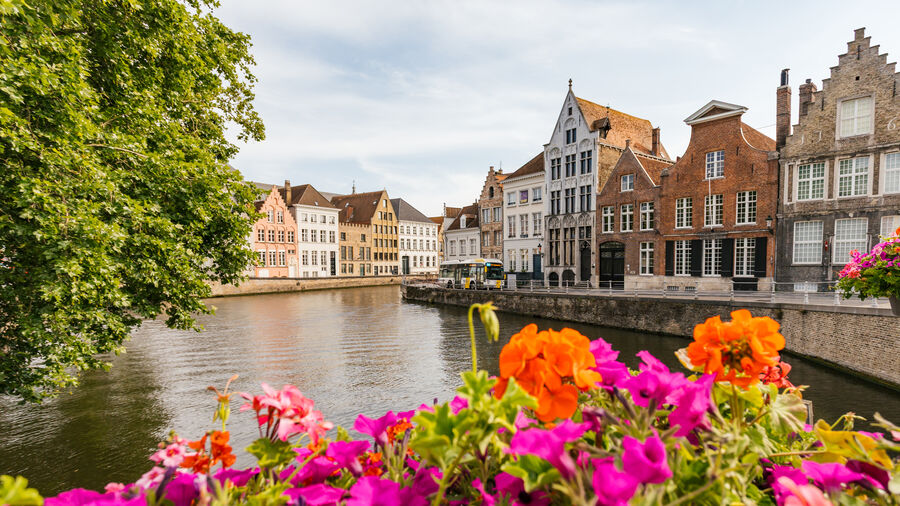
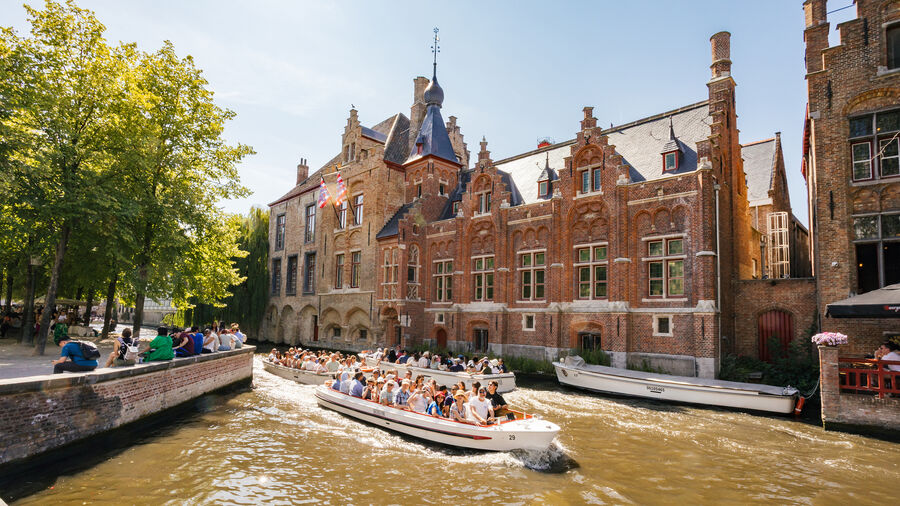
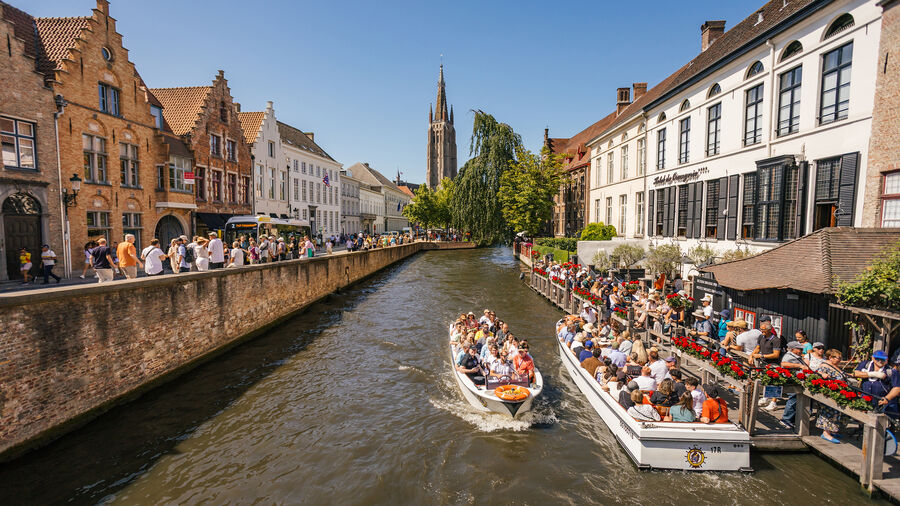
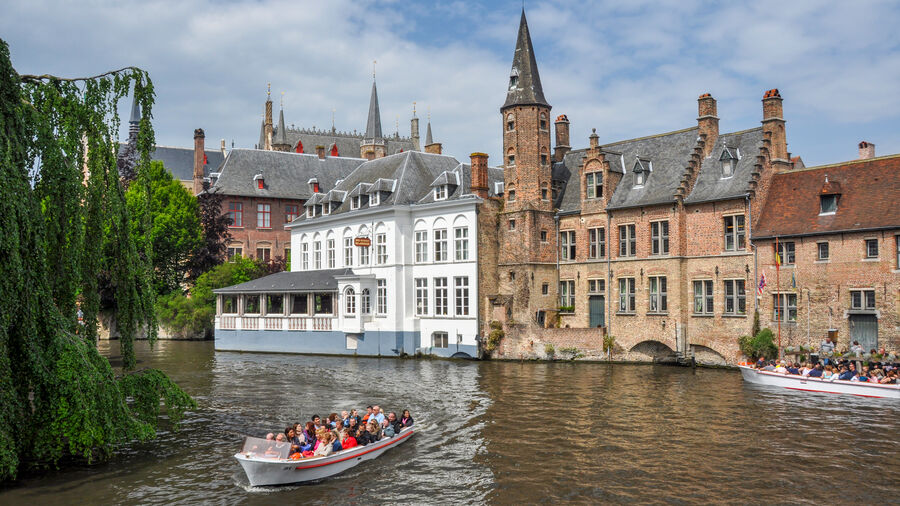
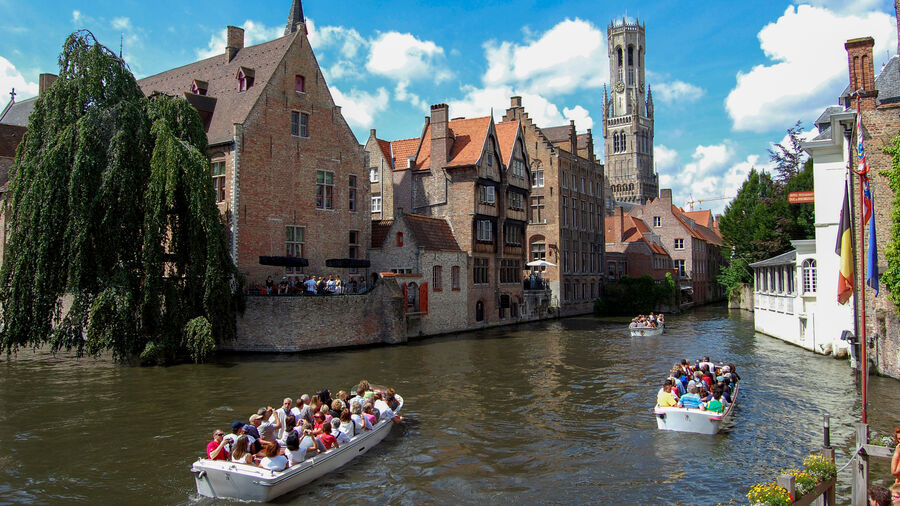
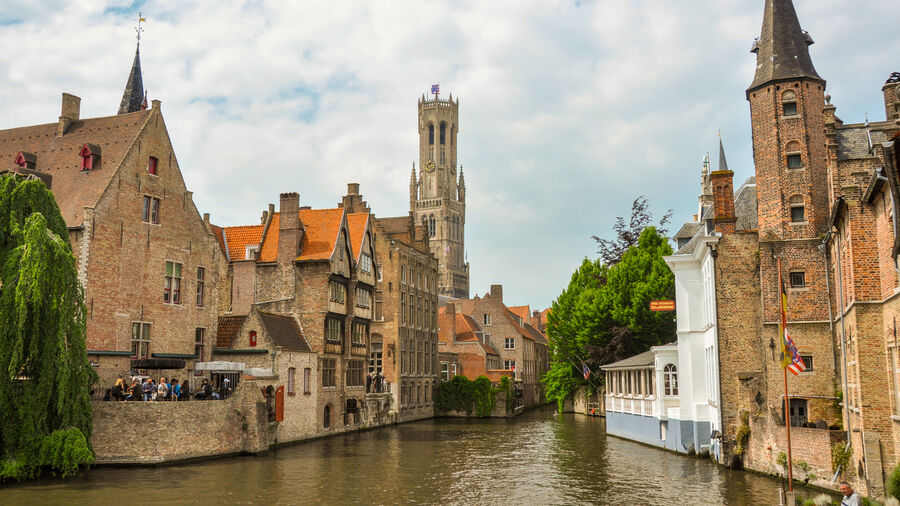
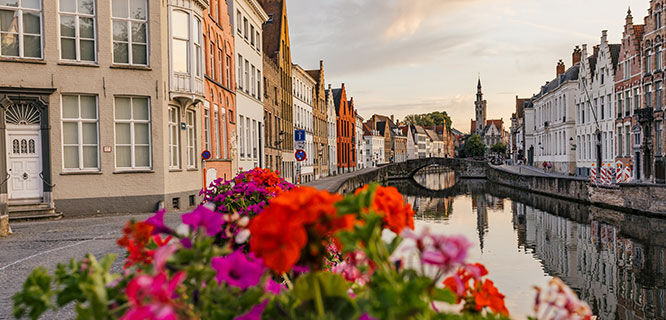
With Renoir canals, pointy gilded architecture, and stay-awhile cafés, Bruges is a joy. Where else can you bike along a canal, munch mussels, drink fine monk-made beer, see a Michelangelo, and savor heavenly chocolate, all within 300 yards of a bell tower that rings out "Don't worry, be happy" jingles? And there's almost no language barrier.

The town is Bruges (broozh) in French and English, and Brugge (broo-gha) in Flemish. Before it was French or Flemish, the name was a Viking word for "wharf" or "embarkment." Right from the start, Bruges was a trading center. By the 14th century, Bruges had a population of 35,000 (in a league with London) and the most important cloth market in northern Europe. By the 16th century, silt clogged the harbor and killed the economy.

Like so many small-town wonders, Bruges is well-pickled because its economy went sour. But rediscovered by modern-day tourists, Bruges thrives. This uniquely well-preserved Gothic city is no secret. But even with crowds, it's the kind of city where you don't mind being a tourist.

Bruges makes a fine first night on the Continent for travelers arriving from England: It's just 15 minutes by train from Ostende, where boats dock from Dover, and an hour from Brussels, where the Eurostar train arrives from London.

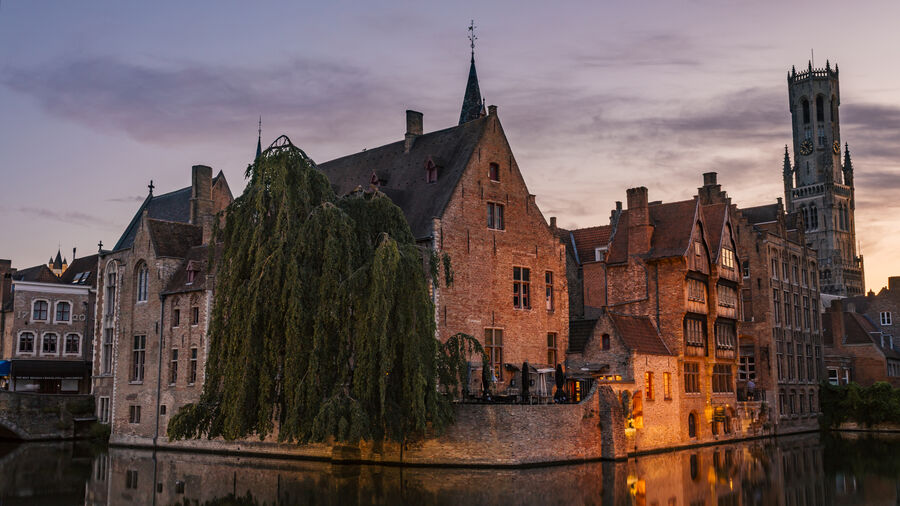
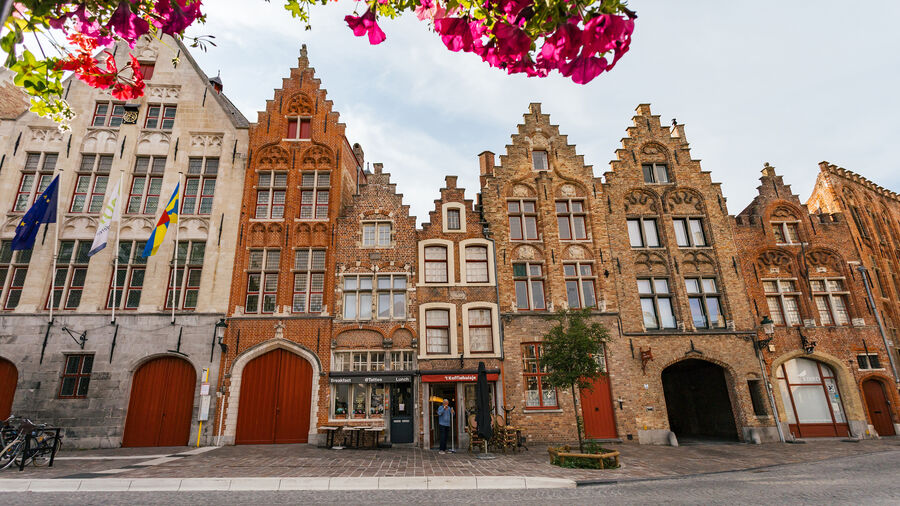
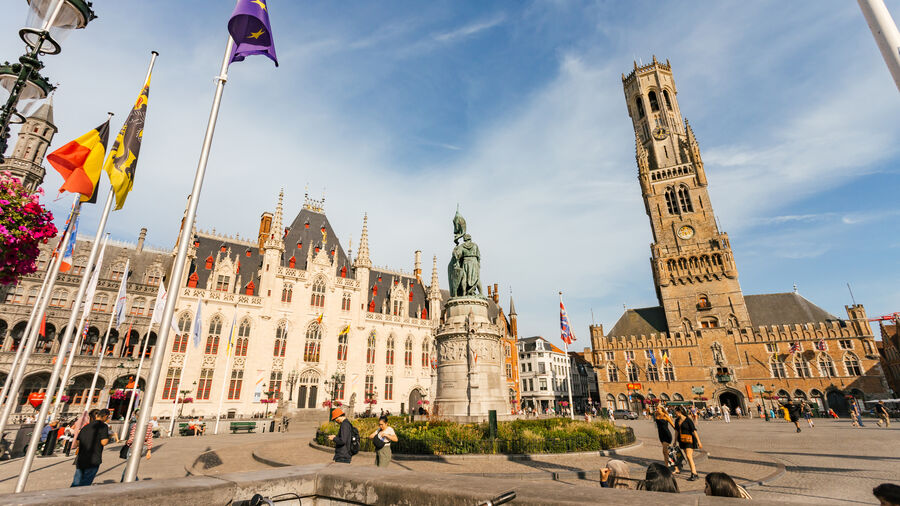
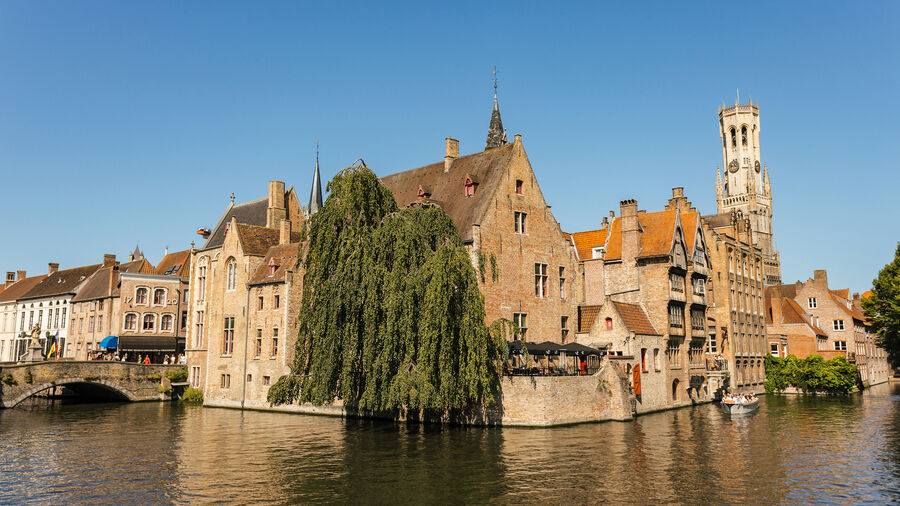
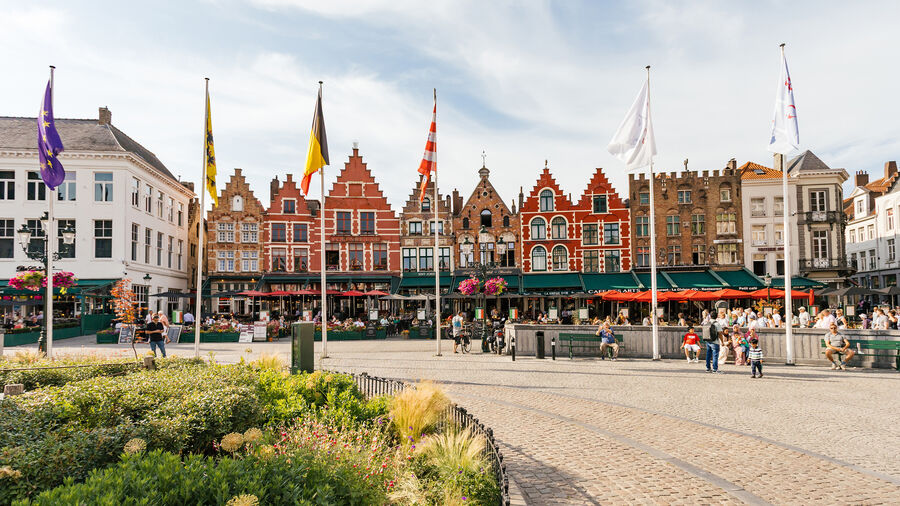
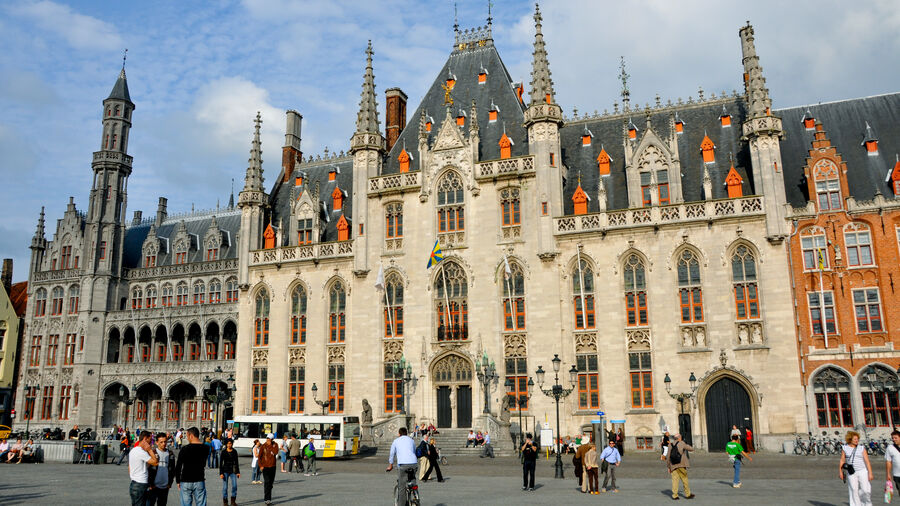
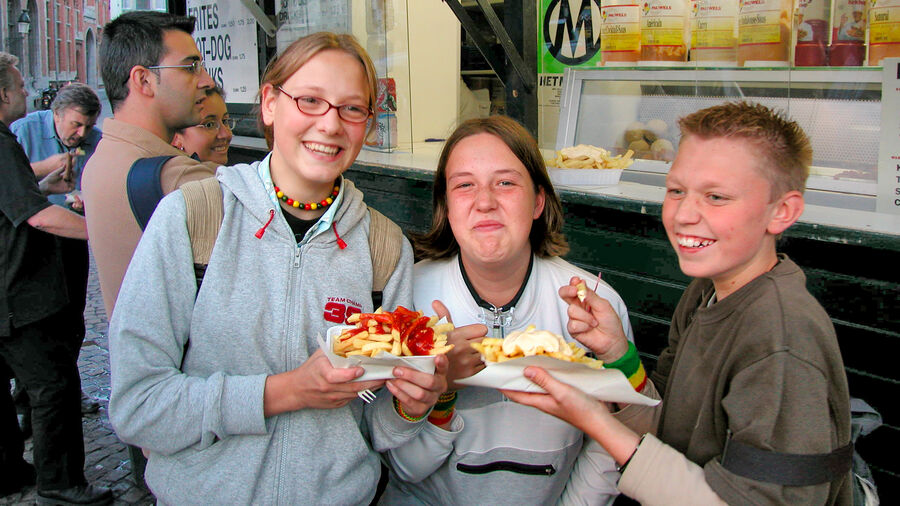
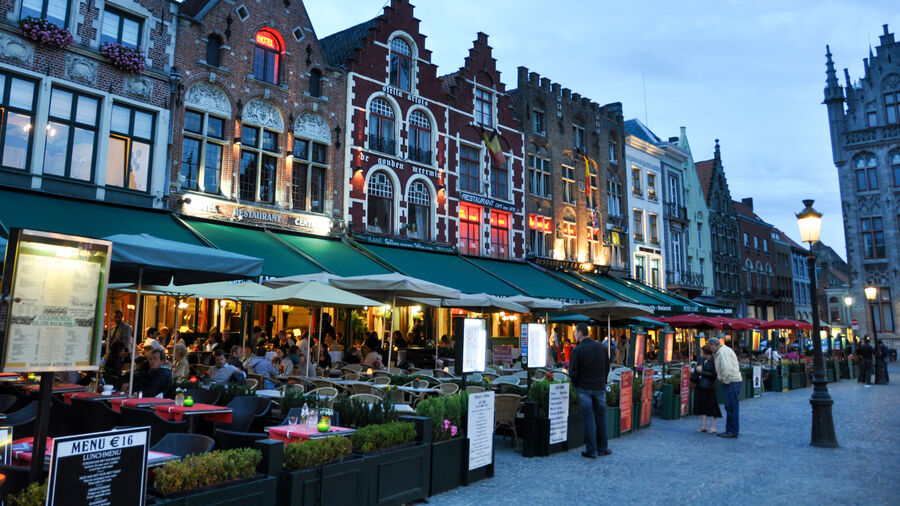
Bruges' Market Square, ringed by great old gabled buildings and crowned by the belfry, is the colorful heart of the city. Under the belfry are two great Belgian French-fry stands and a quadralingual Braille description and a metal model of the tower.

This bell tower has towered over Market Square since 1300. Climb 366 steps to survey the town. Just before the top, peek into the carillon room. On the quarter hour, the 47 bells are played mechanically with the giant barrel and movable tabs. For concerts, a carillonist plays the manual keyboard with fists and feet rather than fingers. Be there on the quarter hour when things ring. The bellissimo goes fortissimo at the top of the hour.

Within a block or three, you'll find a day's worth of sights. The Basilica of the Holy Blood is famous for its relic of the blood of Christ, which, according to tradition, was brought to Bruges in 1150 after the Second Crusade. The City Hall has the oldest and most sumptuous Gothic hall in the Low Countries. The Gruuthuse Museum, a wealthy brewer's home, is filled with a sprawling smattering of everything from medieval bedpans to a guillotine.

The Church of Our Lady, standing as a memorial to the power and wealth of Bruges in its heyday, has a delicate Madonna and Child by Michelangelo, said to be the only statue of his to leave Italy in his lifetime (bought with money made from Bruges' lucrative cloth trade). The medieval St. John's Hospital, now the Memling Museum, has six much-loved paintings by the greatest of the Flemish Primitives, Hans Memling.

Yadda, yadda, yadda ...Michelangelo, the blood of Christ, leaning bell towers, and guillotines. You'd expect any medieval powerhouse to show off trinkets from its glory days. Bruges has fun experiences, too.

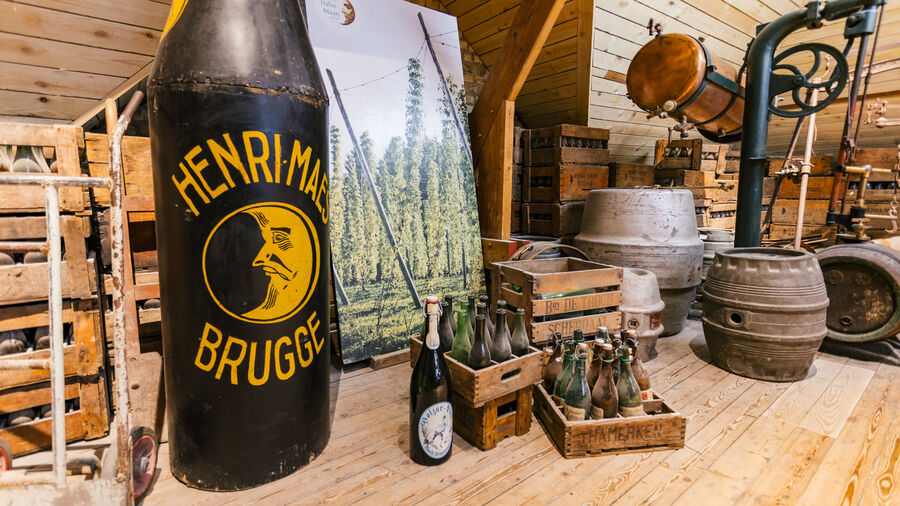
The De Halve Maan Brewery tour is a handy way to pay your respects to perhaps the favorite local beer. The happy gang at this working family brewery gives entertaining and informative 45-minute, three-language tours. At De Halve Maan (The Half Moon), they remind their drinkers: "The components of the beer are vitally necessary and contribute to a well-balanced life pattern. Nerves, muscles, visual sentience, and a healthy skin are stimulated by these in a positive manner. For longevity and lifelong equilibrium, drink De Halve Maan beer in moderation!"

Belgians are Europe's beer experts, and this country boasts more than 350 types of beer. Duvel (meaning "devil"), a potent local brew, is even to a Bud Lite kind of guy an obviously great beer. Trappist is the dark monk-made beer, and Dentergems is a white beer made with coriander and orange peel. Those who don't drink beer enjoy the cherry-flavored Kriek and strawberry-flavored Frambozen. Each beer is served in its own unique glass.

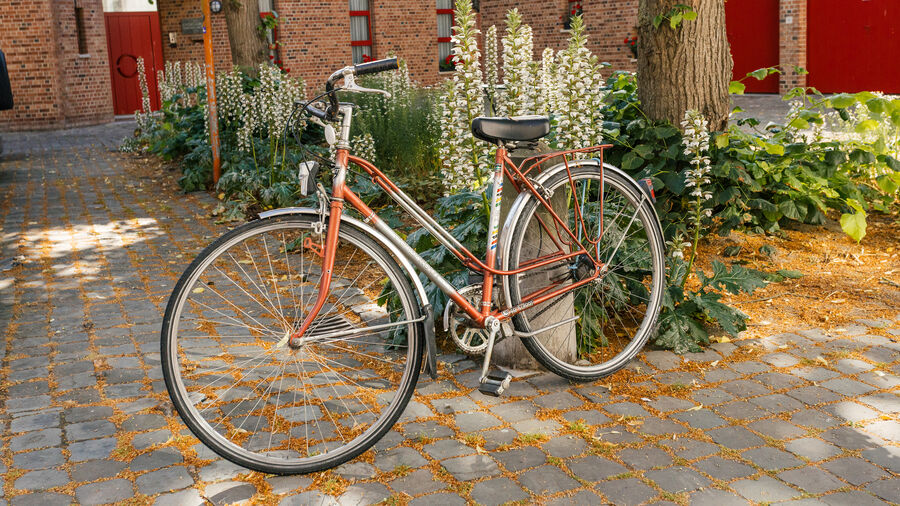
Walk off your beer buzz with a stroll through the Begijnhof (buh-HINE-hof). For reasons of war and testosterone, there were more women than men in the medieval Low Countries. The order of Beguines offered women (often single or widowed) a dignified place to live and work. When the order died out, many Begijnhofs were taken over by towns for subsidized housing, but some, like this one, became homes for nuns. You'll find Begijnhofs all over Belgium and the Netherlands. Bruges' Begijnhof almost makes you want to don a habit and fold your hands as you walk under its wispy trees and whisper past its frugal little homes.

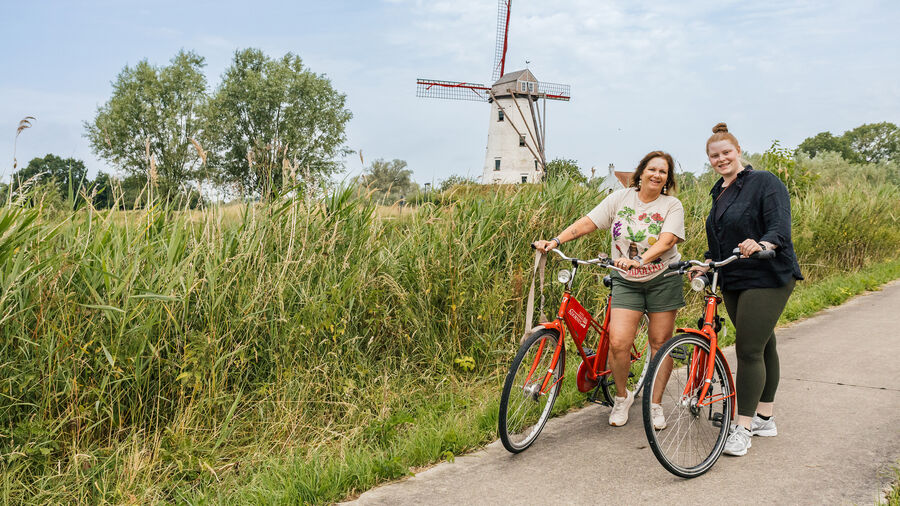
For more peace, wander back in time to Bruges' four windmills, strung out along a pleasant grassy canalside park. Joust with a windmill or just have a picnic.

Every once in a while as you travel, you stumble onto a town that somehow missed the 21st-century bus. Ironically, many of these wonderfully preserved towns are so full of Old World charm because, for various reasons, their economies failed. The towns became so poor that no one even bothered to tear them down to build more modern towns. England's Cotswolds lost their export market. Toledo was abandoned as Spain's capital. Stranded-in-the-past Dutch fishing islands were left high and dry as the sea around them was dammed. And Bruges' harbor silted up.

Today, while some of these towns slumber on, many — like Bruges — enjoy a renewed prosperity as "tourist dreams come true."