

-
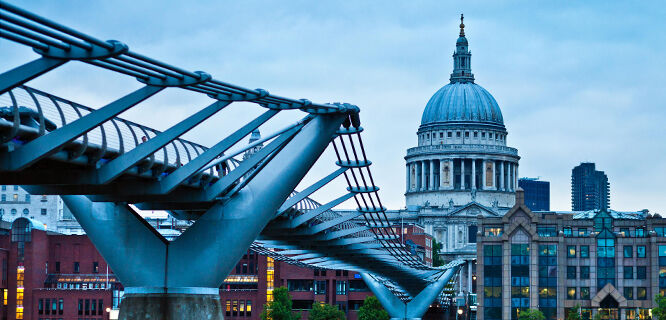
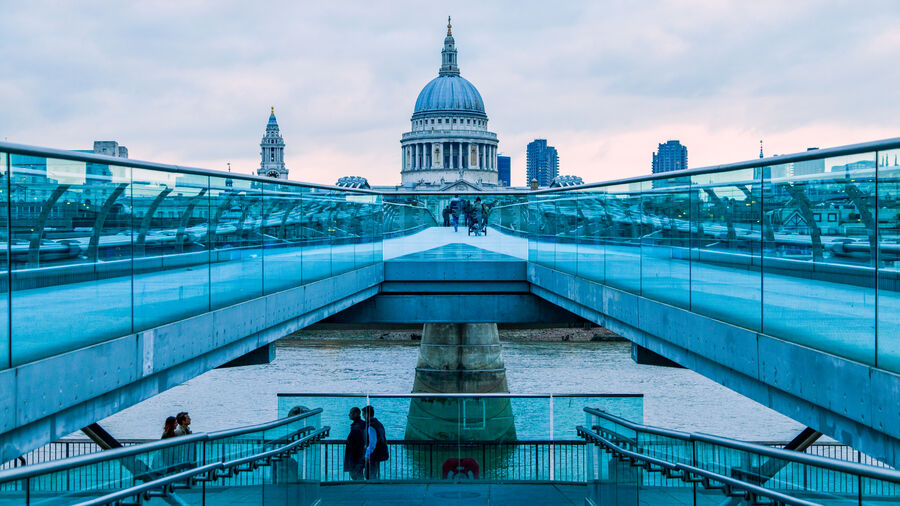
Millennium Bridge and St. Paul's Cathedral, London
London
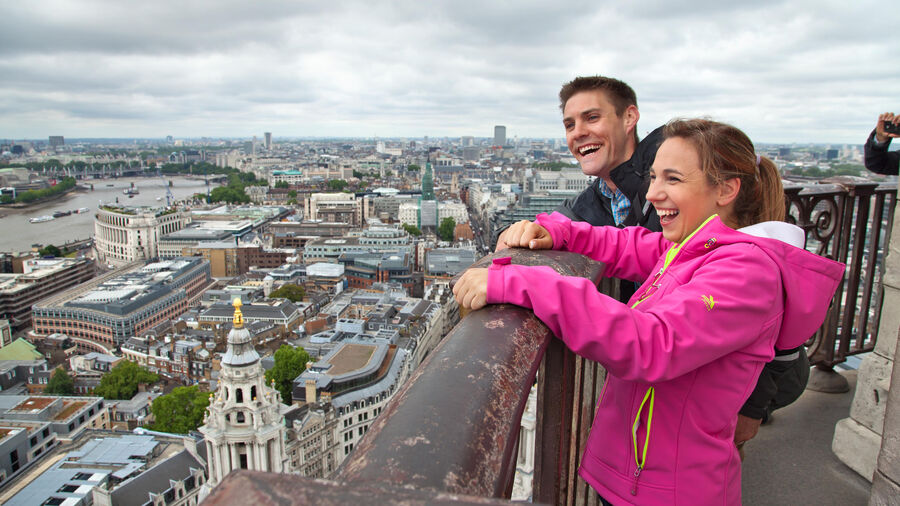
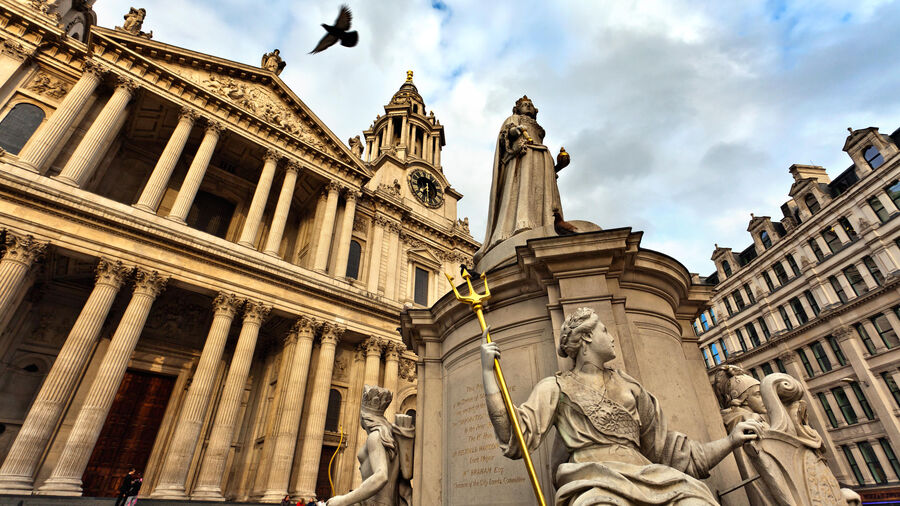
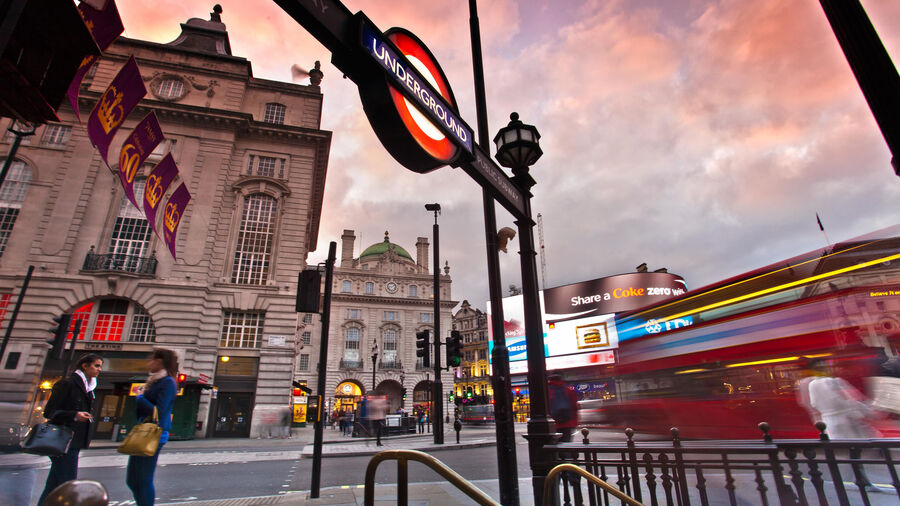
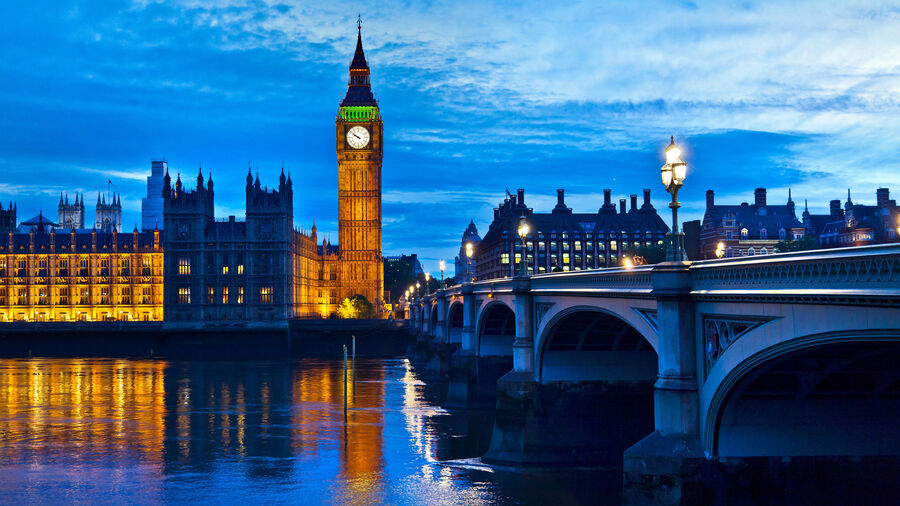
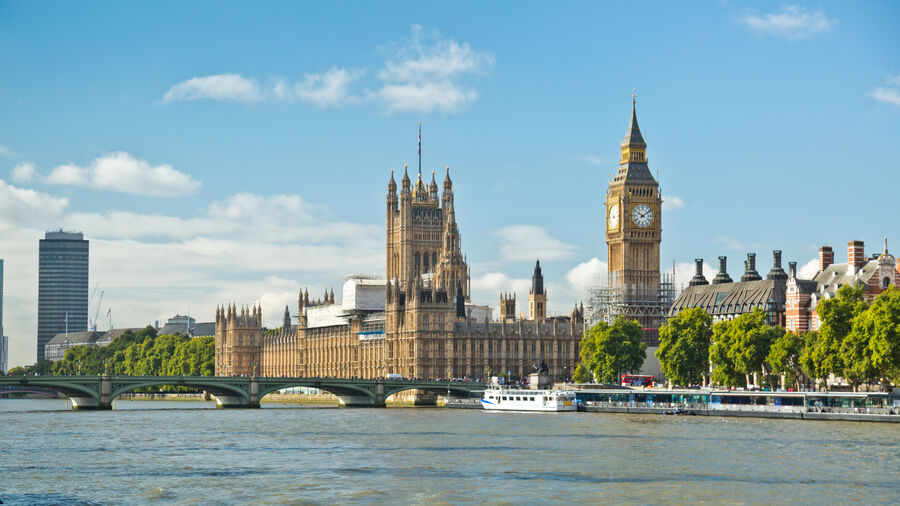
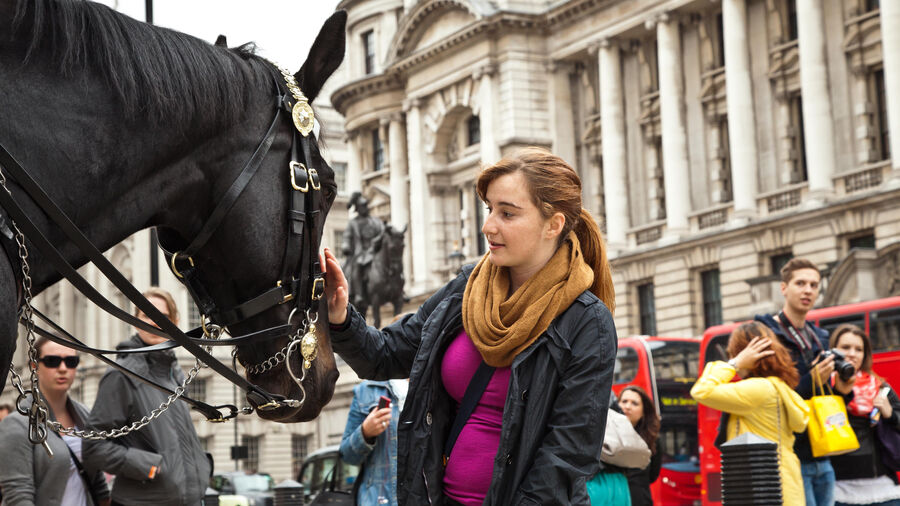
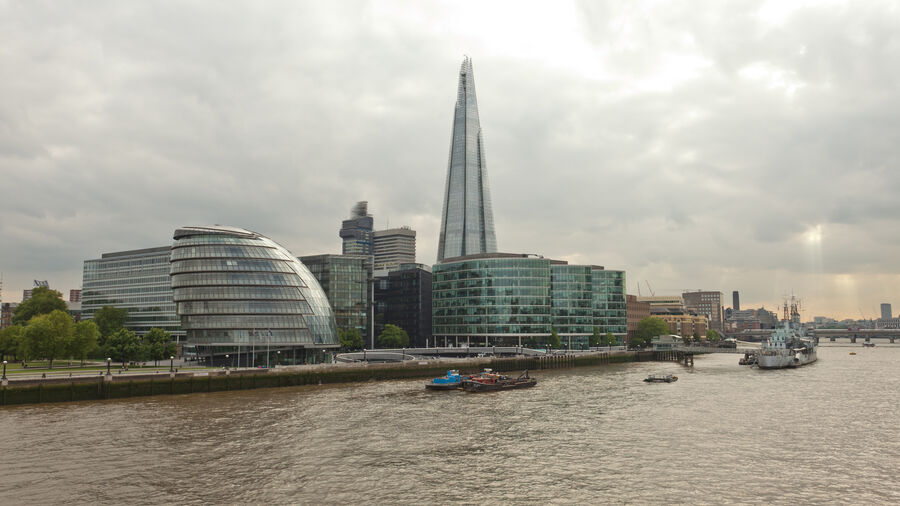
London is the LA, DC, and NYC of Britain — a living, breathing, thriving organism…a coral reef of humanity. Blow through the city on a double-decker bus, and take a pinch-me-I'm-in-London walk through the West End. Ogle the crown jewels at the Tower of London, hear the chimes of Big Ben, and see the Houses of Parliament in action. Cruise the River Thames, and take a spin on the London Eye. Hobnob with poets' tombstones in Westminster Abbey, visit with Leonardo, Botticelli, and Rembrandt in the National Gallery. Enjoy Shakespeare in a replica of the Globe Theatre and marvel at a glitzy, bombastic musical at a West End theater. Whisper across the dome of St. Paul's Cathedral, then rummage through our civilization's attic at the British Museum.
At a Glance
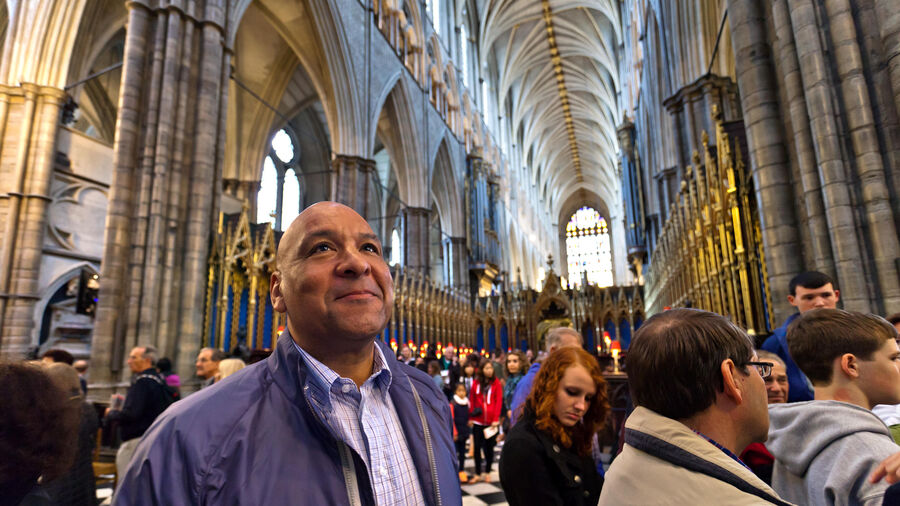
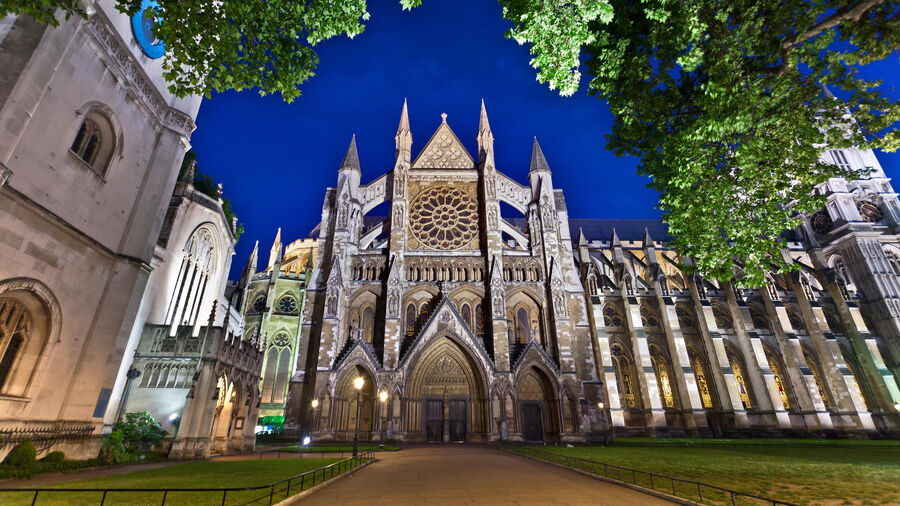
▲▲▲ Westminster Abbey Britain's finest church and the site of royal coronations and burials since 1066.
▲▲▲ Churchill War Rooms Underground WWII headquarters of Churchill's war effort.
▲▲▲ National Gallery Remarkable collection of European paintings (1250–1900), including Leonardo, Botticelli, Velázquez, Rembrandt, Turner, Van Gogh, and the Impressionists.
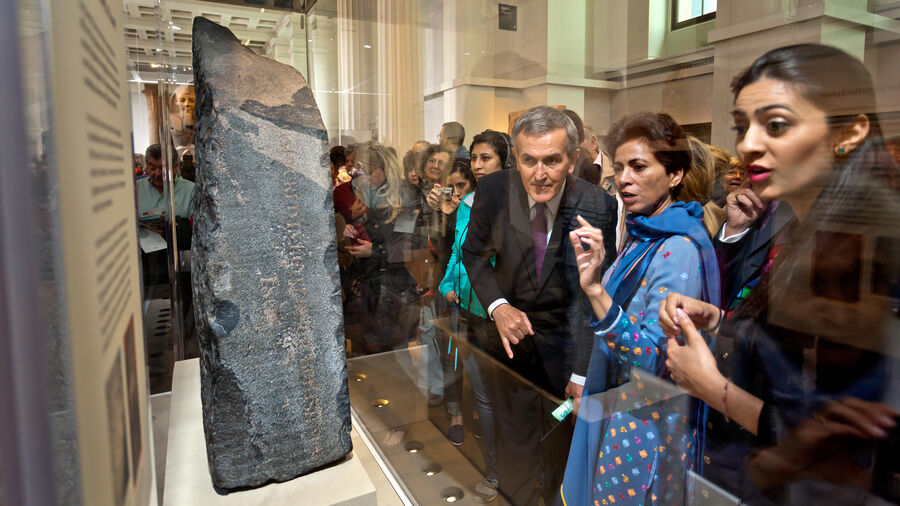
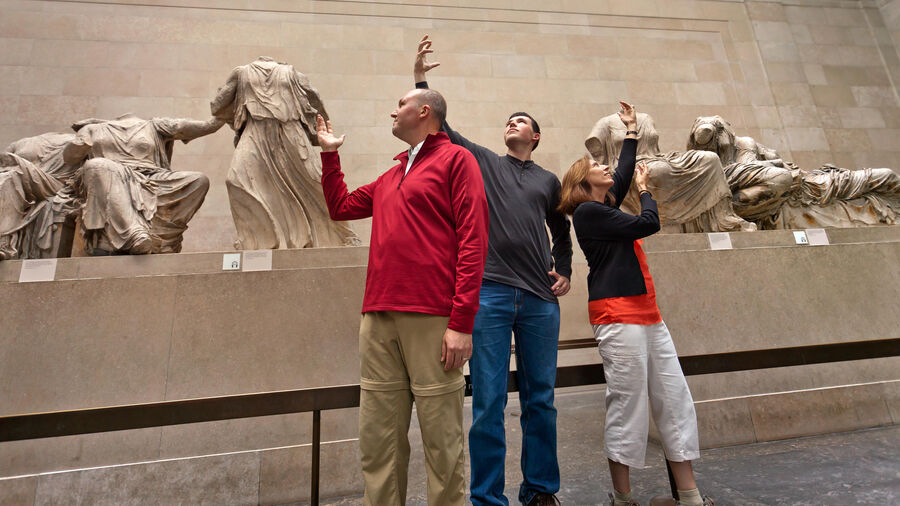
▲▲▲ British Museum The world's greatest collection of artifacts of Western civilization, including the Rosetta Stone and the Parthenon's Elgin Marbles.
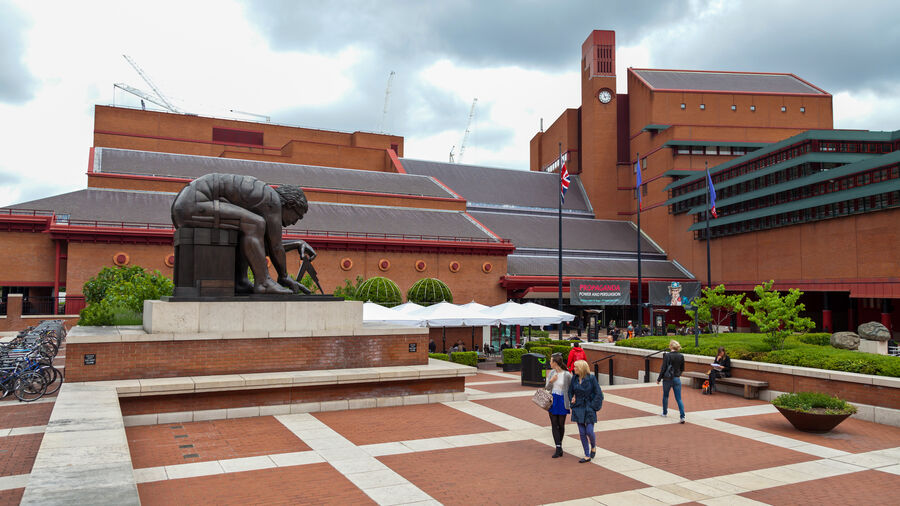
▲▲▲ British Library Fascinating collection of the most important literary treasures of the Western world.
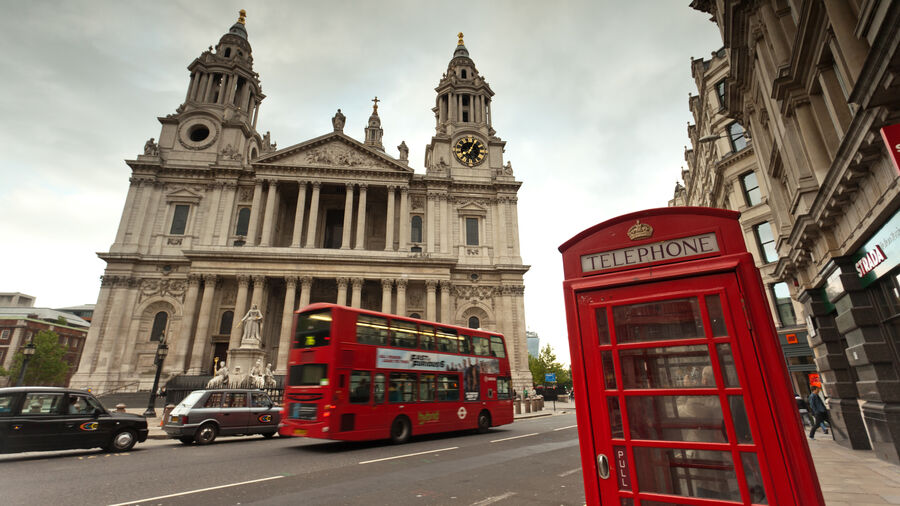
▲▲▲ St. Paul's Cathedral The main cathedral of the Anglican Church, designed by Christopher Wren, with a climbable dome and daily evensong services.
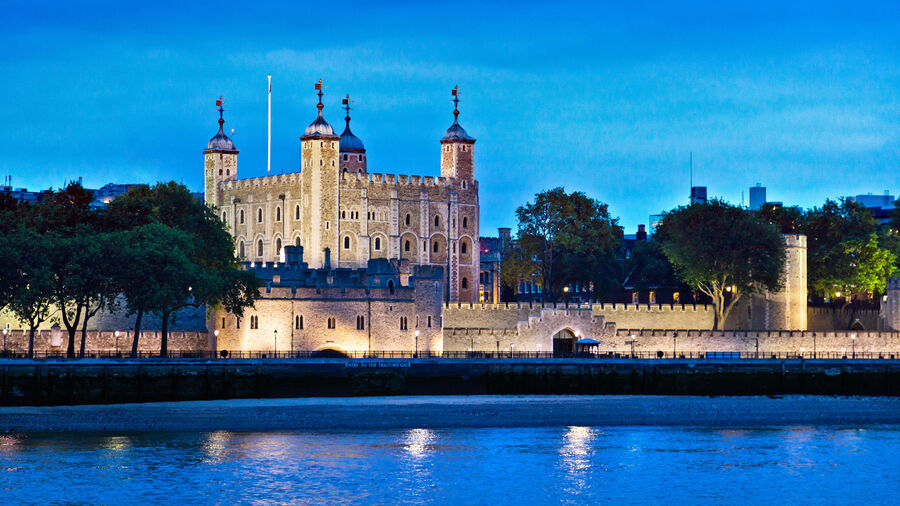
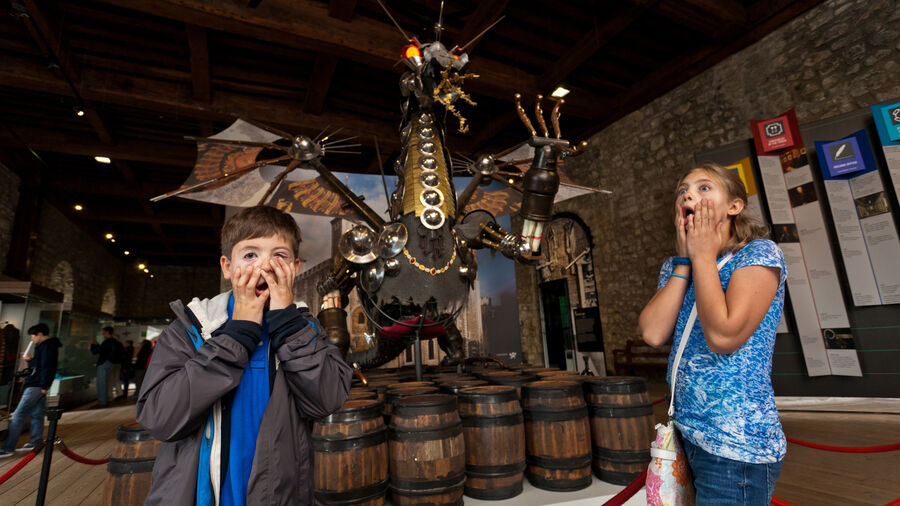
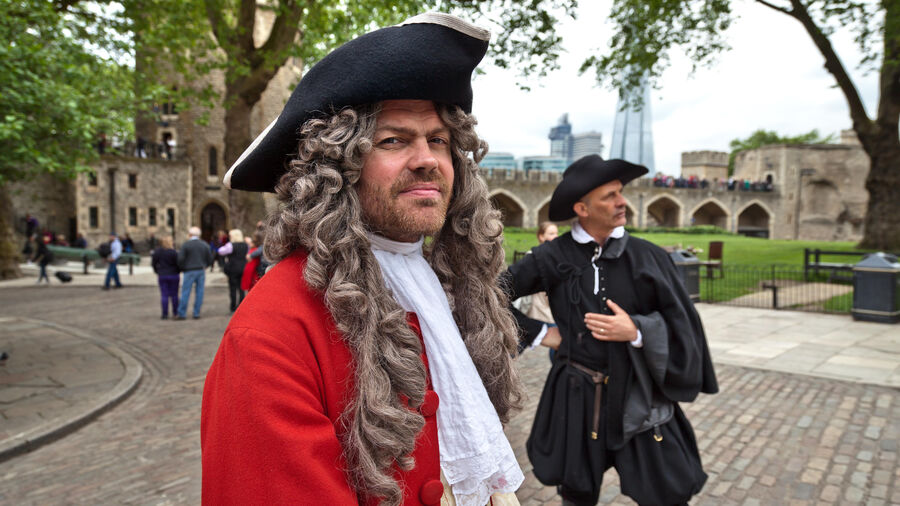
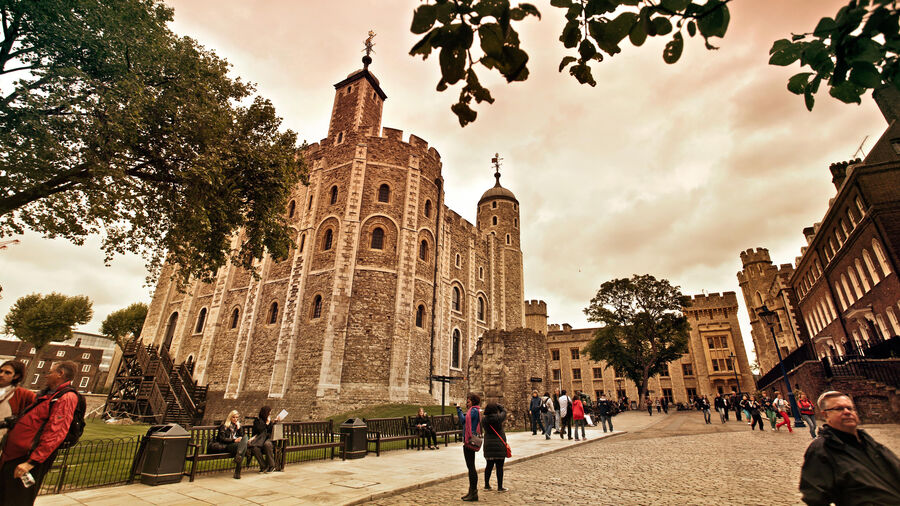
▲▲▲ Tower of London Historic castle, palace, and prison housing the crown jewels and a witty band of Beefeaters.
▲▲▲ Victoria and Albert Museum The best collection of decorative arts anywhere.
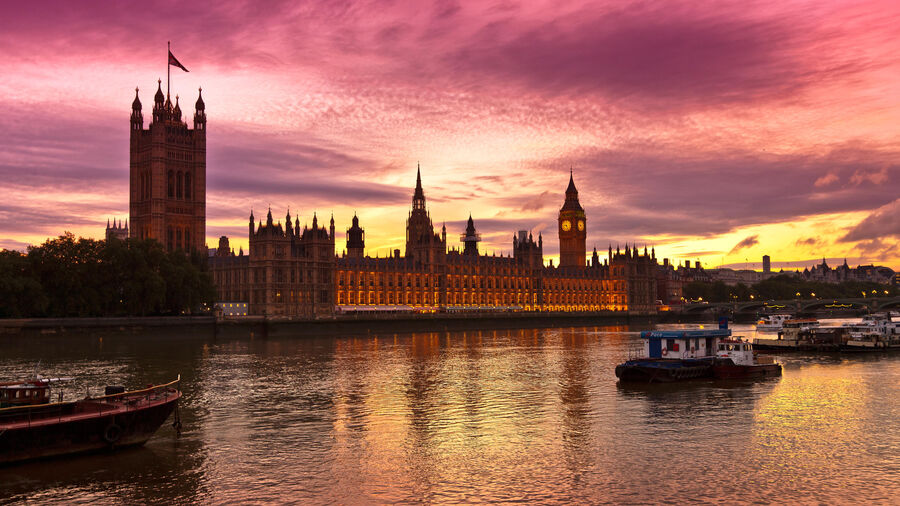
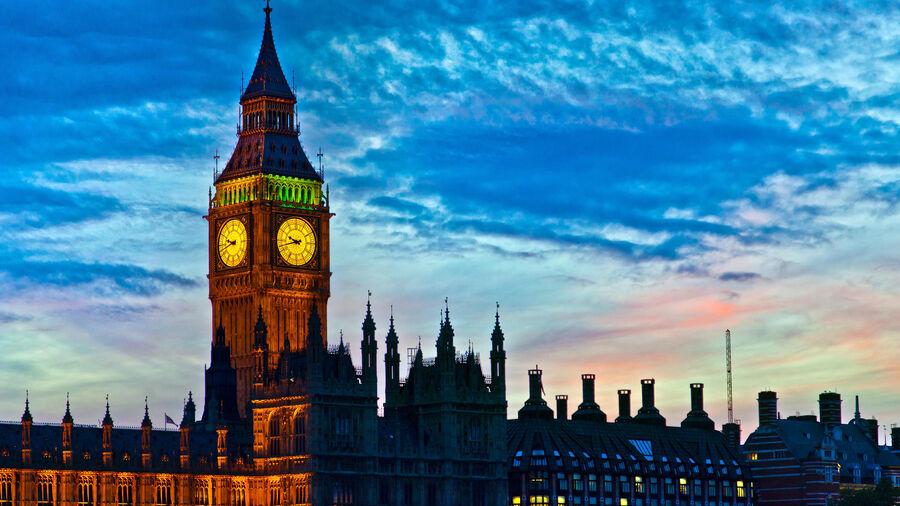
▲▲ Houses of Parliament London's Neo-Gothic landmark, famous for Big Ben and occupied by the Houses of Lords and Commons.
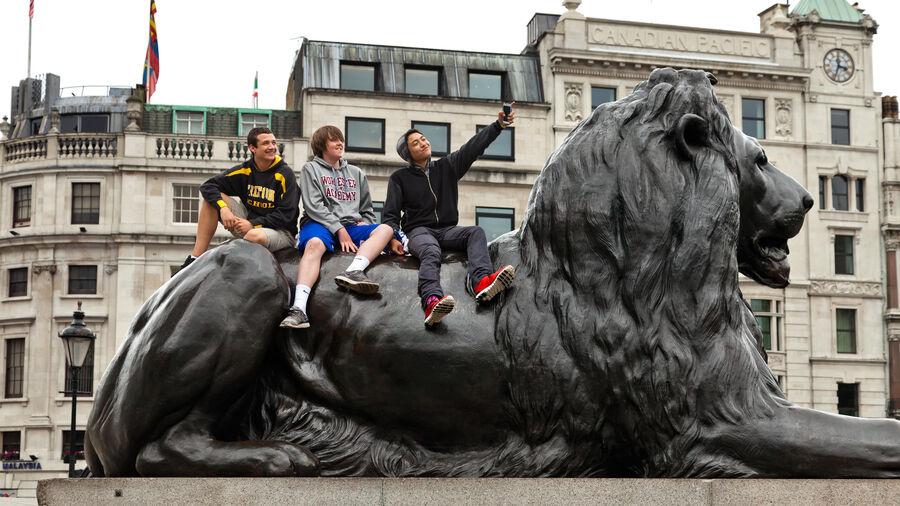
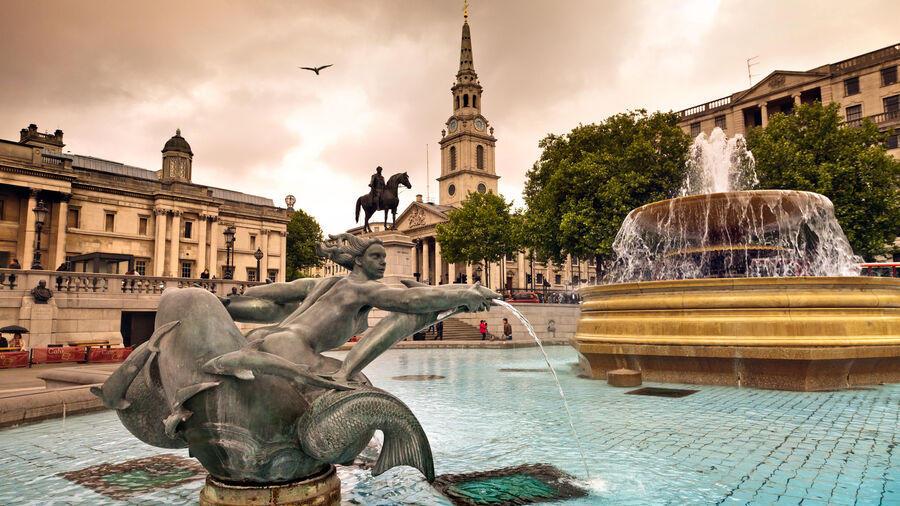
▲▲ Trafalgar Square The heart of London, where Westminster, The City, and the West End meet.
▲▲ National Portrait Gallery A Who's Who of British history, featuring portraits of this nation's most important historical figures.
▲▲ Covent Garden Vibrant people-watching zone with shops, cafés, street musicians, and an iron-and-glass arcade that once hosted a produce market.
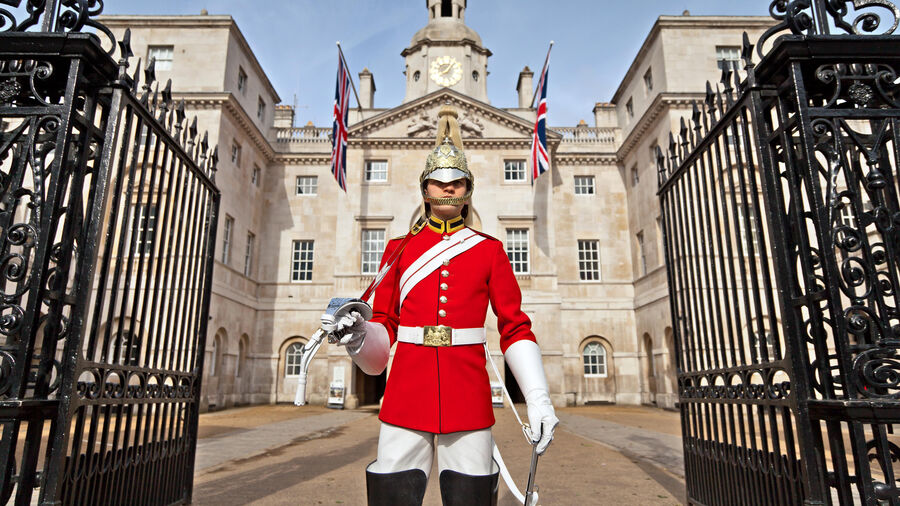
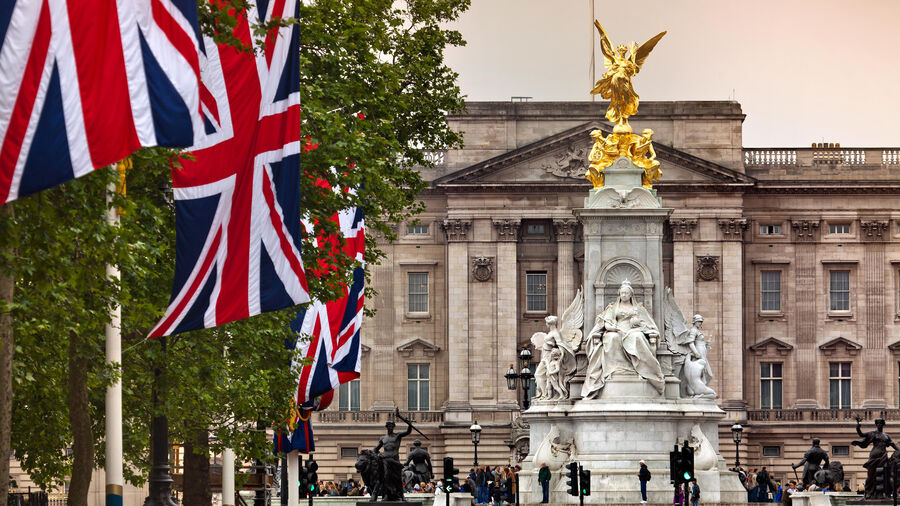
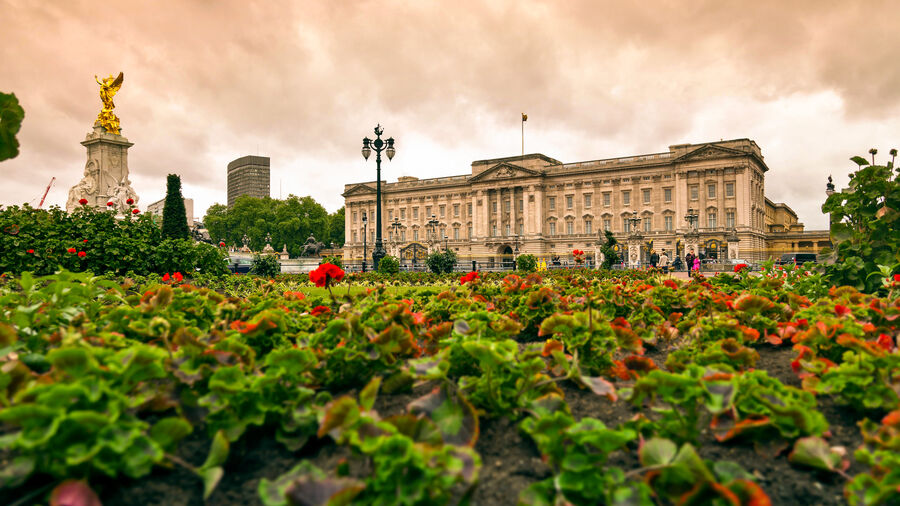
▲▲ Changing of the Guard at Buckingham Palace Hour-long spectacle at Britain's royal residence.
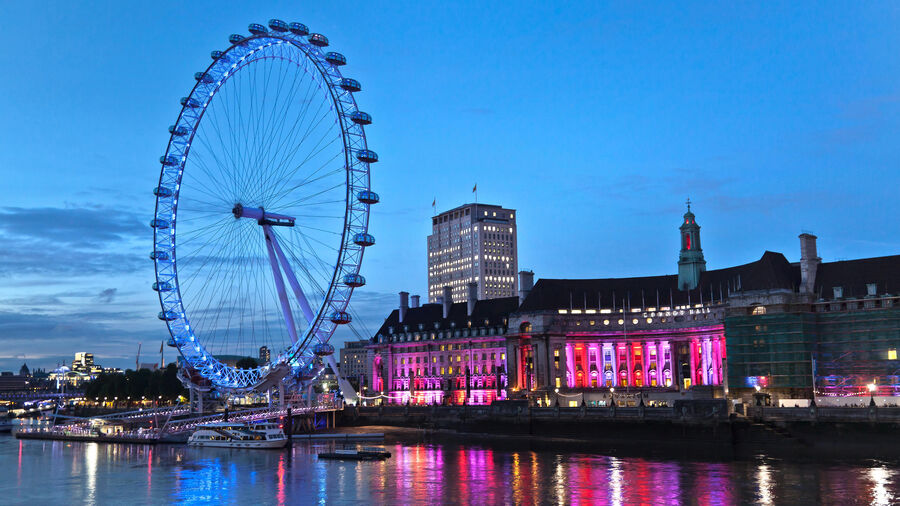
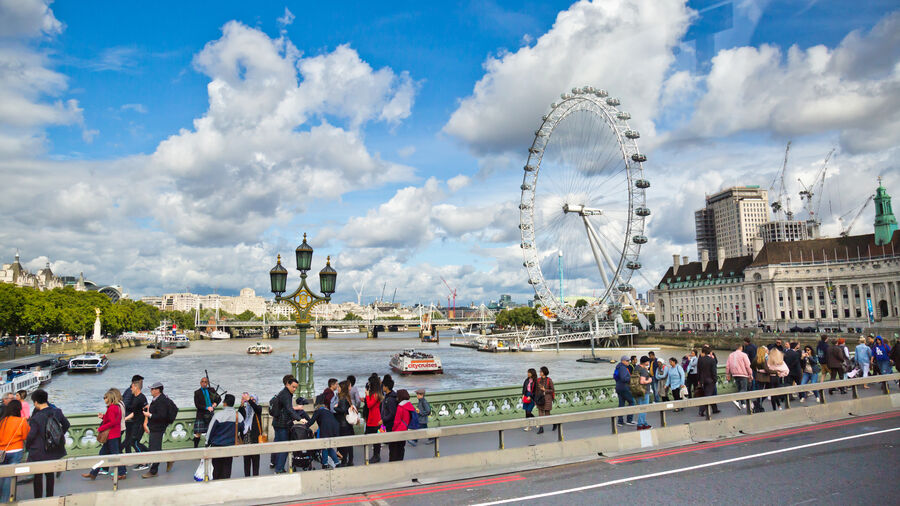
▲▲ London Eye Enormous observation wheel, dominating — and offering commanding views over — London's skyline.
▲▲ Imperial War Museum Exhibits examining the military conflicts from the early 20th century to today.
▲▲ Tate Modern Powerhouse collection of modern and contemporary artwork installed in a repurposed powerhouse on the Thames.
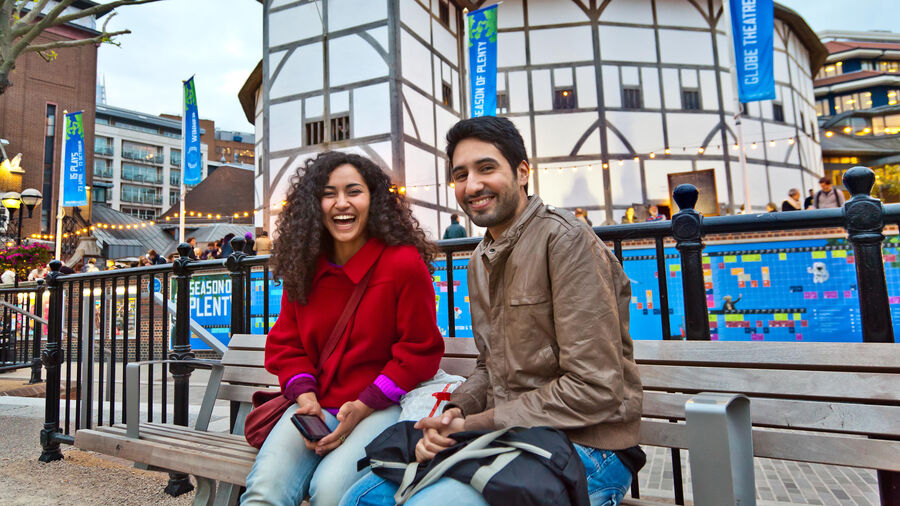
▲▲ Shakespeare's Globe Timbered, thatched-roofed reconstruction of the Bard's original "wooden O."
▲▲ Tate Britain Collection of British painting from the 16th century through modern times, including works by Blake, the Pre-Raphaelites, and Turner.
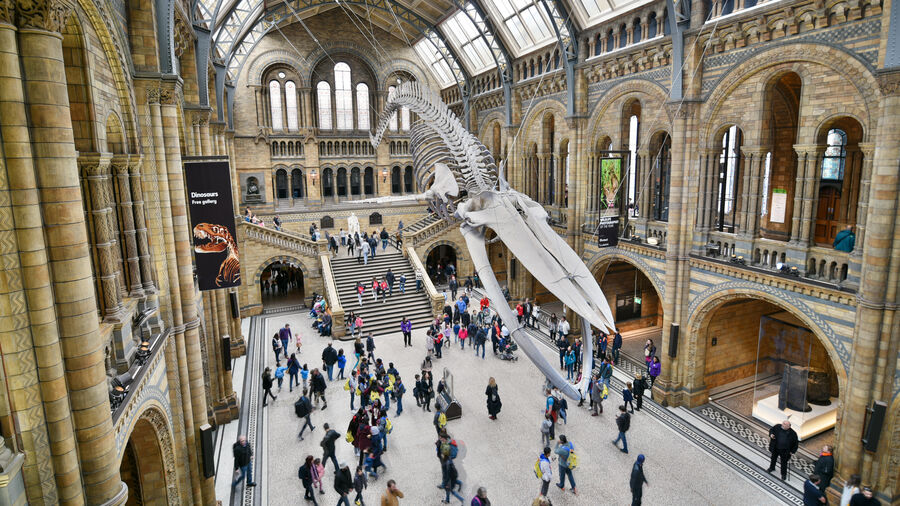
▲▲ Natural History Museum A Darwinian delight, packed with stuffed creatures, engaging exhibits, and enthralled kids.
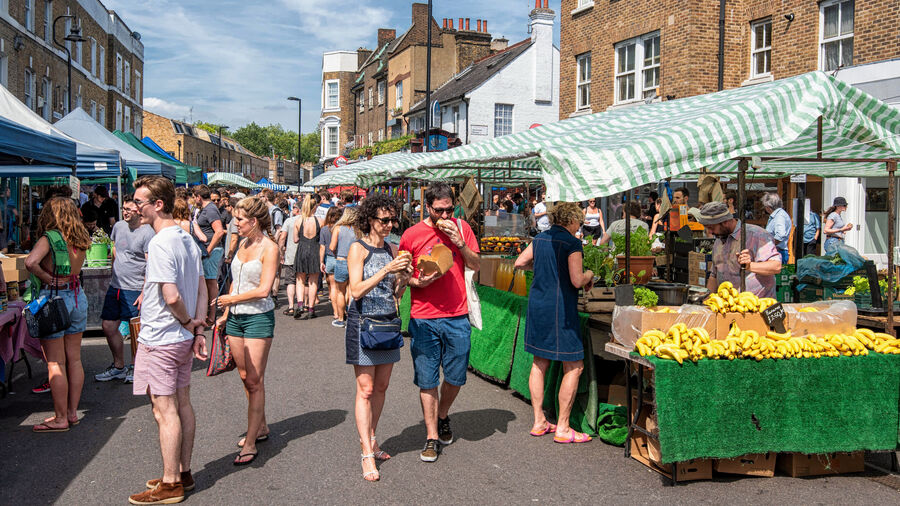
▲▲ Greenwich Seafaring borough just east of the city center, with Cutty Sark tea clipper, Royal Observatory, other maritime sights, and a pleasant market.
▲▲ Kew Gardens Greenhouses, an arboretum, and many gardens hosting diverse plants from around the world.
▲▲ Hampton Court Palace The opulent digs of Henry VIII.
Plan
Photos













Watch
- Best of London
- Christmas in London (clip)
- London’s Victoria and Albert Museum (clip)
- London’s Whitehall Street and Churchill War Rooms (clip)
- London: Thames to the Tower (clip)
- London: The City and St. Paul’s Cathedral (clip)
- Travel Talks: England & Wales
- Treasures of the British Museum (clip)
- Westminster Abbey (clip)
Read
- Beachcombing in London
- Booking It Through Europe: Top Literary Stops
- Budget Tips for Enjoying London
- Celebrating a Happy Christmas in England
- Child’s Play in Europe
- Comfort and Company in Europe’s Cafés and Pubs
- Europe’s Best Border-Busting Day Trips
- Europe’s Time-Tested Traditions: Four Favorites
- Evenings in London: Something for Everyone
- In Britain, the Kids Are Alright
- Inside Westminster Abbey, the Religious Heart of England
- Kidding Around London and Paris
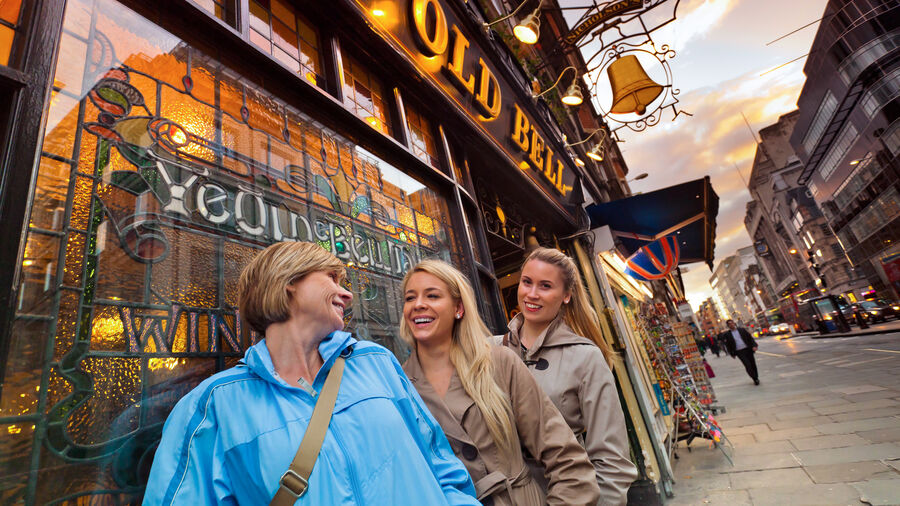
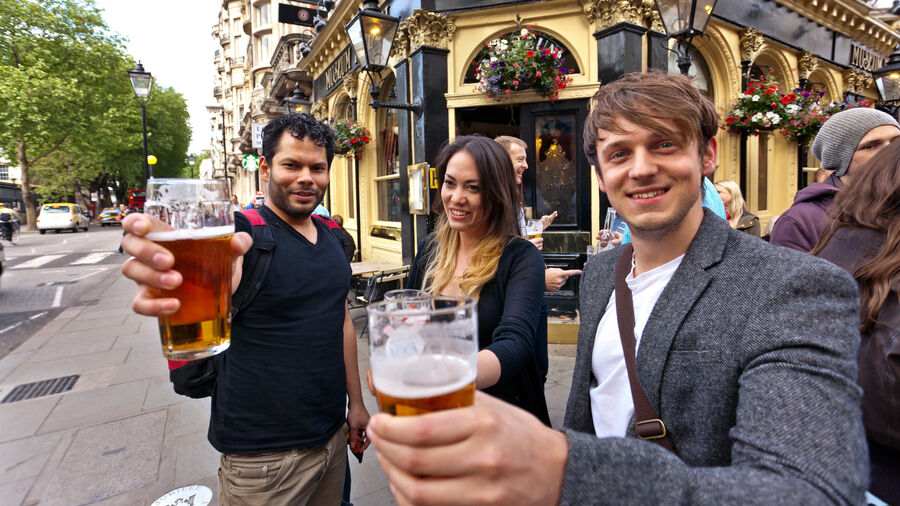
- London: Britain’s Pub Hub
- London Looks East to the Future
- Open Doors to the Past: Visiting Europe’s Time-Warp Homes
- Park Picks: Favorite Green Getaways in Paris, London, and Barcelona
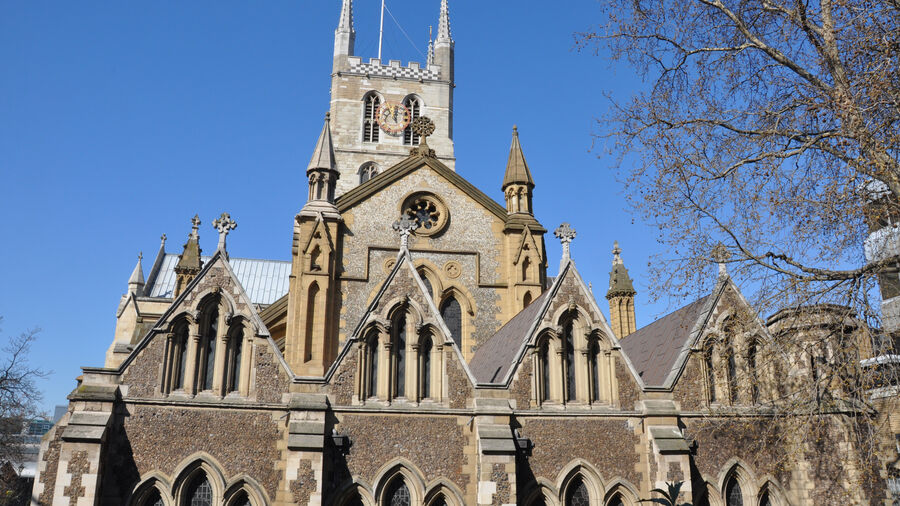
- Southwark Sights: Offbeat Stops Along London’s South Bank
- Taming London in a Week
- Top Sights Where ‘Harry Potter’ Was Filmed
- Visiting Europe’s Great Libraries
- War Rooms: Europe’s Military Museums
- Winter in London: Chilly Weather, Warm Memories
London
Listen
- Affordable London (29:50)
- Ancient Britain II (18:05)
- Art Appreciation for Travelers (47:06)
- A Week in London (18:47)
- Composer Sites in Europe (11:32)
- Gardens of London (18:32)
- High Tea (16:41)
- James Sherwood's "Discriminating Guide to London" (18:35)
- London Night Out (17:56)
- London on a Budget (11:36)
- London Travel Tips I (29:47)
- London Travel Tips II (47:01)
- Regenerating London (17:22)
- Roman England (11:37)
- Touring the Thames (18:18)
- Trendy East London (14:54)
- TV and Movie Fan's Britain (18:19)
- World War I Travel Sites (18:19)
- WWI Sites in Britain (11:35)
London Audio Tours
- British Museum Tour
Listen or Download | Download map - Historic London: "The City" Walk
Listen or Download | Download map - St. Paul's Cathedral Tour
Listen or Download | Download map - Westminster Walk
Listen or Download | Download map