

-
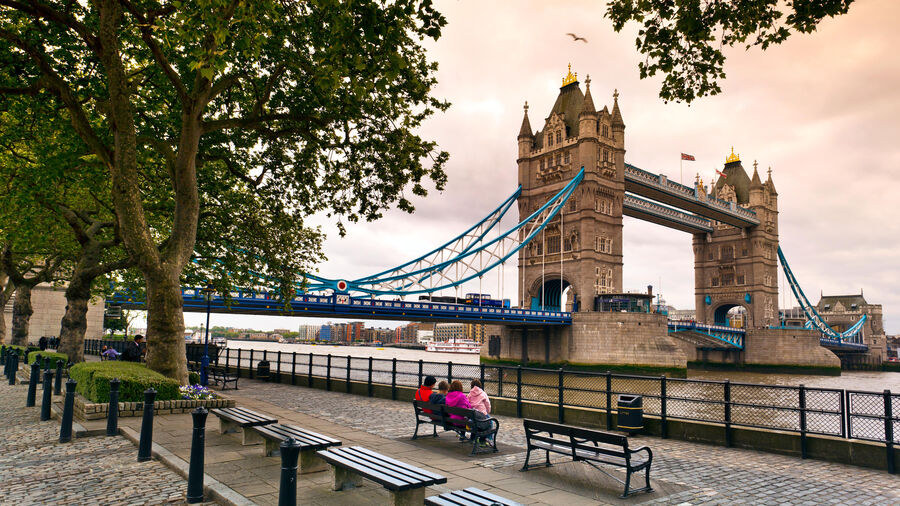
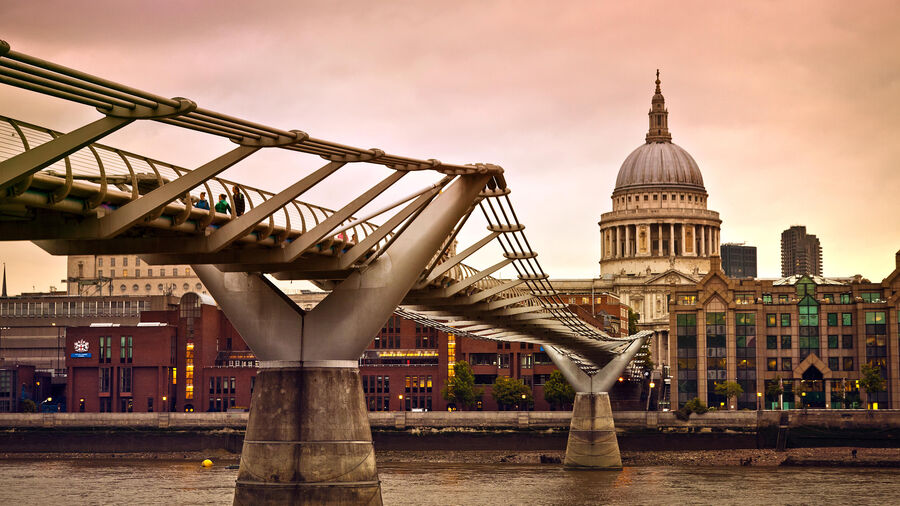
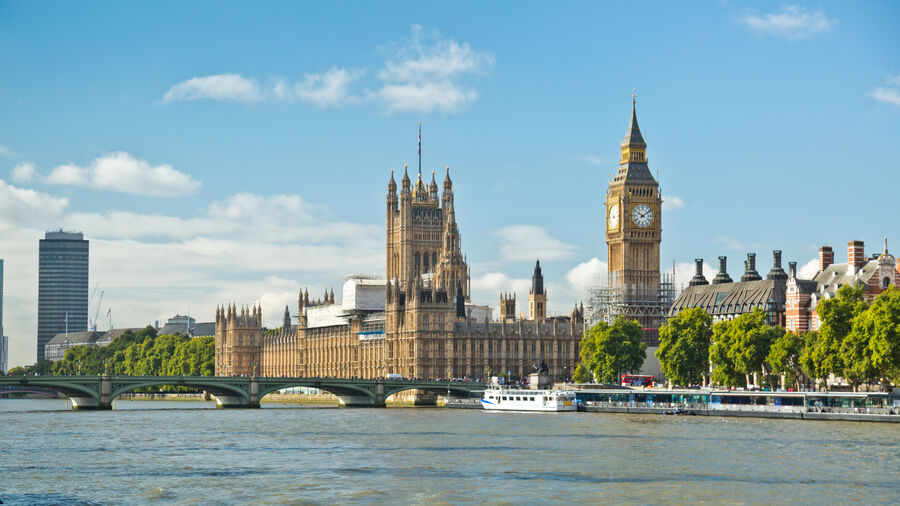
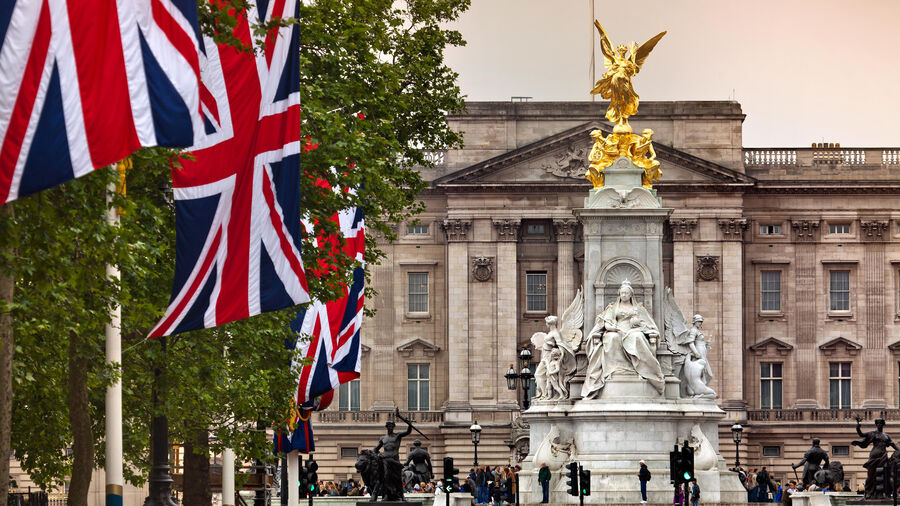
London
England
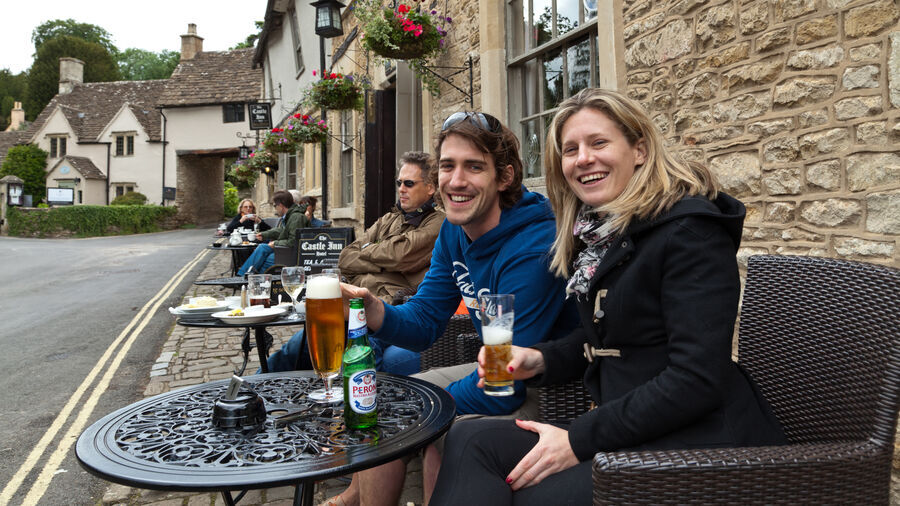
From the grandeur and bustle of London, to the pastoral countryside that inspired Wordsworth, to some of the quaintest towns you'll ever experience, England delights. Stand in a desolate field and ponder an ancient stone circle. Strike up a conversation just to hear the King's English. Bite into a scone smothered with clotted cream, sip a cup of tea, and wave your pinky as if it's a Union Jack.
Places
At a Glance
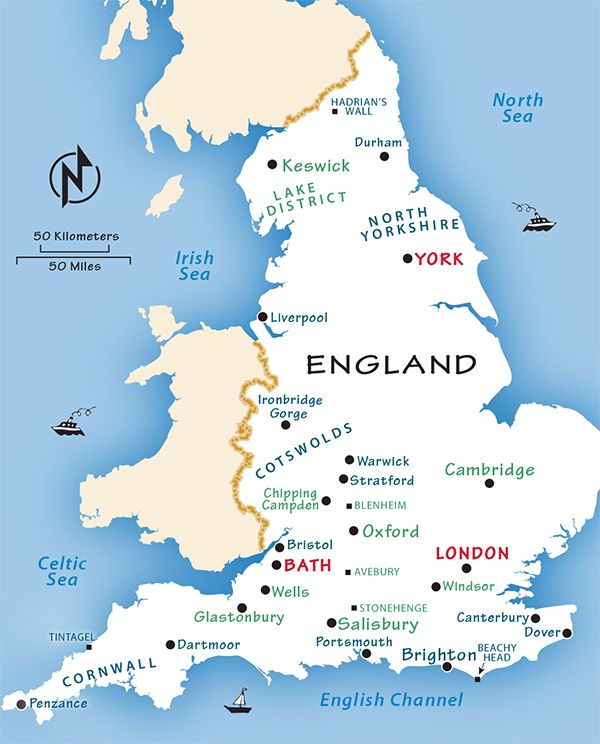
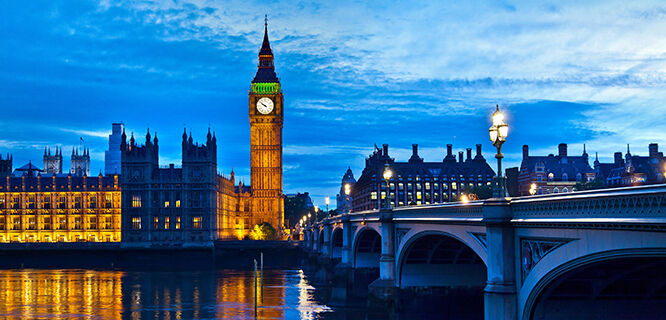
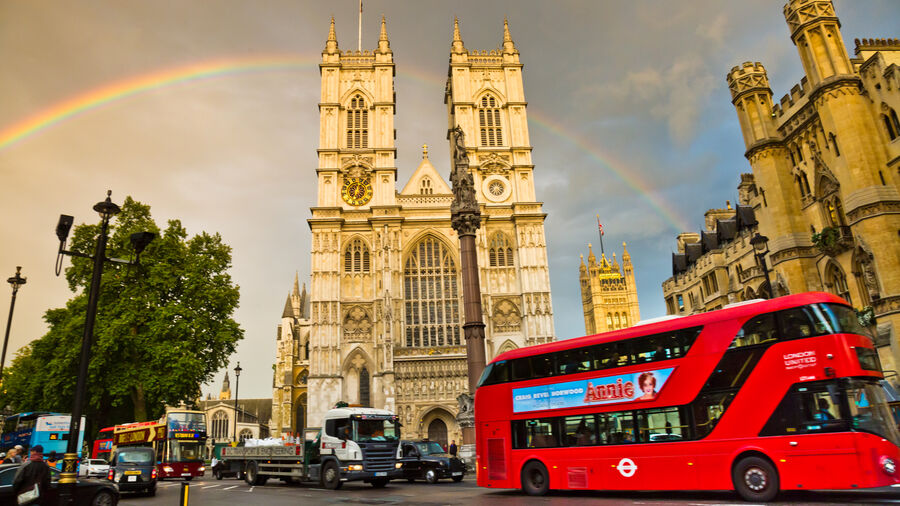
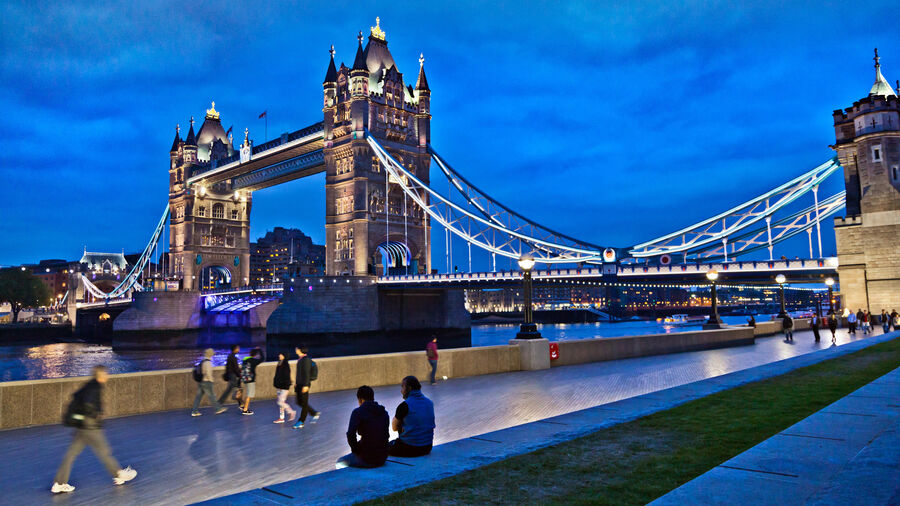
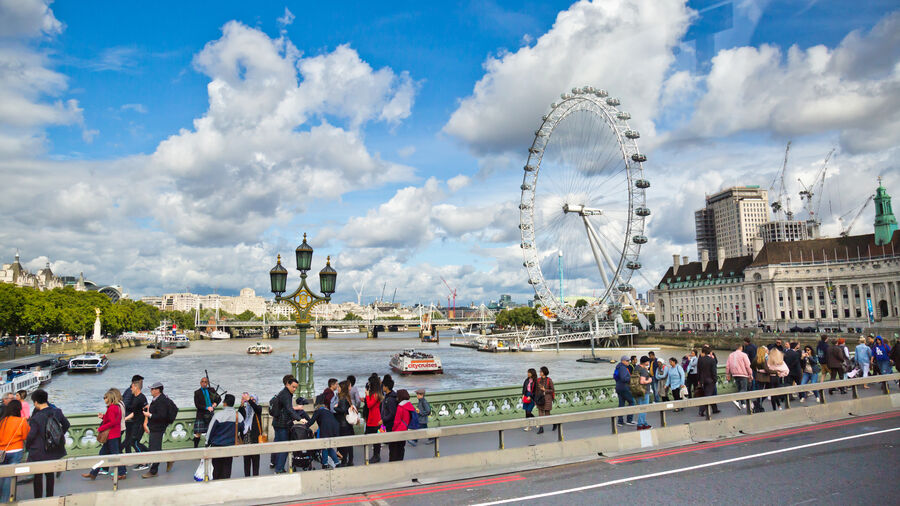
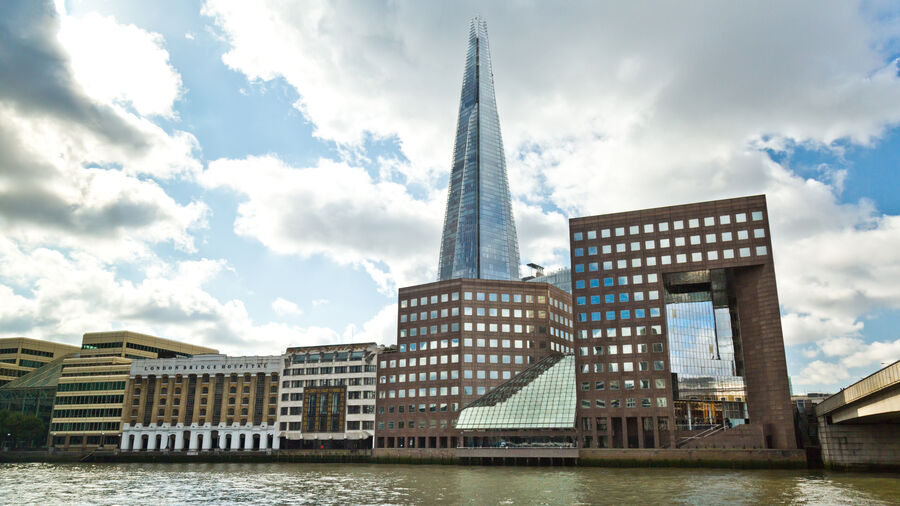
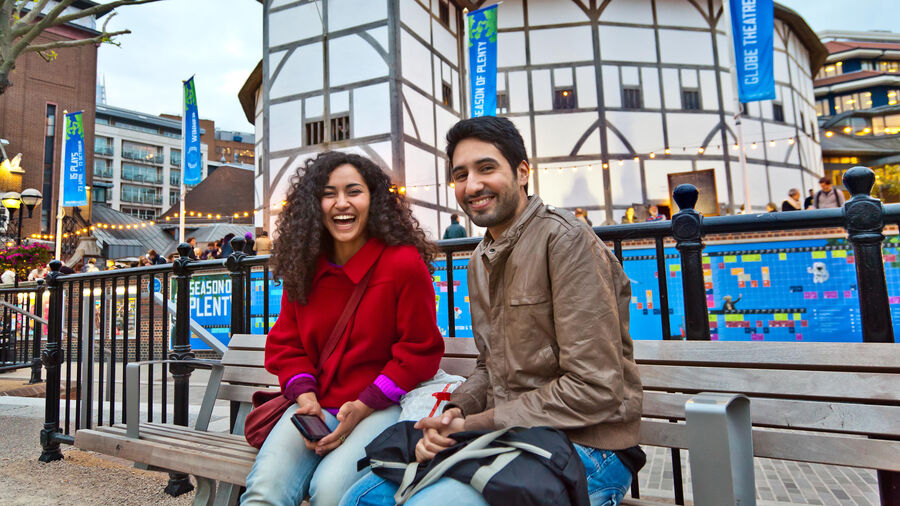
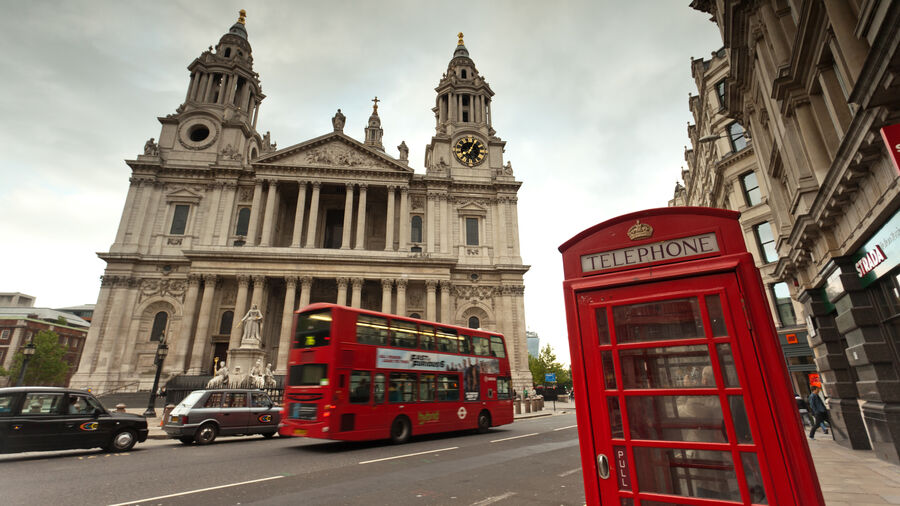
▲▲▲ London Thriving metropolis packed with world-class museums, bustling markets, and cutting-edge architecture. Enjoy the city's cuisine scene, parks, grand squares, palaces, and transit. Live theater takes center stage at night.
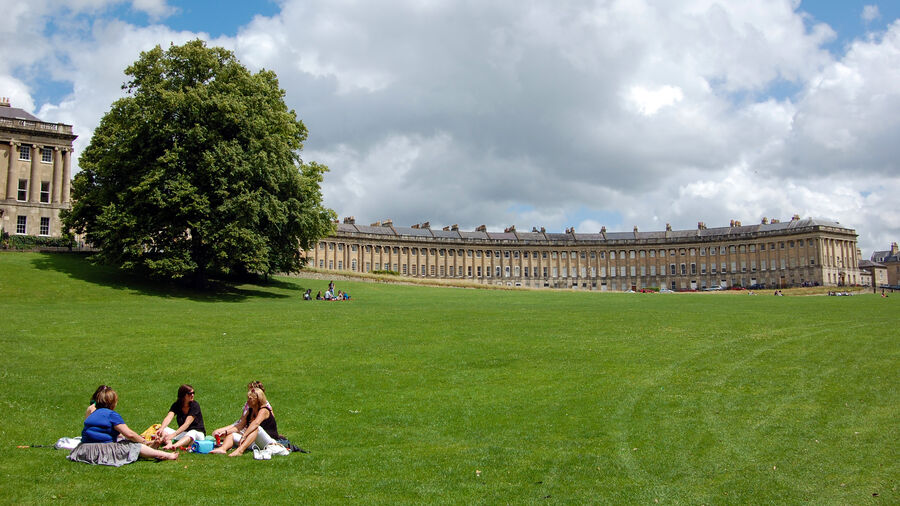
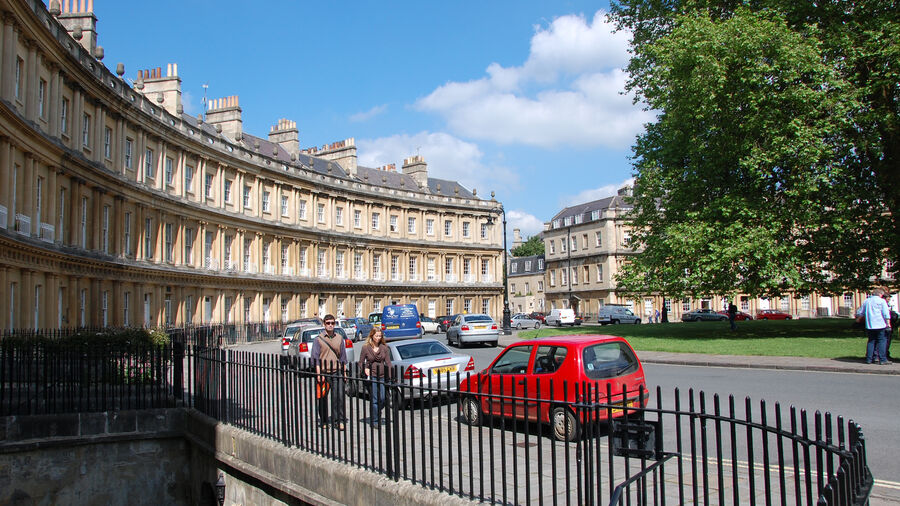
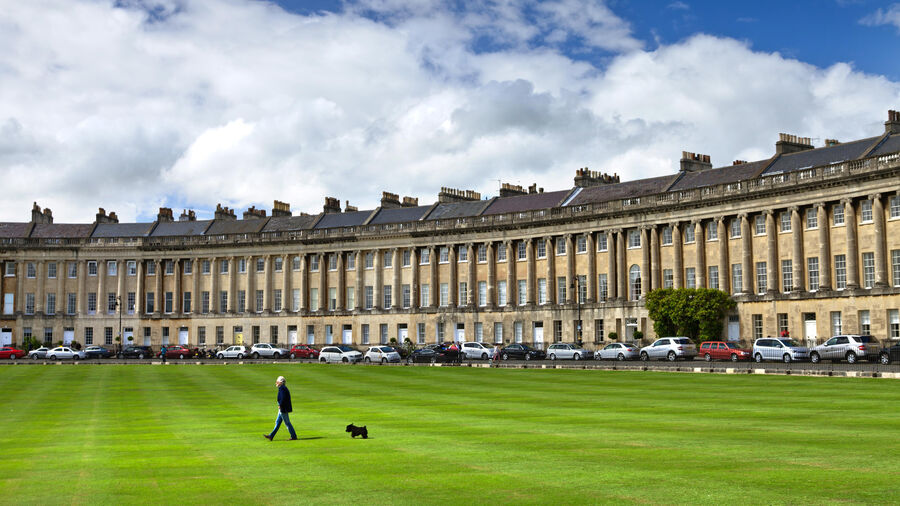
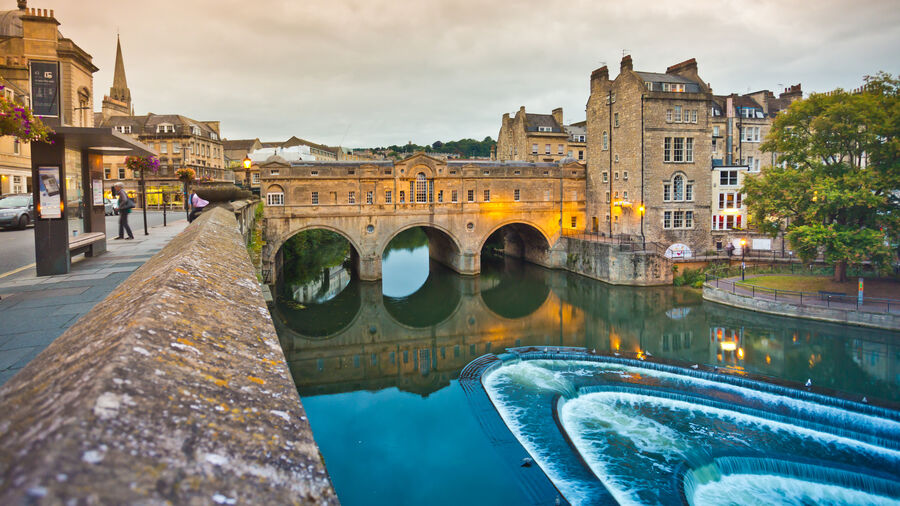
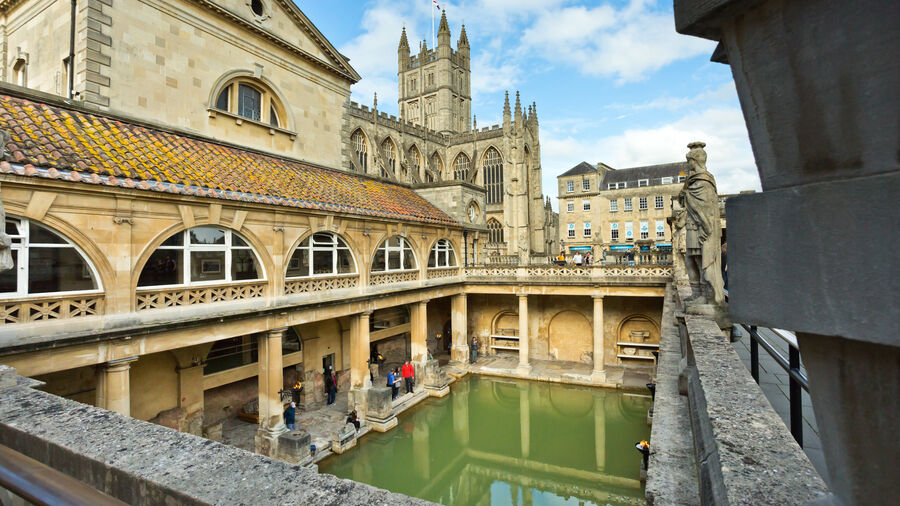
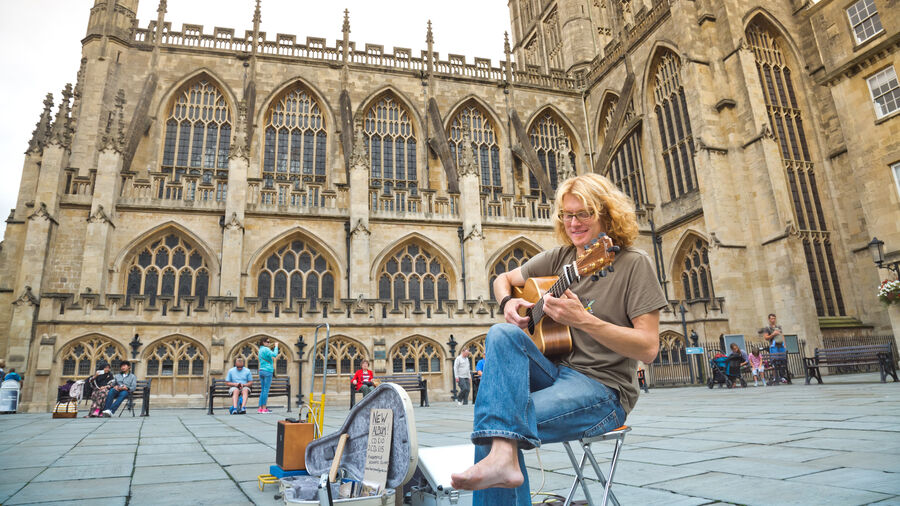
▲▲▲ Bath Genteel Georgian showcase city, built around the remains of an ancient Roman bath, with a glorious abbey and harmonious architecture (and the nearby historic port city of Bristol nearby).
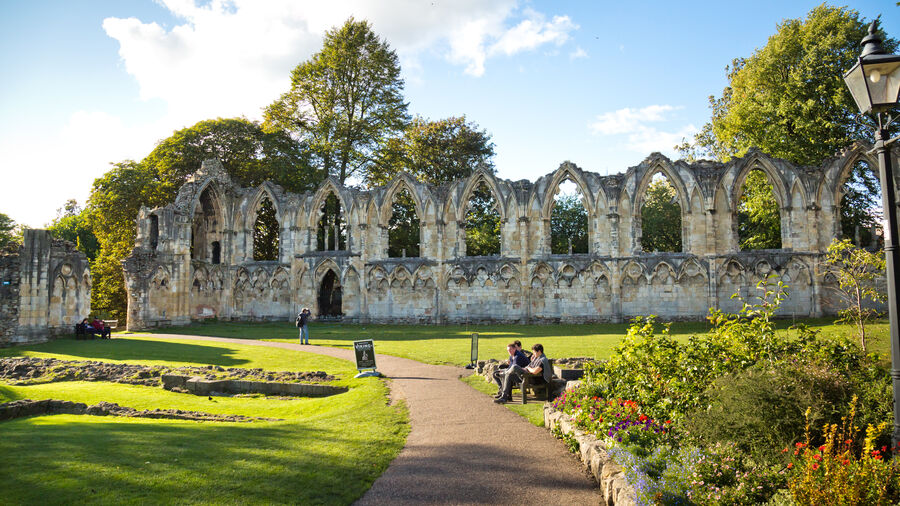
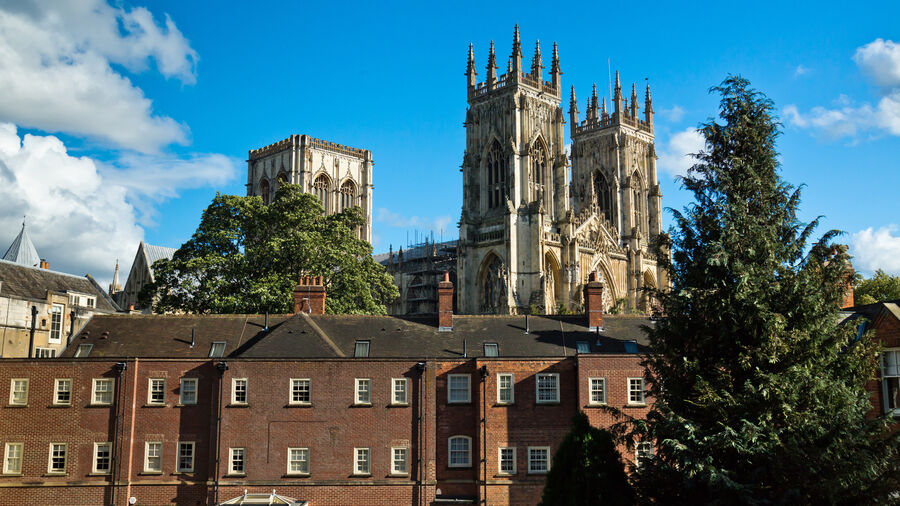
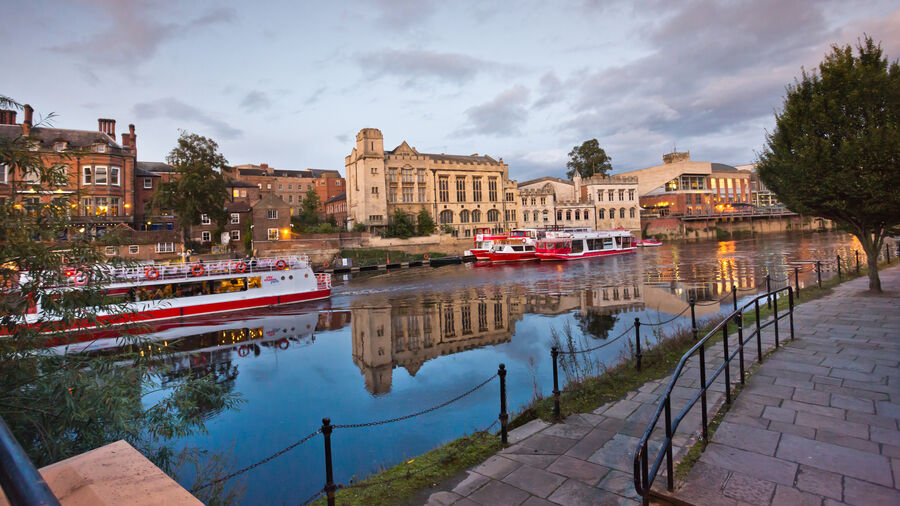
▲▲▲ York Walled medieval town with grand Gothic cathedral, excellent museums (Viking, Victorian, railway), and atmospheric old center.
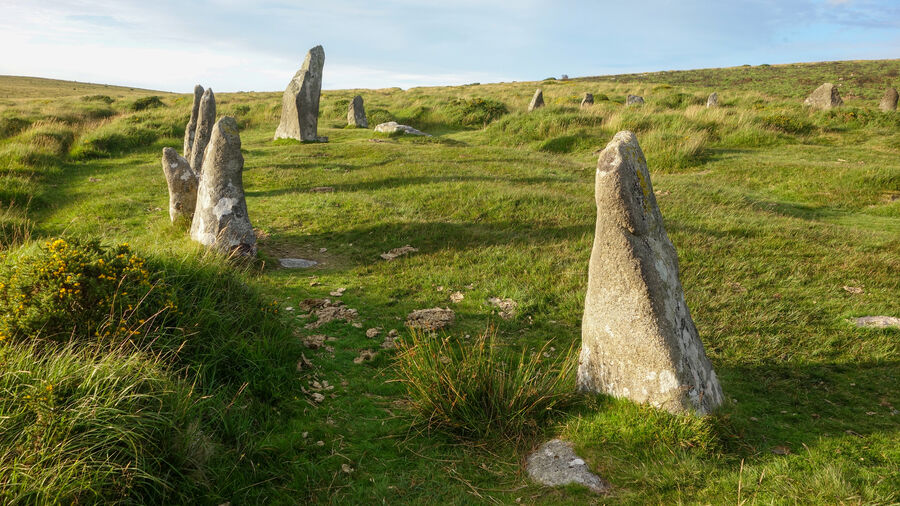
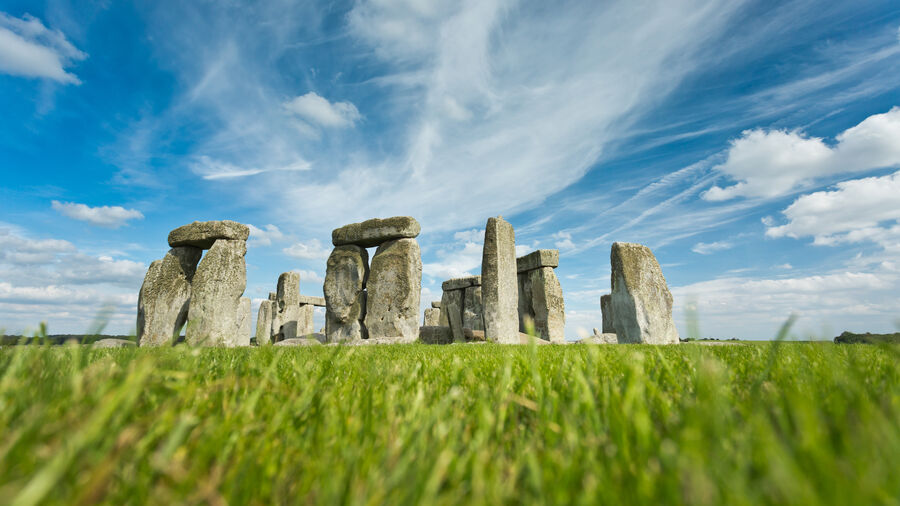
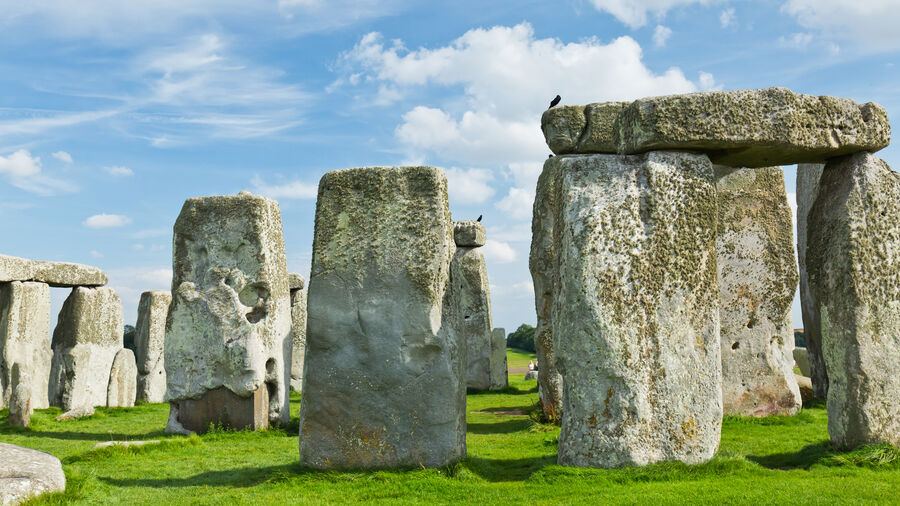
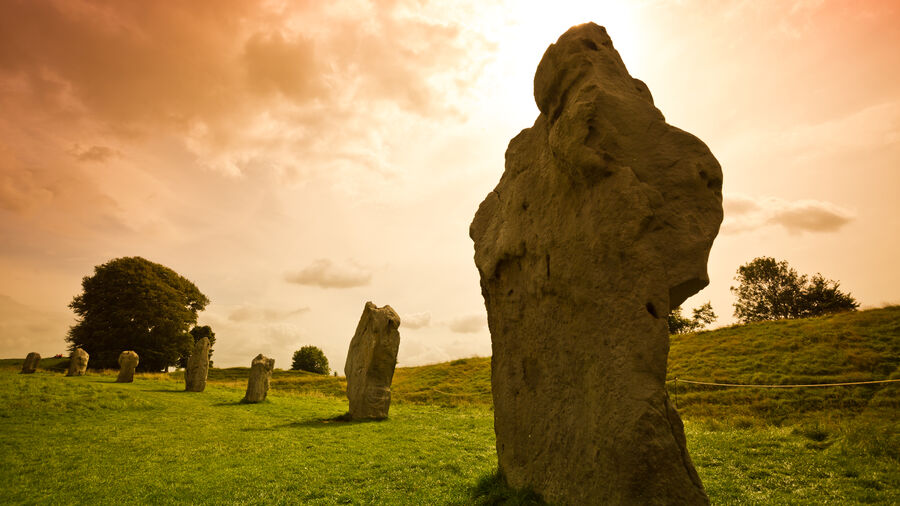
▲▲ Stonehenge and Avebury Two spine-tingling stone circles: one justifiably world famous, the other larger and refreshingly less touristy; Salisbury and its striking cathedral are nearby.
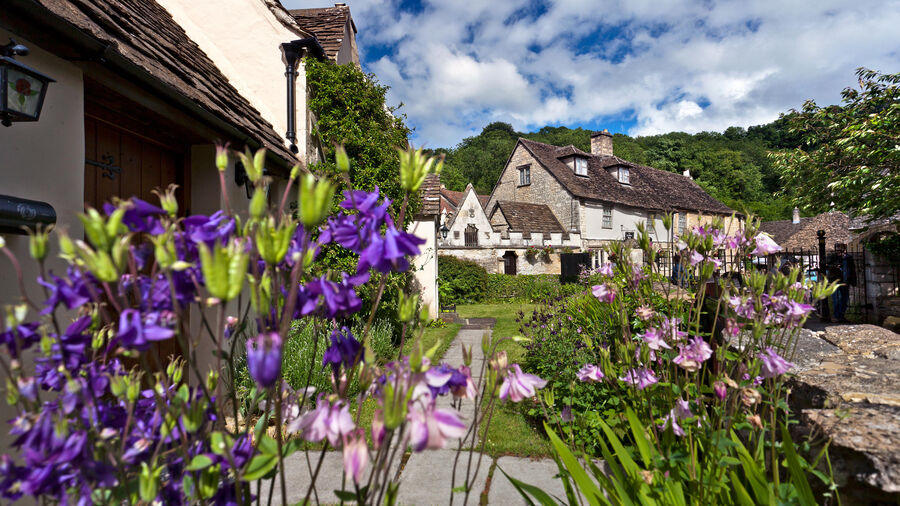
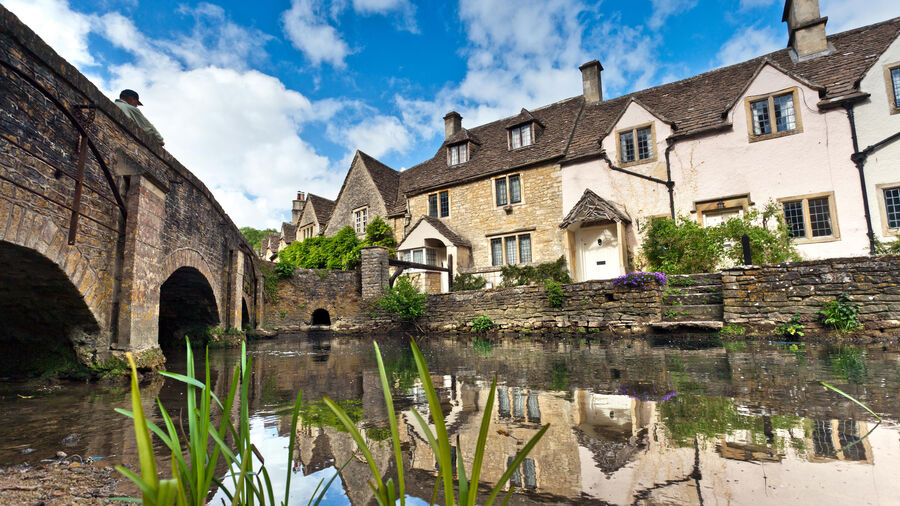
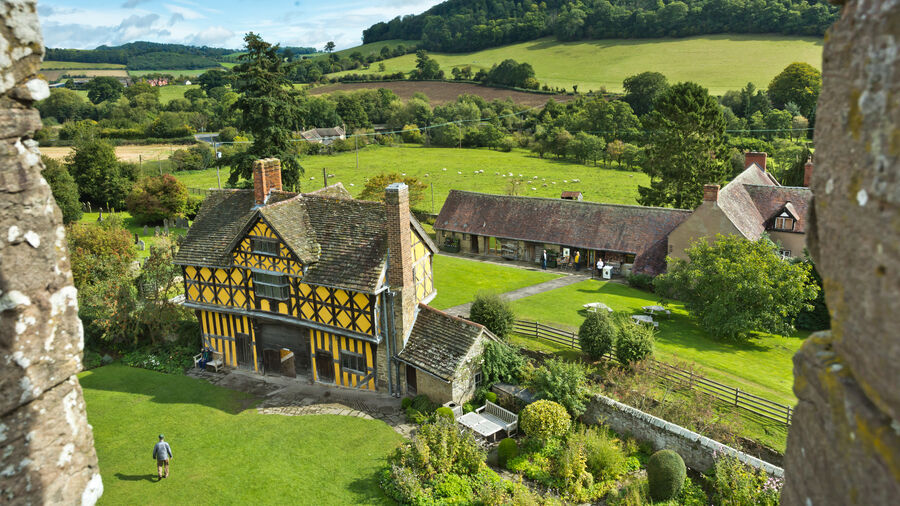
▲▲ Cotswolds Remarkably quaint villages — including the cozy market town Chipping Campden, popular hamlet Stow-on-the-Wold, and handy transit hub Moreton-in-Marsh — scattered over a hilly countryside.
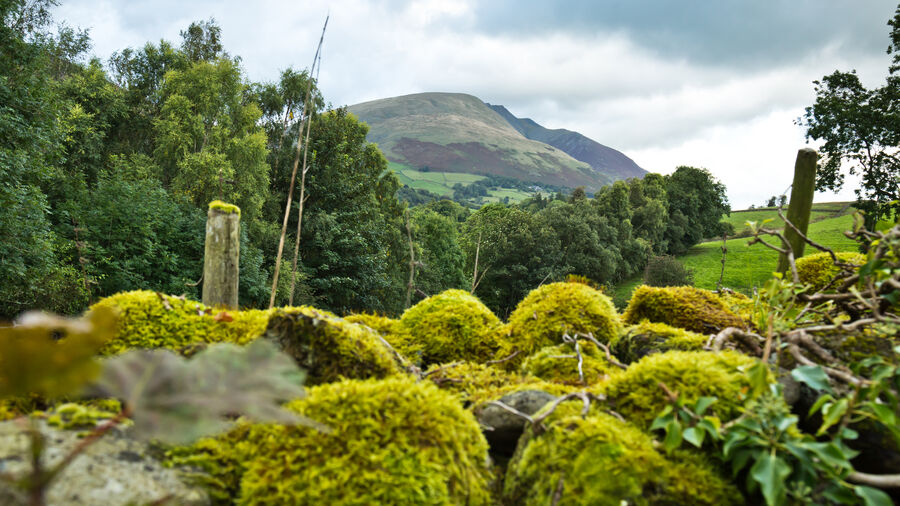
▲▲ Lake District Idyllic region dotted with lakes, hills, and sheep, with enjoyable hikes and joyrides, time-passed valleys, and William Wordsworth and Beatrix Potter sights.
▲▲ Glastonbury and Wells Neighboring towns, each with a distinct draw: Mystical, New Age-y Glastonbury's Holy Grail and King Arthur lore, and Wells' ingeniously fortified cathedral.
▲▲ Cambridge One of England's best university towns, featuring the stunning King's College Chapel and Wren Library.
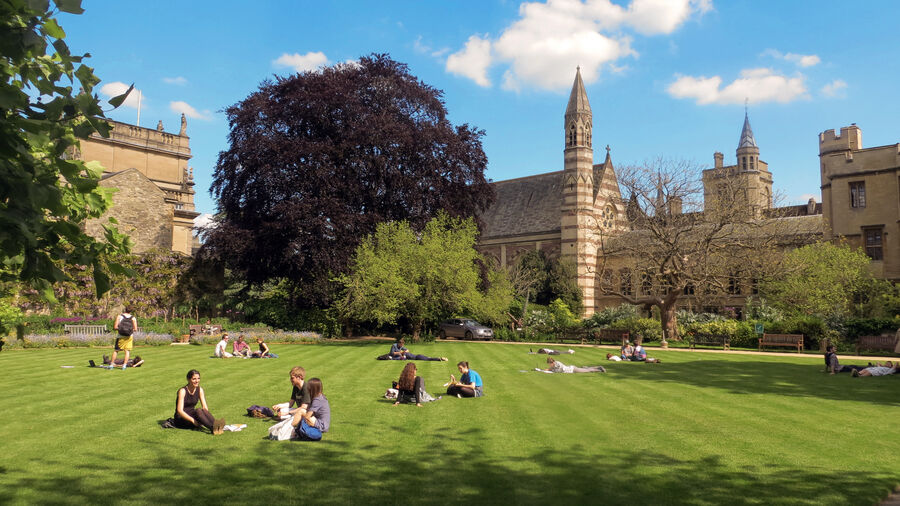
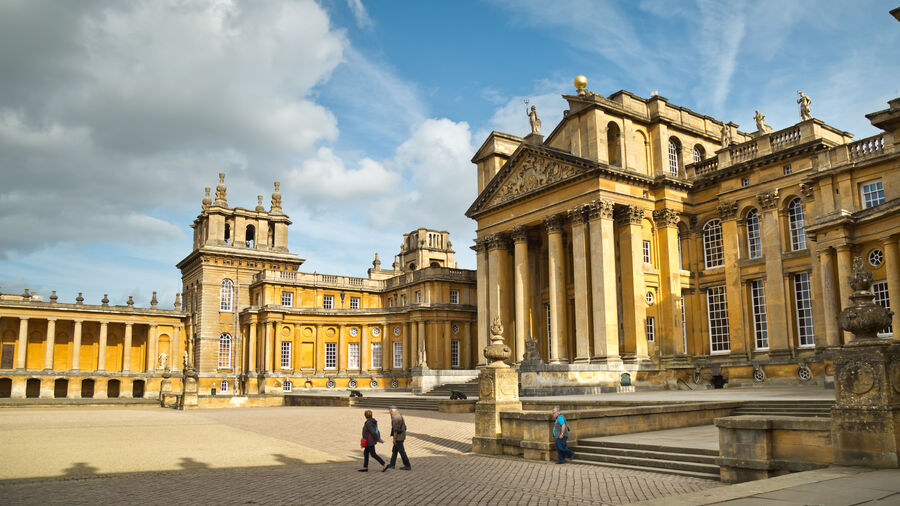
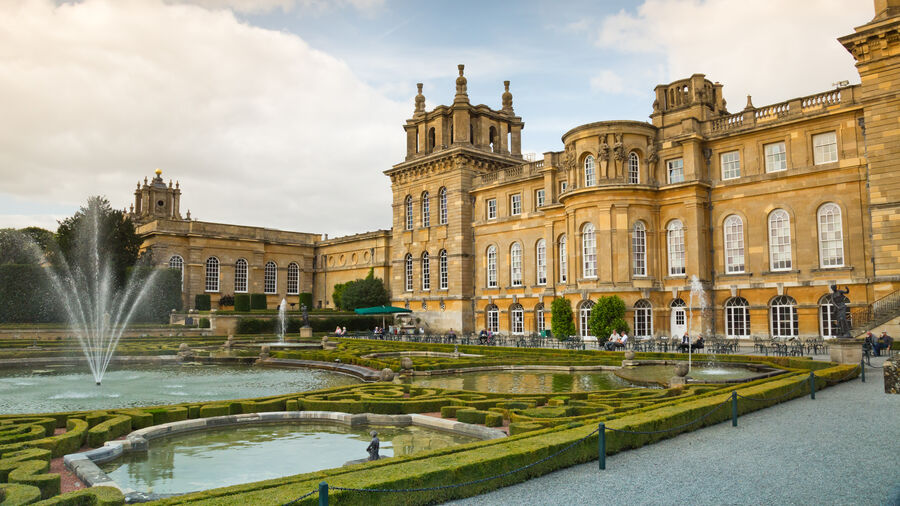
▲▲ Oxford Stately but youthful university town sporting historic college buildings, with Blenheim Palace — one of England's best — on its doorstep.
▲▲ Windsor Home to the late Queen Elizabeth II's impressive impressive home-sweet-castle (and a good day trip from London).
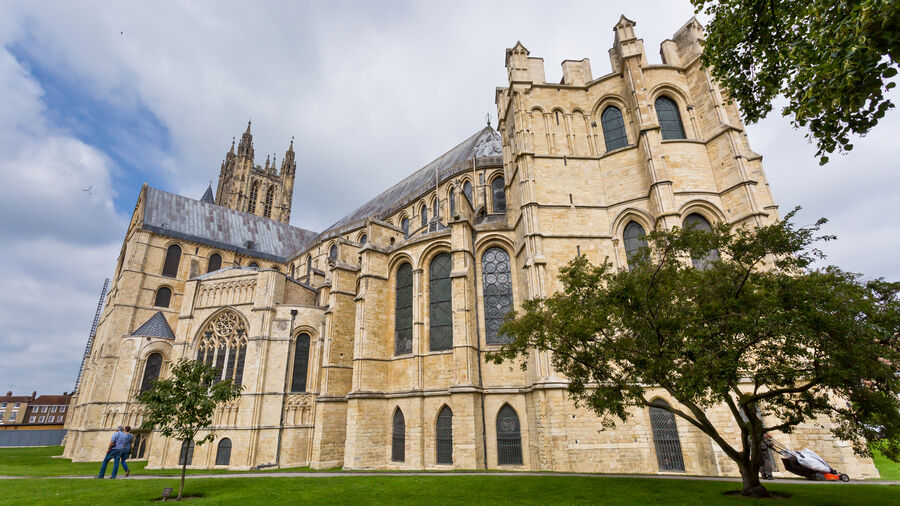
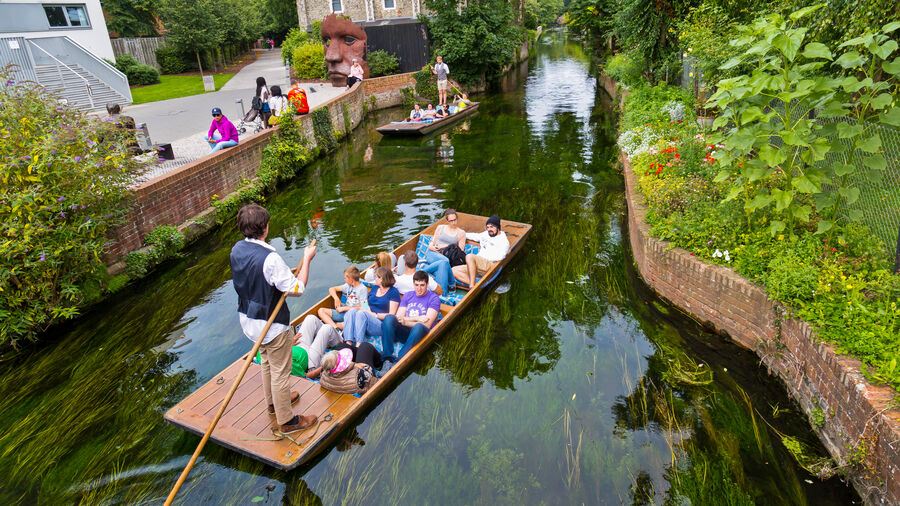
▲ Canterbury Pleasant pilgrimage town with a lively, compact core that attracts more pedestrians and shoppers than pilgrims.
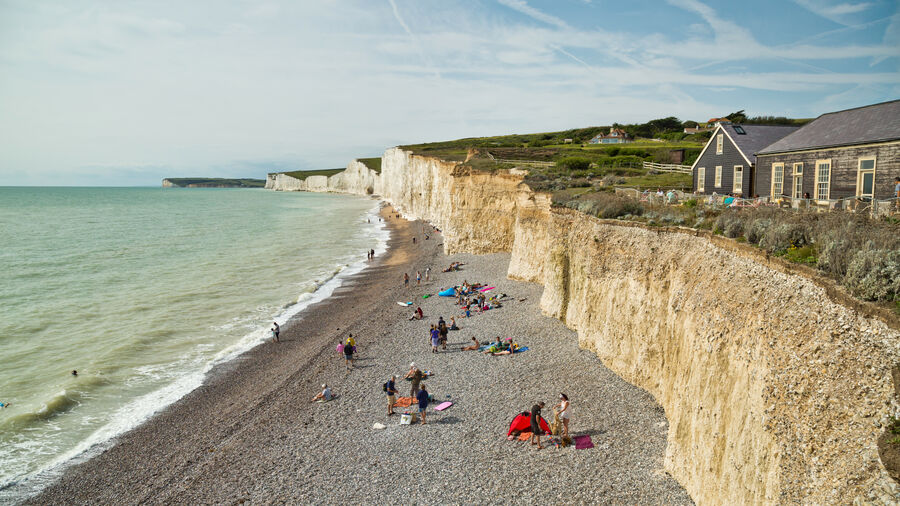
▲ Southeast England Region boasting Dover and its imposing castle, famously white cliffs, lush Sissinghurst Gardens, hill town of Rye, and historic site of the Battle of Hastings.
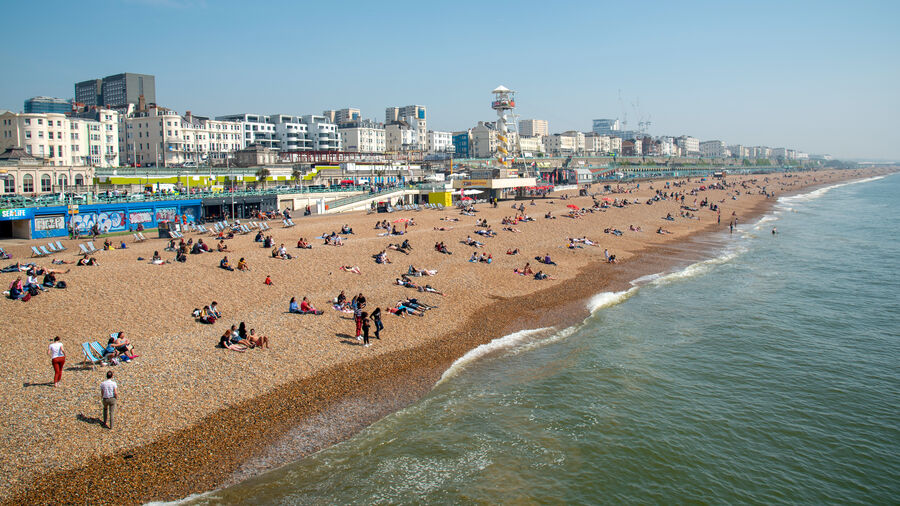
▲ Brighton Fun, flamboyant beach resort on England's south coast, with its amusement pier, Royal Pavilion, and viewpoint tower — and chalky cliffs at Beachy Head nearby.
▲ Portsmouth Revitalized shipbuilding city with top nautical sights at the Historic Dockyard, plus Roman ruins and stately Arundel Castle nearby.
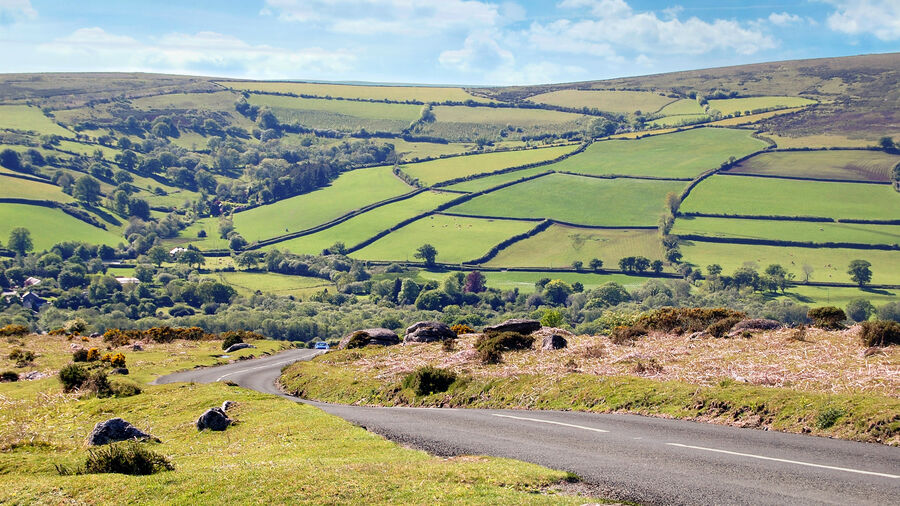
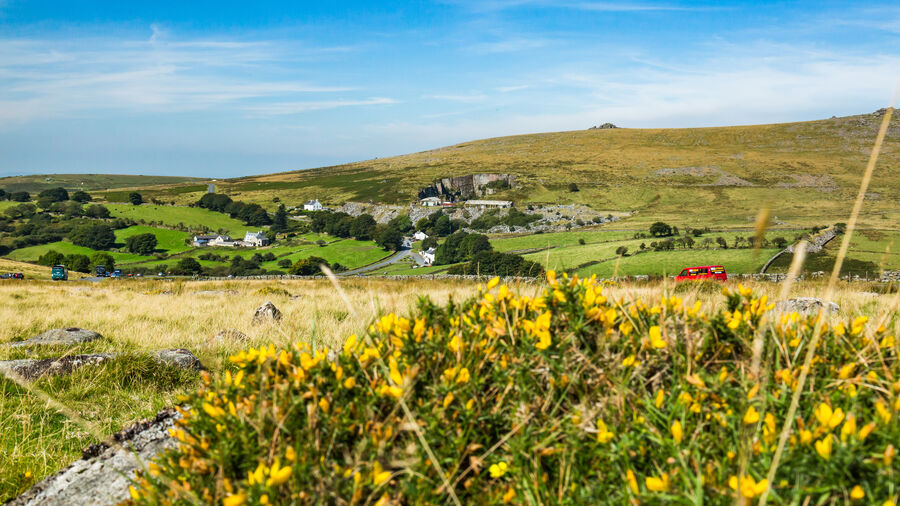
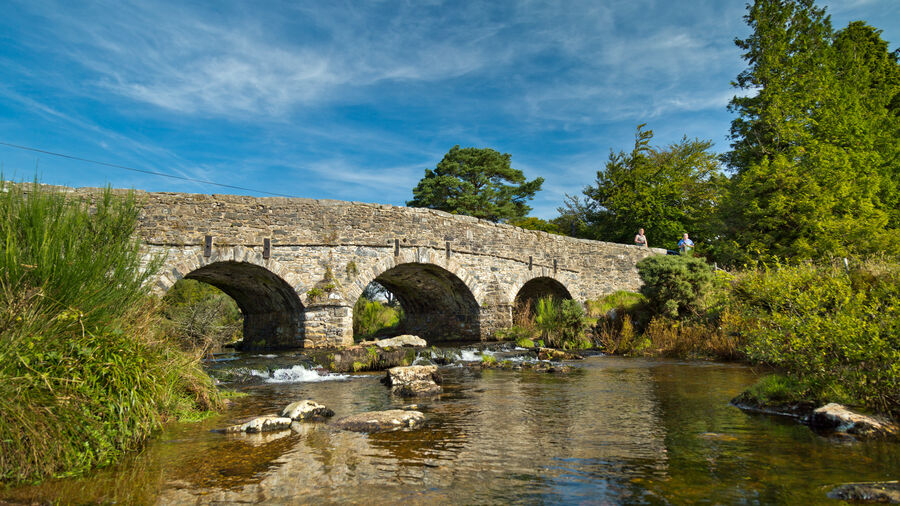
▲ Dartmoor Mysterious, desolate, moor-cloaked national park with wild ponies, hiking paths, and an ancient stone circle.
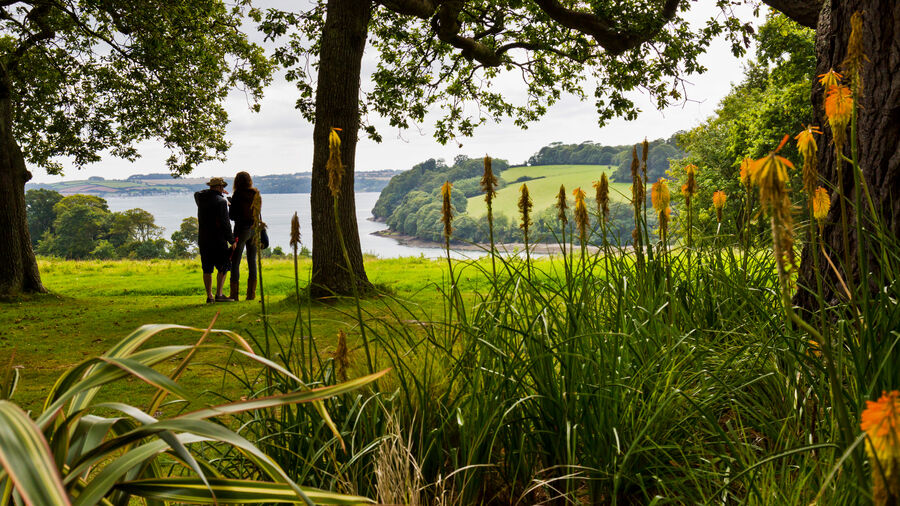
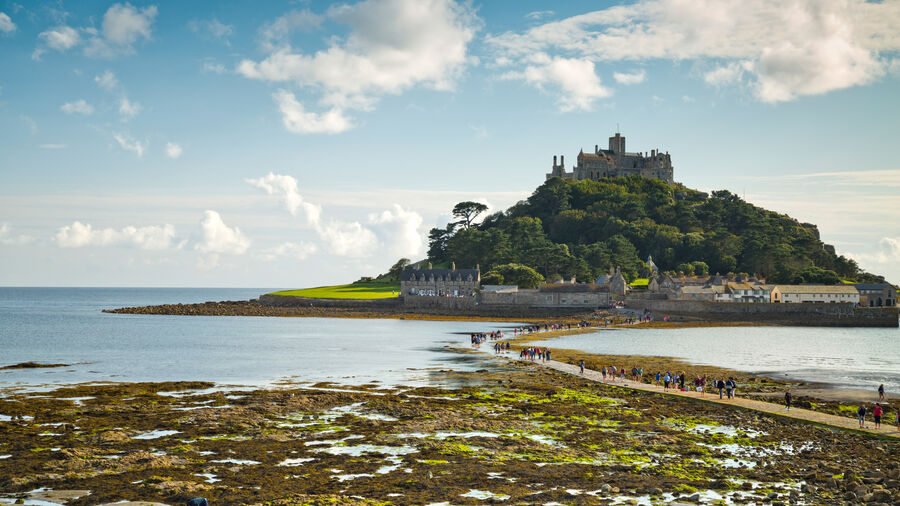
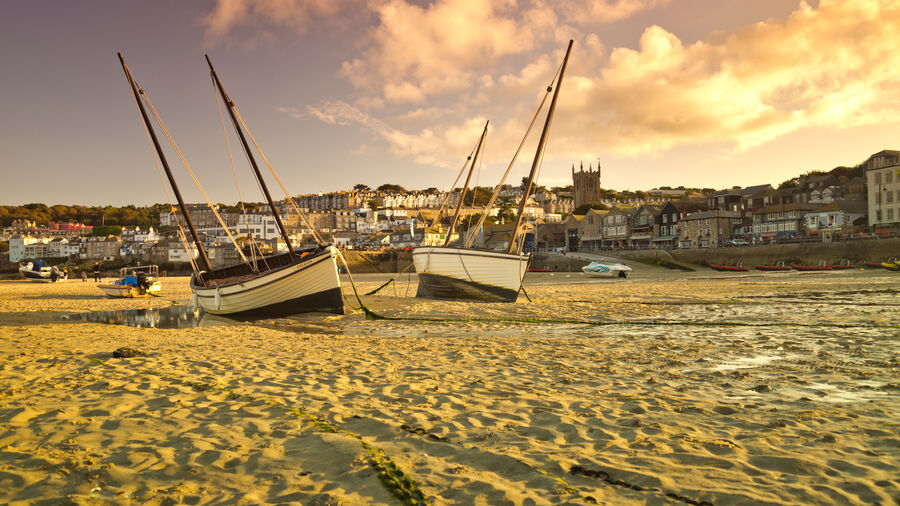
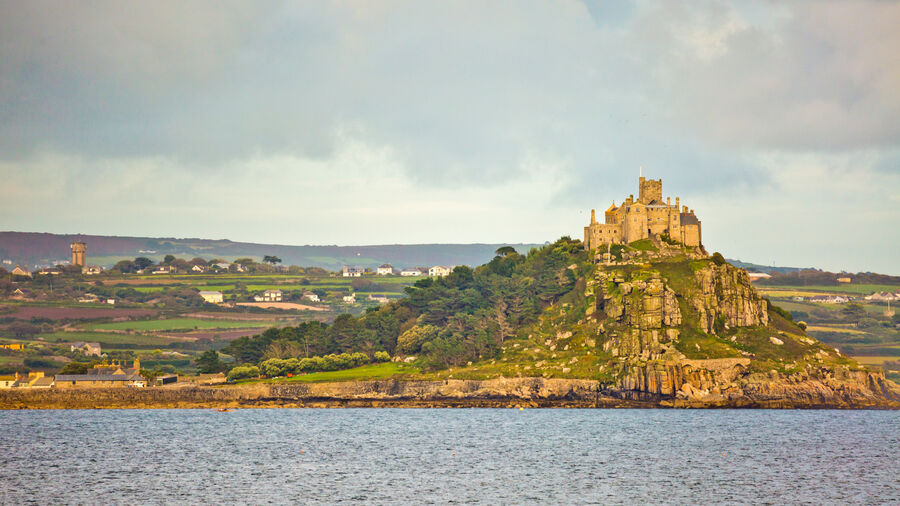
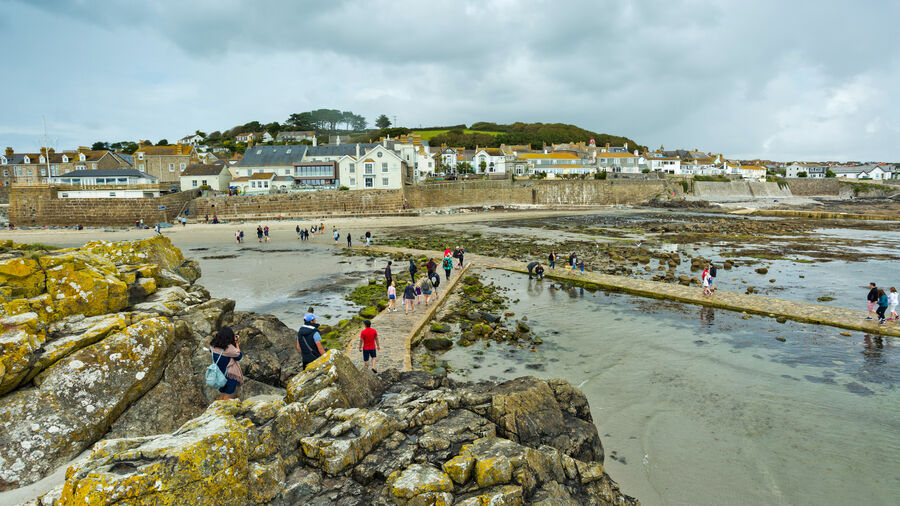
▲ Cornwall Feisty peninsula littered with prehistoric ruins, King Arthur's supposed Tintagel Castle, seaside resort towns (most notably Penzance and St. Ives) on the scenically windblown Penwith Peninsula on England's westernmost tip, and plenty of offbeat sights.
▲ Stratford-upon-Avon Shakespeare's pretty hometown and top venue for performances of his plays.
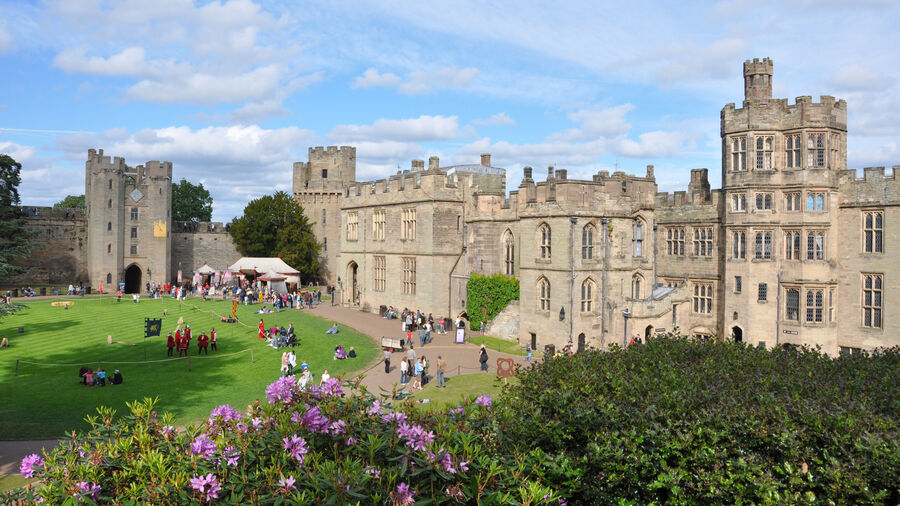
▲ Warwick and Coventry England's best medieval castle (Warwick), and in nearby Coventry, the stirring bombed-out husk of an ancient cathedral.
▲ Ironbridge Gorge Birthplace of the Industrial Revolution, with sights and museums that tell the earth-changing story.
▲ Liverpool Rejuvenated port city and the Beatles' hometown, with a host of Fab Four–related sights.
▲ Blackpool Fun-loving beach resort offering top-tier roller-coasters and a chance to mix with the English working class at play.
▲ North Yorkshire Pastoral region of hills and desolate moors, with a smattering of ruined abbeys and salty seaside towns (including Whitby and tiny Staithes).
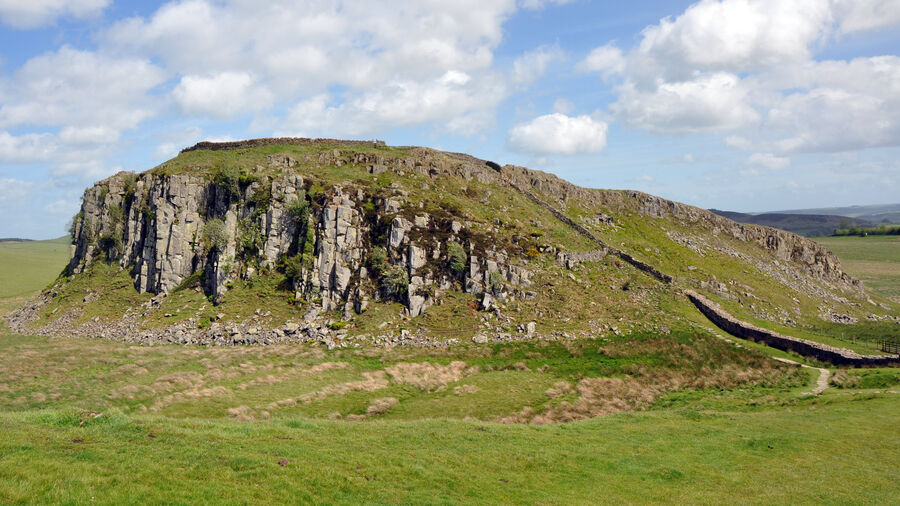
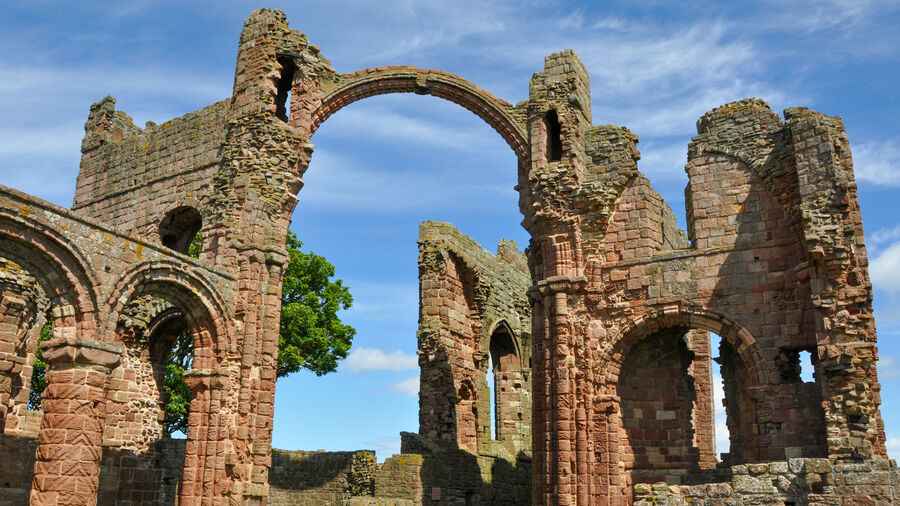
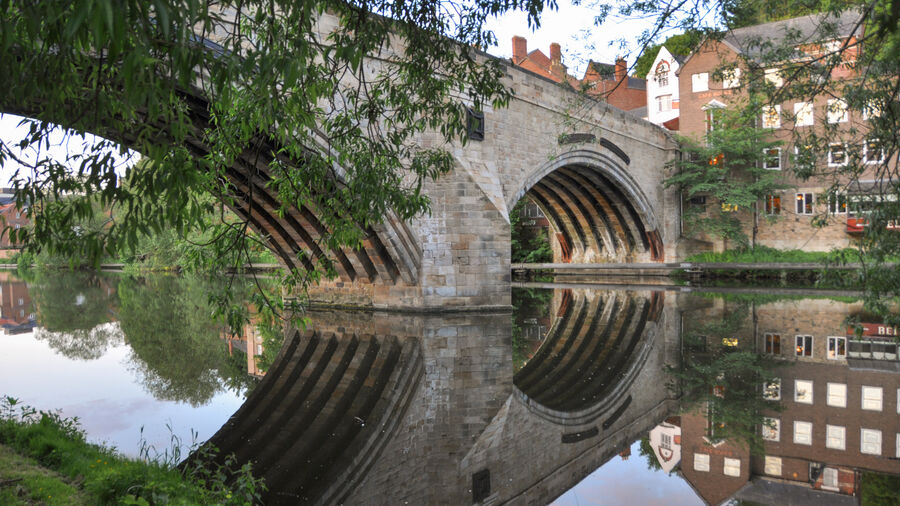
▲ Durham and Northeast England Youthful workaday town with magnificent cathedral, plus (nearby) an open-air museum, the Roman remains of Hadrian's Wall, Holy Island, and Bamburgh Castle.
Plan
Photos












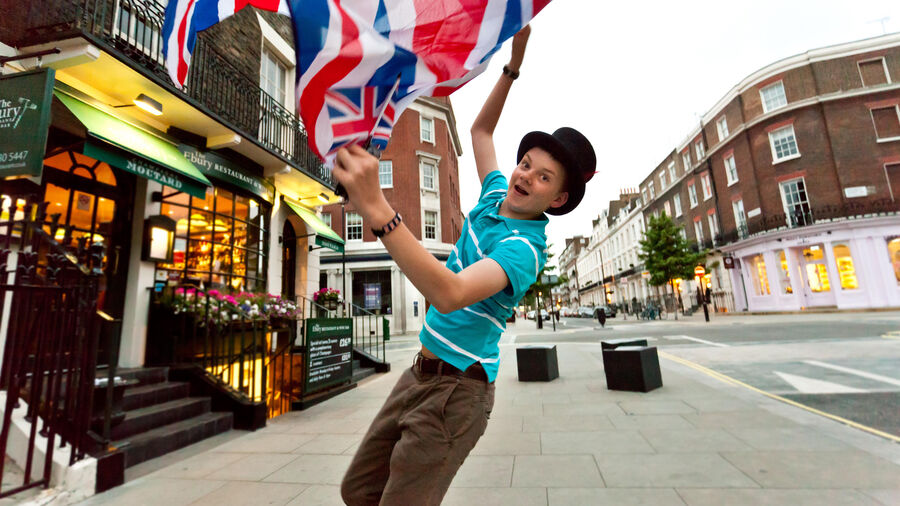
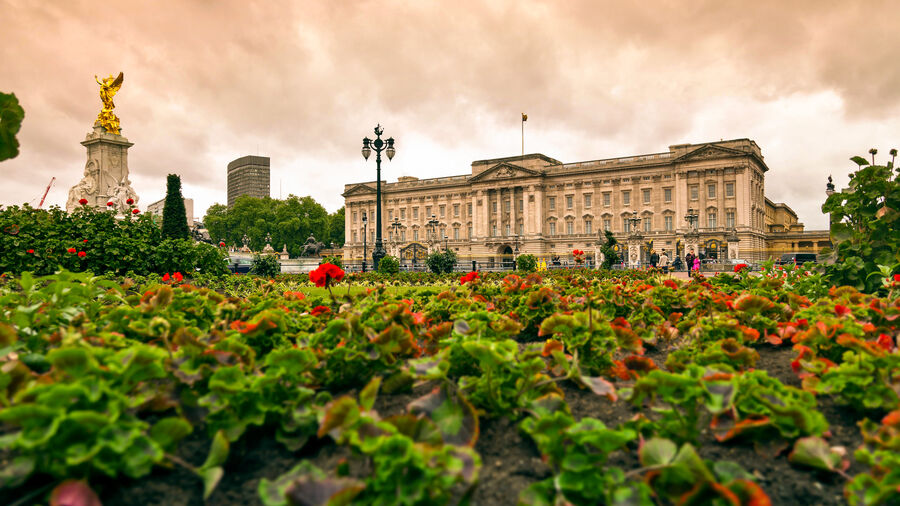
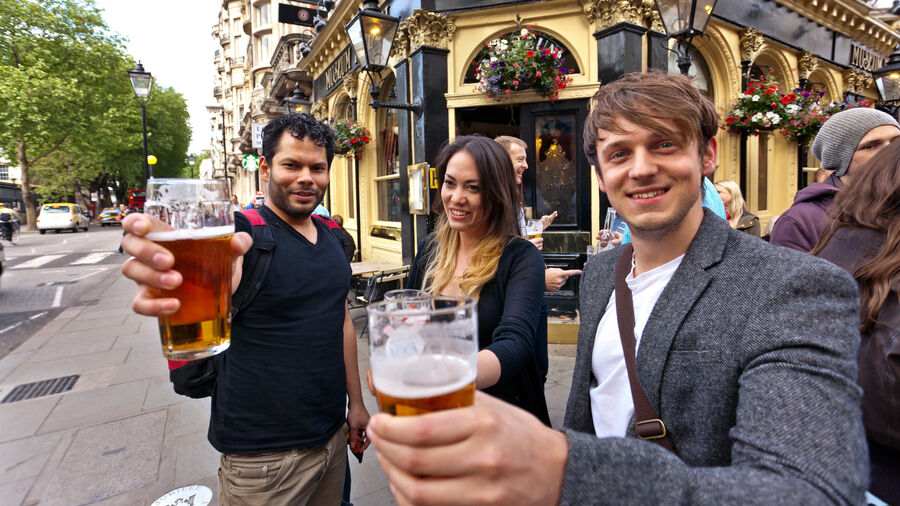
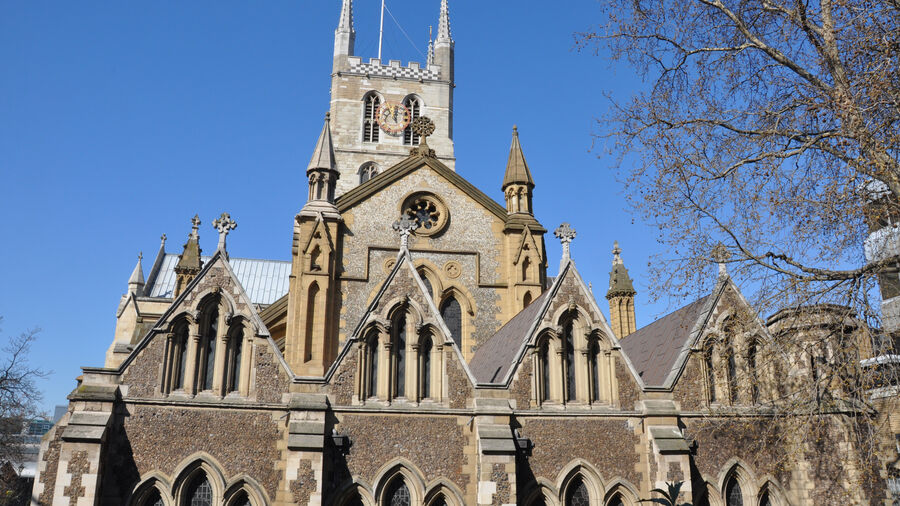
Watch
- Christmas in London (clip)
- England’s Bath and York (episode)
- England’s Cornwall (episode)
- Lake District Sheepdog Trial and Hound Show (clip)
- London’s Victoria and Albert Museum (clip)
- London’s Whitehall Street and Churchill War Rooms (clip)
- London: Thames to the Tower (clip)
- London: The City and St. Paul’s Cathedral (clip)
- North England’s Lake District and Durham (episode)
- Southeast England (episode)
- St Michael’s Mount and Penzance (clip)
- The Heart of England (episode)
- Travel Talks: England & Wales
- Treasures of the British Museum (clip)
- West England (episode)
- Westminster Abbey (clip)
Read
- Bristol: Suddenly Sassy
- Christmas in Europe
- Europe in the Fast Lane
- Europe’s Wide World of Traditional Sports
- Go Left, Young Man: Driving in Great Britain and Ireland
- The King’s English: Brilliant and Baffling
- Anglican Ritual, Snuff, and Scrumpy in Bath
- Bath’s Easy Urban Delights
- Top Sights Where ‘Harry Potter’ Was Filmed
- Blackpool: Britain’s Coney Island
- In Britain, the Kids Are Alright
- Offbeat Britain
- Brighton and the South Downs: Fun, Sun, and Chalky Walks
- Oxford vs. Cambridge: England’s Rival College Towns
- Visiting Europe’s Top University Sights
- Rugged, Quaint Cornwall
- England’s Cute and Cozy Cotswolds
- Finding the Quirkier Side of the Cotswolds
- Open Doors to the Past: Visiting Europe’s Time-Warp Homes
- Glimpsing Northeast England’s Ancient Past
- Feel the Spirit at Europe’s Pilgrimage Sites
- Glastonbury and Wells: England’s Mythic Market Towns
- Time Traveling at Europe’s Open-Air Museums
- Nature Rules in England’s Lake District
- Pondering Britain’s Stone Circles
- Beachcombing in London
- Booking It Through Europe: Top Literary Stops
- Budget Tips for Enjoying London
- Celebrating a Happy Christmas in England
- Europe’s Best Border-Busting Day Trips
- Evenings in London: Something for Everyone
- Inside Westminster Abbey, the Religious Heart of England
- Kidding Around London and Paris
- London: Britain’s Pub Hub
- London Looks East to the Future
- Park Picks: Favorite Green Getaways in Paris, London, and Barcelona
- Southwark Sights: Offbeat Stops Along London’s South Bank
- Taming London in a Week
- Visiting Europe’s Great Libraries
- War Rooms: Europe’s Military Museums
- Winter in London: Chilly Weather, Warm Memories
- England’s Castles and Manors Have a Story to Tell
- Salty and Modern Portsmouth
- Playing Around in Shakespeare’s Stratford
- O’er the Ramparts: Castles in Great Britain
- Great Scares in Great Britain
- York: A Time Travel Experience into Old England
- York’s Magnificent Minster
England
Bath
Blackpool
Brighton
Cambridge
Cornwall
Cotswolds
Durham
Glastonbury & Wells
Ironbridge Gorge
Lake District
London
Oxford
Portsmouth
Stratford
Warwick & Coventry
York
Listen
- Affordable London (29:50)
- Agatha Christie's England (17:43)
- Ancient Britain (18:27)
- Ancient Britain II (18:05)
- Ancient Stones of England (11:39)
- A Week in London (18:47)
- Bath (11:37)
- Beer in Europe (27:46)
- Bill Bryson at Home: Part I (11:52)
- Bill Bryson at Home: Part II (12:04)
- Cotswolds (11:44)
- Doc Martin's Cornwall (16:58)
- England's Moors (9:06)
- England's South West Coast Path (18:35)
- English Cathedrals and Churches (18:27)
- English Country Gardens (11:32)
- English Gardens (45:35)
- English Gardens, Part II (10:48)
- English Villages (19:30)
- European Food Specialties (29:11)
- European Food Treats (43:07)
- Europe's Great Trails (18:35)
- Exploring Bristol (12:11)
- Gardens of London (18:32)
- High Tea (16:41)
- Hiking in England (12:12)
- Isles of Britain (11:23)
- Jane Austen's England (18:01)
- Lively Liverpool (11:37)
- London Night Out (17:56)
- London Travel Tips I (29:47)
- London Travel Tips II (47:01)
- Music Appreciation for Travel: Part I (11:35)
- Notorious Royal Marriages (18:08)
- Opera 101 for Travelers (18:23)
- Oxford vs. Cambridge (11:45)
- Roman and Prehistoric Britain (11:38)
- Roman England (11:37)
- Sheep Encounters (35:43)
- South England's Historical Sites (18:59)
- Southwest England (18:06)
- Stately Homes (18:00)
- The English Countryside (35:02)
- The English Right to Walk (18:37)
- Touring Bath (11:43)
- Touring the Thames (18:18)
- Trendy East London (14:54)
- TV and Movie Fan's Britain (18:19)
- Walking Across England (18:47)
- Walks in Pastoral Britain (29:31)
- WWI Sites in Britain (11:35)
England Audio Tours
- British Museum Tour
Listen or Download | Download map - Historic London: "The City" Walk
Listen or Download | Download map - St. Paul's Cathedral Tour
Listen or Download | Download map - Westminster Walk
Listen or Download | Download map