York: Vikings to Dickens
Historians run around York like kids in a candy shop. But the city is so fascinating that even non-historians find themselves exploring the past with the same delight they'd give a fun-house hall of mirrors.
York is 200 miles north of London and only two hours by train. For a practical introduction to the city, start your visit by taking one of the free, entertaining, and informative guided walking tours (leaving morning, afternoon, and summer evenings from the tourist office). To keep the day open for museums and shopping and enjoy a quieter tour (with a splash of ghostly gore), take the evening walk. The excellent guides are likeably chatty and opinionated. By the end of the walk, you'll know the latest York city gossip, several ghost stories, and what architectural "monstrosity" the "insensitive" city planners are about to inflict on the public.
With this introductory tour under your belt, you're getting the hang of York and its history. Just as a Boy Scout counts the rings in a tree, you can count the ages of York by the different bricks in the city wall: Roman on the bottom, then Danish, Norman, and the "new" addition — from the 14th century.
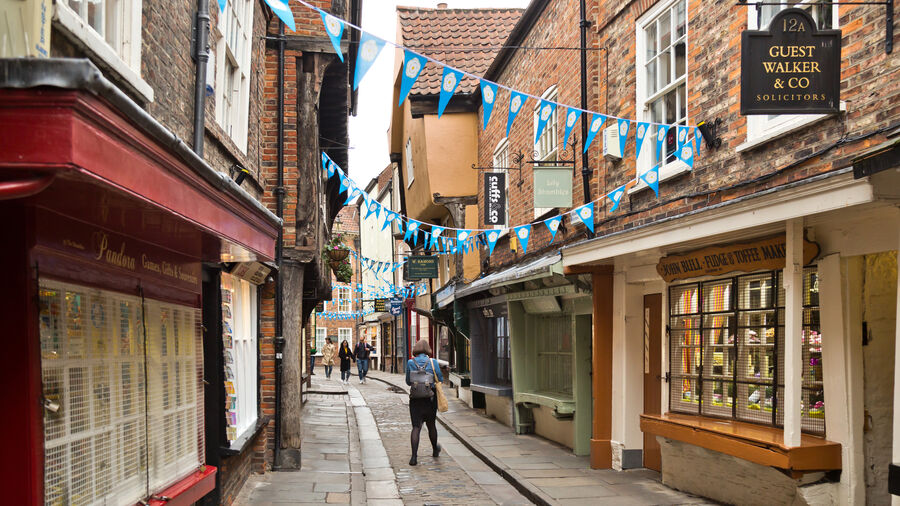
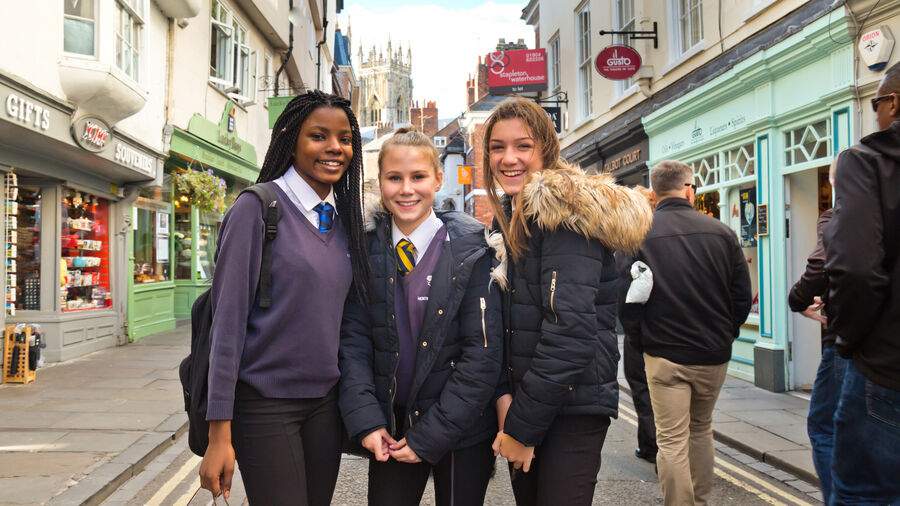
The pride of the half-timbered town center is the medieval butchers' street called the Shambles, with its rusty old hooks hiding under the eaves. Six hundred years ago, bloody hunks of meat hung here, dripping into the gutter that still marks the middle of the lane. This slaughterhouse of commercial activity gave our language a new word. What was once a "shambles" is now ye olde tourist shopping mall.
York's four major sights — the York Castle Museum, the Jorvik Viking Centre, the best-in-Europe National Railway Museum, and the huge and historic York Minster cathedral — can keep a speedy sightseer busy for two days.
At York's Castle Museum, Charles Dickens would feel at home. English memorabilia from the 18th and 19th centuries are cleverly displayed in a huge collection of craft shops, old stores, living rooms, and other intimate glimpses of those bygone days.
As towns were being modernized in the 1930s, the museum's founder, Dr. Kirk, collected entire shops and reassembled them here. On Kirkgate, the museum's most popular section, you can wander through a Lincolnshire butcher's shop, Bath bakery, coppersmith's shop, toy shop, and barbershop.
The shops are actually stocked with the merchandise of the day. Eavesdrop on English grannies as they reminisce their way through the museum's displays. The general store is loaded with groceries and candy, and the sports shop has everything you'd need for a game of 19th-century archery, cricket, skittles, or tennis. Anyone for "whiff-whaff" (Ping-Pong)? In the confectionery, Dr. Kirk beams you into a mouth-watering world of "spice pigs," "togo bullets," "humbugs," and "conversation lozenges."
In the period rooms, three centuries of Yorkshire living rooms and clothing fashions paint a cozy picture of life centered around the hearth. Ah, a peat fire warming a huge brass kettle while the aroma of freshly baked bread soaks into the heavy, open-beamed ceilings. After walking through the evolution of romantic valentines and unromantic billy clubs, you can trace the development of early home lighting — from simple waxy sticks to the age of electricity. An early electric heater has a small plaque explaining, "How to light an electric fire: Switch it on!"
Dr. Kirk's "memorable collection of bygones" is the closest thing in Europe to a time-tunnel experience, except perhaps for the Jorvik Viking Centre just down the street. A thousand years ago, York was a thriving Viking settlement called Jorvik. While only traces are left of most Viking settlements, Jorvik is an archaeologist's bonanza, the best-preserved Viking city ever excavated.
Sail the "Pirates of the Caribbean"
north and back in time 1,000 years, and you get Jorvik. More a ride than a
museum, this exhibit drapes the abundant harvest of this dig in Disney cleverness.
You watch a brief movie showing two people going back in time. Their clothes
and the buildings in the background "morph" to fit the passing centuries,
which flash by on the screen until...it's A.D. 975. You're in Jorvik. You
climb into a little car and slowly glide through the reconstructed village.
Everything — sights, sounds, even smells — has been carefully
recreated. You experience a Viking village. Then your time-traveling train
car rolls you into the excavation site, past the actual remains of the reconstructed
village you just saw. Stubs of buildings, piles of charred wood, broken pottery
— a time-crushed echo of a thriving town. 
Your ride ends at the museum filled with artifacts from every aspect of Viking life: clothing, cooking, weapons, clever locks, jewelry, even children's games. The gift shop — the traditional finale of any English museum — capitalizes nicely on my newly developed fascination with Vikings in England.
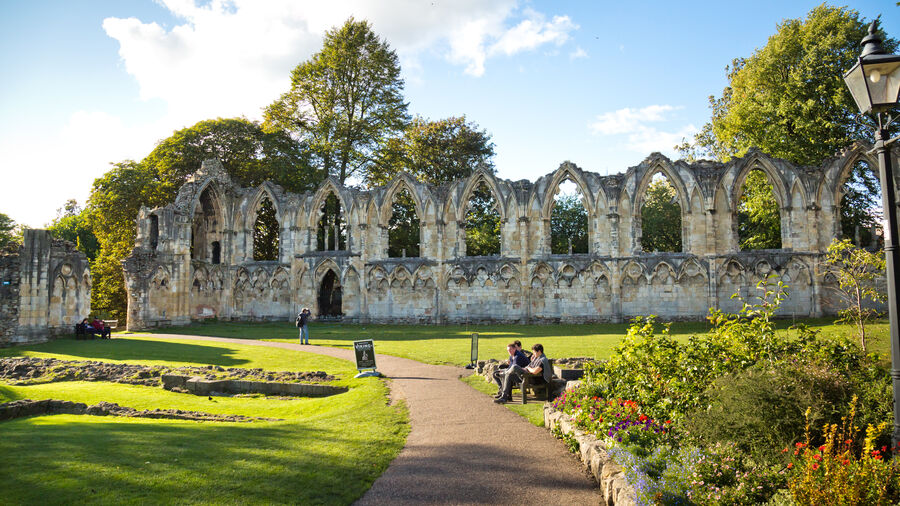
Jorvik's commercial success has spawned a series of similar historic rides that take you into Britain's burly, wax-peopled past. While innovative 20 years ago, Jorvik and its cousins seem tired and gimmicky today. For straightforward Viking artifacts, beautifully explained and set in historical context with no crowds at all, tour the nearby Yorkshire Museum.
York's thunderous National Railway Museum shows 200 fascinating years of British railroad history. Fanning out from a grand roundhouse is an array of historic cars and engines, including Queen Victoria's lavish royal car and the very first "stagecoaches on rails." Even spouses of train buffs will find the exhibits on dining cars, post cars, Pullman cars, and vintage train posters interesting.
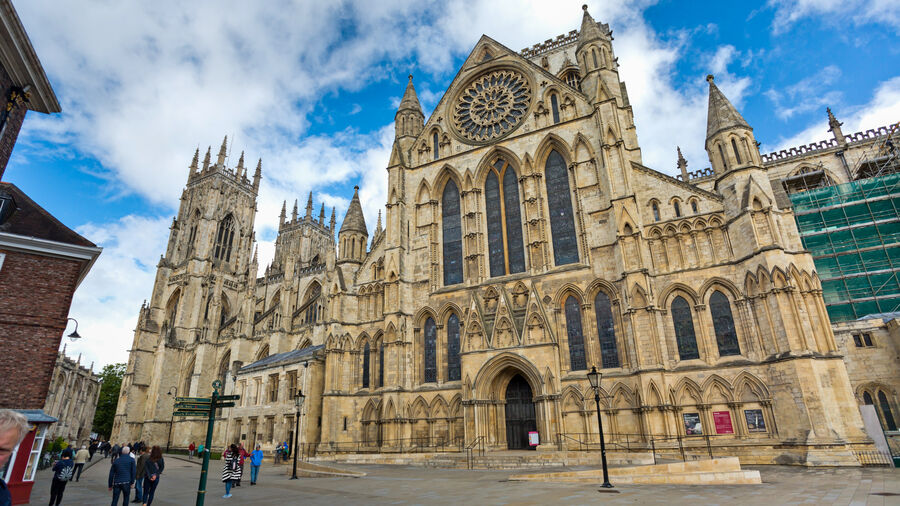
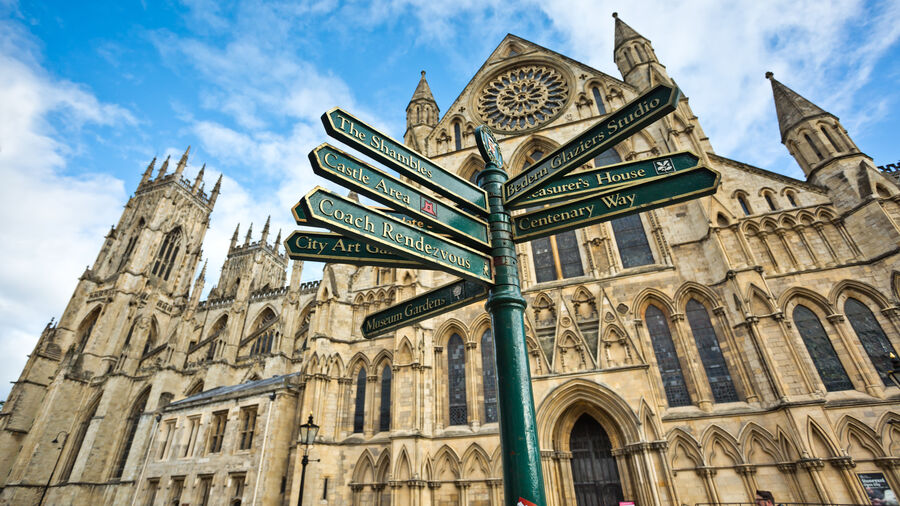
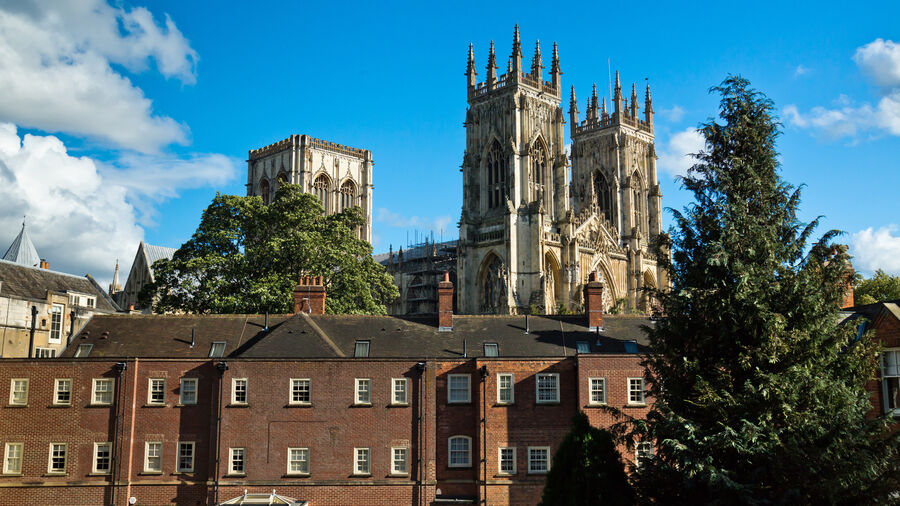
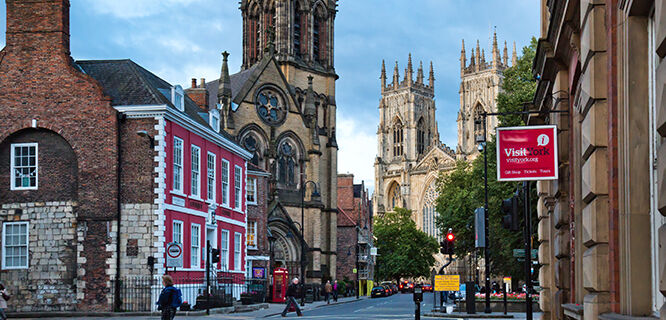
York's Minster, or cathedral, is the largest Gothic church in Britain. Henry VIII, in his self-serving religious fervor, destroyed nearly everything that was Catholic — except the great York Minster, which was not attached to a monastery.
The minster is a brilliant example of how the High Middle Ages were far from dark. The east window, the largest medieval glass window in existence, is just one of the art treasures explained in the free hour-long tours given throughout the day. The church's undercroft gives you a chance to climb down, archaeologically and physically, through the centuries to see the roots of the much smaller but still huge Norman church (built in A.D. 1100) that stood on this spot and, below that, the Roman excavations. Constantine was proclaimed Roman emperor here in A.D. 306. The undercroft also gives you a look at the modern concrete and stainless steel save-the-church foundations.
To experience the cathedral in musical and spiritual action, attend an evensong (see sidebar). When the choir is off on school break (mid-July–Aug), visiting choirs usually fill in (confirm at church or TI). Arrive 10 minutes early and wait just outside the choir in the center of the church. You'll be ushered in and can sit in one of the big wooden stalls. If you're a fan of church bells, you'll experience ding-dong ecstacy on Sunday morning (around 10:00) and the Tuesday-evening practice (19:30–21:30). Stand in front of the church's west portal and imagine the gang pulling on a dozen ropes (halfway up the right tower — you can actually see the ropes through a little window). Thank God for York. Amen.