

-
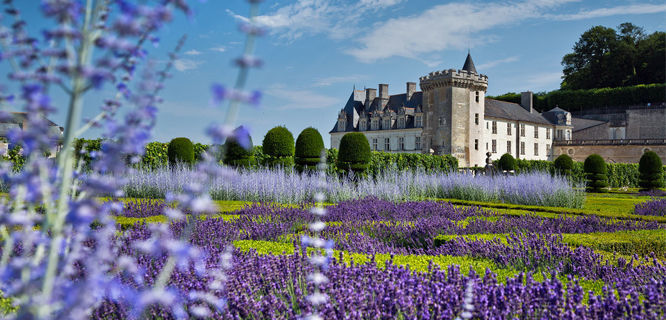
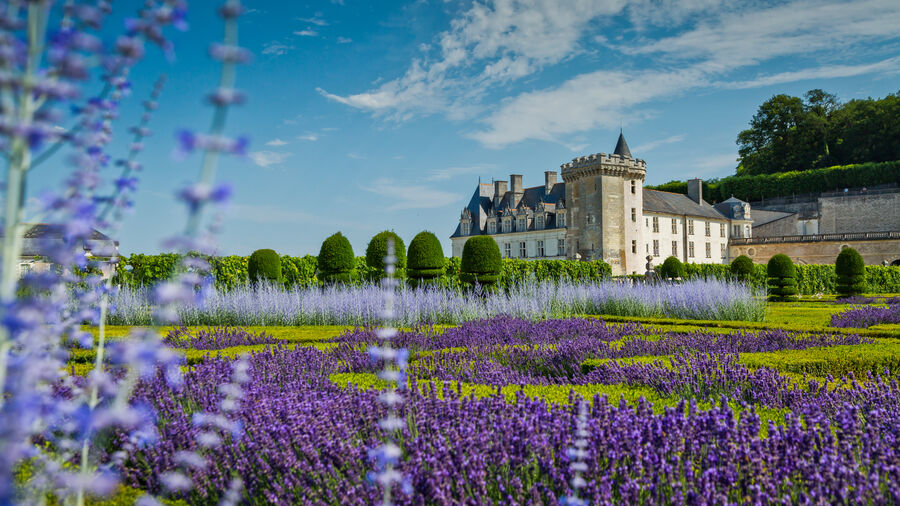
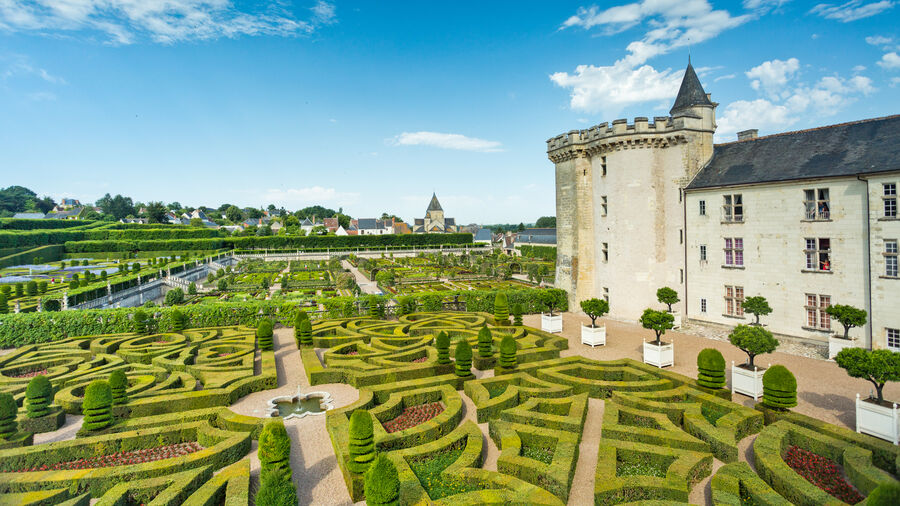
Château de Villandry, Loire Valley
France
France is Europe's most diverse, tasty, and, in many ways, most exciting country to explore. Romantic hill towns and castles, meandering river valleys, and oceans of vineyards carpet this country's landscape. France remains at the forefront of technology, architecture, fashion, and cuisine. A delightful blend of natural and man-made beauty, France offers chandeliered châteaux, forever coastlines, soaring cathedrals, Europe's highest mountain ranges, and museums showcasing cultural icons of the Western world.
Places
- Aix-en-Provence
- Albi
- Alsace
- Annecy
- Antibes
- Arles
- Avignon
- Bayeux
- Brittany
- Burgundy
- Carcassonne
- Cassis
- Chamonix
- Chartres
- Collioure
- Colmar
- Côtes du Rhône
- D-Day Beaches
- Dordogne
- French Alps
- French Basque Country
- French Riviera
- Honfleur
- Languedoc-Roussillon
- Loire
- Luberon
- Lyon
- Marseille
- Monaco
- Mont St-Michel
- Nice
- Normandy
- Paris
- Provence
- Reims & Verdun
- Rouen
- Sarlat-la-Canéda
- Strasbourg
- Versailles
- Villefranche-sur-Mer
At a Glance

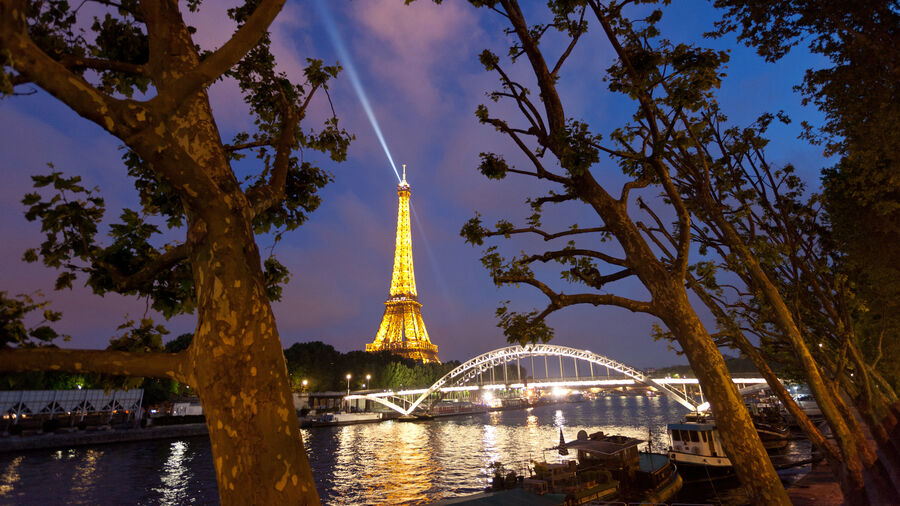
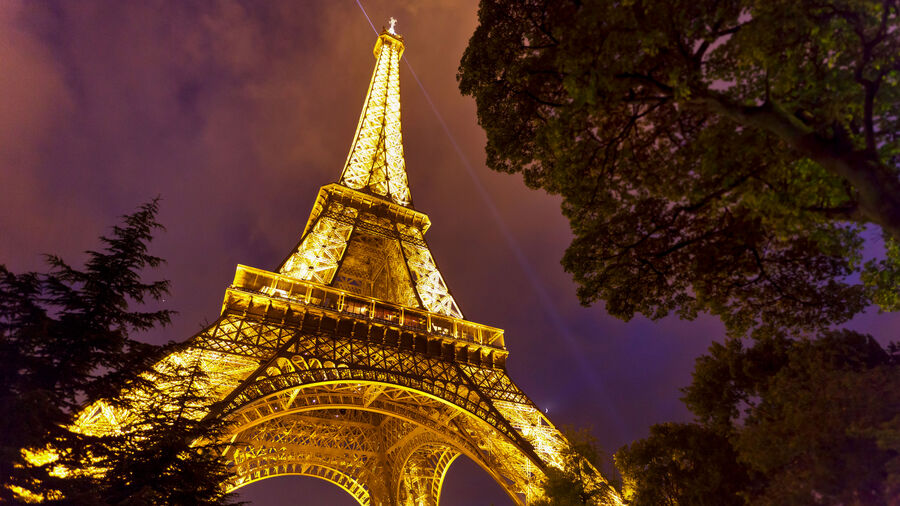
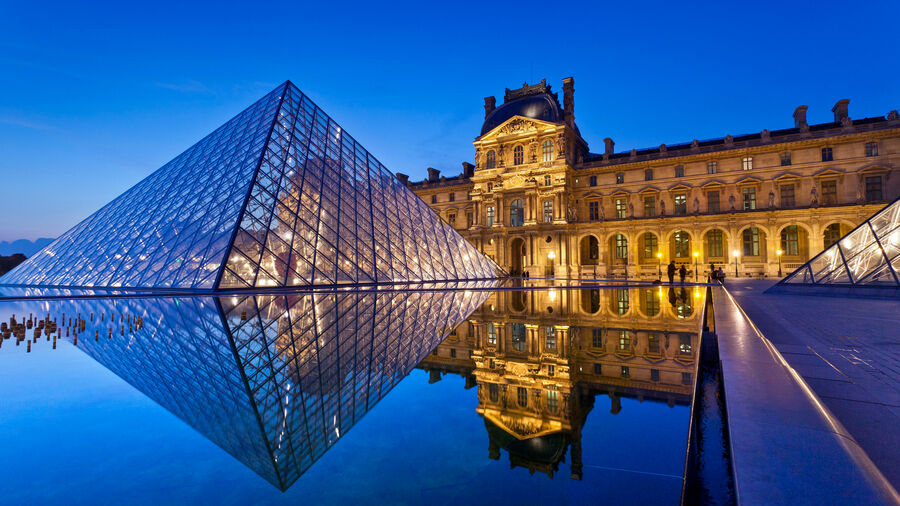
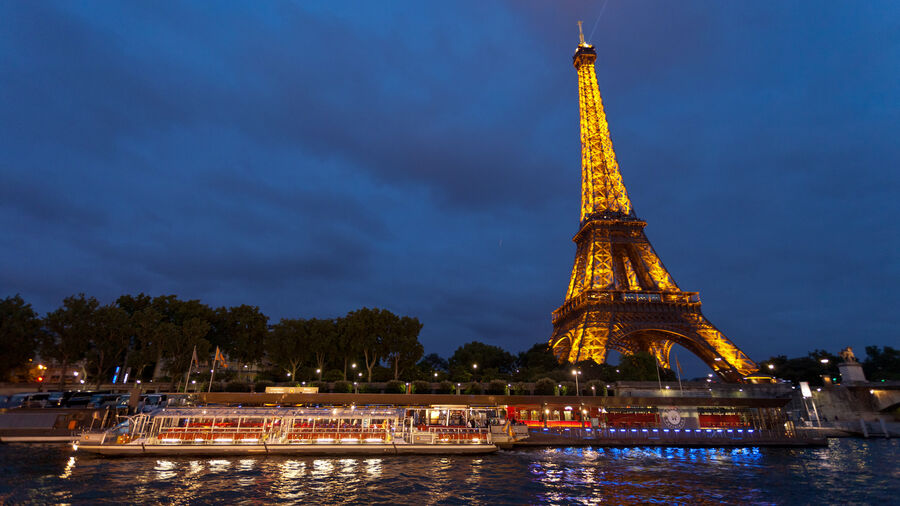
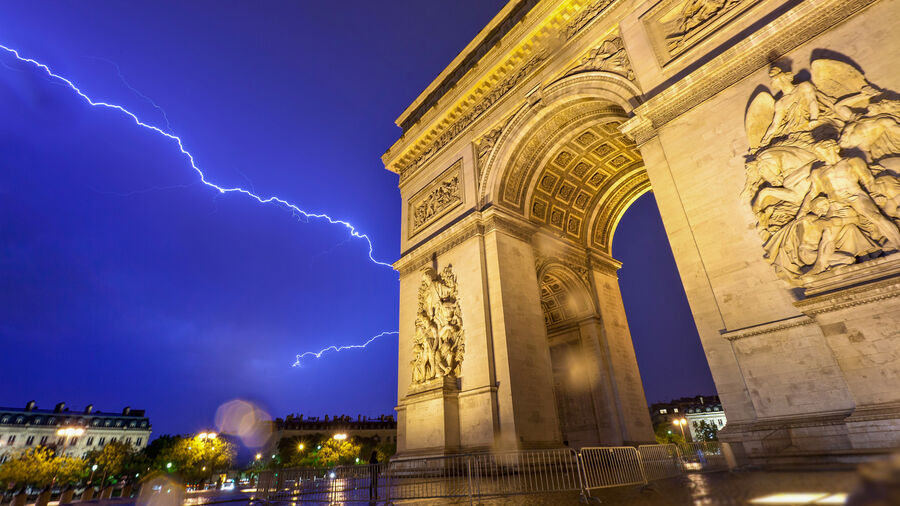
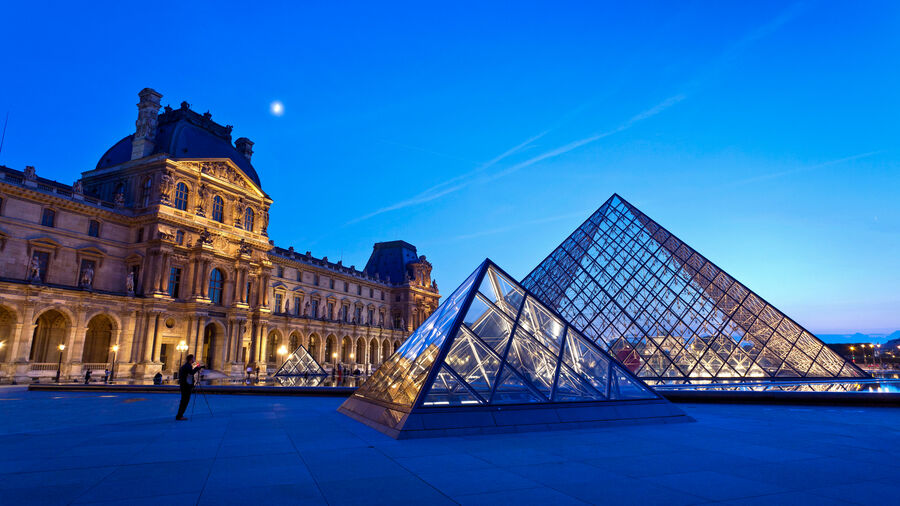
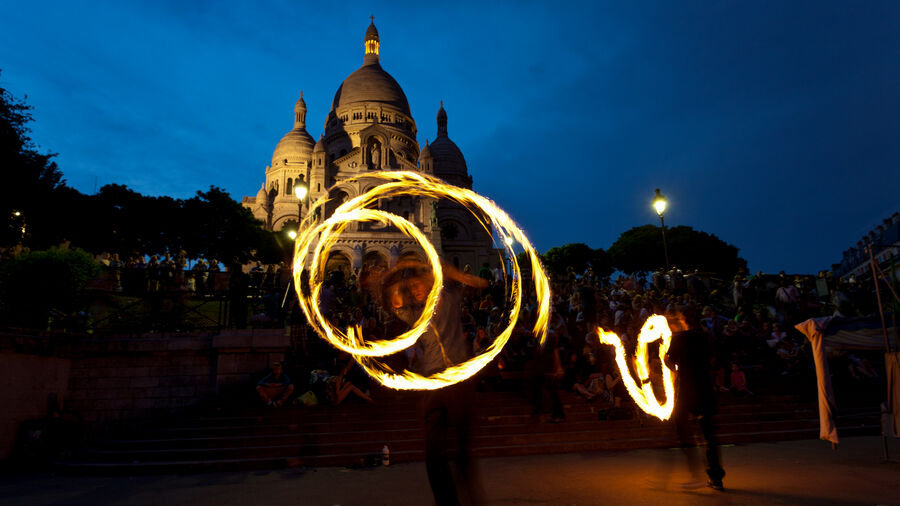
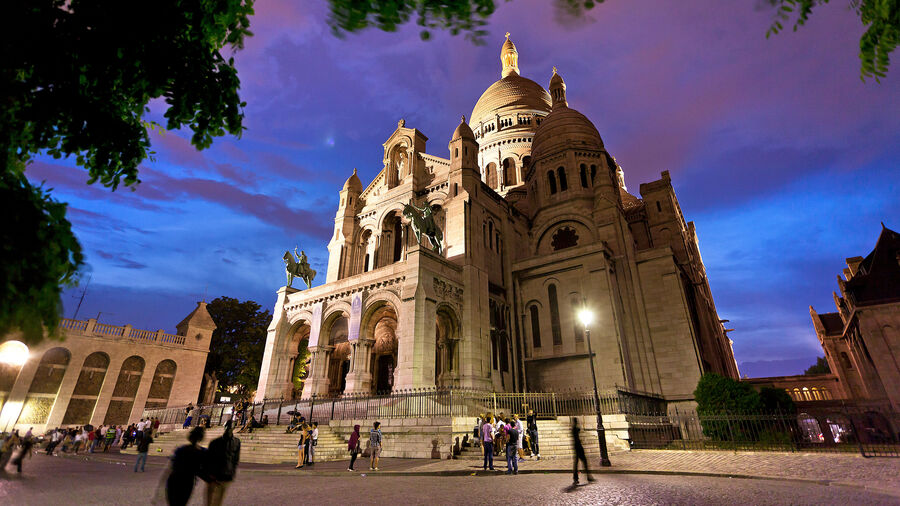
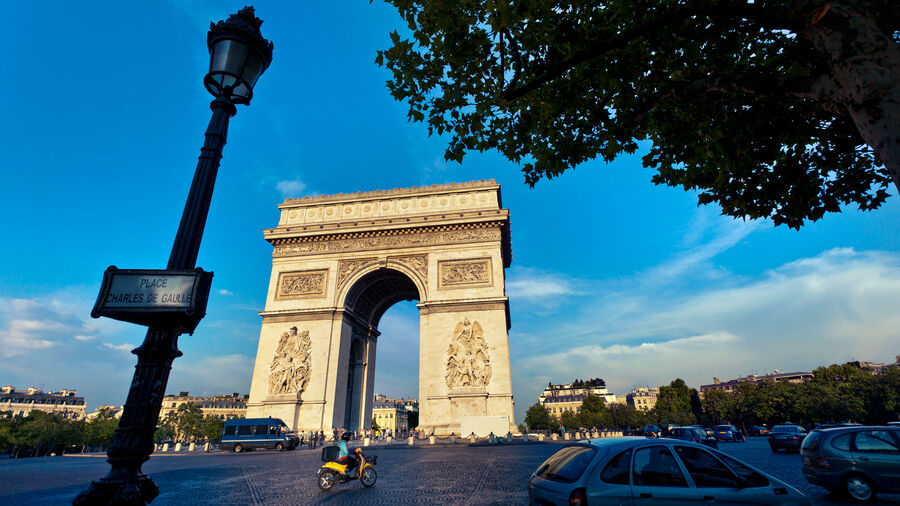
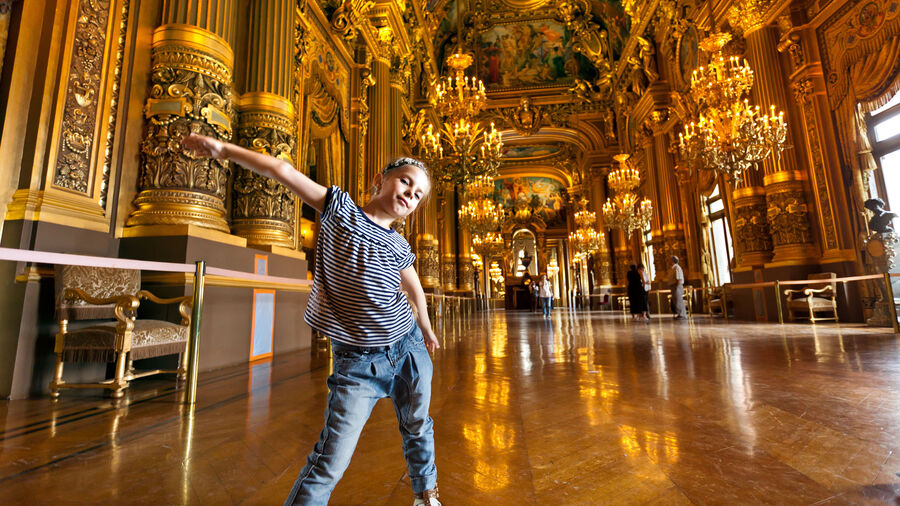
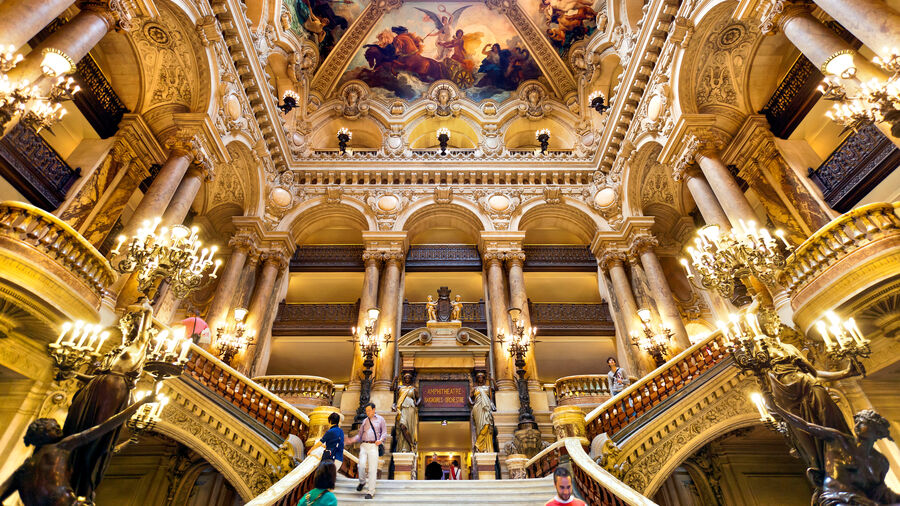
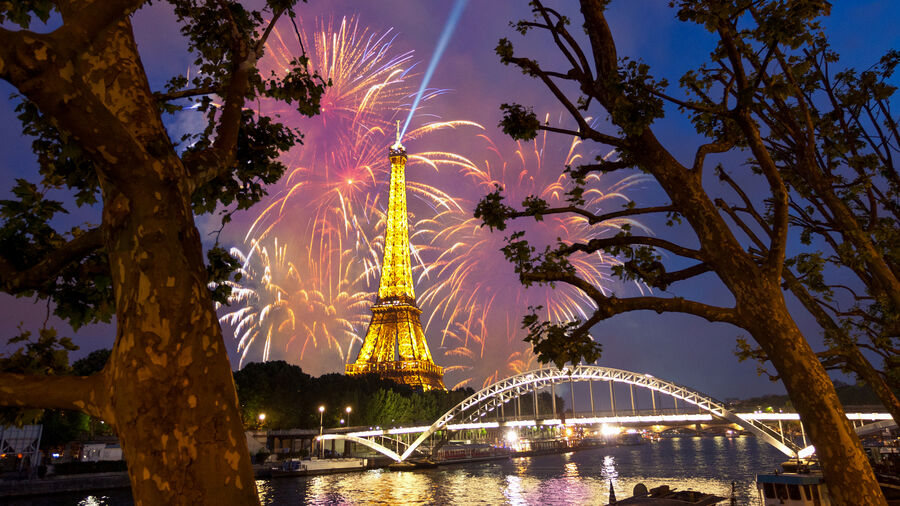
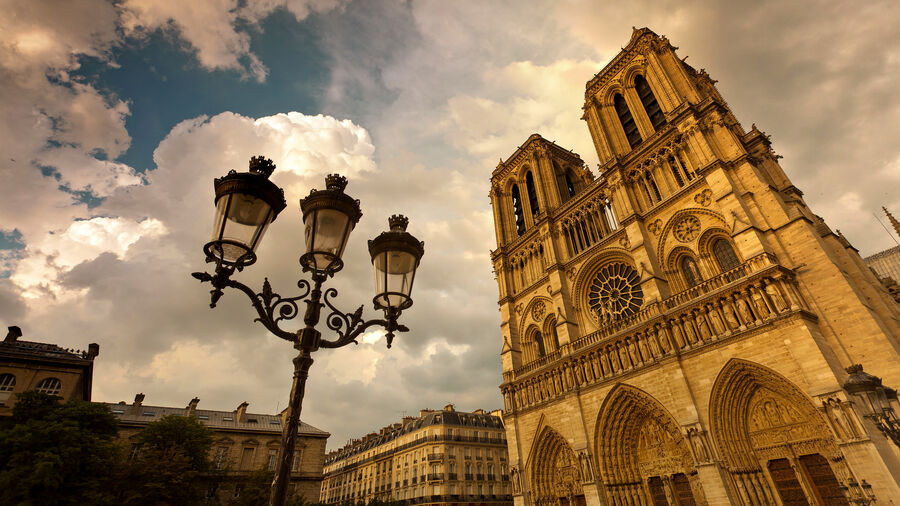
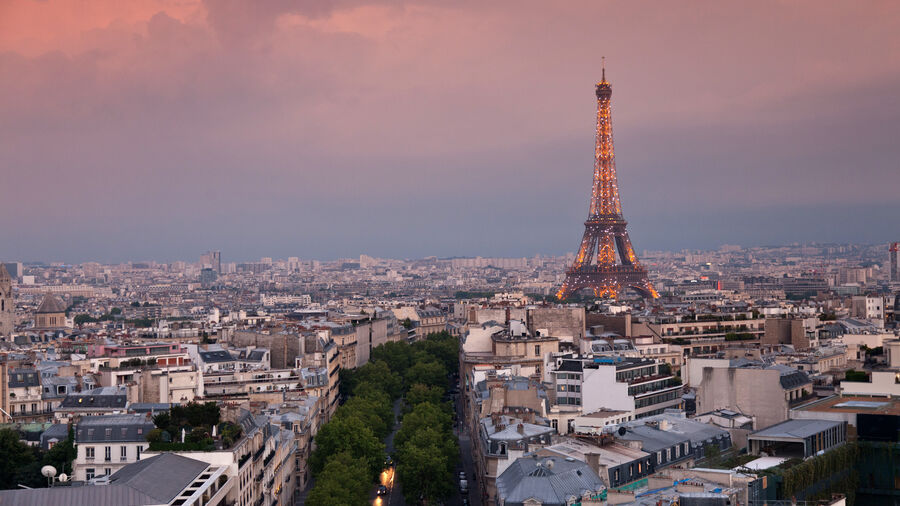
▲▲▲ Paris World capital of art, fashion, food, literature, and ideas, offering historic monuments, grand boulevards, corner cafés, chic boutiques, avant-garde architecture, and top-notch art galleries, including the Louvre and Orsay.
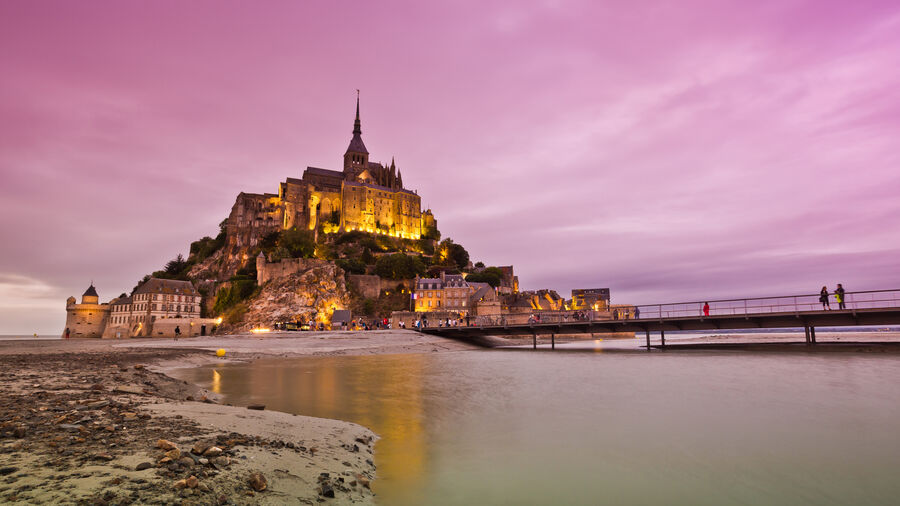
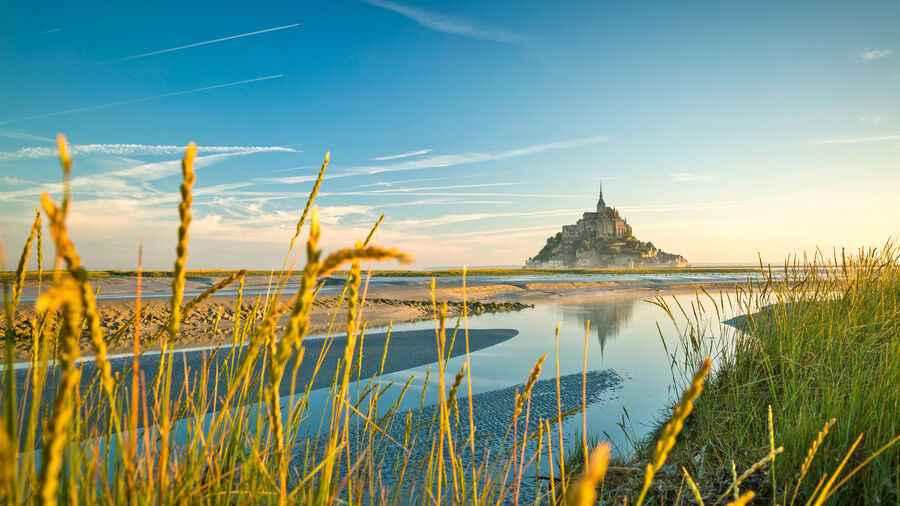
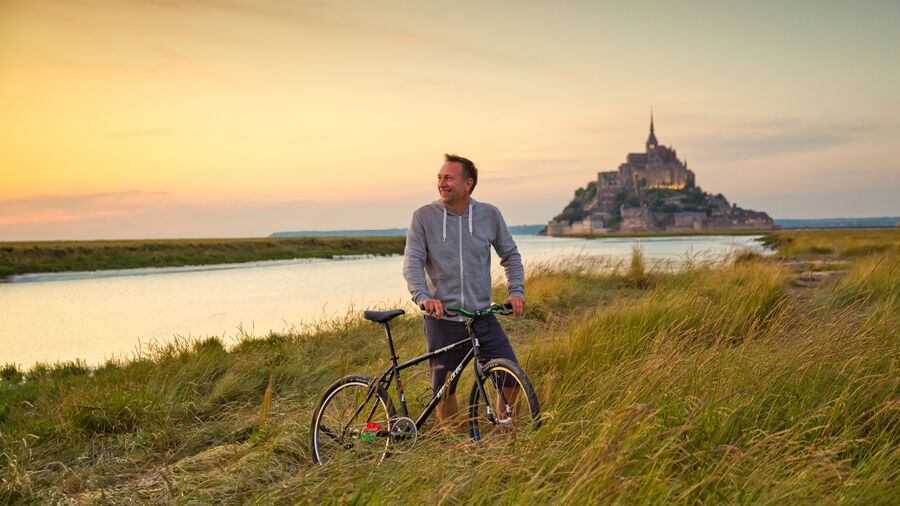
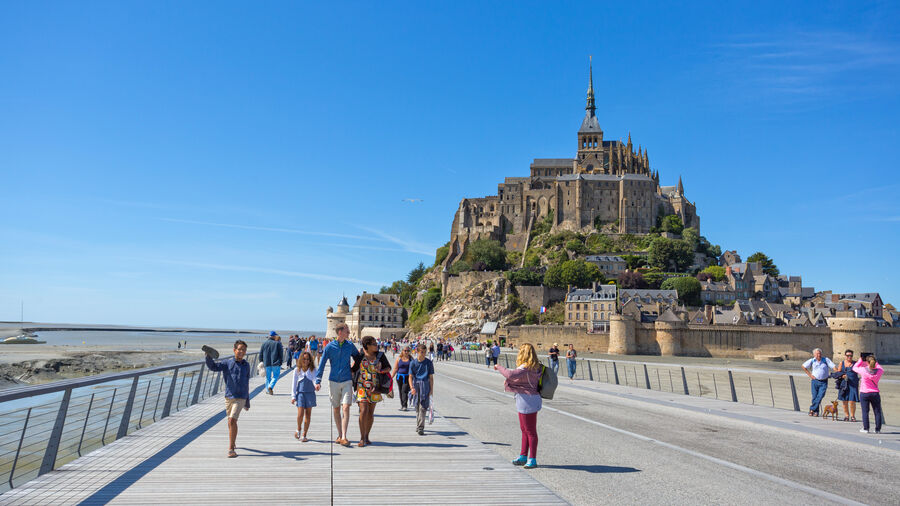
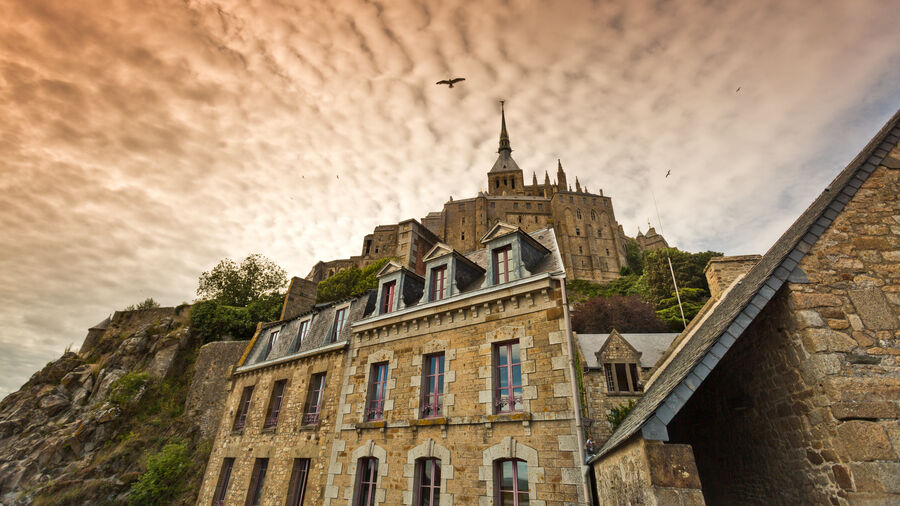
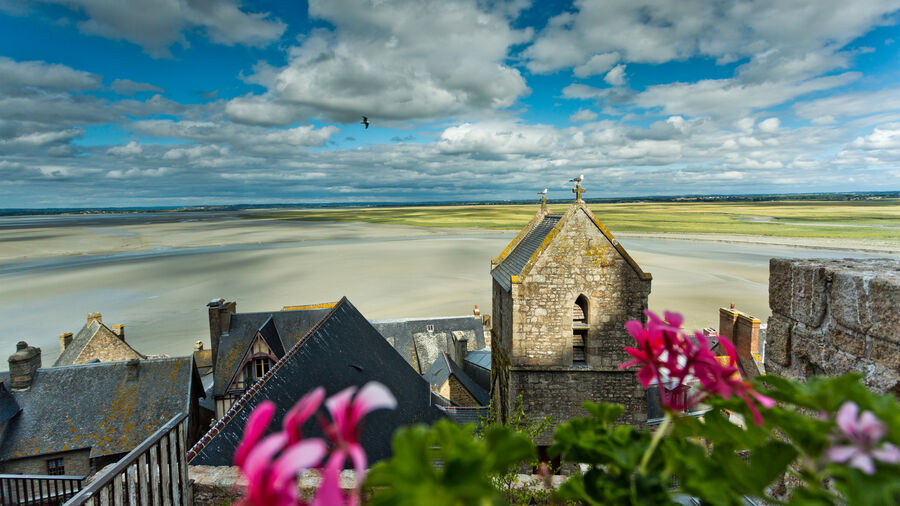
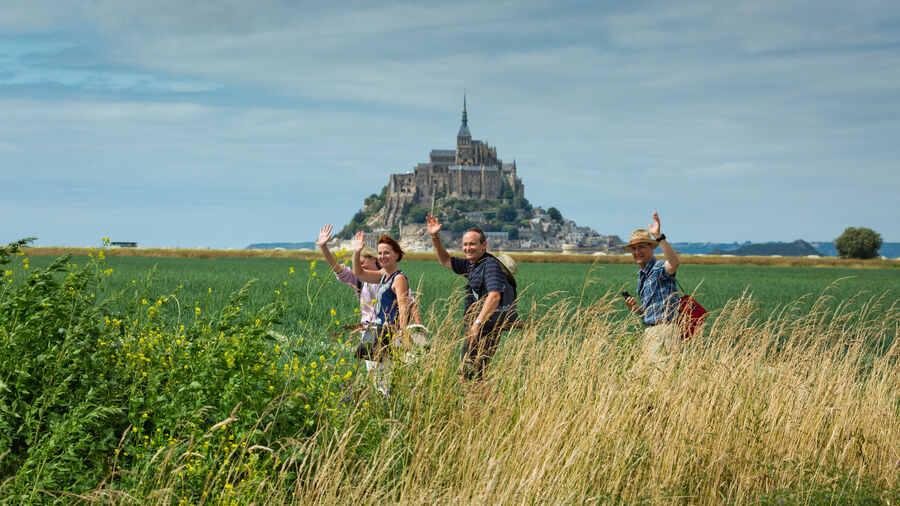
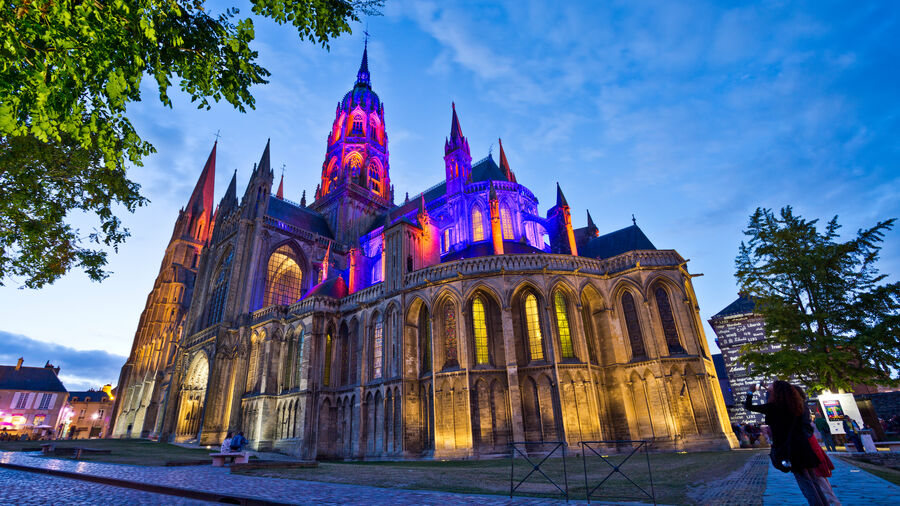
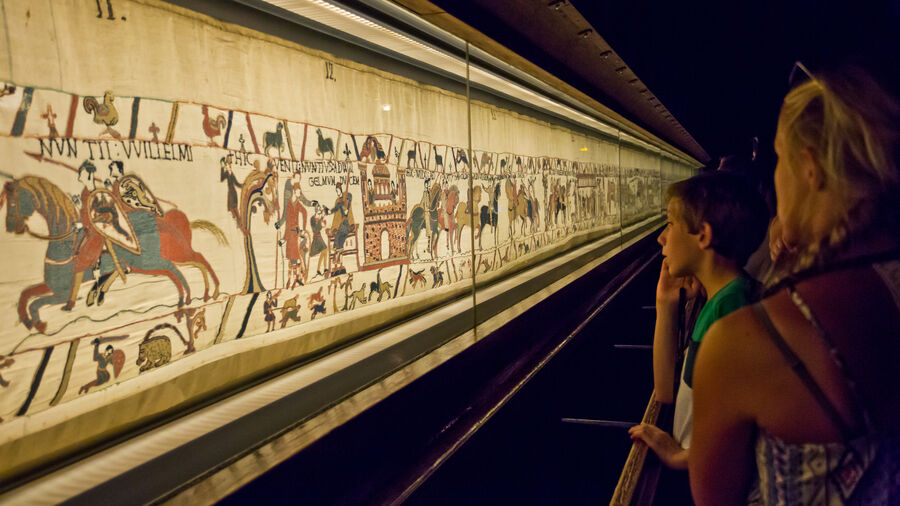
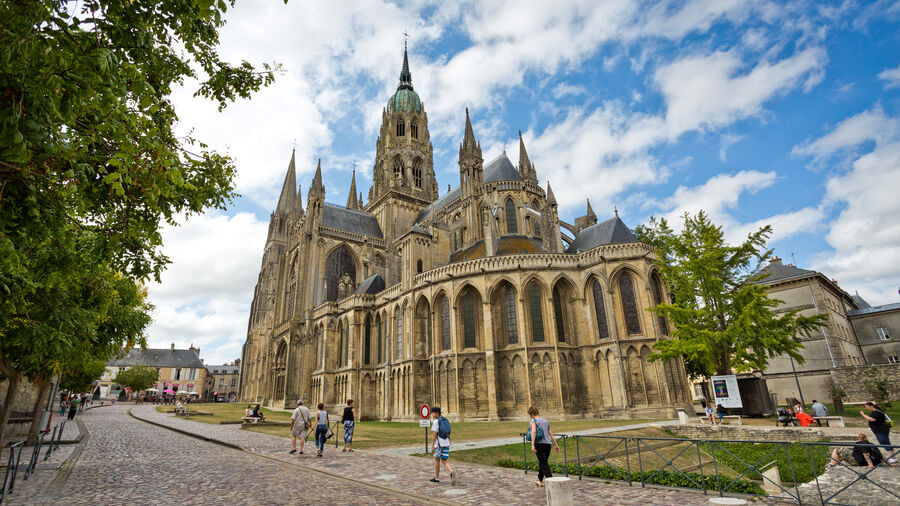
▲▲▲ Normandy Pastoral mix of sweeping coastlines, half-timbered towns, and intriguing cities, including bustling Rouen (Gothic architecture, Joan of Arc sites), the cozy port town of Honfleur, historic Bayeux (remarkable tapestry on the Battle of Hastings), stirring D-Day sites and museums, and the almost surreal island abbey of Mont St-Michel.
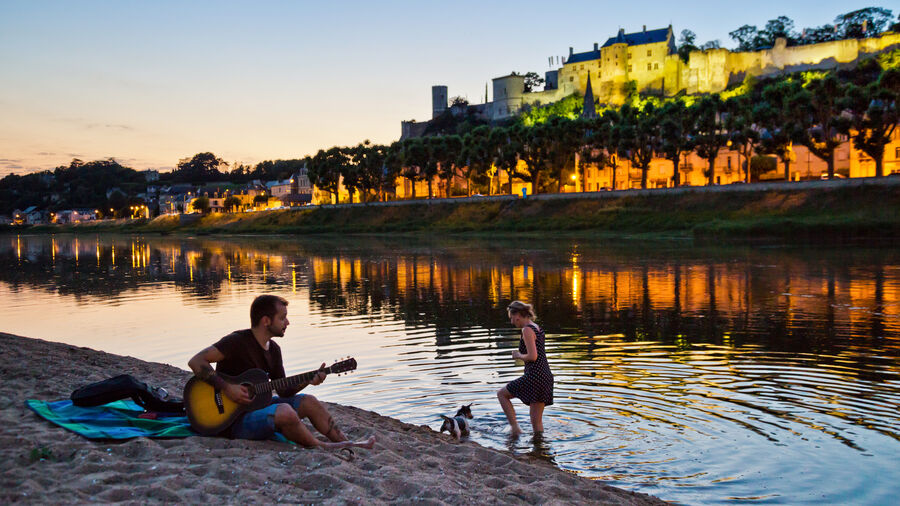
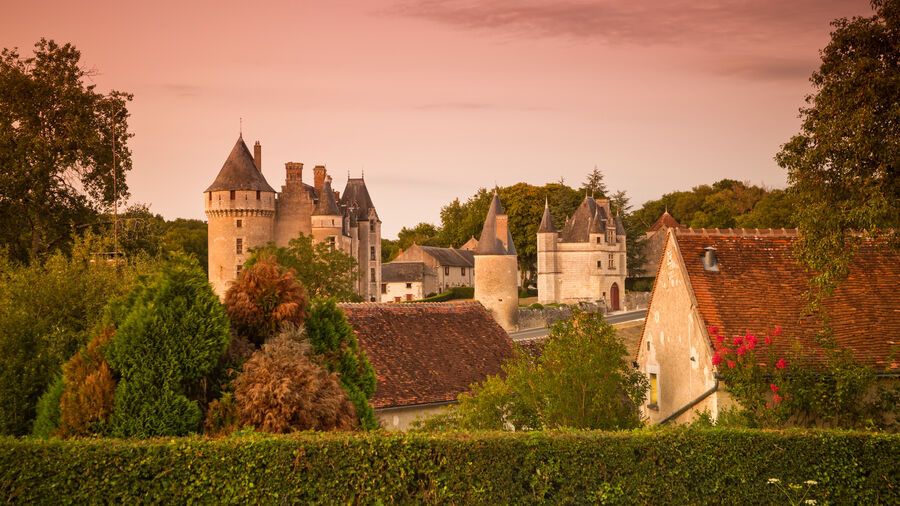
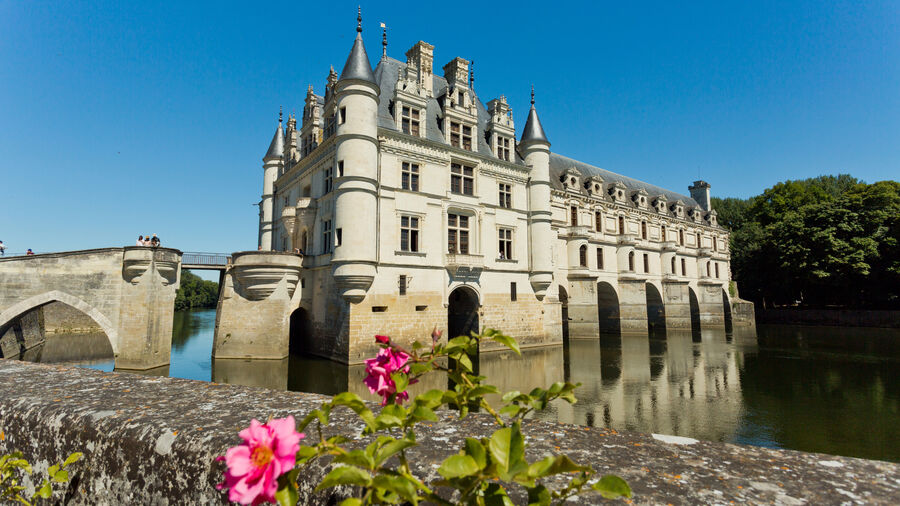
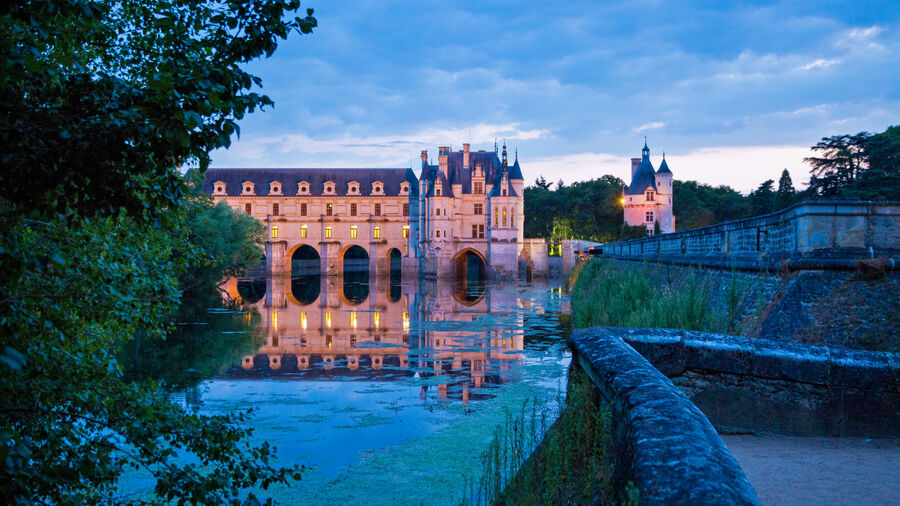
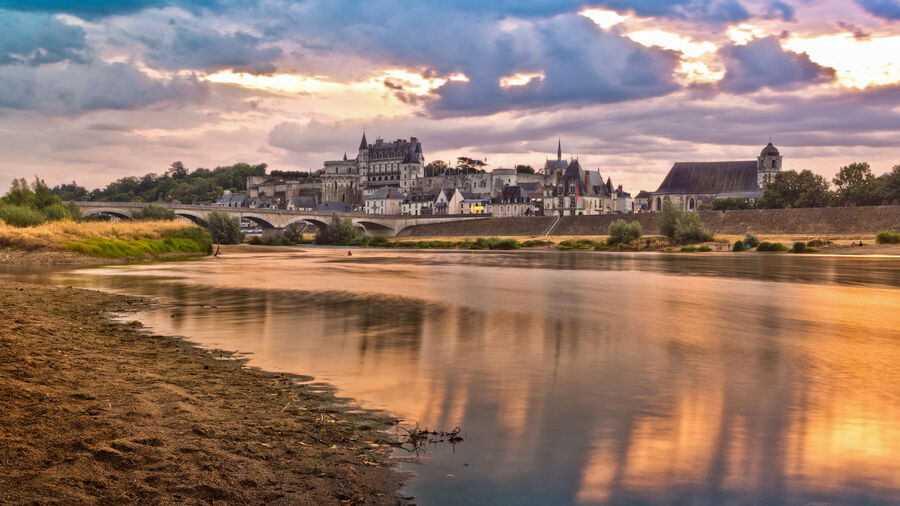
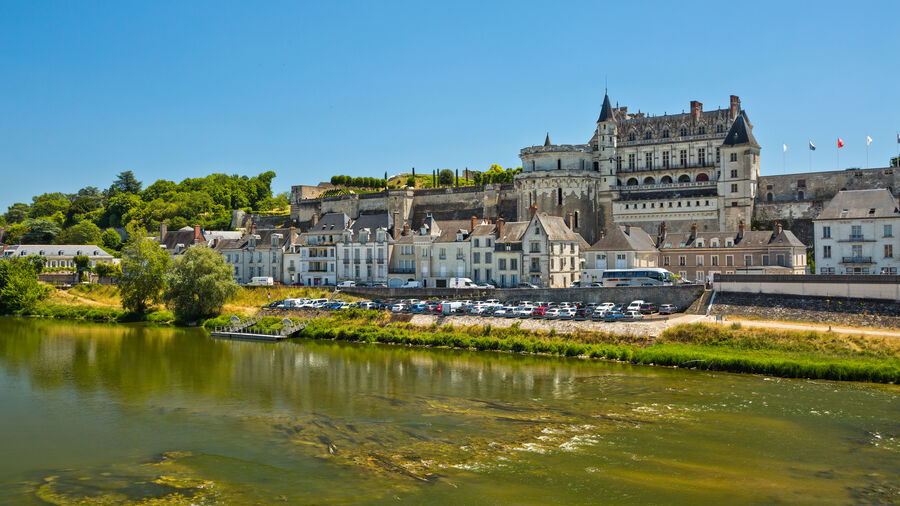
▲▲▲ Loire Picturesque towns (such as Amboise and Chinon) and hundreds of castles and palaces, including Chenonceaux (arcing across its river), the huge Château de Chambord, Villandry (wonderful gardens), lavishly furnished Cheverny, and many more.
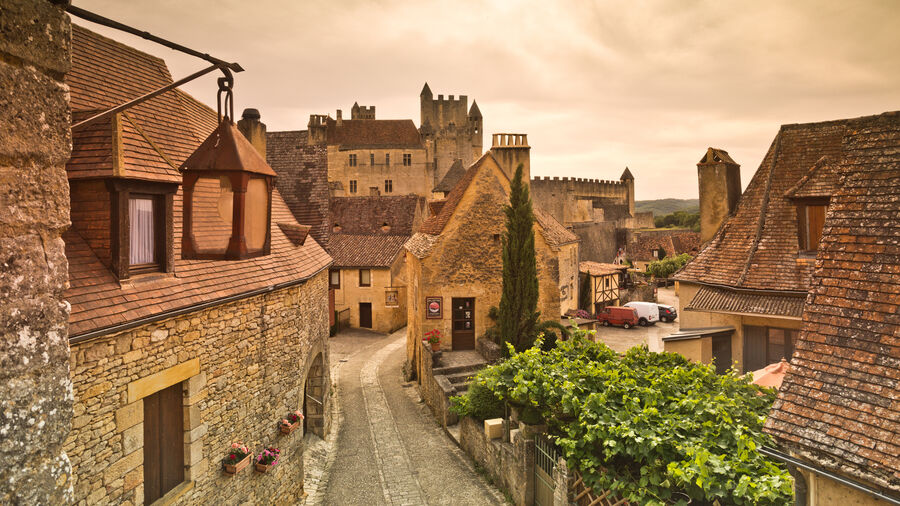
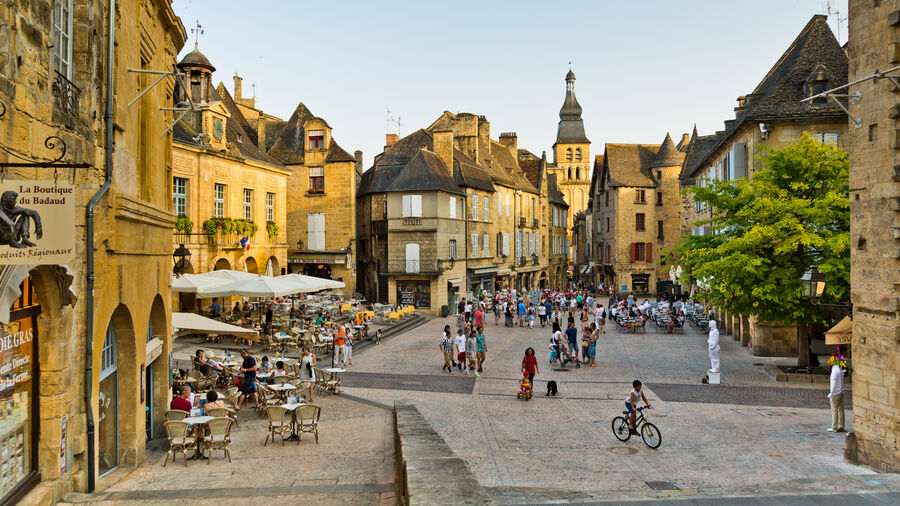
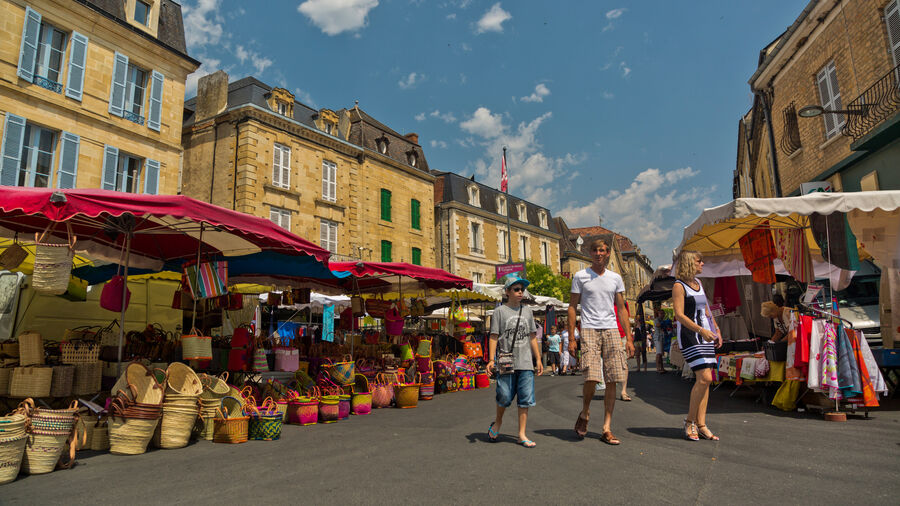
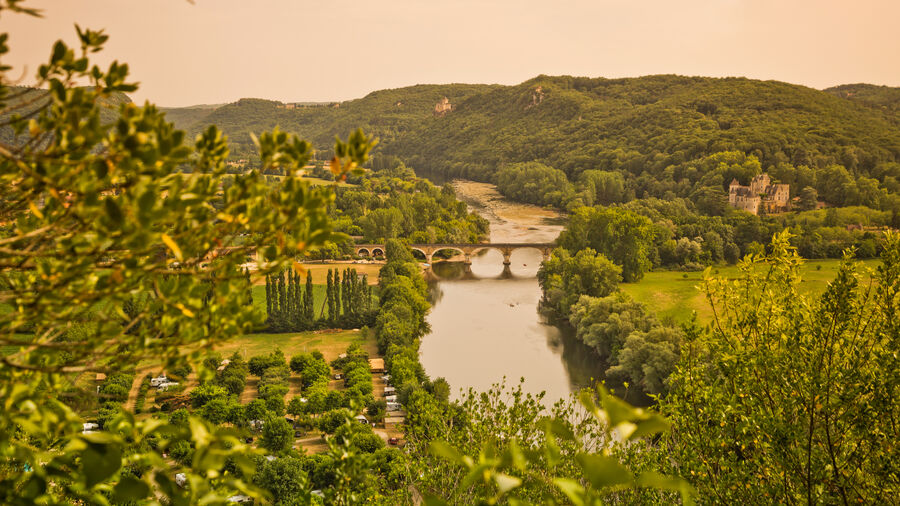
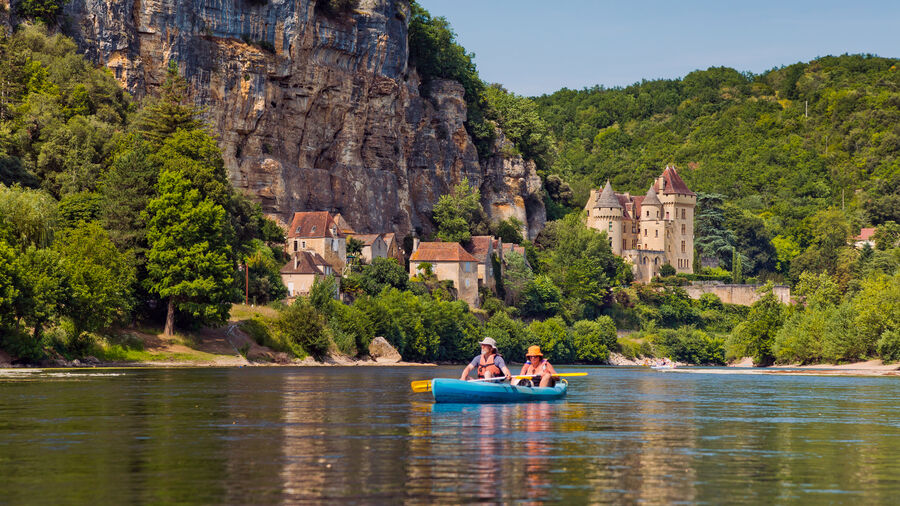
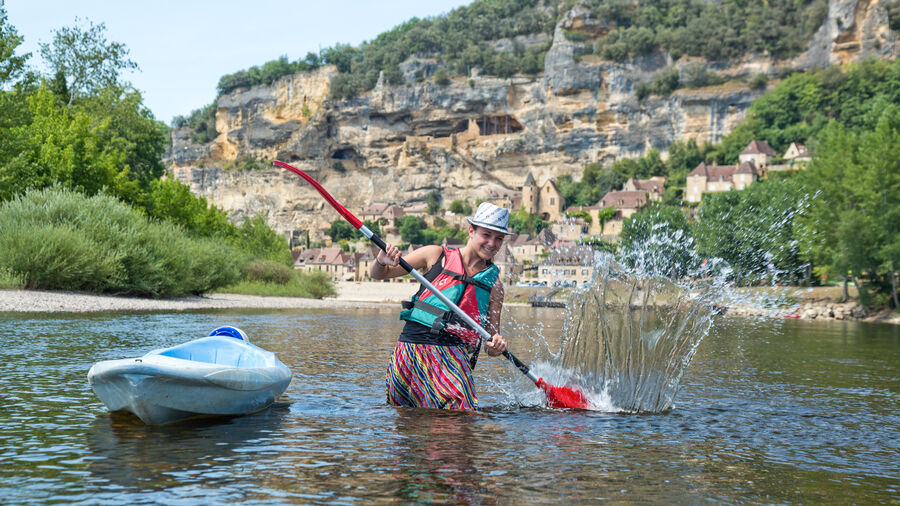
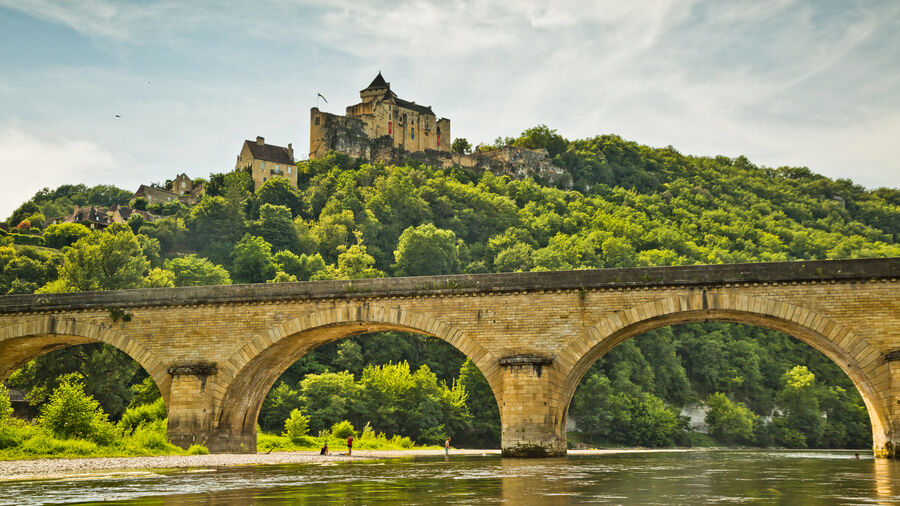
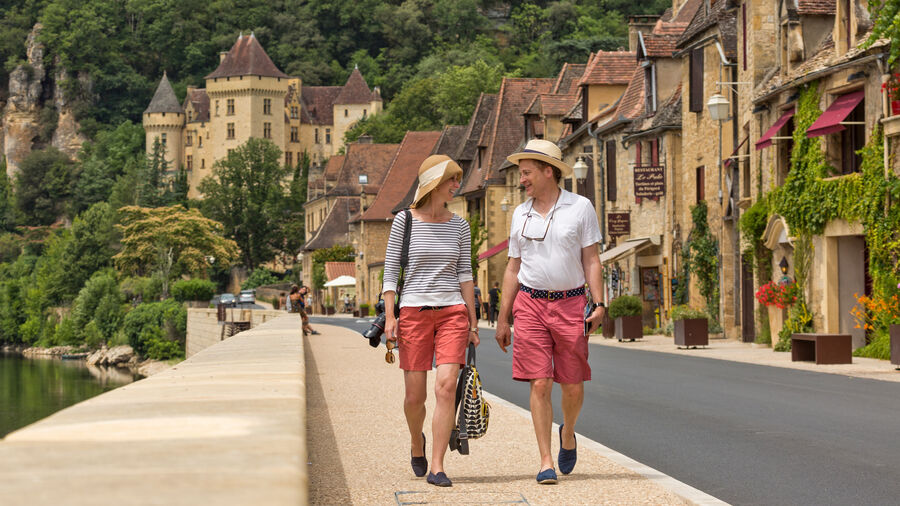
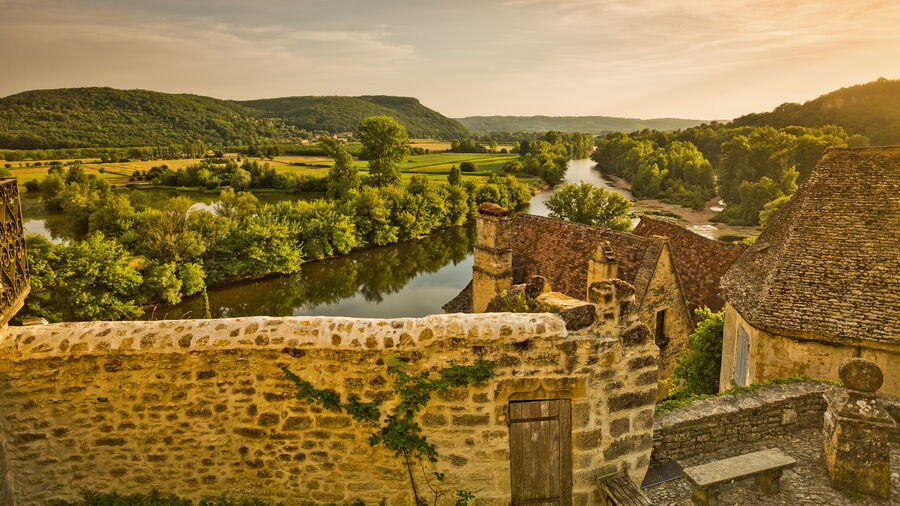
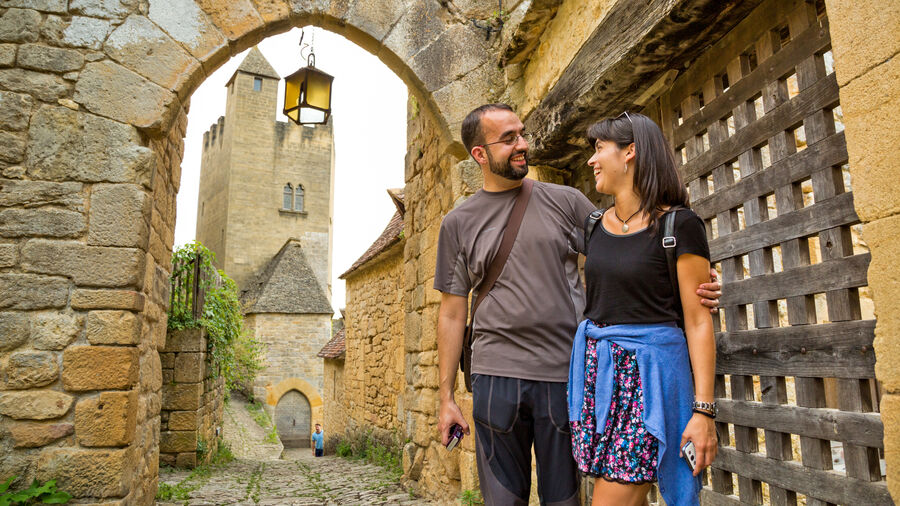
▲▲▲ Dordogne Prehistoric caves, rock-sculpted villages, lazy canoe rides past medieval castles, market towns such as pedestrian-friendly Sarlat-la-Canéda, and nearby, for wine lovers, St-Emilion.
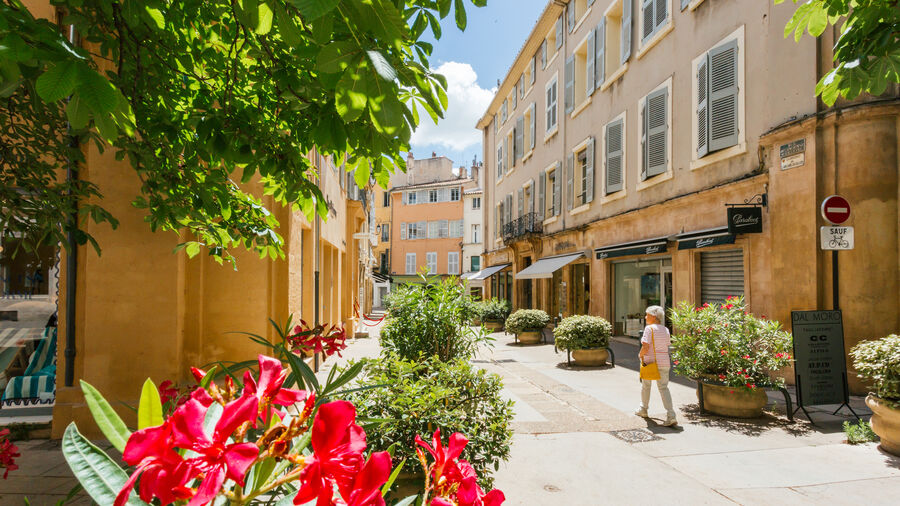
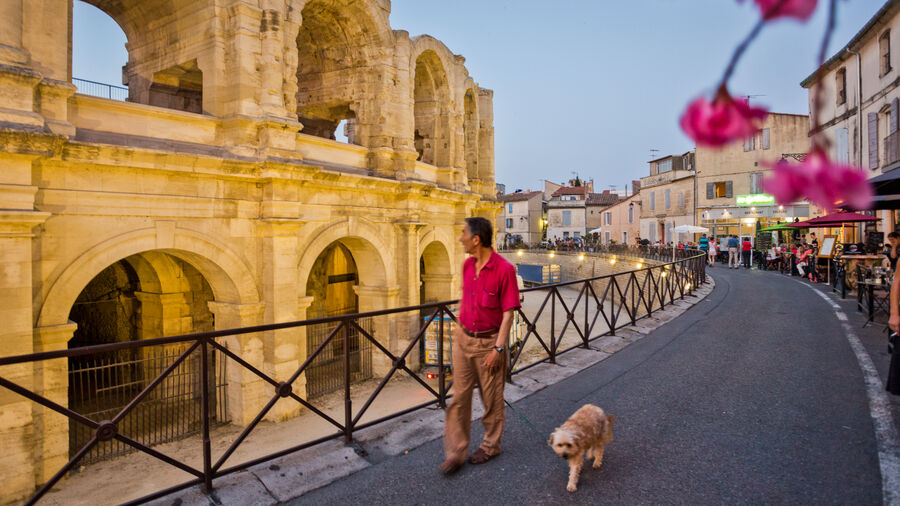
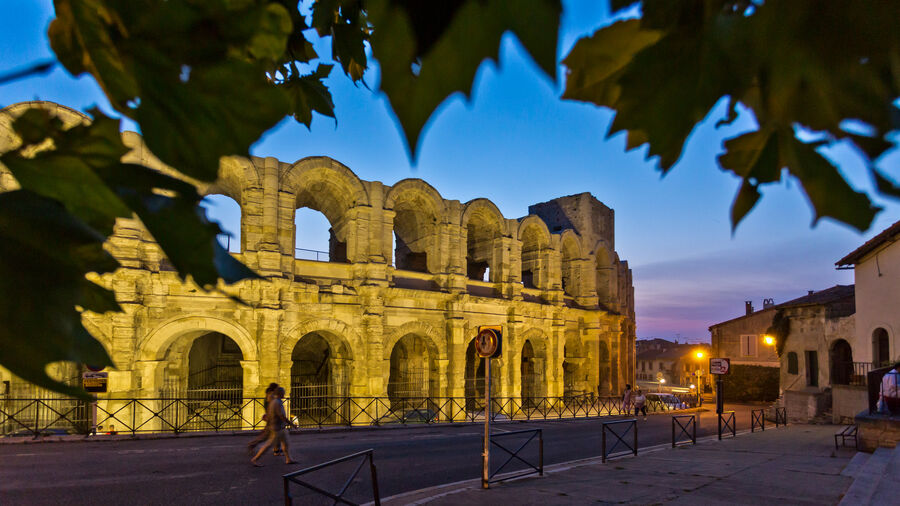
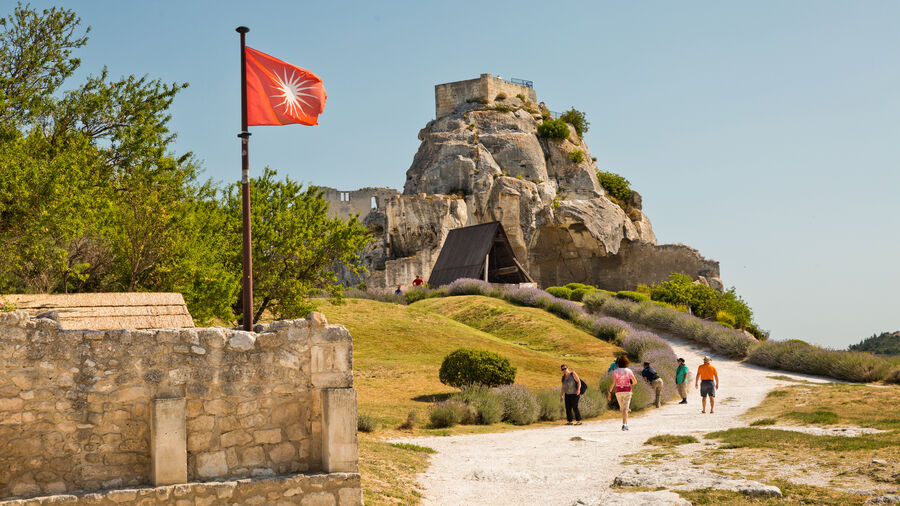
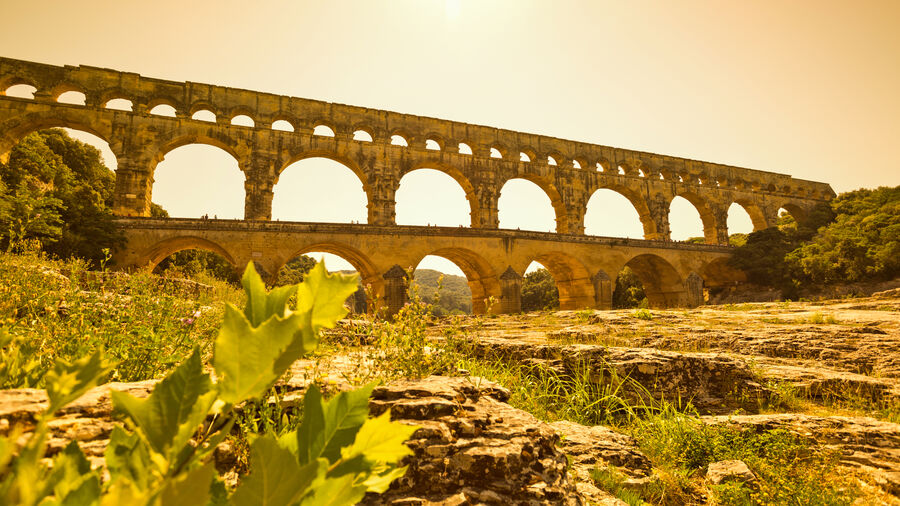
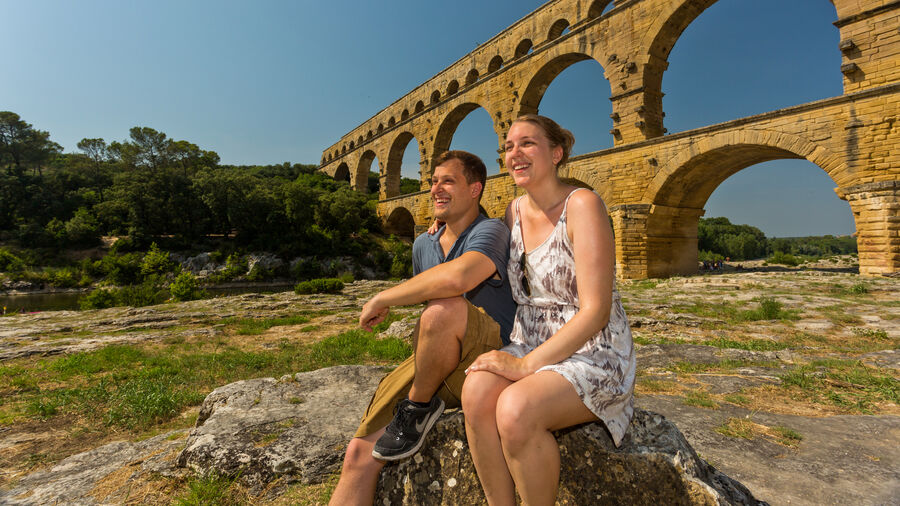
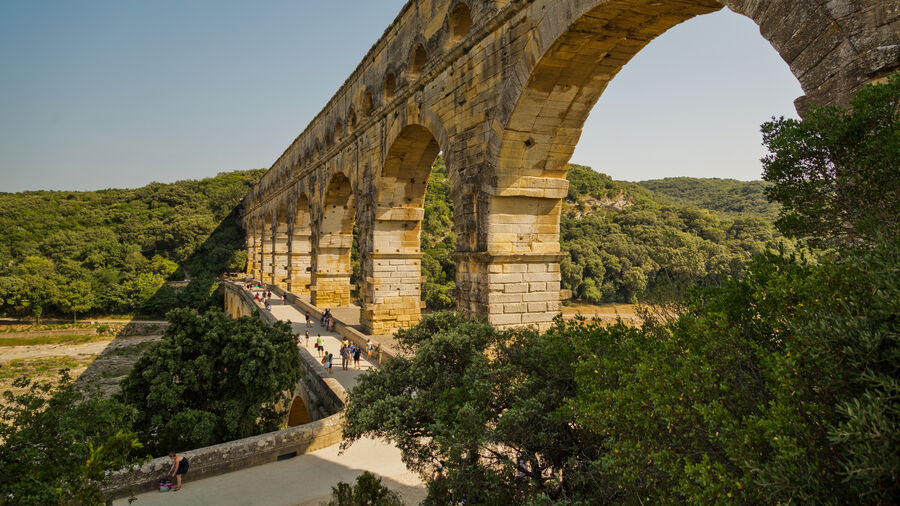
▲▲▲ Provence Home to Arles (Van Gogh sights, evocative Roman arena), Avignon (famous bridge and brooding Palace of the Popes), the ancient Roman aqueduct of Pont du Gard, Orange (Roman theater), the beautiful Côtes du Rhone wine road, and rock-top villages such as Les Baux, Roussillon, and Vaison-la-Romaine.
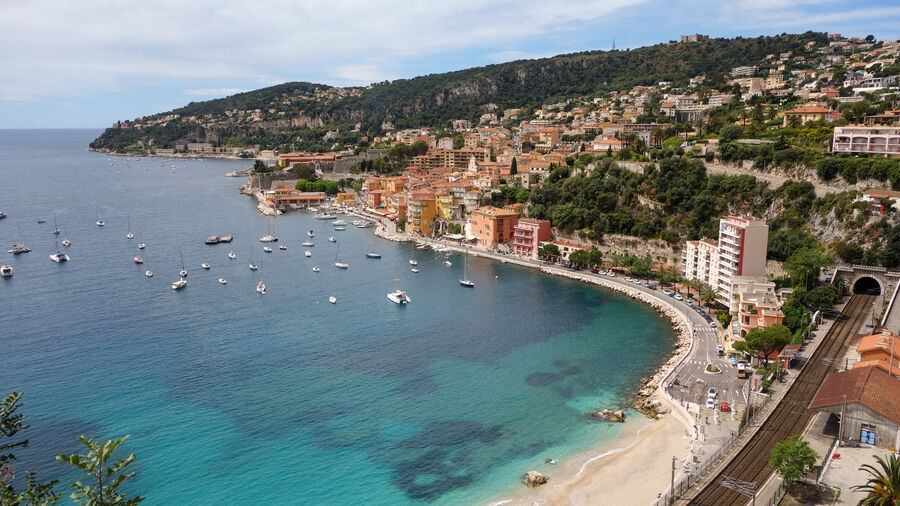
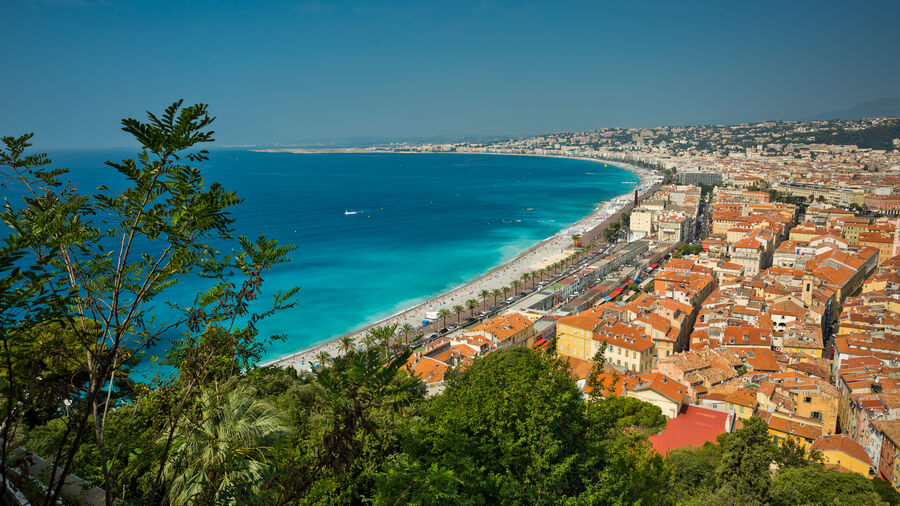
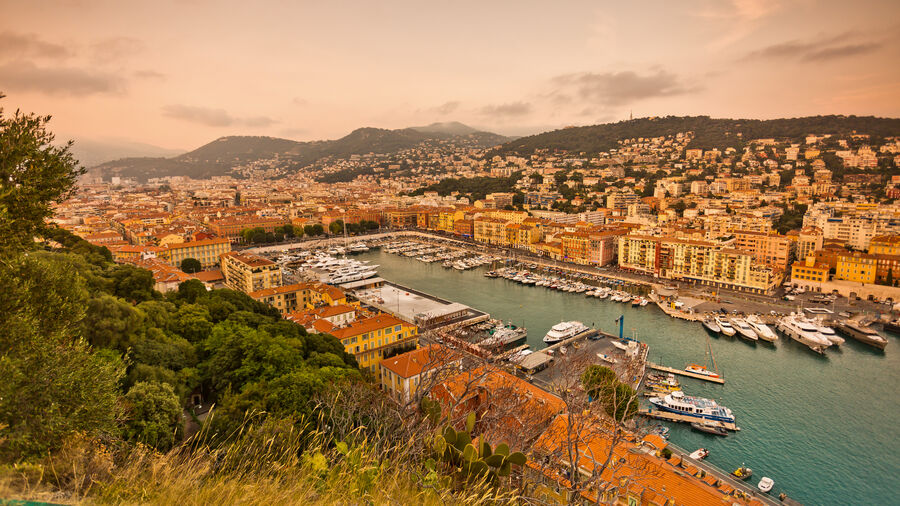
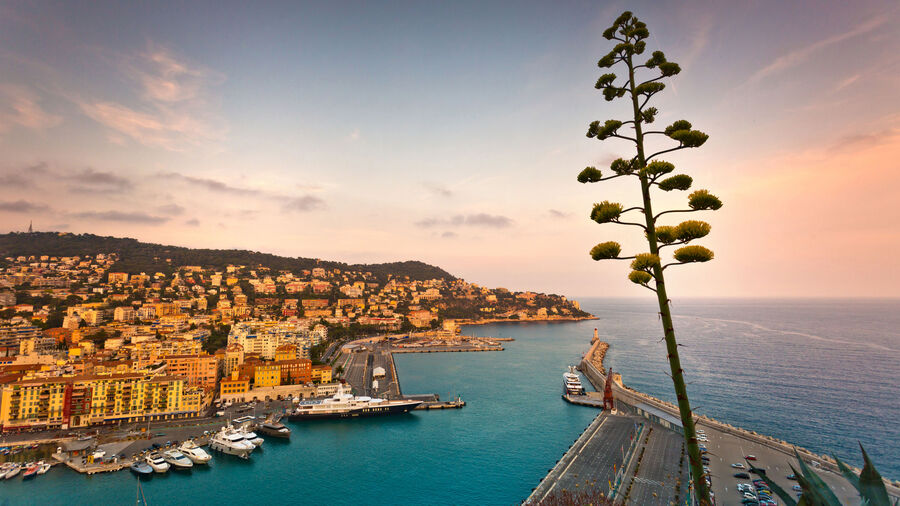
▲▲▲ French Riviera A string of coastal resorts, including Nice (big city with seafront promenade and art museums), romantic Villefranche-sur-Mer, glitzy Monaco (casino), yacht-crazy Antibes (silky-sandy beaches), intriguing inland villages (Vence and St. Paul-de-Vence), and little hilltop Eze-le-Village, with marvelous Mediterranean views.
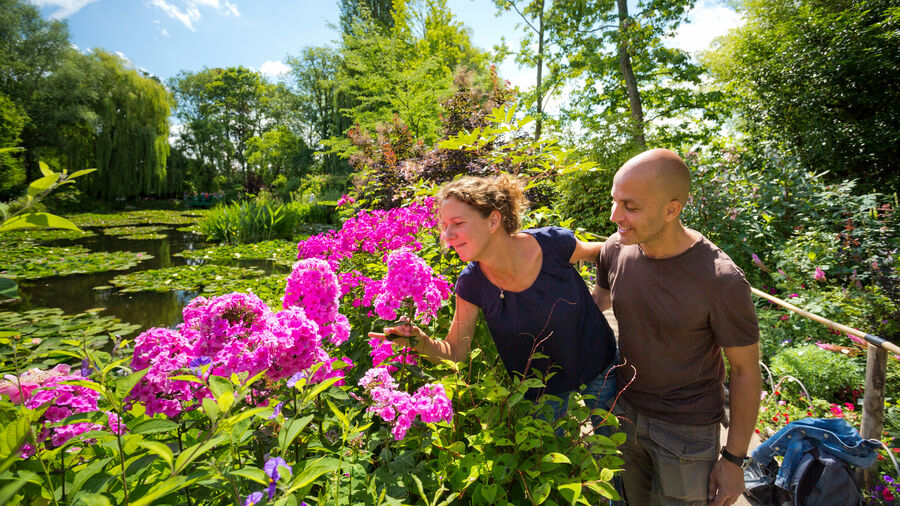
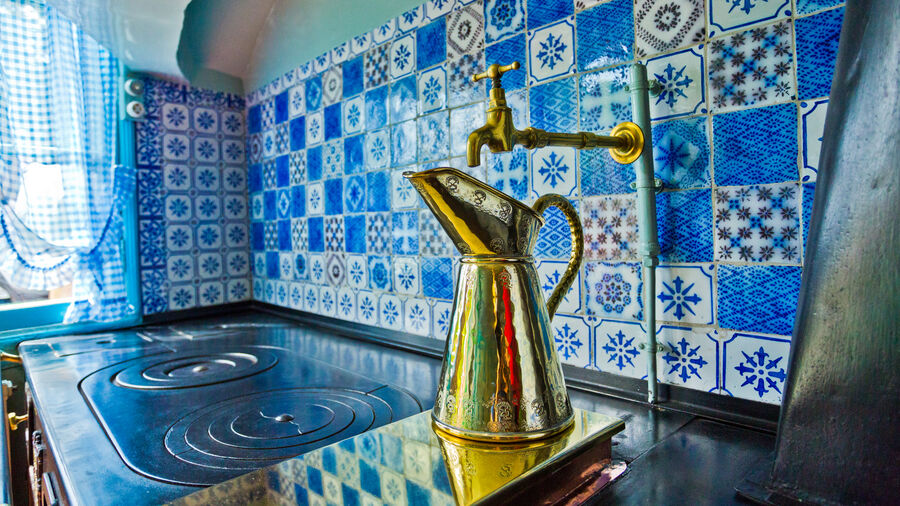
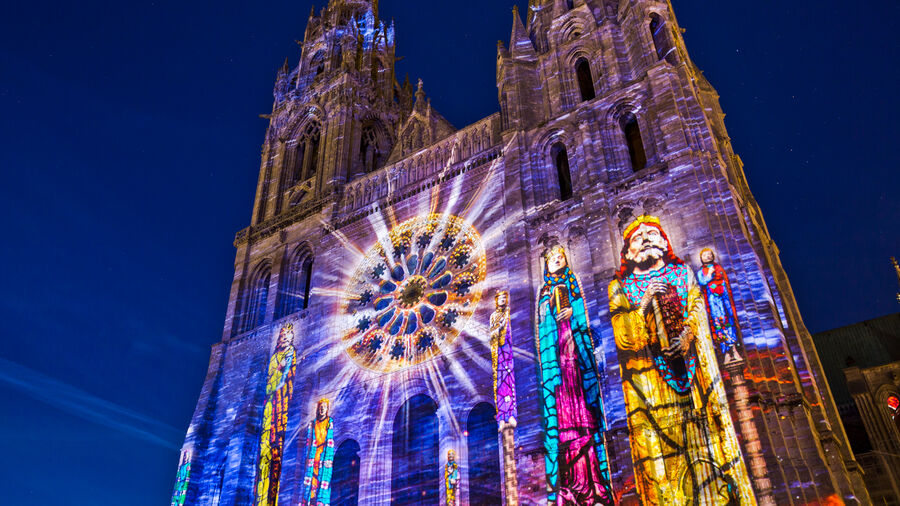
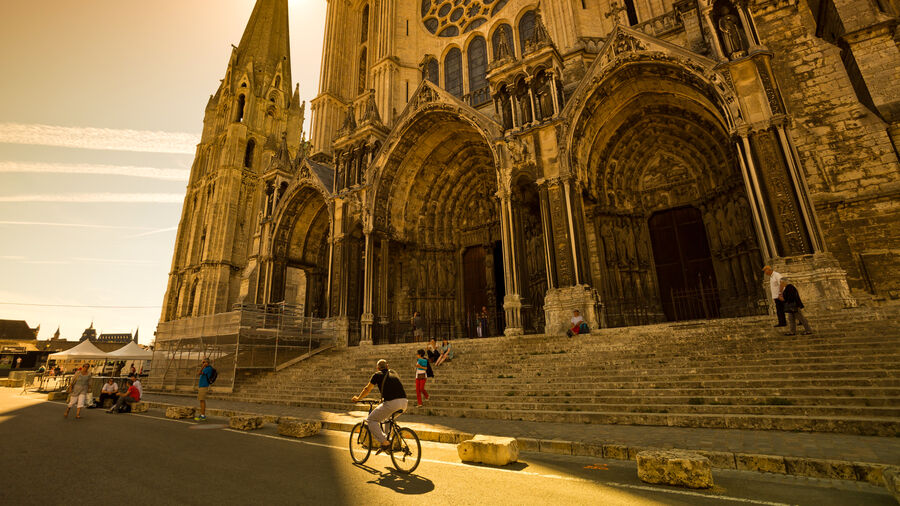
▲▲ Near Paris Europe's grandest palace at Versailles, the radiant cathedral of Chartres, and Monet's flowery gardens at Giverny.
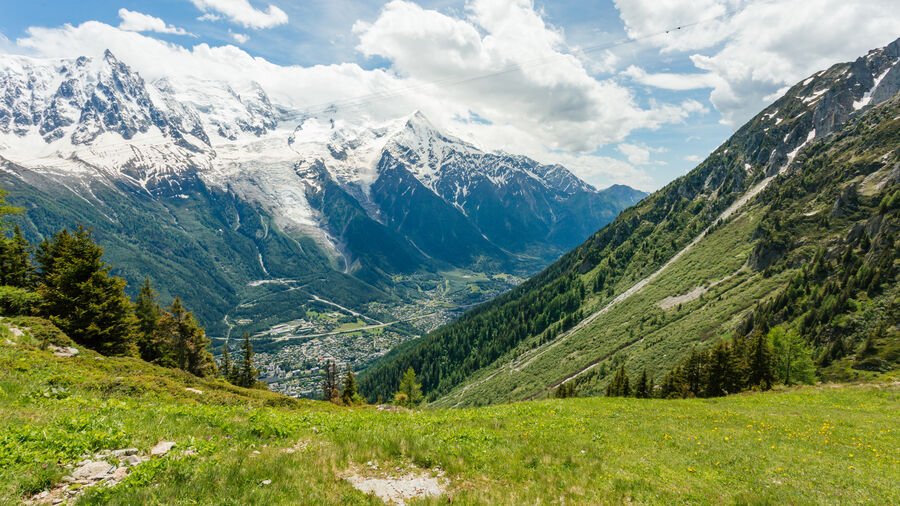
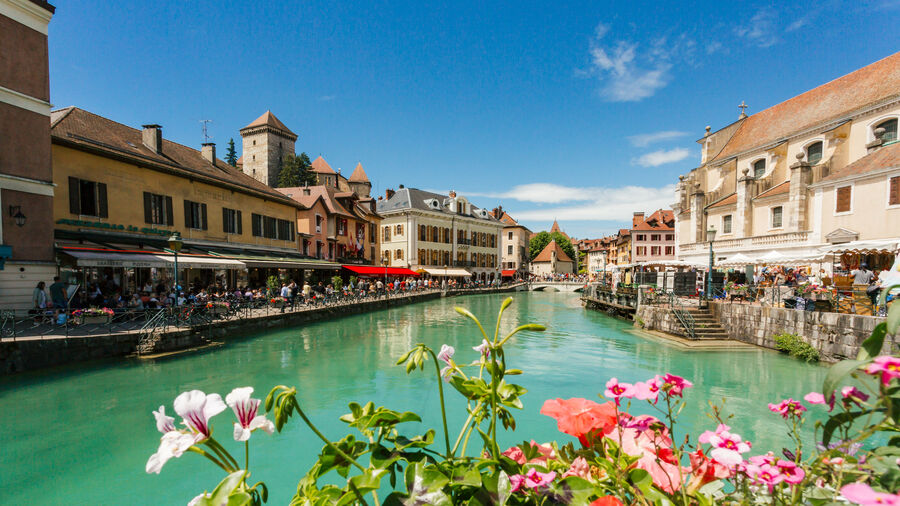
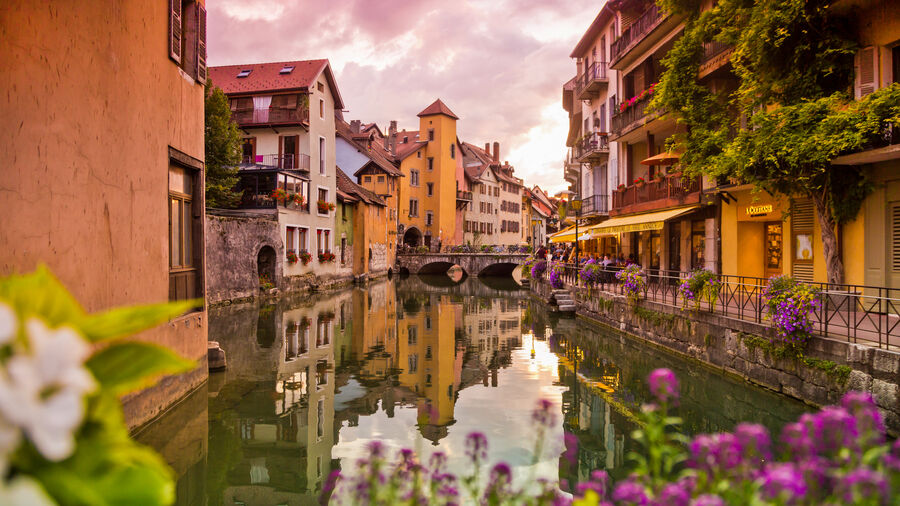
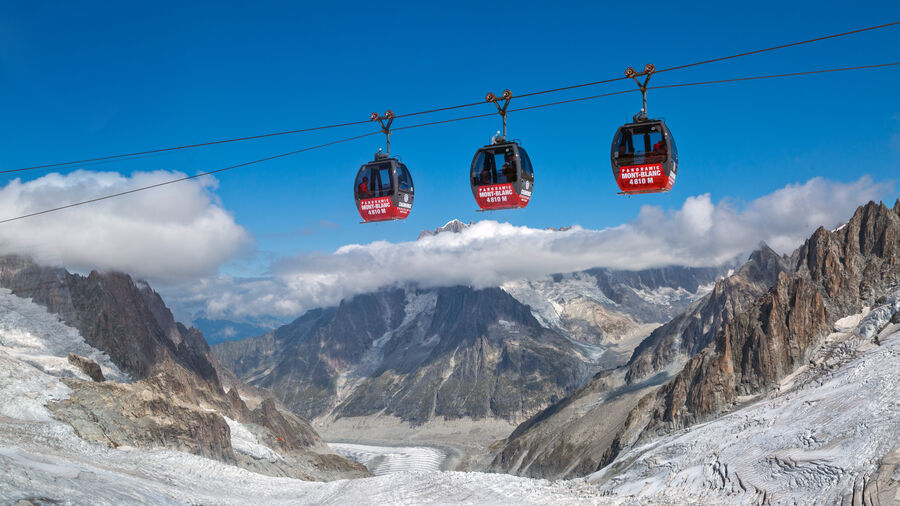
▲▲ French Alps Spectacular scenery featuring the drop-dead gorgeous town of Annecy, Mont Blanc (the Alps' highest peak), and the world-famous ski resort of Chamonix, with hikes galore and lifts to stunning alpine views.
▲▲ Burgundy Aged blend of vineyards and spirituality, with the compact town of Beaune (world-famous vineyards), Fontenay (France's best-preserved medieval abbey), Vézelay (magnificent Romanesque church), and the one-of-a-kind medieval castle under construction at Guédelon.
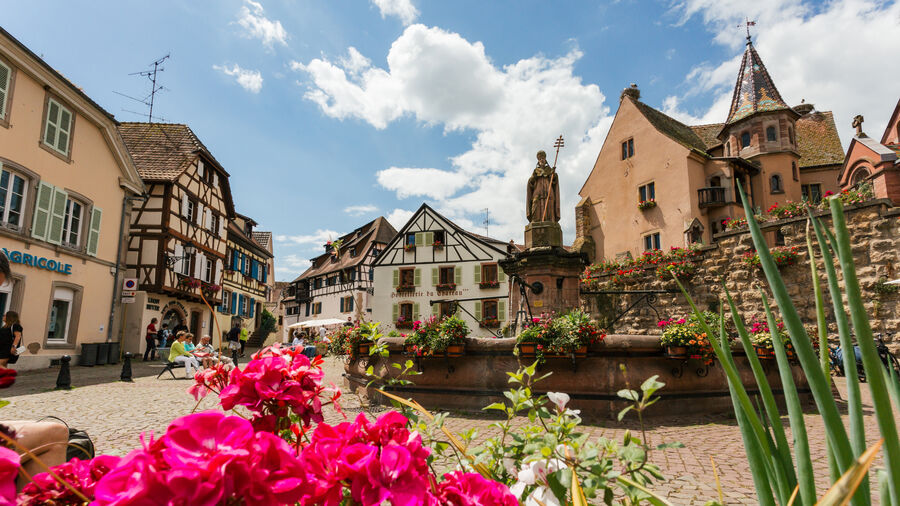
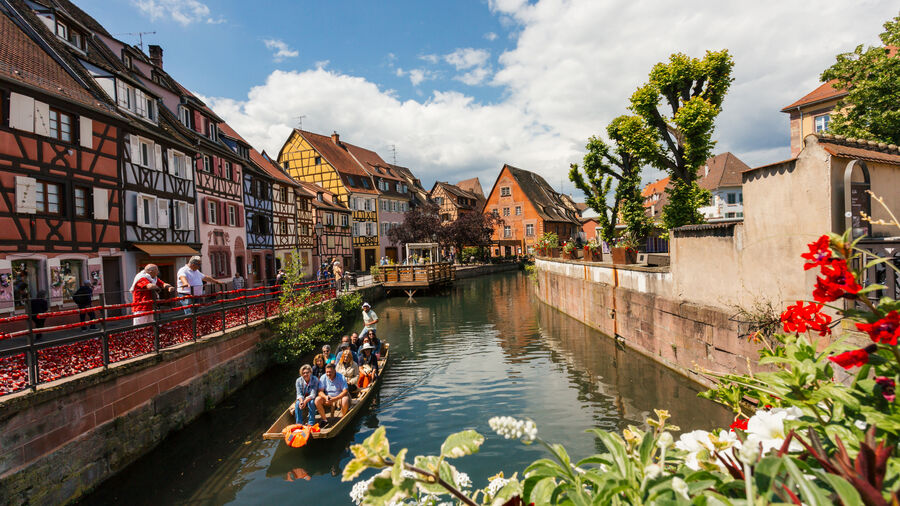
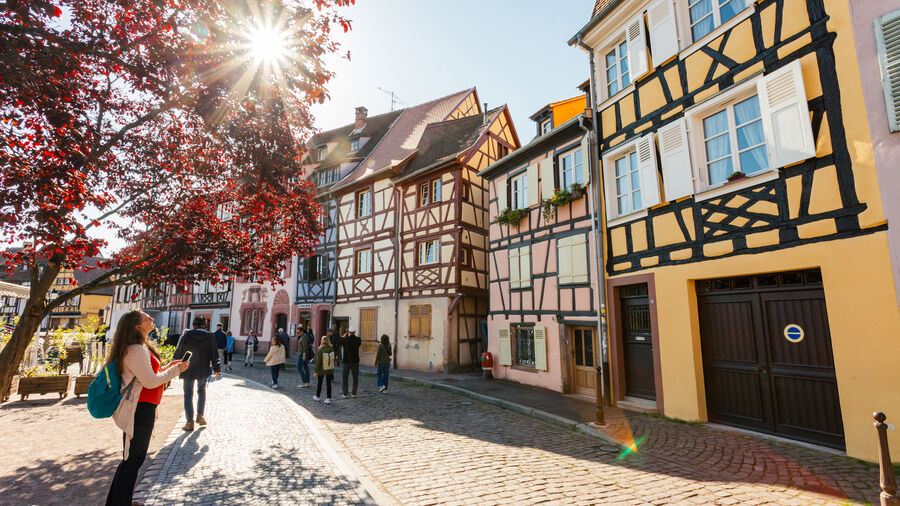
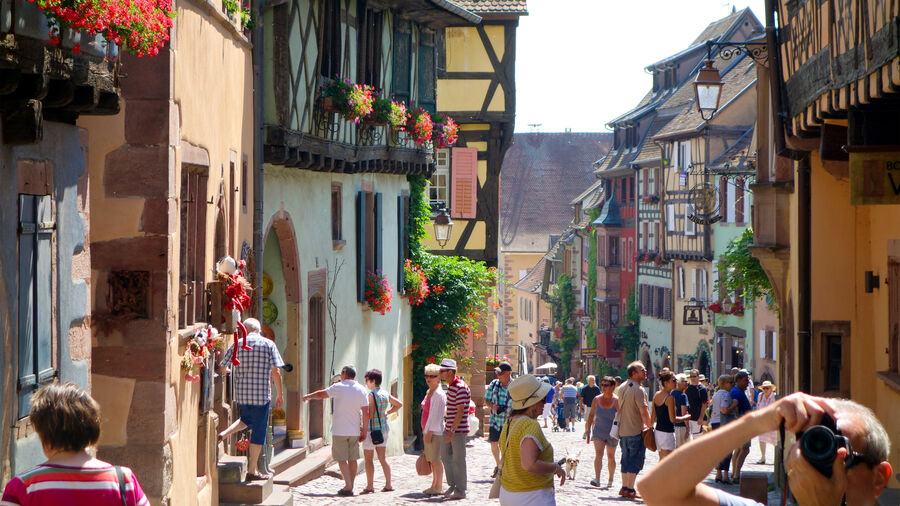
▲▲ Alsace Franco-Germanic region dotted with wine-road villages, starring half-timbered Colmar and its world-class art, and high-powered Strasbourg and its sensational cathedral.
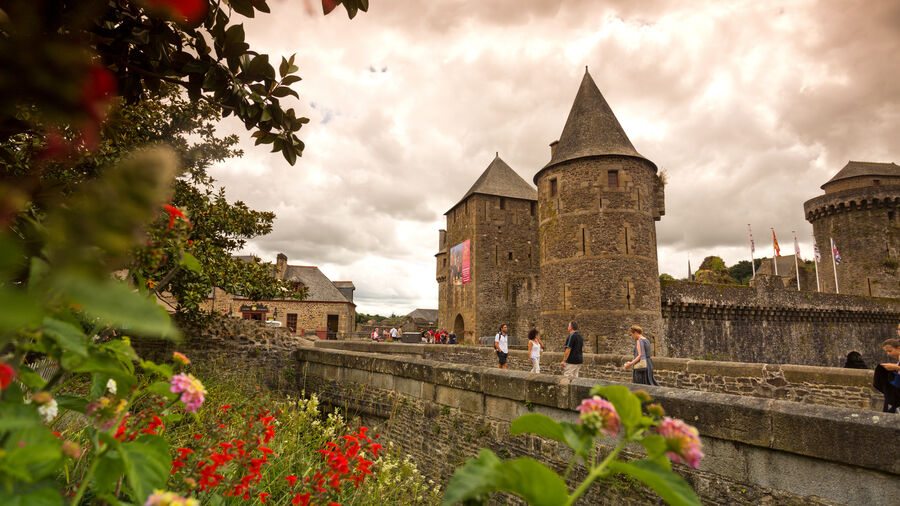
▲ Brittany Windswept and rugged, with a forgotten interior, gorgeous coast, Celtic ties, two notable towns: Dinan (Brittany's best medieval center) and the beach resort of St-Malo, and the sea-swept castle of Fort la Latte.
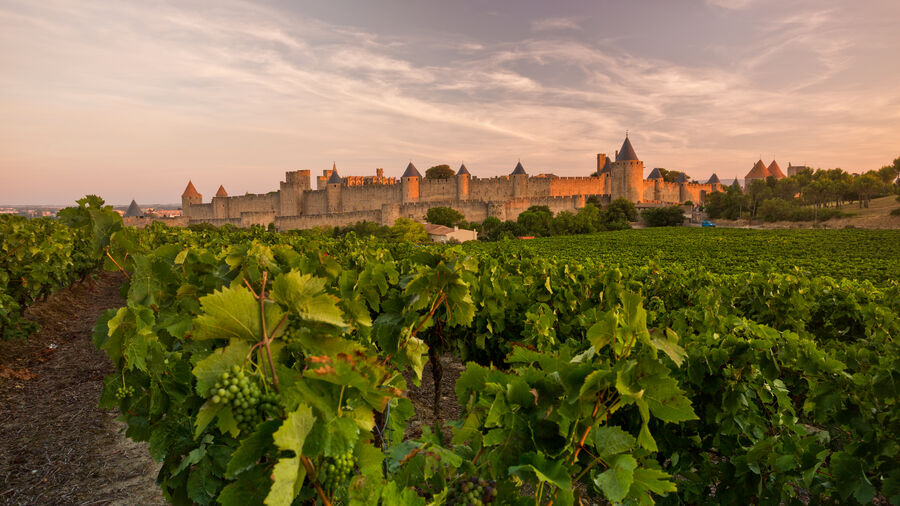
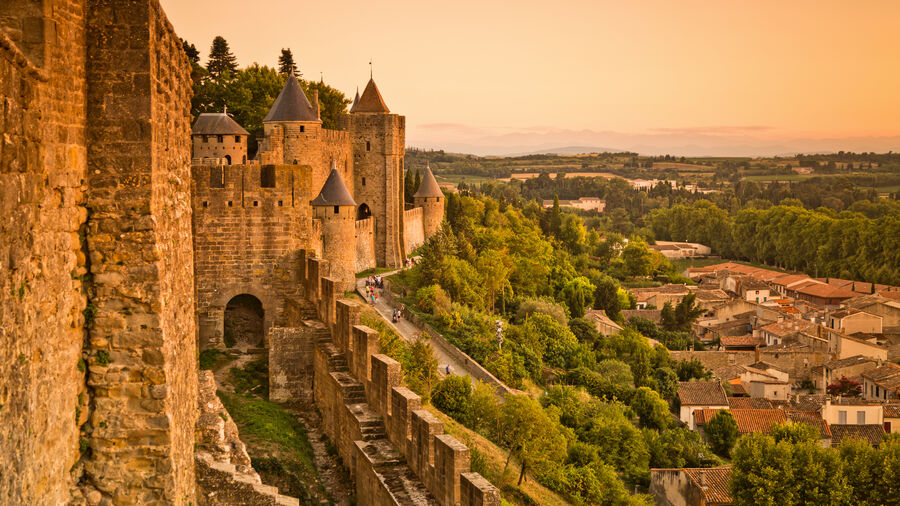
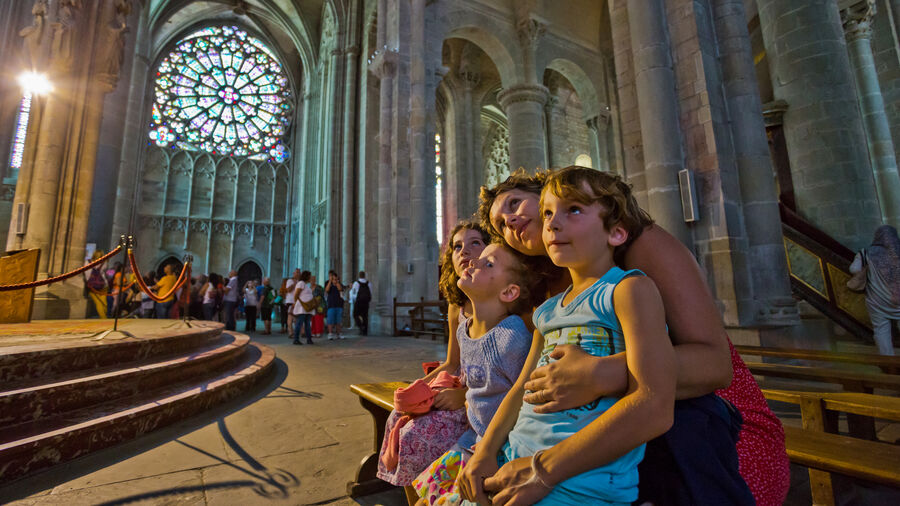
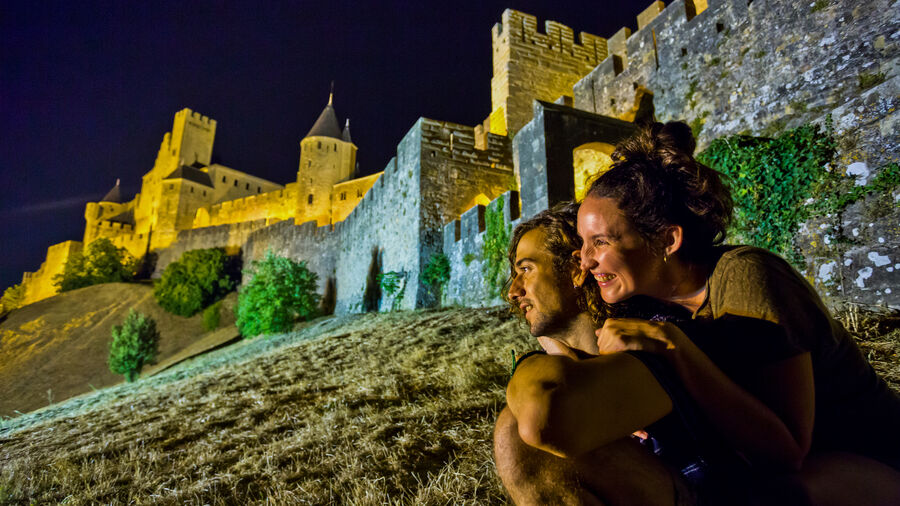
▲ Languedoc-Roussillon Sunny region with a Spanish flair, featuring Albi (fortress-like cathedral and a beautiful Toulouse-Lautrec museum), medieval Carcassonne (walled town with towers, turrets, and cobblestones), remote Cathar castles and village, vineyards that stretch forever, and the lovely Mediterranean village of Collioure.
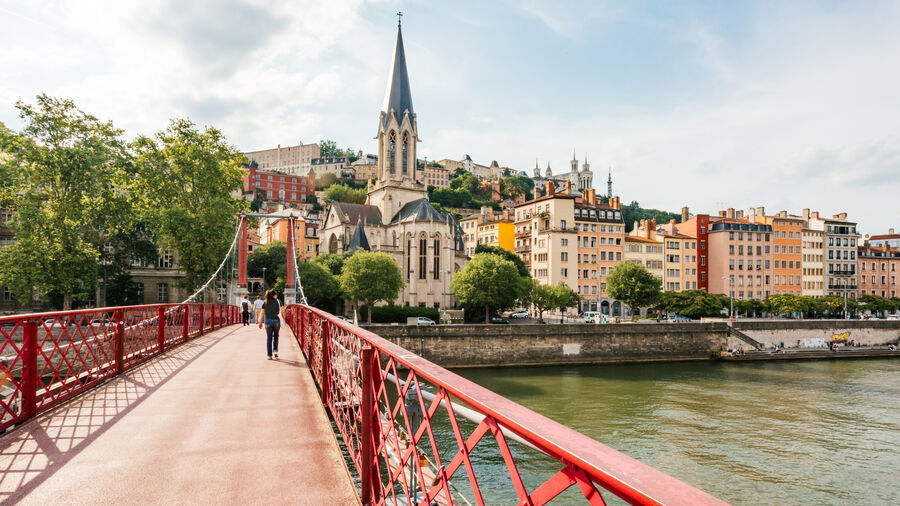
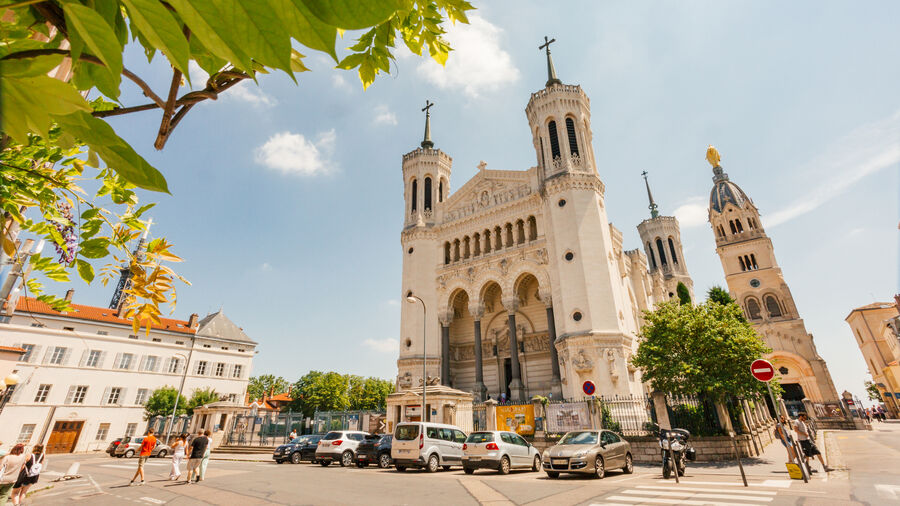
▲ Lyon Metropolitan city, located between Burgundy and Provence, with an Italianesque old town, two Roman theaters, a terrific Gallo-Roman museum, the stirring French Resistance Center, an impressive fine arts museum, and delicious but affordable cuisine.
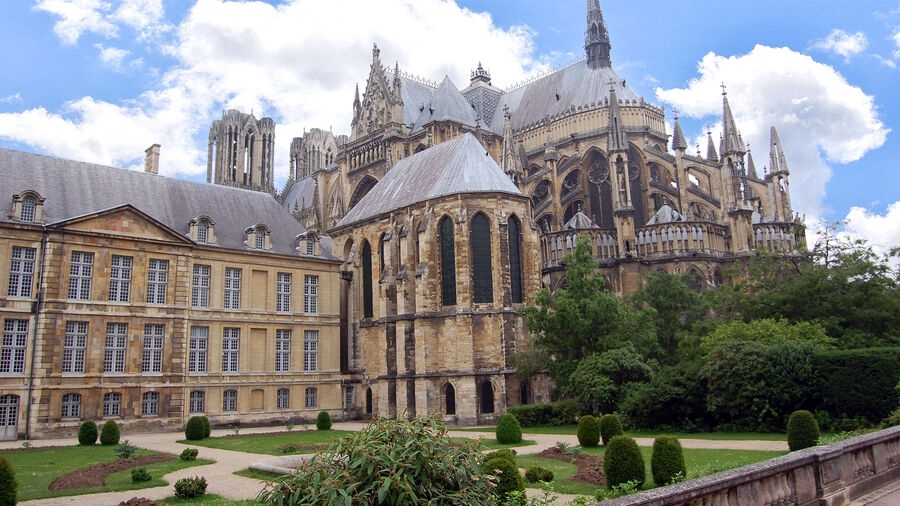
▲ Reims and Verdun Champagne-soaked Reims with a historic cathedral and cellars serving the sparkling brew, and nearby Verdun, site of horrific WWI battles, with a compelling, unforgettable memorial.
Plan
Photos













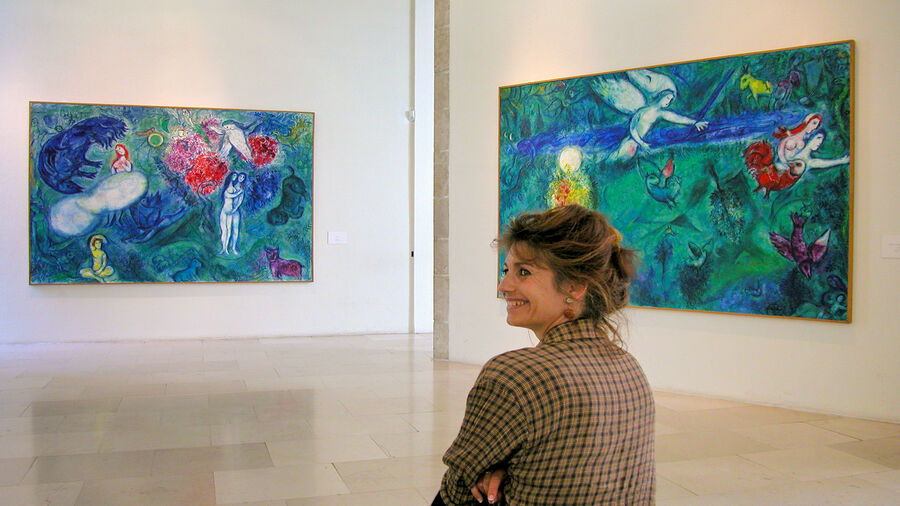
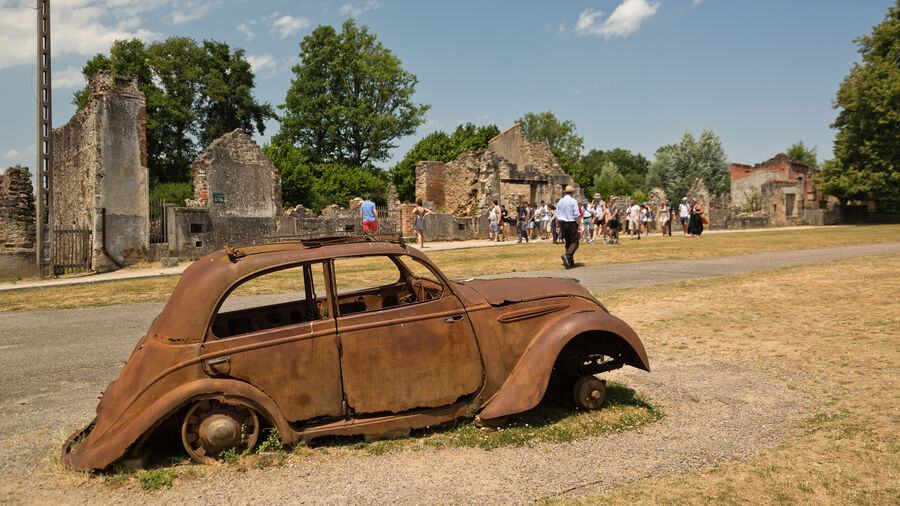
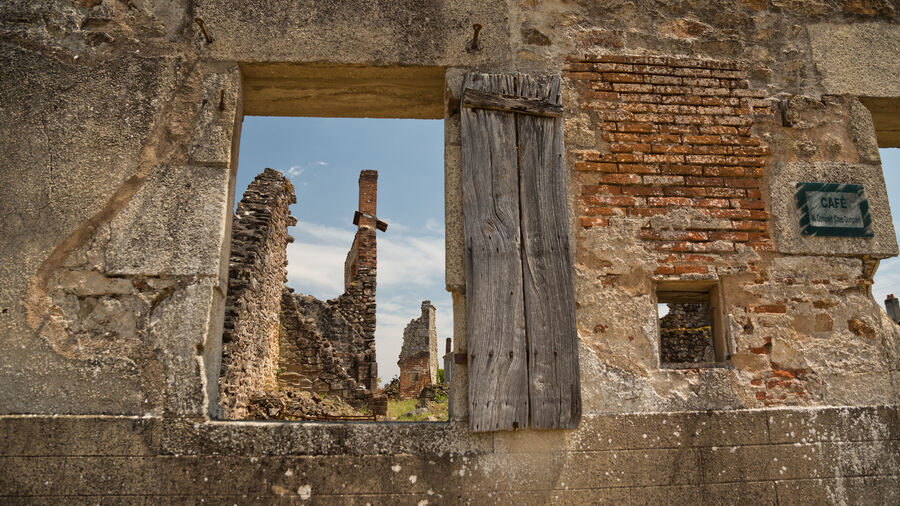
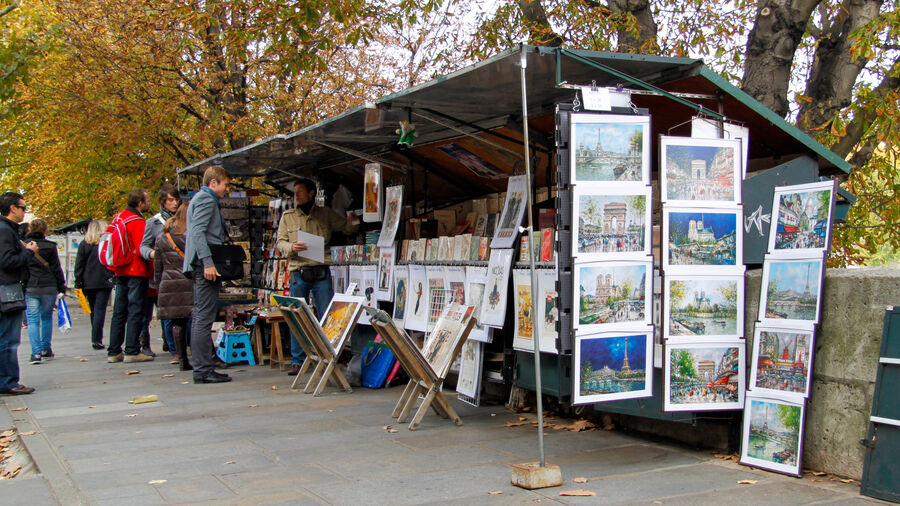

Watch
- Avignon’s Youthful City in Medieval Walls (clip)
- Basque Country (episode)
- Burgundy: Gourmet Barge Cruise (episode)
- Burgundy: Profoundly French (episode)
- Eiffel Tower and Notre-Dame Cathedral (clip)
- France’s Alsace (episode)
- France’s Dordogne (episode)
- France’s Loire: Château Country (episode)
- France’s Loire River (clip)
- French Alps and Lyon (episode)
- French Riviera: Uniquely Chic (episode)
- Living Well and Looking Good in Aix-en-Provence (clip)
- Market Day in Beaune (clip)
- Monet’s Dreamy Water Lilies (clip)
- Montmartre in Paris (clip)
- Nice, France: Beaches, Pasta, and Perfume (clip)
- Normandy: War-Torn Yet Full of Life (episode)
- Paris: An Urban Playground (clip)
- Paris: Embracing Life and Art (episode)
- Paris of the Parisians (episode)
- Paris: Regal and Intimate (episode)
- Paris’ Rodin Museum (clip)
- Paris’ Rue Cler Street Market (clip)
- Paris Side Trips (episode)
- Provence: Legendary Light, Wind, and Wine (episode)
- Remembering D-Day in Normandy (clip)
- Sainte-Chapelle’s Dazzling Interior (clip)
- The Loire’s Château de Chenonceau (clip)
- The Magnificent Louvre (clip)
- The Marais District in Paris (clip)
- Thin-Air Thrills in Chamonix (clip)
- Travel Talks: Beginning French for Travelers
- Travel Talks: France Travel Skills
- Travel Talks: Mediterranean Cruise Ports
- Travel Talks: Paris & the Heart of France
Read
- Christmas in Europe
- Eating in France
- Europe in the Fast Lane
- Europe’s Great Walled Towns
- In Studio: Roaming the Homes of Europe’s Top Artists
- Sobering Sites of Nazi Europe
- Strange Food: Europe’s Offbeat Delicacies
- Understanding French Culture
- Alsace Blends the Best of France and Germany
- Market Day in France: Shop, Savor, Slow Down
- Strasbourg: The Bicultural Crossroads of Europe
- Doing Brittany’s Dinan
- Bikes and Wine: A Fine Blend in Burgundy
- Burgundy: Bulging Barrels, Barging, and Beyond
- France’s Serene Abbeys
- A Three-Hour Joyride in a French Restaurant
- Digging Europe’s Wondrous Caves
- France’s Dordogne: Caves, Canoes, and Culture
- Oradour-sur-Glane, France’s Ghost-Town Memorial to a WWII Massacre
- Well-Fed Geese in France’s Dordogne
- Hovering over the French Alps, Above Chamonix
- Peak Experiences in Alpine Europe
- Savoring Europe’s Cheese Cultures
- Europe’s Wide World of Traditional Sports
- The Basque Country’s Cultural Treats
- The Best of the Basque Country
- A Picasso Pilgrimage
- Basking in the French Riviera’s Lively, Luminous Art
- Europe’s Top Chagall Sights
- Nice: Laid-Back Capital of the French Riviera
- Savoring Joie de Vivre on the French Riviera
- The French Riviera: Beyond the Beaches
- Carcassonne and Albi: Medieval Might in France’s Hidden Languedoc
- Charming Collioure: A Splash of Catalan Culture in France
- Roman Treasures in Nîmes
- Amboise’s Loire Delights and Leonardo da Vinci Sights
- Biking in Europe’s Boonies
- Chartres Cathedral: The Age of Faith in Stone and Stained Glass
- France’s Loire: Valley of a Thousand Châteaux
- Going to the Dogs (and Other Animals) in Europe
- Sightseeing High and Low in Hilly Lyon
- France’s D-Day Beaches: A Powerful Memorial
- Savoring Normandy’s Hospitality
- Stunning Mont St-Michel Inspires
- Utah, France: Visiting the Other American D-Day Beach
- A Look at the ‘Victory of Samothrace’...and How Turkey Gave France the Finger
- Bastille Day: France’s Party for the People
- Booking It Through Europe: Top Literary Stops
- Christmas in France
- Château-Hopping near Paris: A Royal Treat
- Circling in on Paris’ Arc de Triomphe
- Europe Shines on Summer Evenings
- Finding Village Charm Along Paris’ Market Streets
- Food Tours: Europe’s Moveable Feasts
- France for First Timers
- How to Picnic Shop Like a Parisian
- Kidding Around London and Paris
- Learning Le Métro: Basic Tips for Paris’ Underground Arteries
- Lessons from a Paris Wine-Tasting
- Monet’s Gardens in Giverny
- Musical Bridges to European Culture
- Open Doors to the Past: Visiting Europe’s Time-Warp Homes
- Paris: A Playground for the Imagination
- Paris’ Riverside Bouquinistes
- Paris Shines in Summer
- Park Picks: Favorite Green Getaways in Paris, London, and Barcelona
- Powerful Music in Paris’ St. Sulpice
- Promenading on Paris’ Champs-Elysées
- Shopping Parisian-Style
- Ten Tips for a Very Parisian Christmas
- The Artistic Draw of France
- The Back Streets of Bohemian Montmartre
- The Eiffel Tower: Top Tips for Visitors
- Tracking Napoleon’s Rise and Fall in Paris
- War Rooms: Europe’s Military Museums
- Winter in Paris: A Cool Time to Go Local
- Avignon: A Medieval Town with a Youthful Attitude
- Hill Towns of the Luberon
- Picnicking in Provence
- Seeing Provence Through Van Gogh’s Eyes
- Tasting the Wines of Provence
- The Magic of Aix-en-Provence
- Under the Roman Sun in Provence
- Bubbly, Historic Reims: The Toast of France’s Champagne Country
- The Lingering Lessons of Verdun
- France’s Enduring Gothic Cathedrals
- Europe’s Crazy Rich Royals and Their Lavish Retreats
France
Alsace
Brittany
Burgundy
Dordogne
French Alps
French Basque Country
French Riviera
Languedoc-Roussillon
Loire
Lyon
Normandy
Paris
Provence
Reims & Verdun
Strasbourg
Versailles
Listen
- Alsace: German-Flavored France (18:49)
- Americans in France (18:24)
- Americans Living in Europe (32:55)
- An American Mother in Paris (11:12)
- Ancient Stones of Brittany (16:39)
- Architecture for Travelers (39:03)
- Art of the French Crepe (10:51)
- Art Outside the Museums (30:10)
- A Taste of Basque Country (17:46)
- Barging the Canals I (18:29)
- Barging the Canals II (36:26)
- Barging the Canals III (19:00)
- Basque Cities (18:18)
- Bastille Day in France (11:58)
- Bernard-Henri Levy (48:14)
- Bernard-Henri Levy, Part Deux (35:55)
- Bike Touring in Europe (12:05)
- Bridges of Paris (12:07)
- Castles in Europe (29:18)
- Celtic Brittany (18:35)
- Champagne Region (17:54)
- Château Country (18:27)
- Château Country, Part Deux (11:34)
- Cote D'Azur (17:59)
- David McCullough on Americans in Paris (17:44)
- David Sedaris in Paris (46:22)
- Day Hikes in Europe (12:27)
- Discovery of France (17:28)
- Eat Like a Parisian (18:04)
- Eiffel's Tower (17:42)
- Elaine Sciolino's Everyday Paris (18:01)
- Enjoying Winter in Paris (13:51)
- European Business Customs (45:55)
- European Food Specialties (29:11)
- Europe's Great Trails (18:35)
- Exploring Brittany (17:57)
- Exploring Burgundy (18:38)
- Exploring Normandy's Countryside (19:03)
- Exploring Provence (18:59)
- Fabulous Food in Paris (18:41)
- First Timer's Guide to the Louvre (18:13)
- Flirtatious France I (12:01)
- Flirtatious France II (20:39)
- Food Markets of Paris (17:24)
- France: North vs. South (21:42)
- French Culture 201 (36:00)
- French Food and Faux Pas (46:06)
- French Fromage I (18:40)
- French Fromage II (11:42)
- French Impressionism (15:00)
- French Lessons (28:26)
- French Riviera Highlights (12:46)
- French Riviera: Pleasure Coast (33:42)
- French Wine (23:50)
- Hidden Gardens of Paris (16:26)
- How Paris Became Paris (18:02)
- How to Build a Castle (10:56)
- Lesser-Known Paris Museums (14:30)
- Little Museums of Paris (18:32)
- Loire Valley Châteaux (18:33)
- Love Affair with the Seine (18:13)
- Lyon's Comfortable Culture (11:48)
- Marjorie Williams' "Markets of Provence" (18:14)
- Marrying into France (18:48)
- Midnight in Paris (12:27)
- Monaco (12:21)
- Monet's Garden (11:24)
- Nadeau and Barlow's "The Bonjour Effect" (28:53)
- Normandy: D-Day Sites (28:28)
- Notorious Royal Marriages (18:08)
- Outdoor France (17:48)
- Paris Art Scene (12:21)
- Paris Cafés (25:37)
- Paris City Guide I (39:13)
- Paris City Guide II (45:23)
- Paris Cuisine (20:51)
- Paris Day Trips (14:45)
- Parisians (10:27)
- Paris Nightlife (18:46)
- Perfect Week in Paris (17:14)
- Postcards from Europe: Paris (56:09)
- Provençal Market Meander (18:44)
- Provence II: Food Culture (13:15)
- Provence I: The South of France (45:04)
- Regions of France (11:33)
- Renting a French Country Home (11:39)
- Reopening Notre-Dame (11:31)
- Sacred Paris (12:16)
- Sainte-Chapelle's Stained Glass (5:06)
- Street Markets of Paris (11:41)
- Stuff Parisians Like (28:31)
- The French House (18:28)
- Underappreciated Paris Museums (12:15)
- Understanding the French (20:41)
- Unwritten Rules of French (29:02)
- Versailles Palace Sightseeing Tips (11:54)
- Walking Across Paris (29:59)
- Walk Like a Parisian (18:27)
- Wandering Paris (12:05)
France Audio Tours
- Champs-Élysées Walk
Listen or Download | Download map - Historic Paris Walk
Listen or Download | Download map - Louvre Museum Tour
Listen or Download | Download map - Orsay Museum Tour
Listen or Download | Download map - Père Lachaise Cemetery
Listen or Download | Download map - Rue Cler Walk
Listen or Download | Download map - Versailles Palace Tour
Listen or Download | Download map