

-
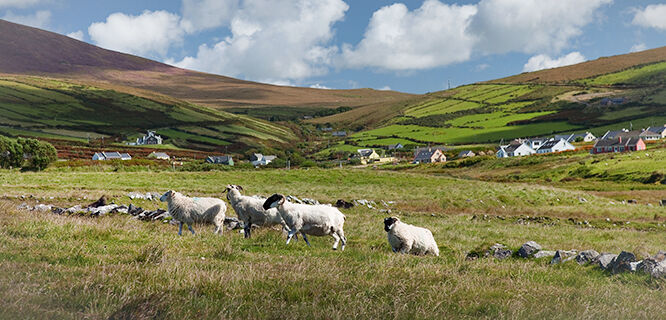
Dingle Peninsula
Ireland
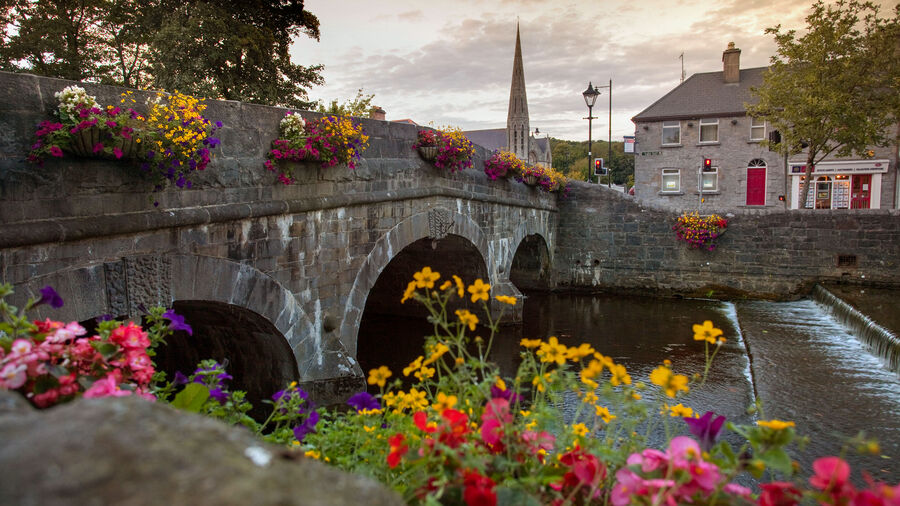
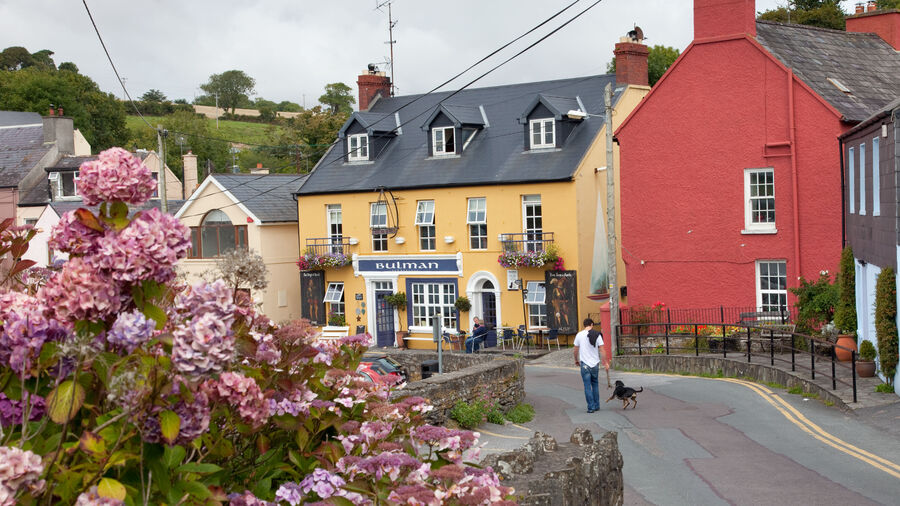
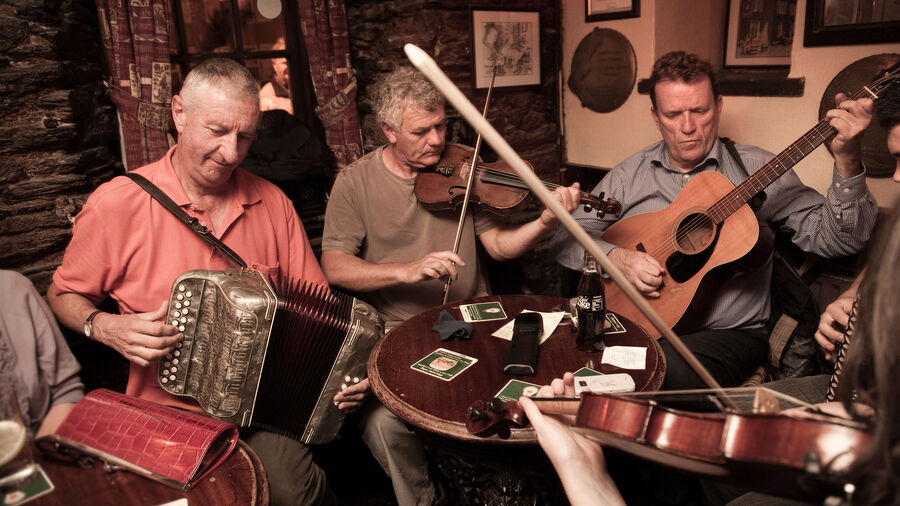
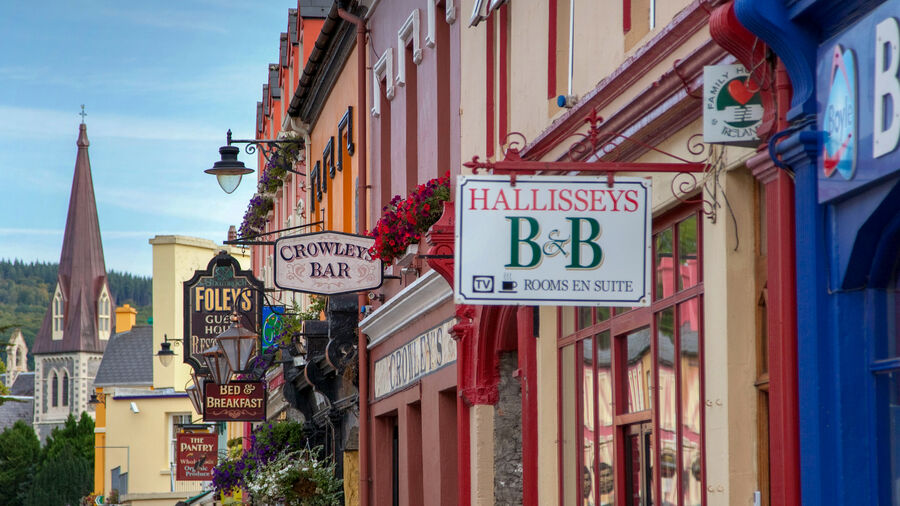
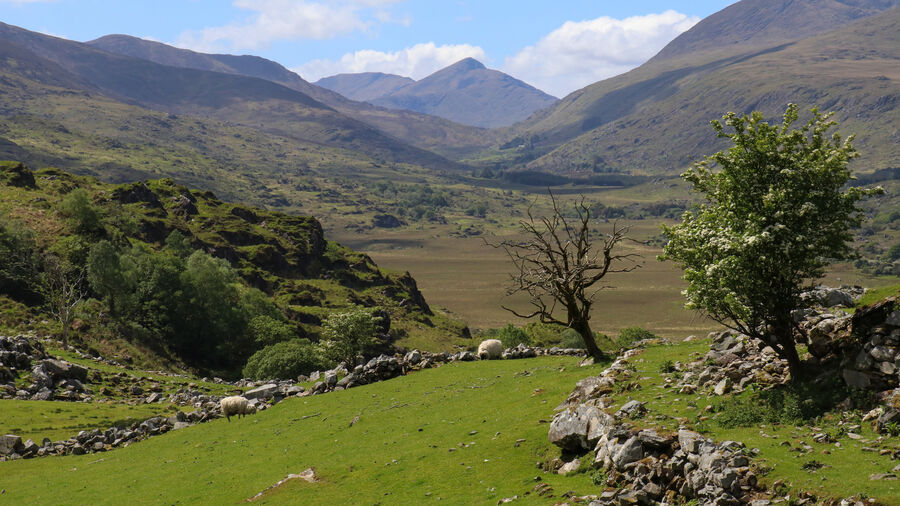
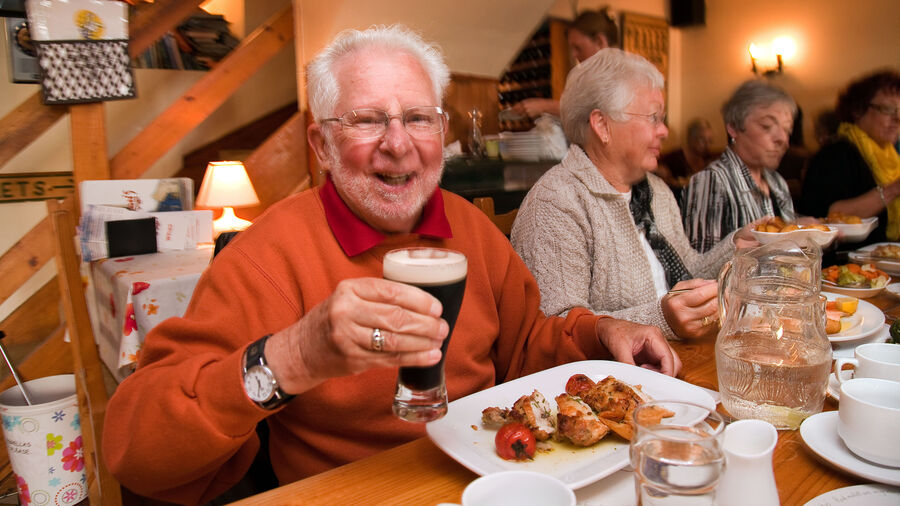
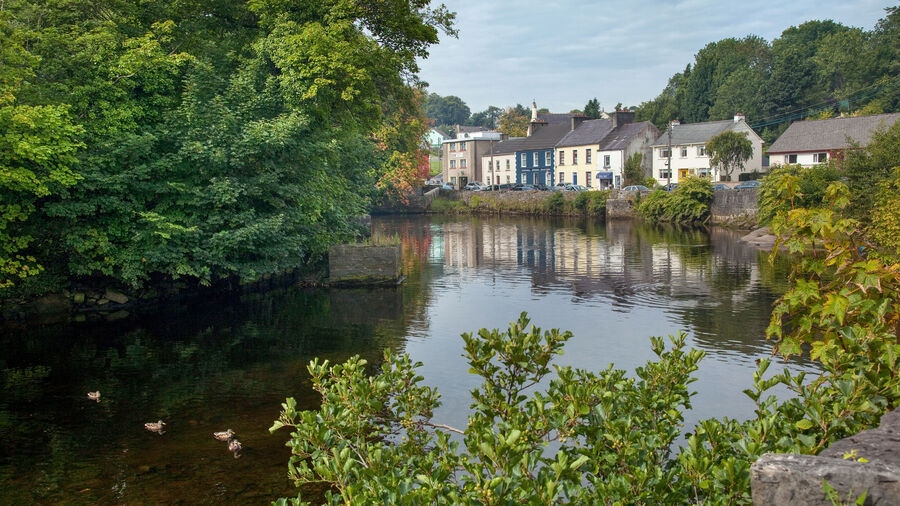
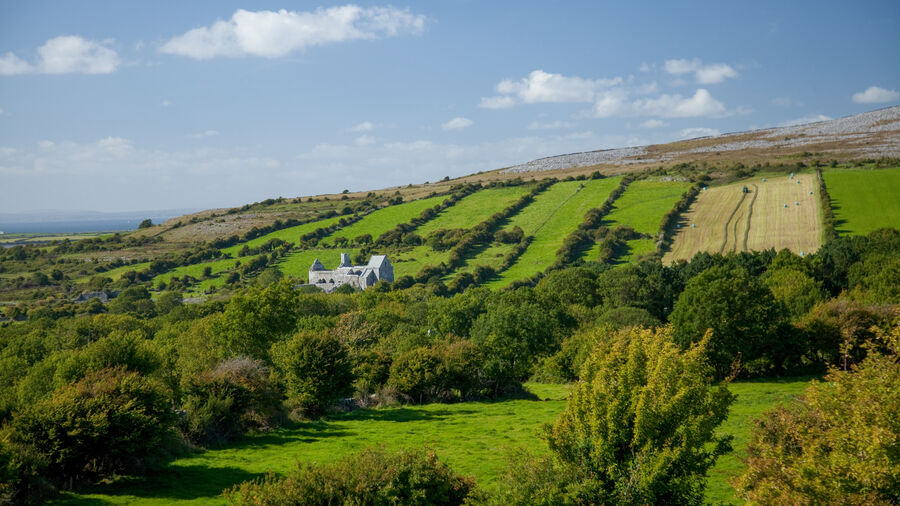
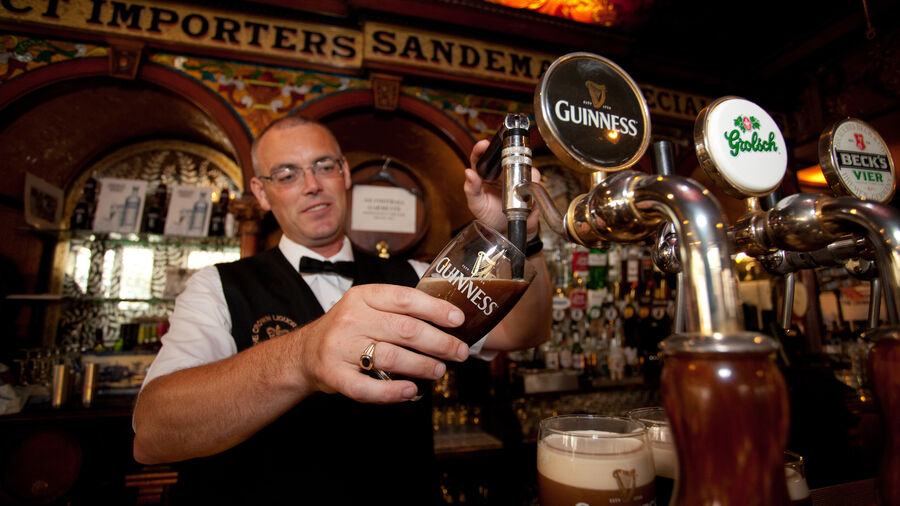
Flung like a mossy millstone onto the foggy fringe of the Atlantic pond, Ireland drips with mystery, drawing you in for a closer look. The Irish culture — with its intricate art and mesmerizing music — is as intoxicating as a pint or two of Guinness. And today's Ireland is vibrant and cosmopolitan, yet warm and down to earth. You may not find the proverbial pot of gold, but you'll treasure your encounters with the Irish people, who've earned their worldwide reputation as witty, musical, moody romantics with a quick laugh and a ready smile. Come join them.
Places
At a Glance

Republic of Ireland
▲▲▲ Dublin Bustling Irish capital, with fascinating tours (historical, musical, and literary), passionate rebel history (Kilmainham Gaol), treasured medieval gospels (Book of Kells), intricate Celtic artifacts (at the National Museum of Archaeology), and a thriving food and pub scene.
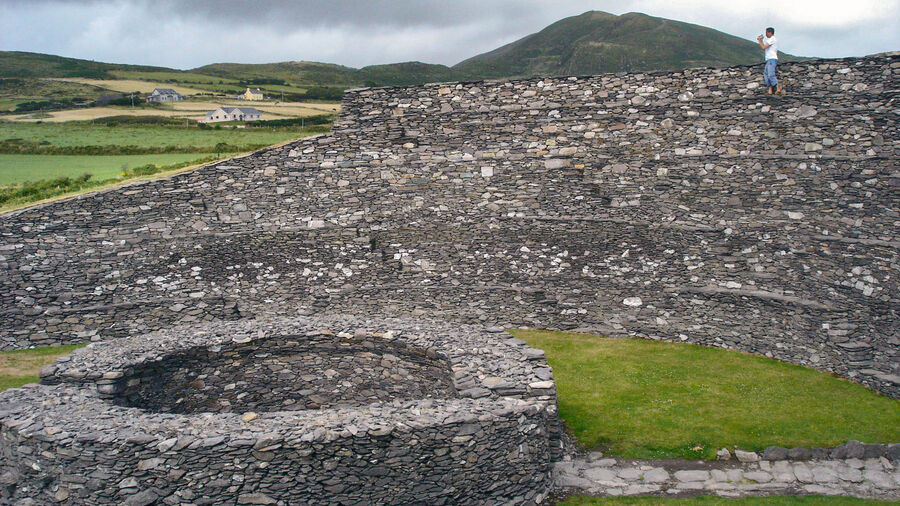
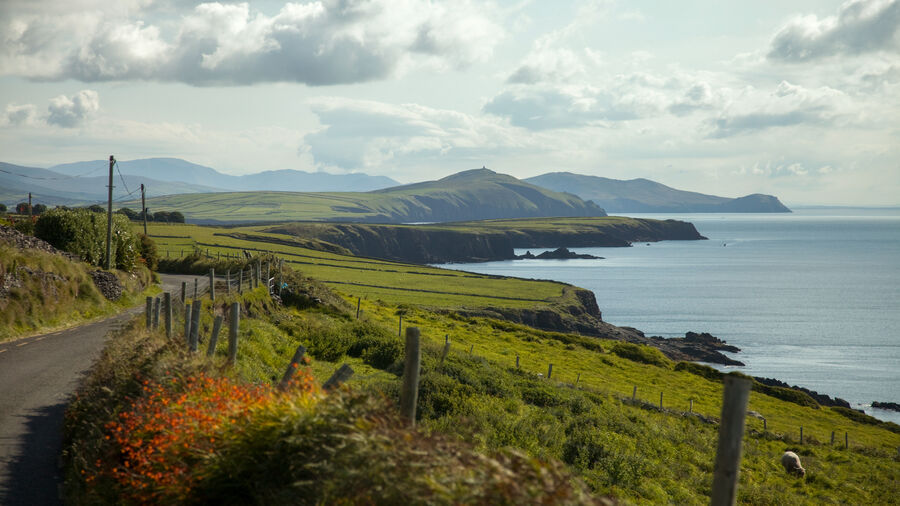
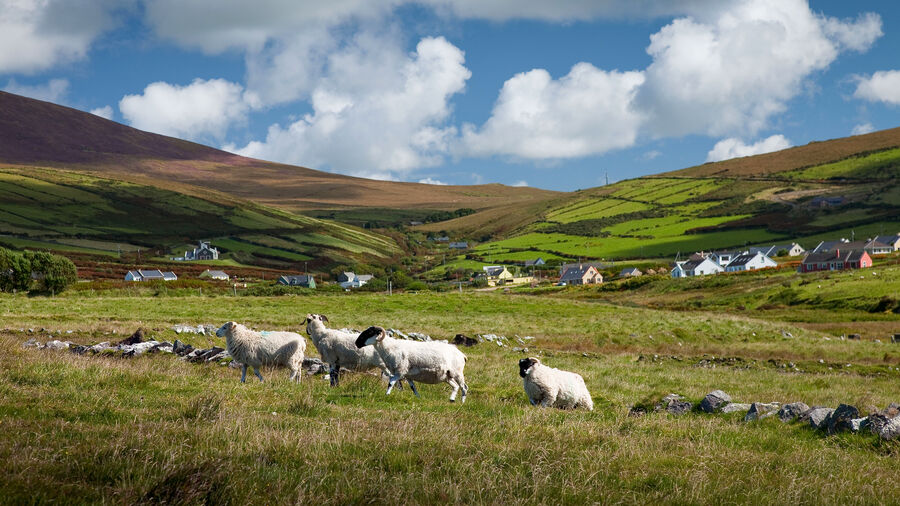
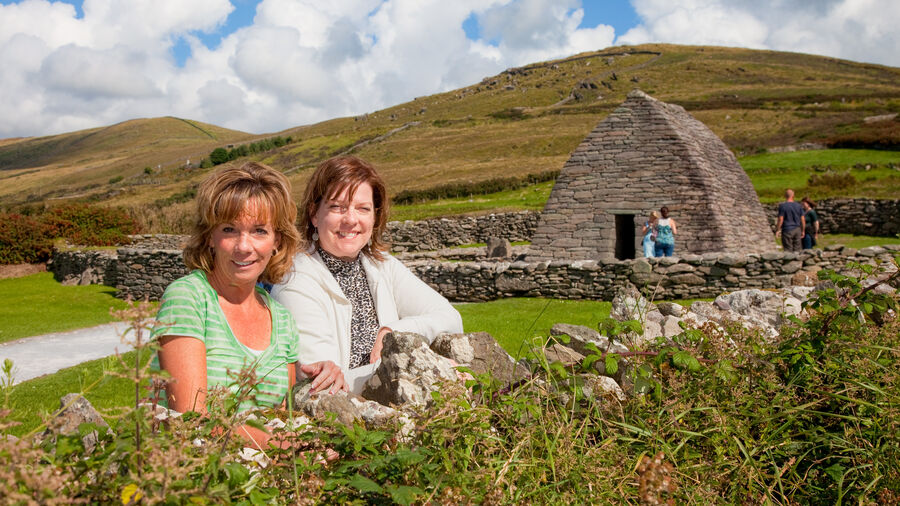
▲▲▲ Dingle Peninsula My favorite fishing village (Dingle town, a traditional Irish-music pub paradise), which serves as a launchpad for the gorgeous Slea Head loop drive (or bike ride), featuring striking scenery and a wealth of Celtic and early Christian sites.
▲▲ Boyne Valley and Trim Area just north of Dublin with the ancient pre-Celtic burial mounds of Brú na Bóinne, and the majestic Norman castle in Trim.
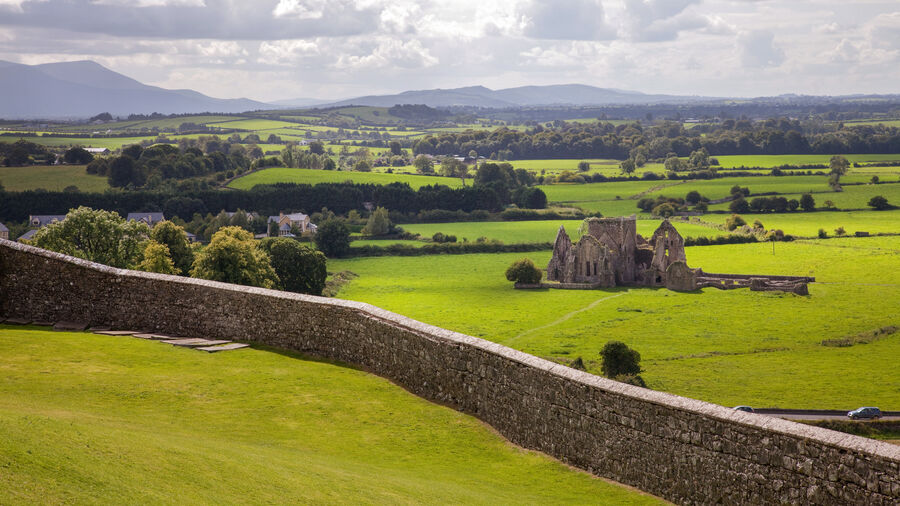
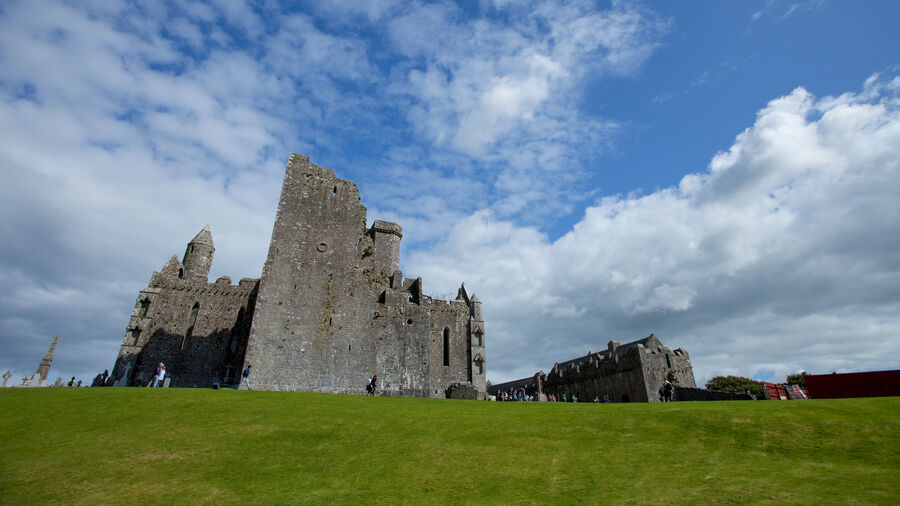
▲▲ The Rock of Cashel Dramatic hilltop of church ruins overlooking the Plain of Tipperary.
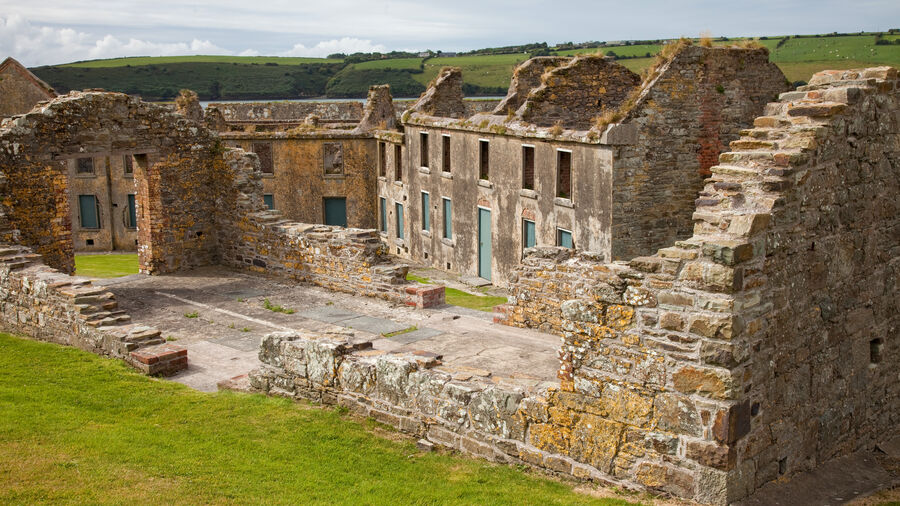
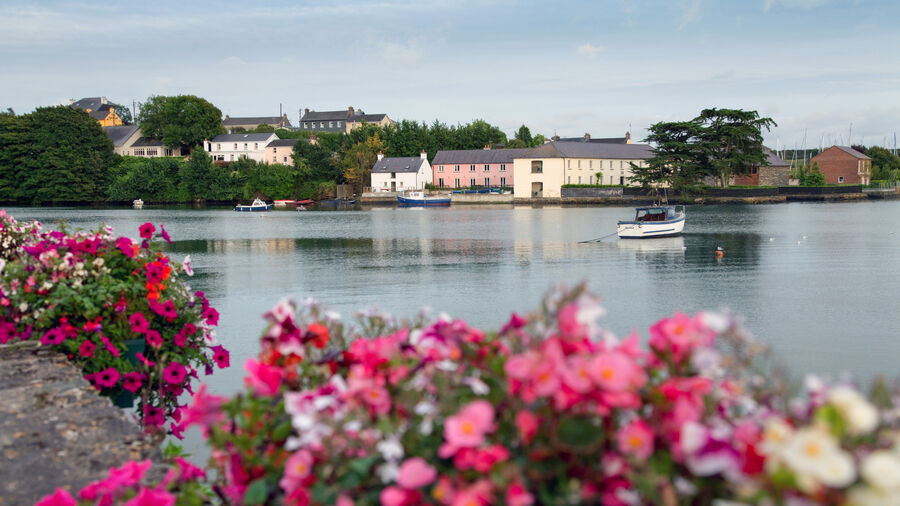
▲▲ Kinsale and Cobh County Cork's two quaint harbor towns: Kinsale, beloved by foodies, fun for strolling, and guarded by beefy Charles Fort; and the emigration hub of Cobh — the Titanic's final port of call.
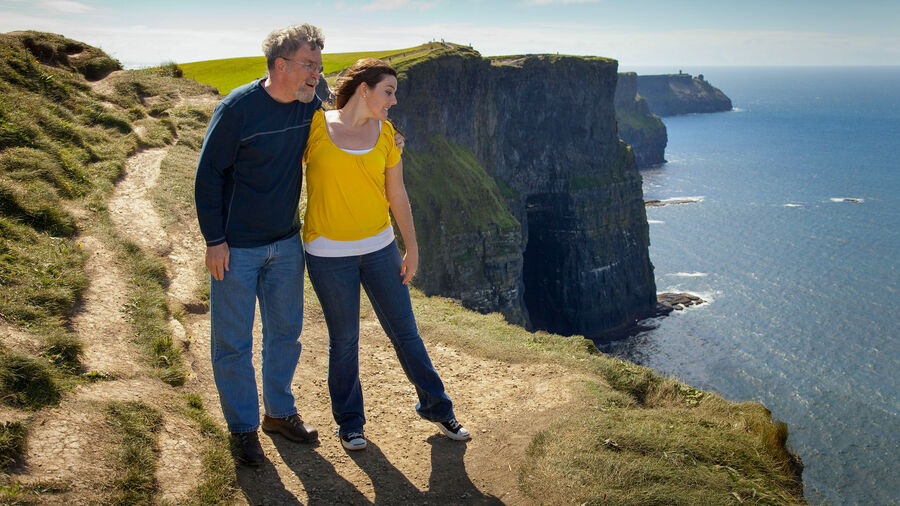
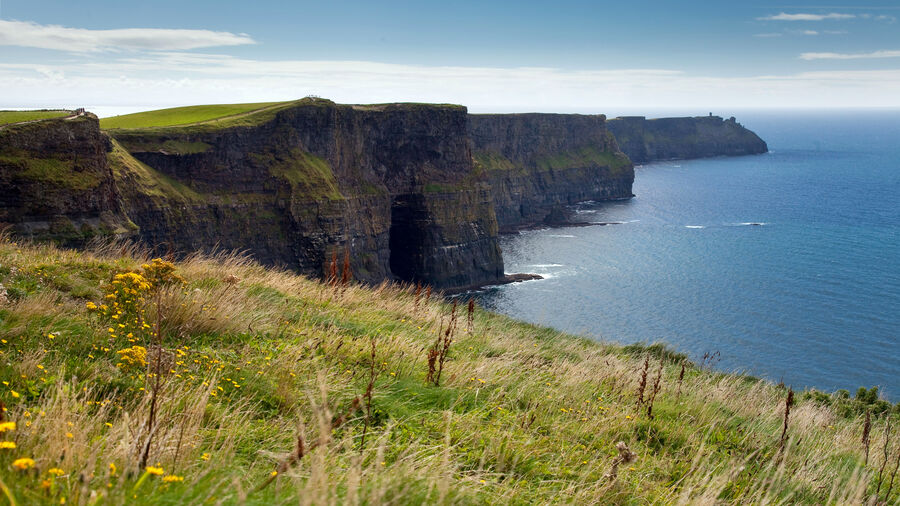
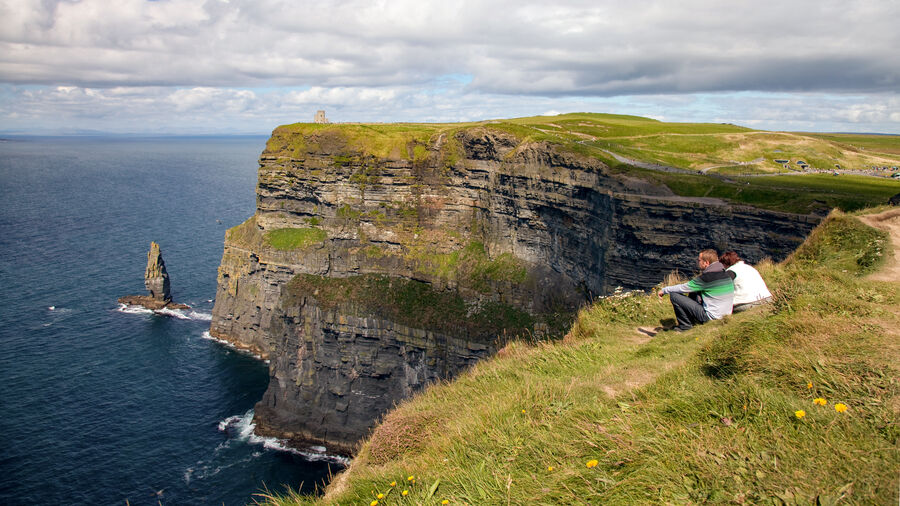
▲▲ County Clare and the Burren Ireland's rugged western fringe, with the breathtaking Cliffs of Moher, stony prehistoric landscape of the Burren, trad music crossroads of cozy Doolin, and friendly town of Ennis.
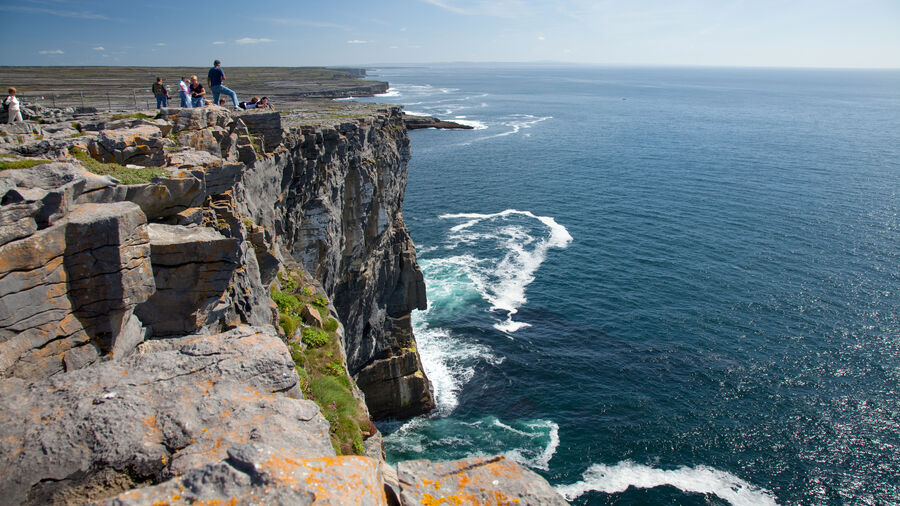
▲▲ Aran Islands Three windswept, treeless islands in the Atlantic, ringed by cliffs, crowned by striking ruins, and home to sparse villages of hardy fisherfolk.
▲▲ Connemara and Westport Lushly green region with hilly Irish outback of cottages, lakes, and holy peaks, dotted with photogenic settlements such as Cong, Kylemore Abbey, and the leafy riverside town of Westport.
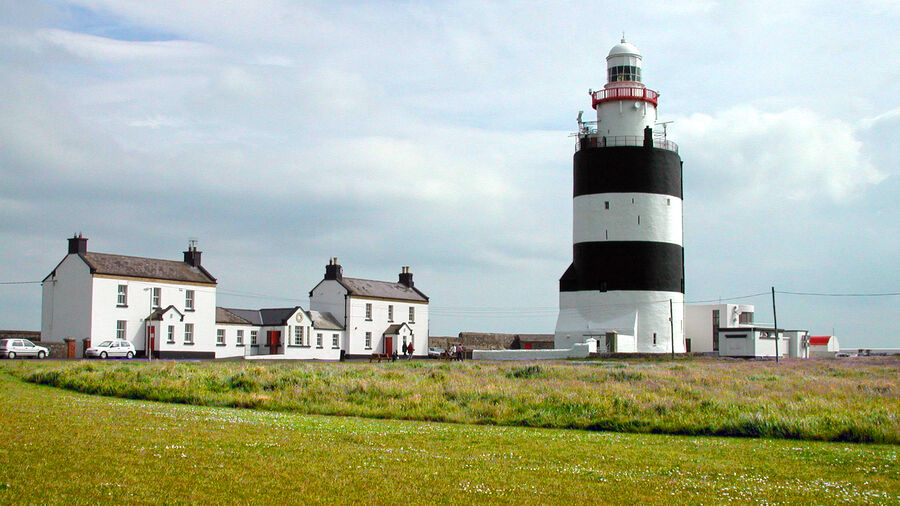
▲ Kilkenny and Waterford Best town in Ireland's interior: historic yet workaday Kilkenny, with its fine castle and numerous tempting side-trips including gritty and historic Waterford (with crystal factory demos and excellent museums), famine ship replica, JFK's ancestral homestead, a 12th-century lighthouse, and poignant stony ruins.
▲ Ring of Kerry Ireland's most famous scenic loop route: around Kerry's fairy-fort-filled peninsula, with options for an excursion to the hermitage island of Skellig Michael, and the colorful, tidy town of Kenmare as a charming home base.
▲ Galway Energetic university city with a thriving pedestrian street scene and great people-watching pubs — and the west coast's best base for reaching the Burren, Aran Islands, and Connemara.
▲ Donegal and the Northwest Far-flung section of the Republic with a ruggedly beautiful landscape, and a striking castle in the main town of Donegal.
Northern Ireland
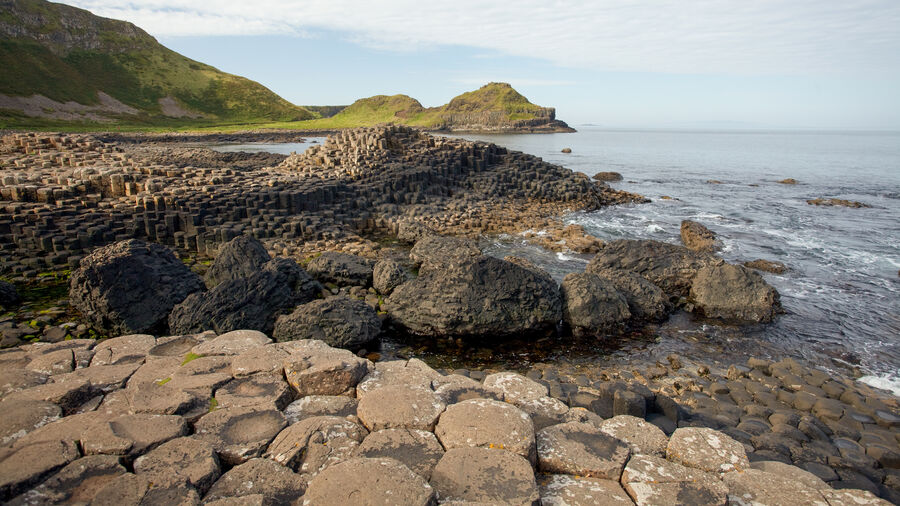
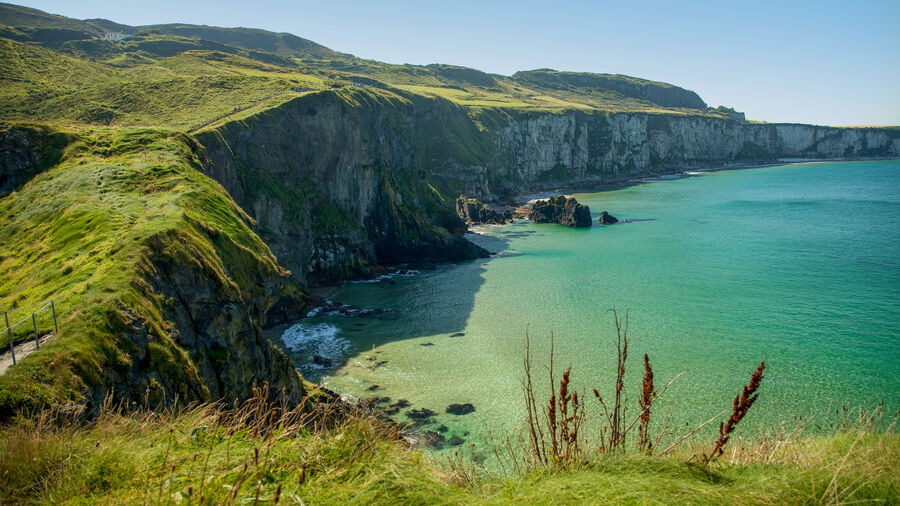
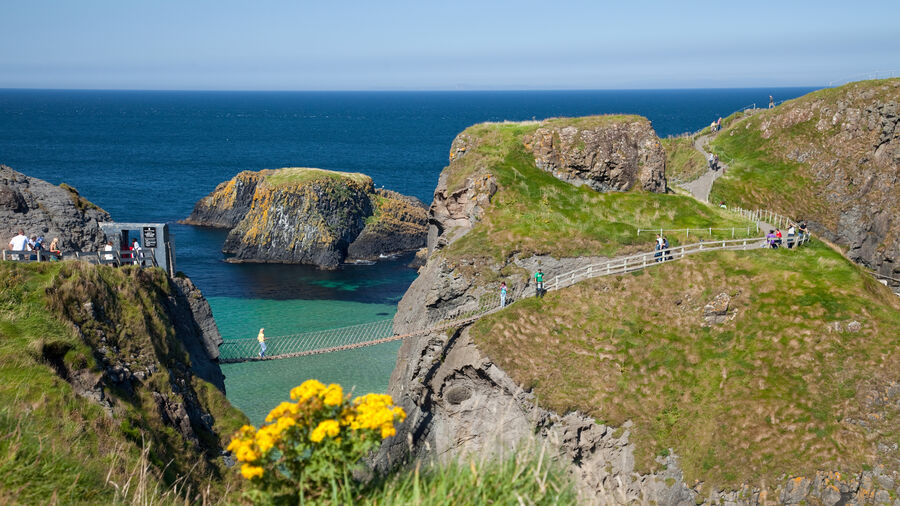
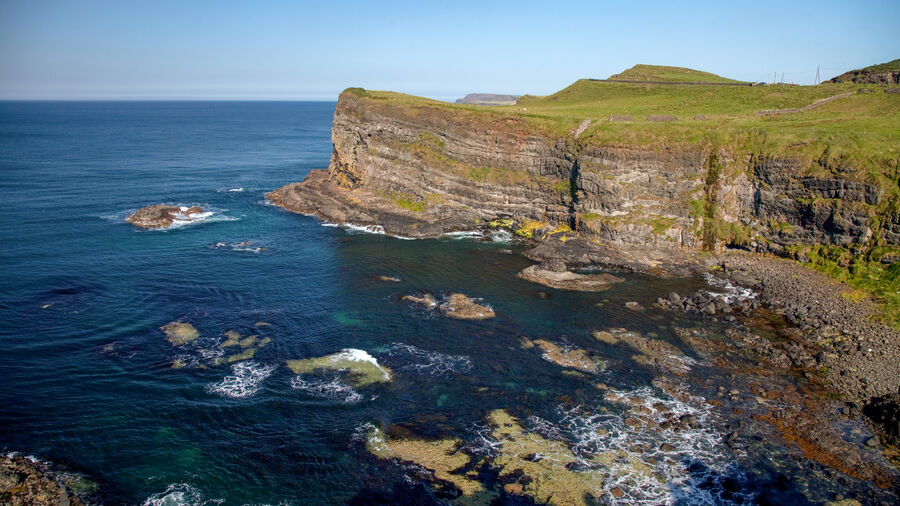
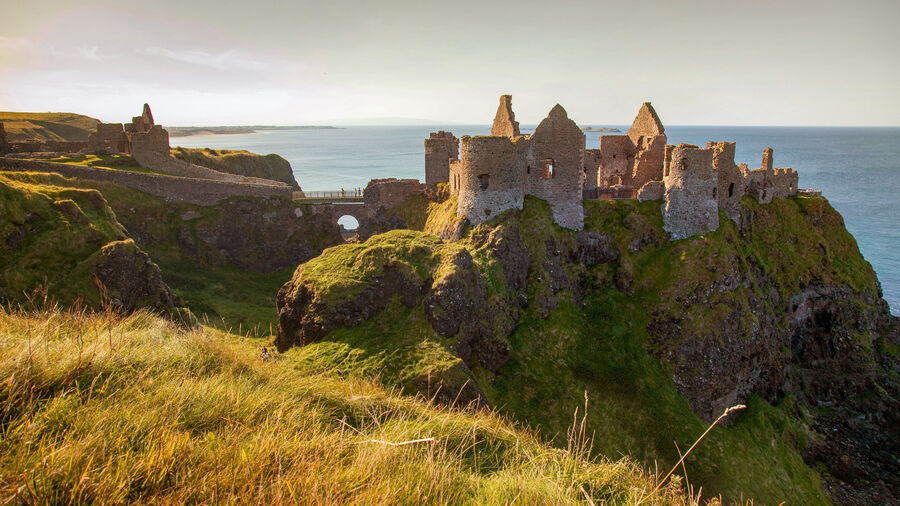
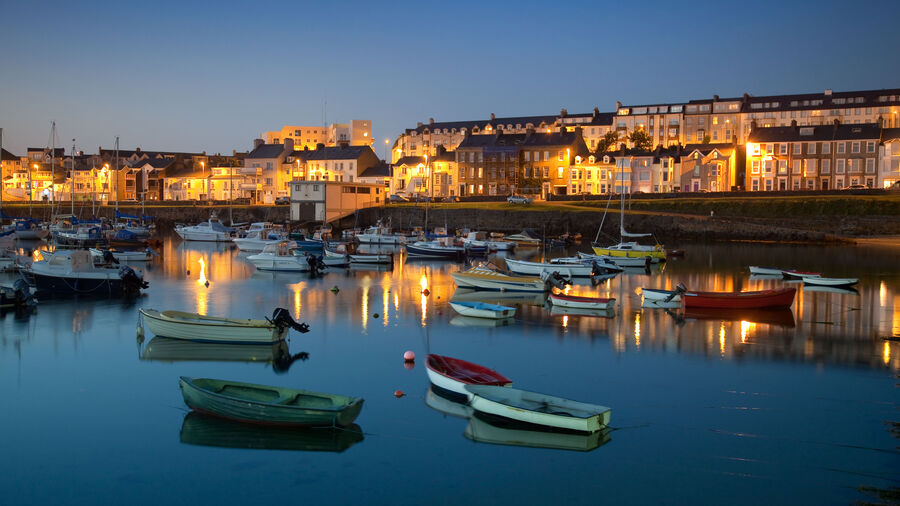
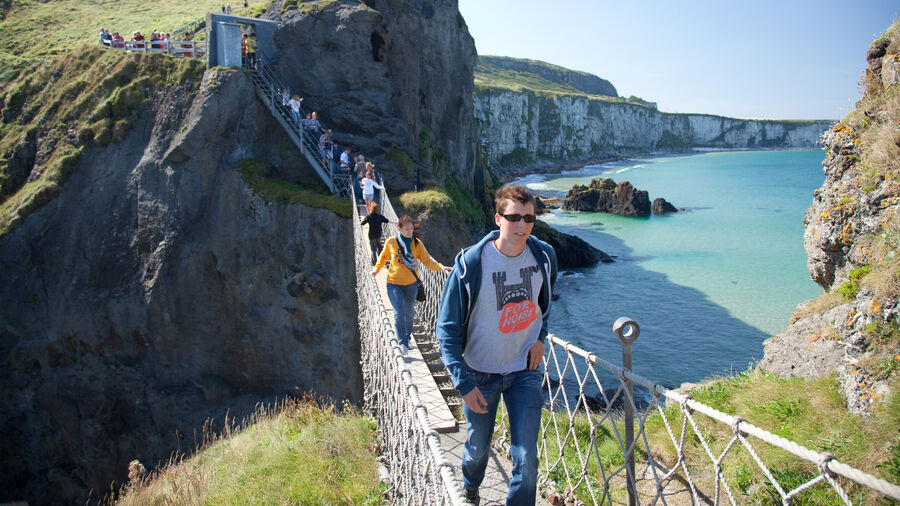
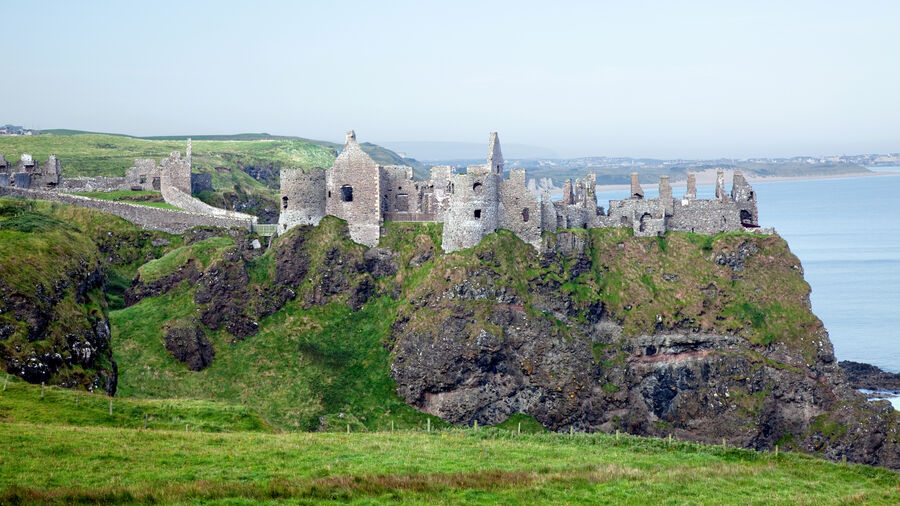
▲▲ Antrim Coast Northern edge of the isle, boasting the geologic wonderland of the Giant's Causeway, Old Bushmills Distillery, cliff-edge ruins of Dunluce Castle, and exhilarating Carrick-a-Rede Rope Bridge — with the faded beach resort of Portrush serving as a handy home base.
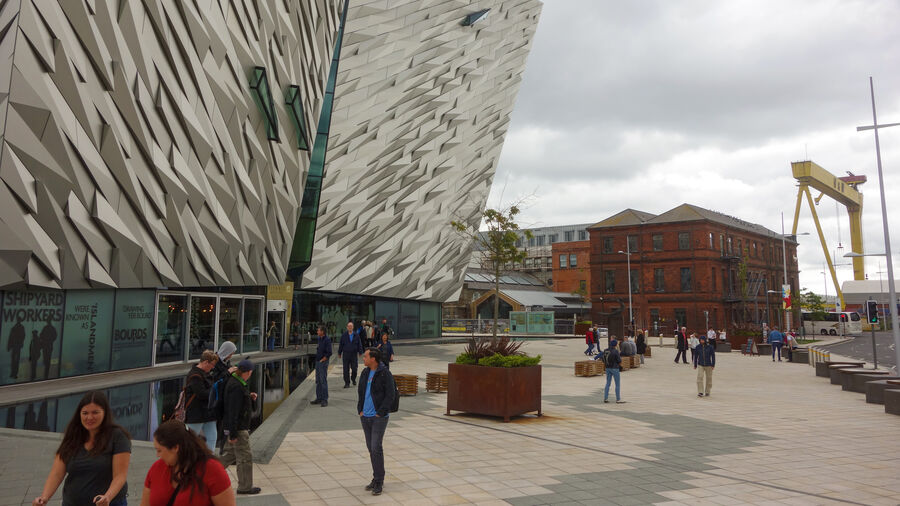
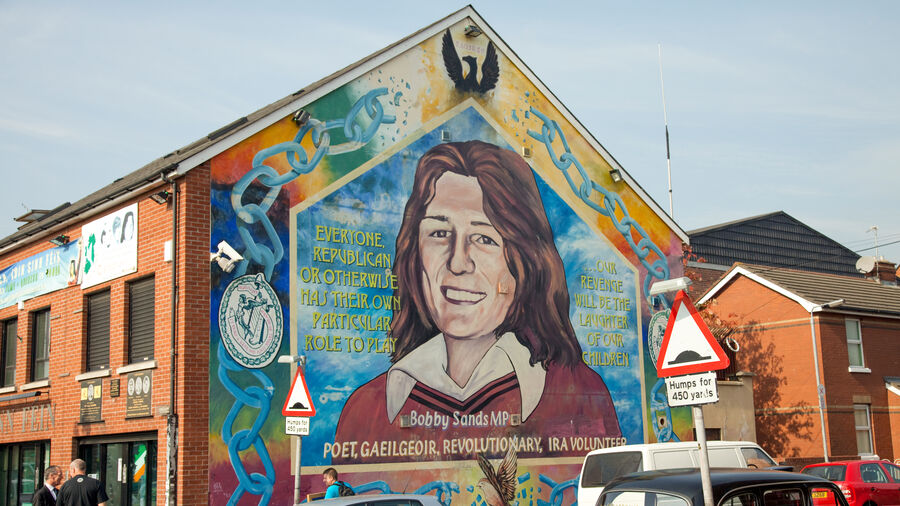
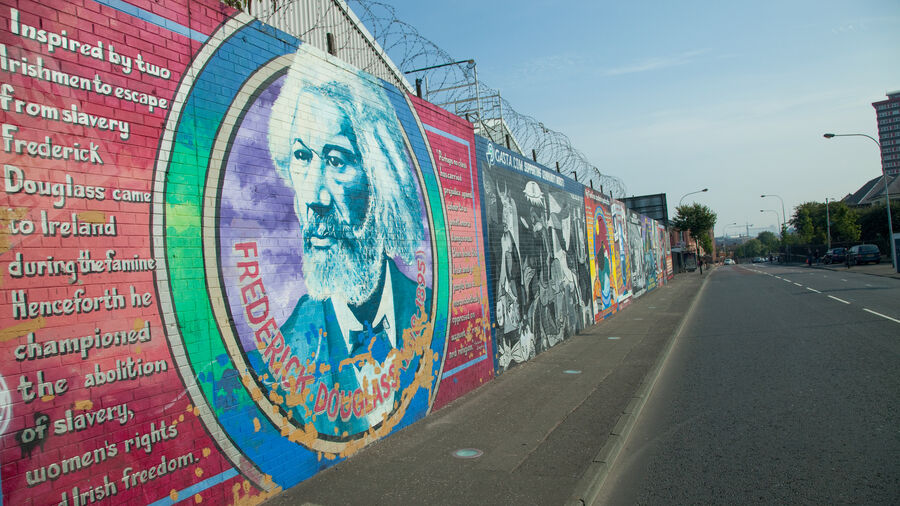
▲▲ Belfast No-nonsense capital of Northern Ireland with a walkable city center, stirring sectarian neighborhoods, a state-of-the-art museum about the Titanic, and the charming nearby Victorian seaside retreat of Bangor.
▲ Derry Seventeenth-century British settlement encircled by stout town walls — and infamous as the powder keg that ignited Ireland's tragic modern "Troubles" — with vivid murals and thoughtful museums that tell the sobering tale.
Plan
Photos





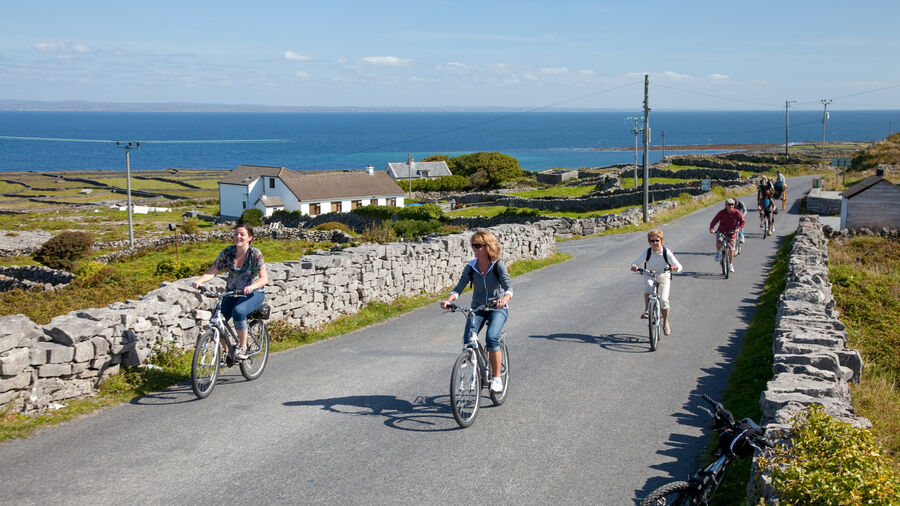

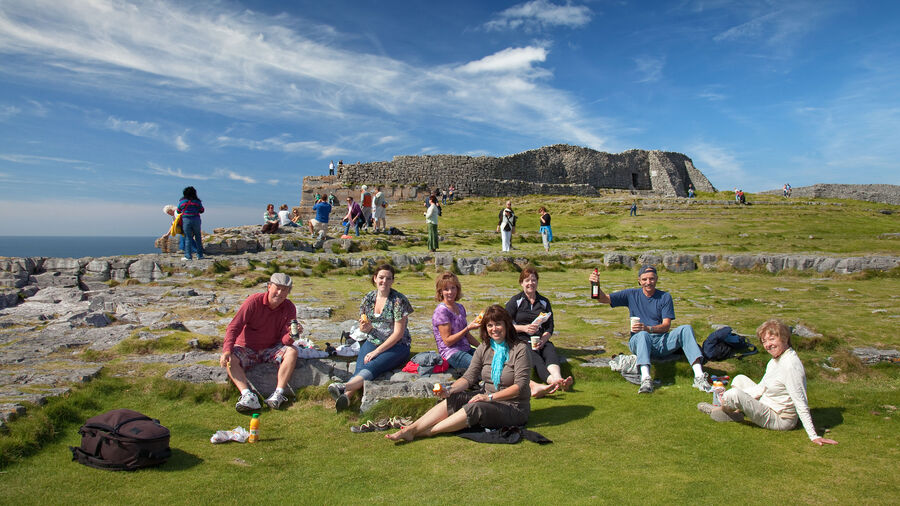
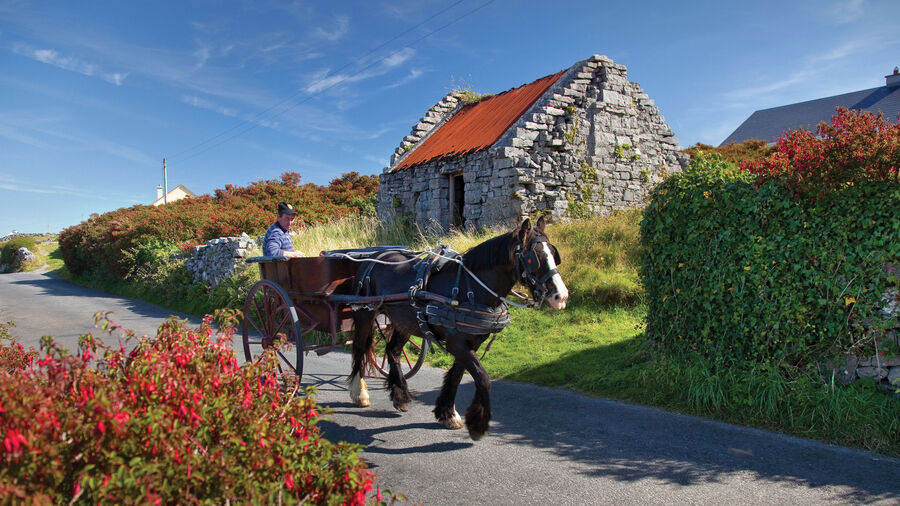

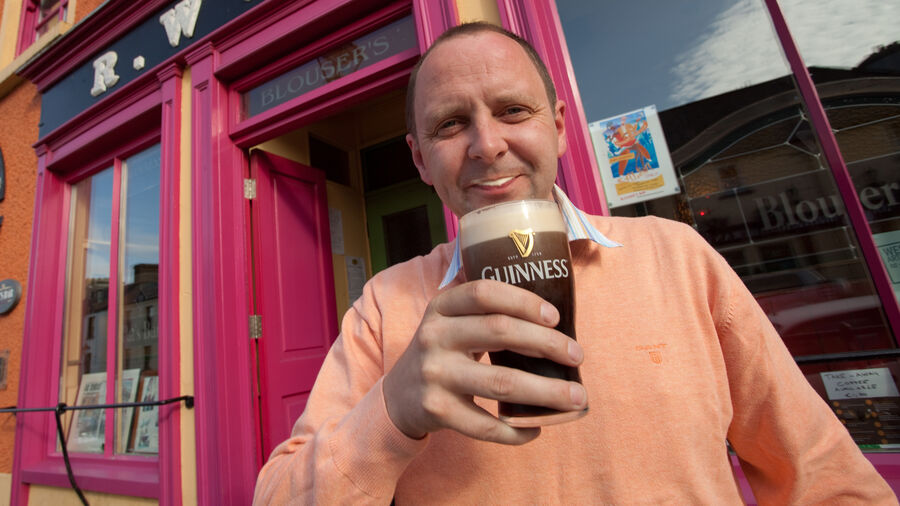



Watch
Read
- Go Left, Young Man: Driving in Great Britain and Ireland
- Lovely Day for a Guinness!
- My Favorite Beach Hideaways
- Pubs: Ireland’s Watering Holes
- South of Dublin Highlights: Gardens, Monastic Ruins, and Studs
- The Spellbinding Music of the Irish Soul
- The Tale of Michael Fagan: He Came in Through the Bedroom Window
- Ireland’s Aran Islands: Bleak and Beautiful
- Going to the Dogs (and Other Animals) in Europe
- Biking in Europe’s Boonies
- Ireland’s Culinary Delights
- The Dingle Peninsula: Pure Ireland
- Tidy and Tiny: Top Towns of Coastal Ireland
- A Short Walk Through Ireland’s Long History
- Booking It Through Europe: Top Literary Stops
- Boyne Valley: A Dazzling Dublin Day Trip
- Dublin: Big-City Sights and Small-Town Smiles
- Dublin’s Urban Thrills
- Europe’s Emigration Museums: Remembering the Long Goodbye
- Europe’s Wide World of Traditional Sports
- Pubs, Parades, and St. Patrick’s Day in Dublin
- Visiting Europe’s Top University Sights
- Best of South Ireland
- The Amazing Life of Waterford’s Favorite Son
- A Day on the Antrim Coast, Ireland’s Scenic North
- Buoyant, Booming Belfast
- Delving into Derry
- Ireland’s Entertaining Ring of Kerry
Ireland
Aran Islands
Connemara & Westport
Dingle Peninsula
Dublin
Kilkenny & Waterford
Northern Ireland
Ring of Kerry
Listen
- Ancient Ireland (15:22)
- Aran Islands (19:06)
- Arts of Ireland (25:30)
- A Week in Ireland (17:51)
- Beer in Europe (27:46)
- Belfast (17:58)
- Celtic Singing Cultures (19:34)
- County Cork (12:01)
- Day Hikes in Europe (12:27)
- Derry Celebrates (12:05)
- Dingle Peninsula: Pint-Size Beauty (18:32)
- Dublin, Ireland's Capital (47:17)
- European Business Customs (45:55)
- European Impressions of America (37:02)
- Exploring Ireland (35:24)
- Faeries of Ireland (18:13)
- Favorite Tours in Ireland (11:56)
- Gaelic Sport (11:43)
- Galway and West Ireland (13:03)
- Getting Around Ireland (15:02)
- Heroes of Irish Folk Music (18:27)
- How to Be Irish (9:18)
- Ireland North and South (40:35)
- Ireland's County Cork (23:50)
- Ireland's South Coast (12:22)
- Ireland's W.B. Yeats (11:41)
- Ireland Trad and Mod (47:59)
- Irish Craic (16:39)
- Irish Cuisine (23:14)
- Irish Homecoming (17:39)
- Irish Roots (18:08)
- Irish Song (18:58)
- Irish Traditional Music (12:06)
- Irish Writers (17:06)
- Kinsale (18:39)
- Lord Alderdice on Peace (46:53)
- Lusitania (7:57)
- Michael Collins (10:42)
- North Ireland Insights (21:36)
- Running a Hostel in Europe (21:18)
- Speaking in Irish (11:36)
- Stroll Through Dublin (12:16)
- Supernatural Ireland (17:33)
- The Irish Music Session (17:43)
- The Irish Sea (30:51)
- The Ring of Kerry (18:10)
- The Titanic (12:11)
- The Transformation of Ireland (29:08)
- The West of Ireland (29:42)
- Touring Northern Ireland (18:28)
- Traditional Irish Music (19:38)
- Travel in Ireland Post-Brexit (36:07)
- Visiting Ireland (18:49)
- Walking Tour of Dublin (18:32)
- Wee County Louth (16:24)
- What’s New in Dublin (18:03)
Ireland Audio Tours
- Dublin City Walk 1: South Bank
Listen or Download | Download map - Dublin City Walk 2: O'Connell Street
Listen or Download | Download map