

-
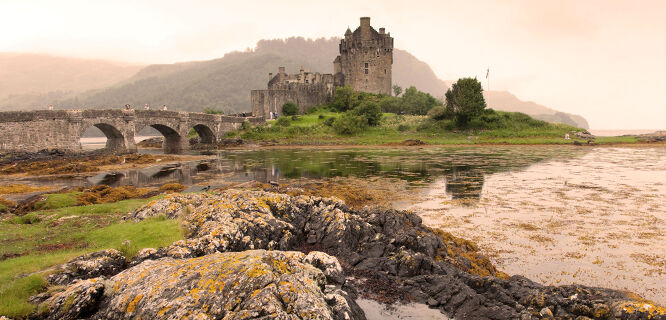
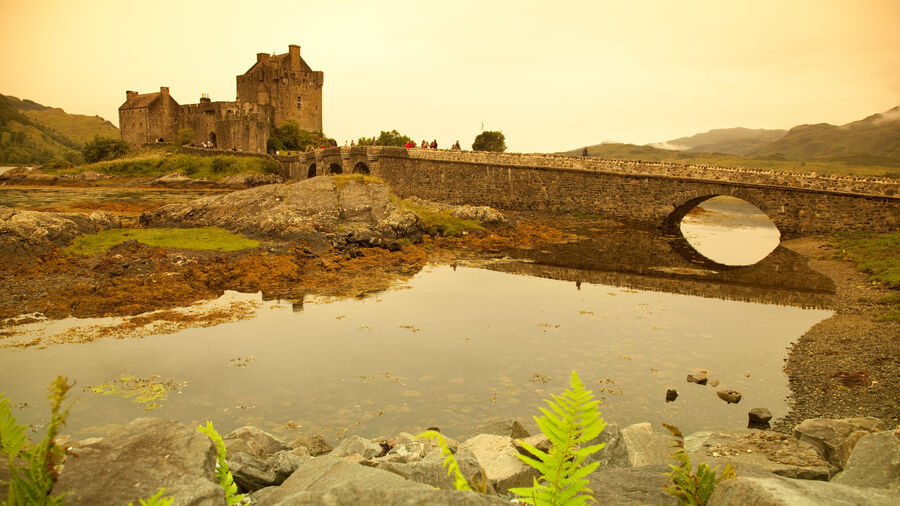
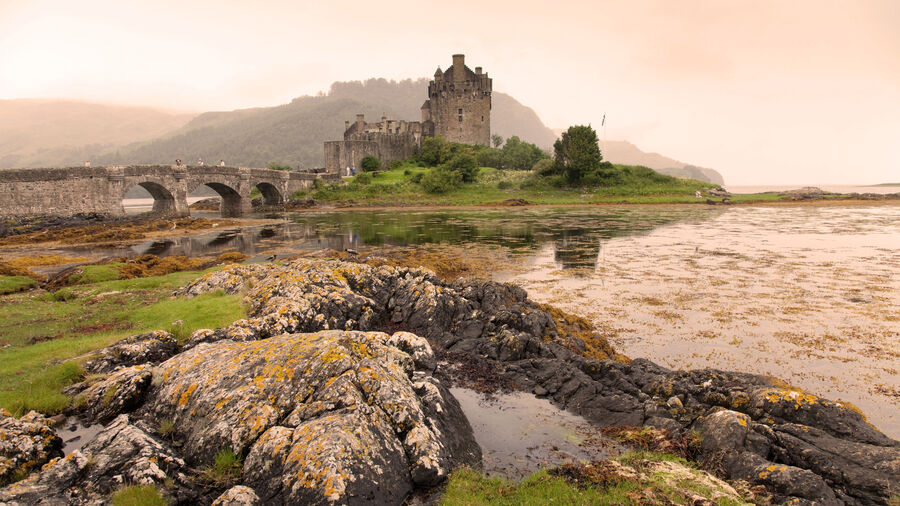
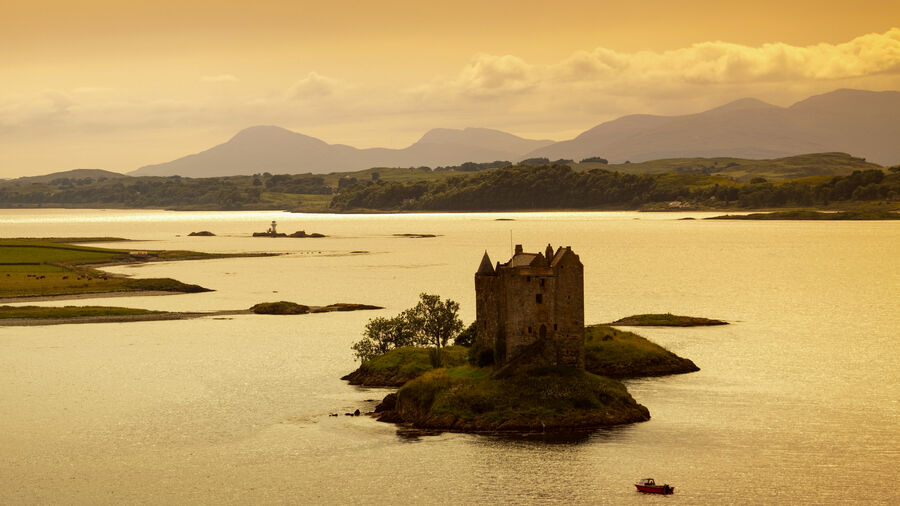
Eilean Donan Castle
Scotland
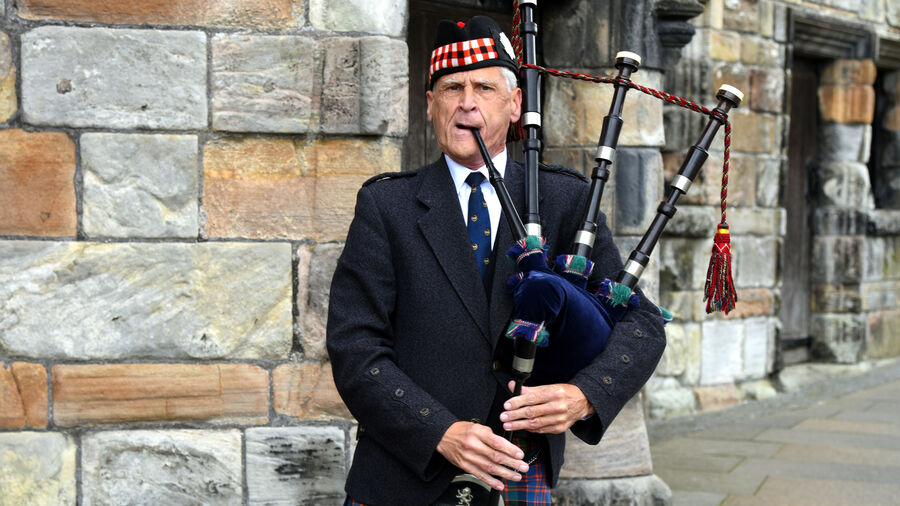
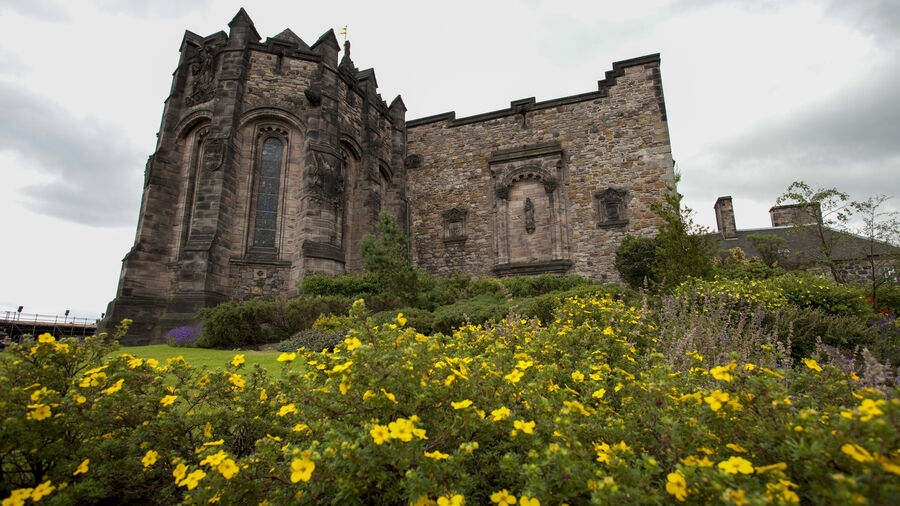
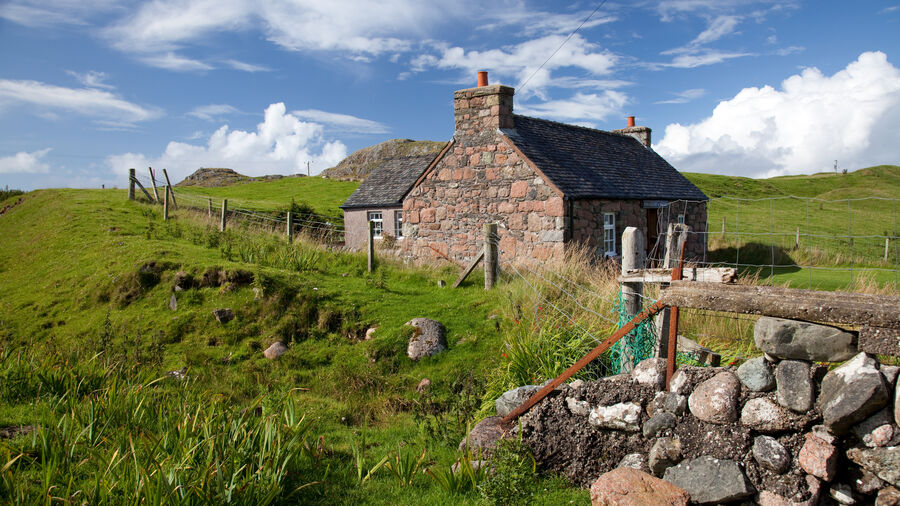
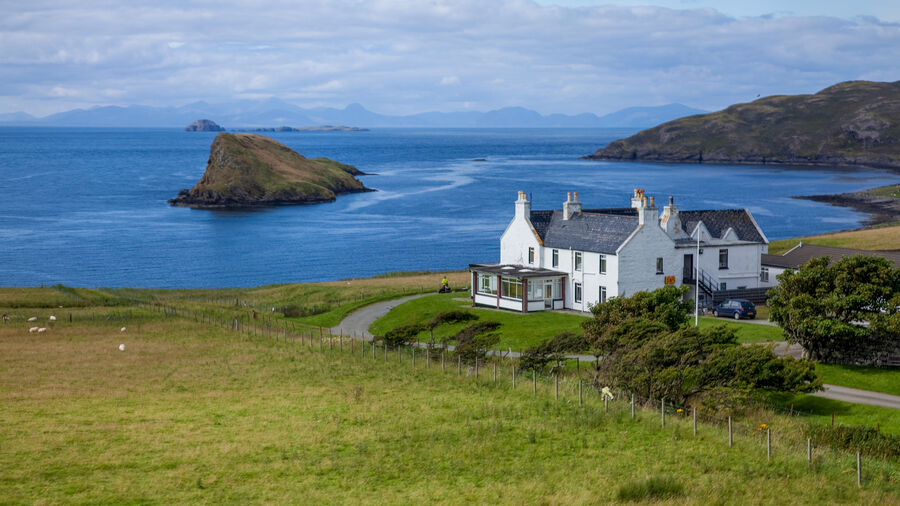
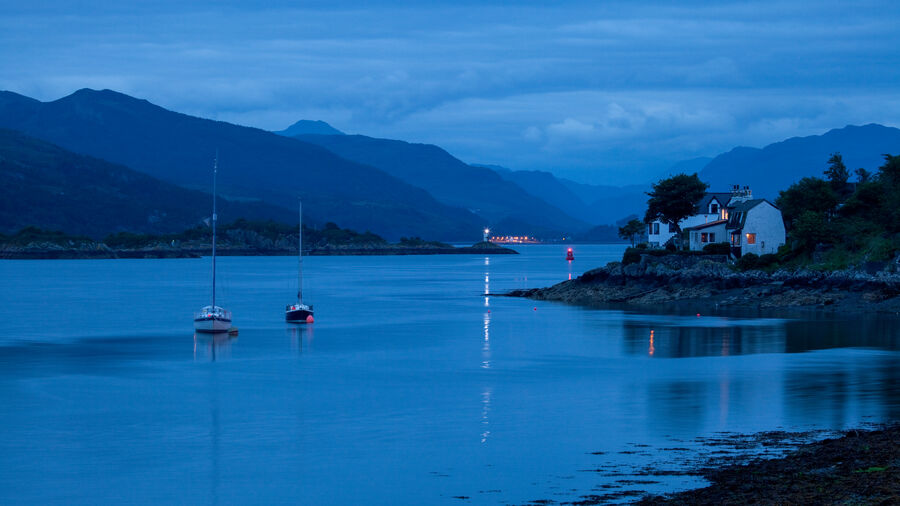
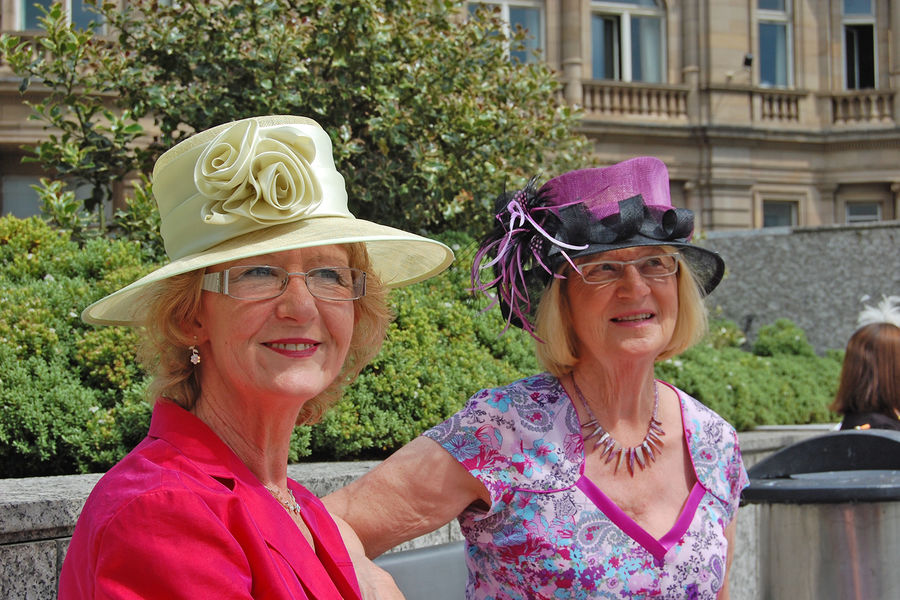
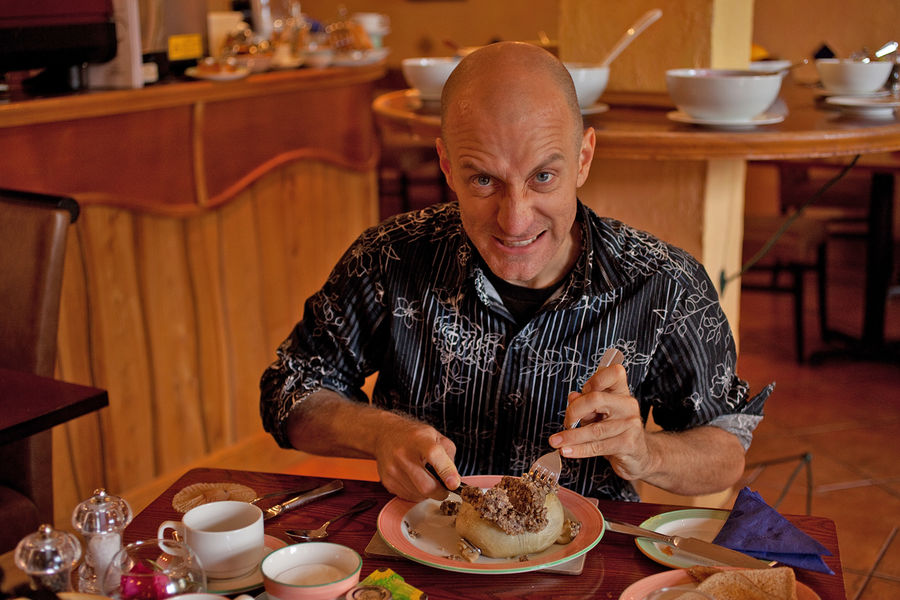
Rugged, colorful, and feisty, Scotland stands apart. From its stony architecture to its striking landscape to its charming people — and their peculiar fondness for haggis — this little land packs a big punch. A proud identity unites the sparsely populated country, which boasts misty glens, brooding castles, windswept moors, peaty whisky, and Celtic ambience. Its leading cities, Edinburgh and Glasgow, teem with culture. It's easy to fall in love with the irrepressible spirit and beautiful scenery of this faraway corner of Britain.
Places
At a Glance
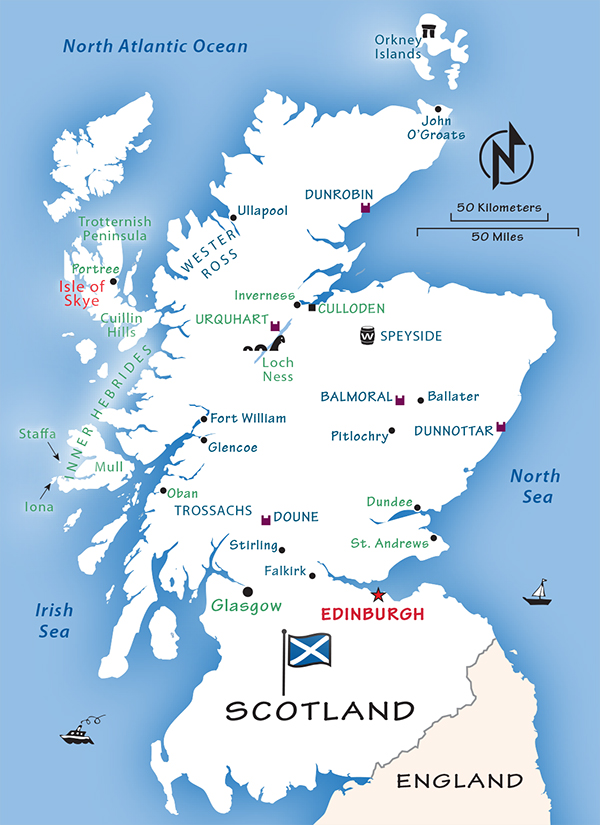
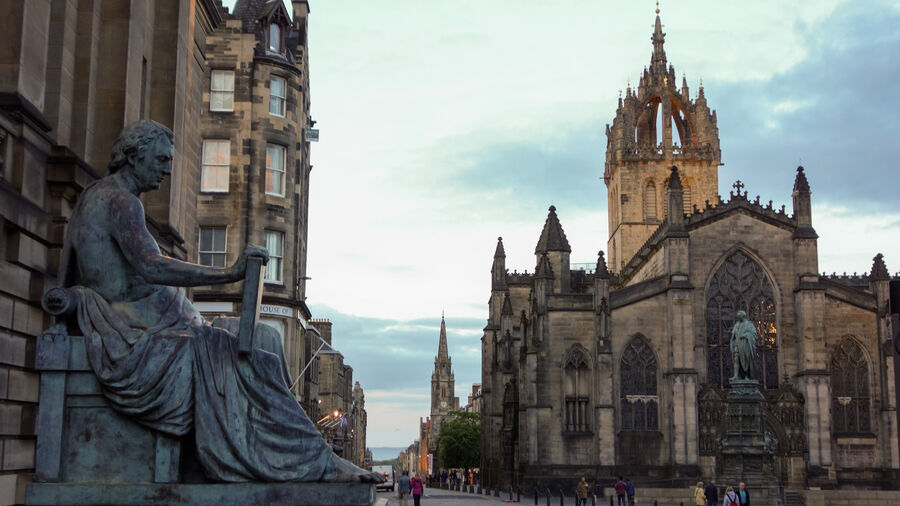
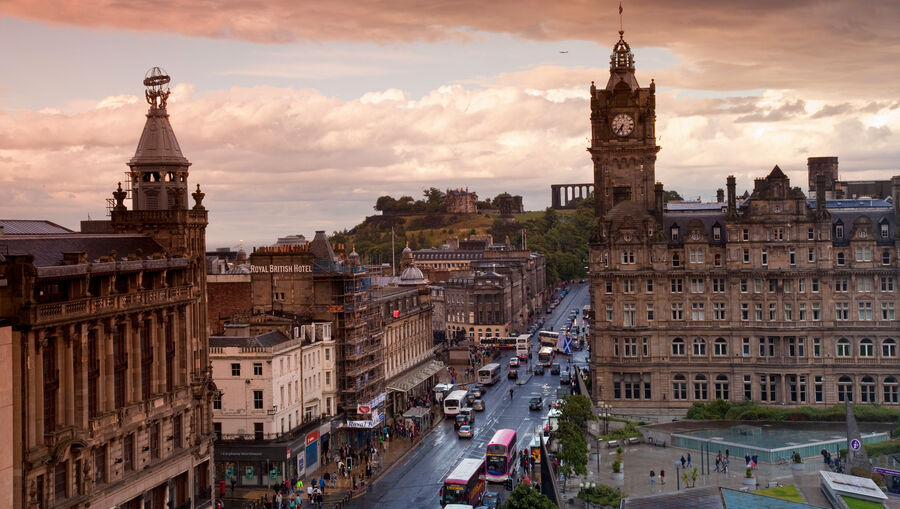
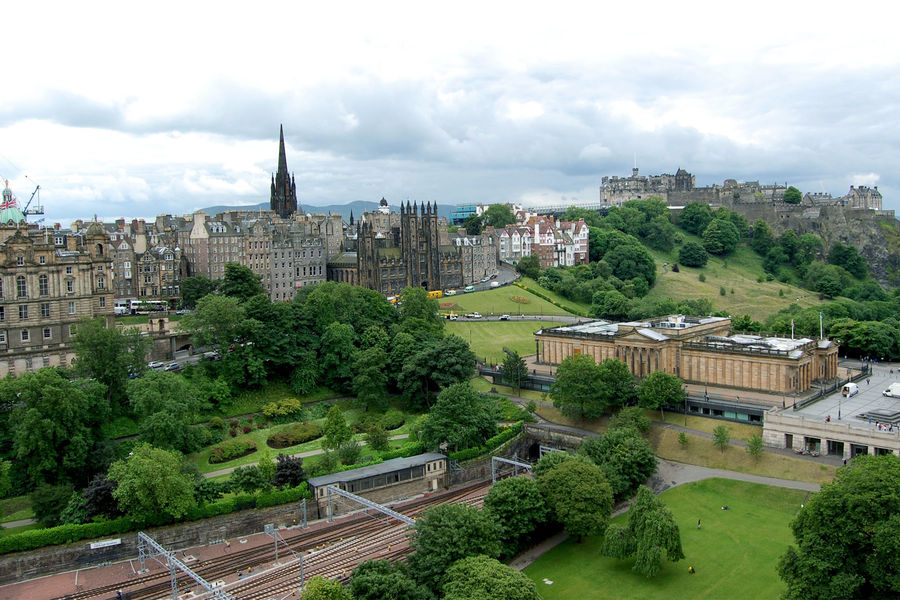
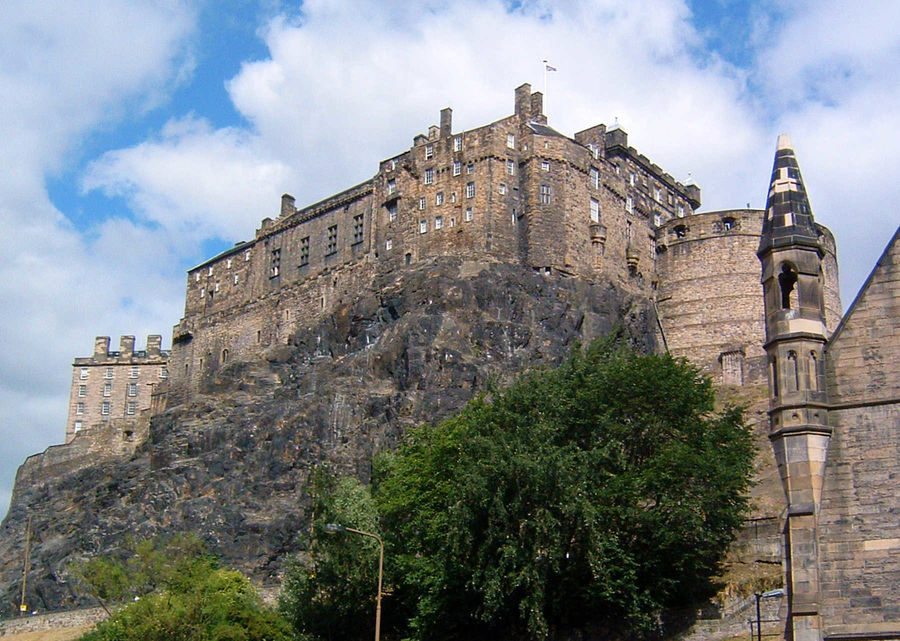
▲▲▲ Edinburgh Proud and endlessly entertaining Scottish capital, with an imposing castle, attractions-studded Royal Mile, excellent museums, and atmospheric neighborhoods.
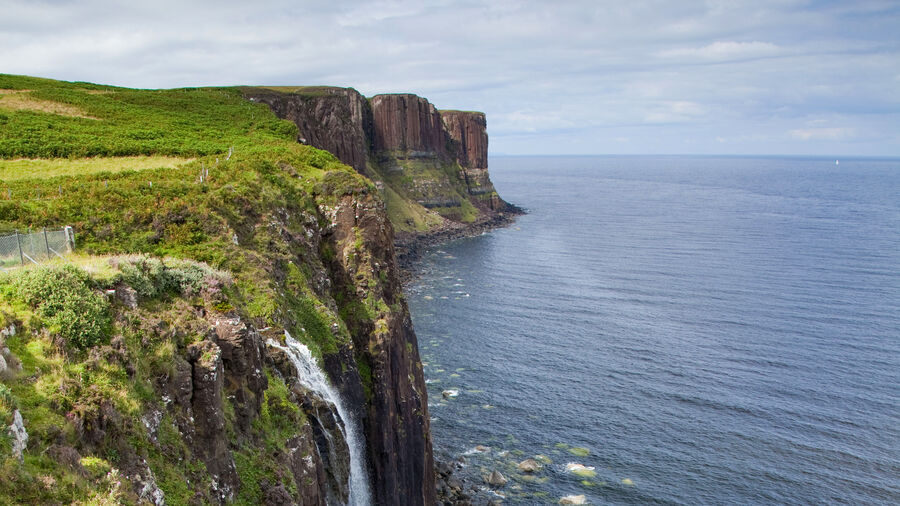
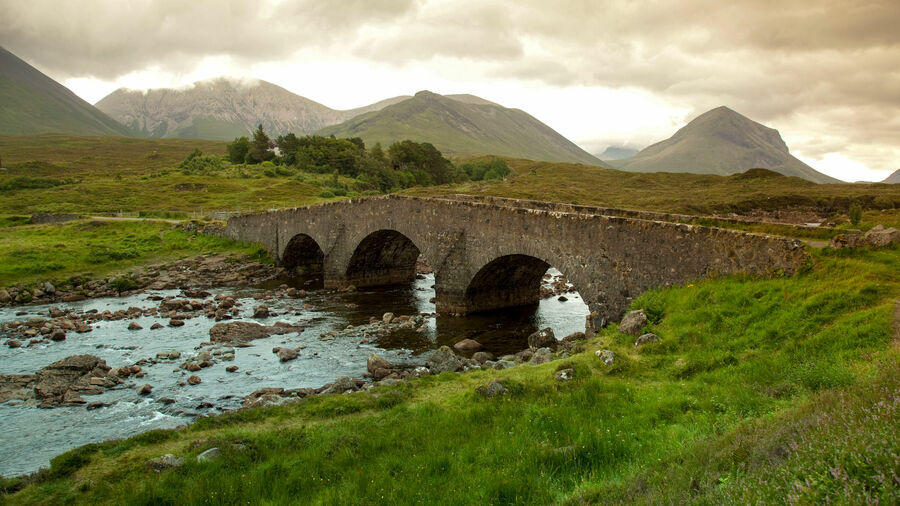
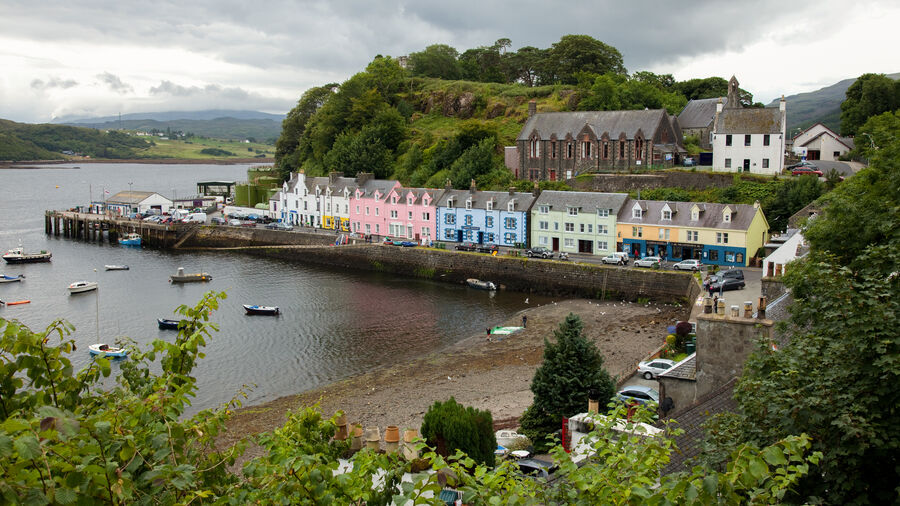
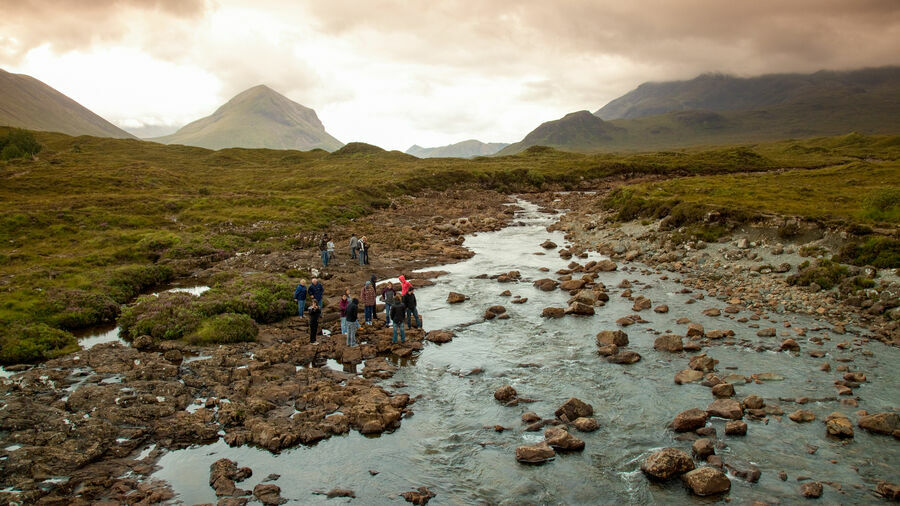
▲▲▲ Isle of Skye Dramatically scenic island featuring craggy Cuillin Hills, jagged Trotternish Peninsula, historic castles, distilleries, dynamic clan history, and the colorful harbor town of Portree.
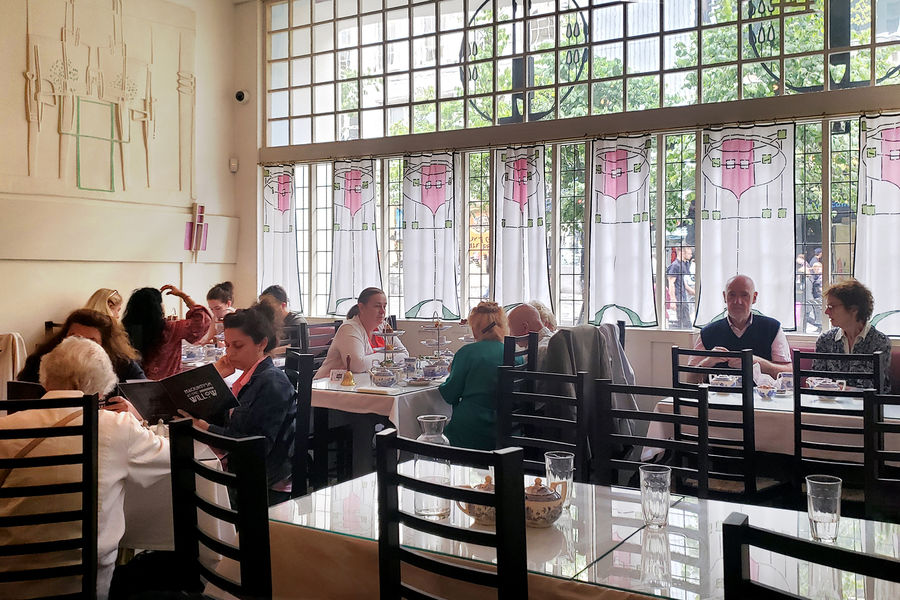
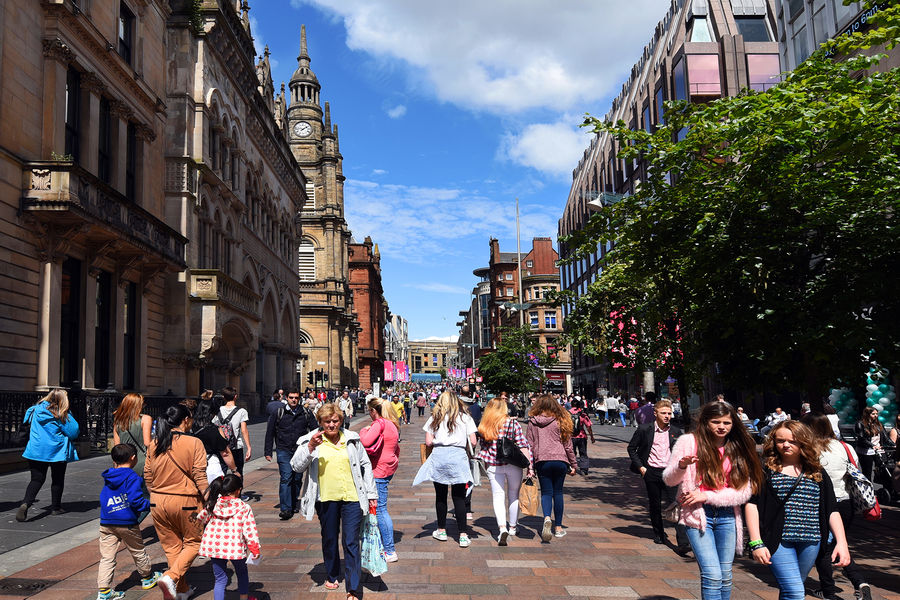
▲▲ Glasgow Scotland's fun and funky biggest city — gritty but gentrifying, and packed with gregarious locals, edgy culture, and a treasure trove of Art Nouveau architecture.
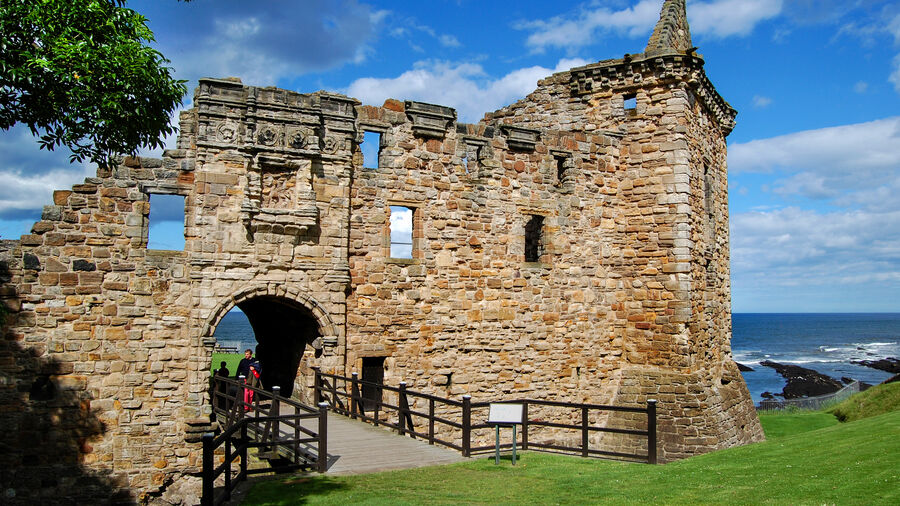
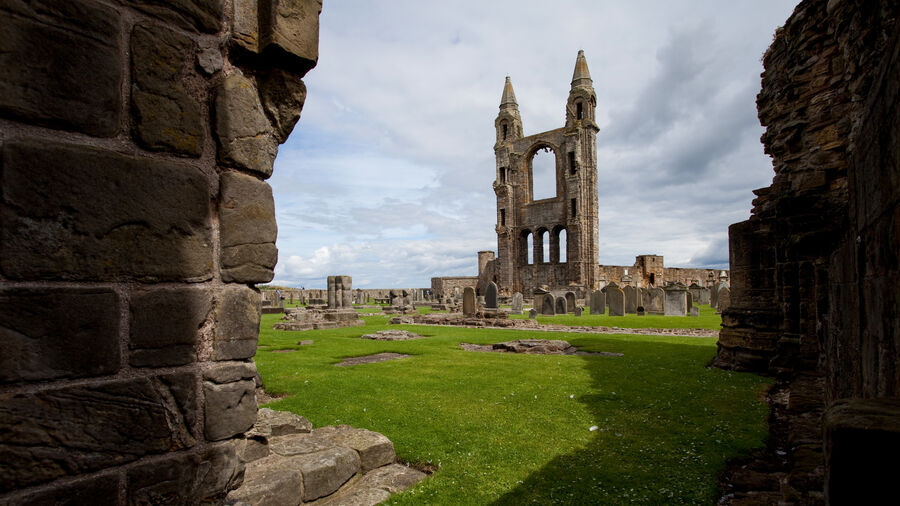
▲▲ St. Andrews Medieval seaside town that hosts Scotland's top university and the world's most famous golf course, plus nearby Dundee (fine museums) and charming coastal villages of the East Neuk.
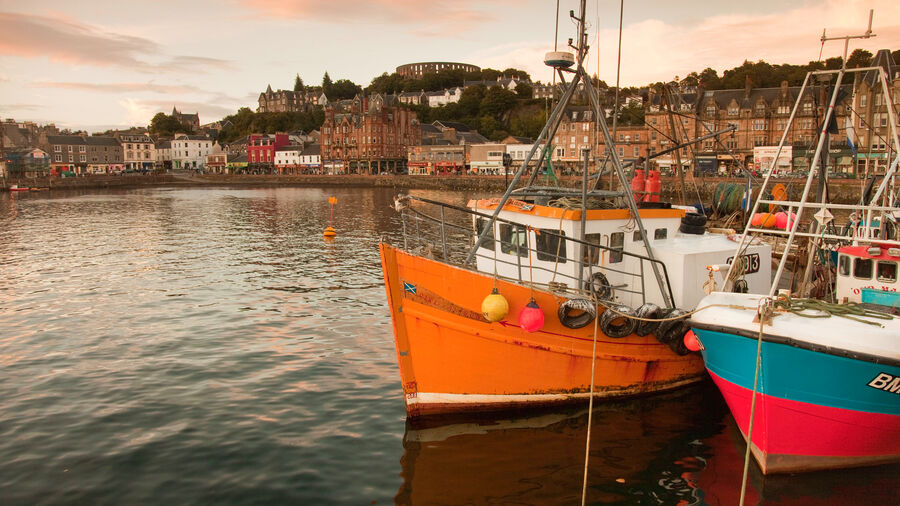
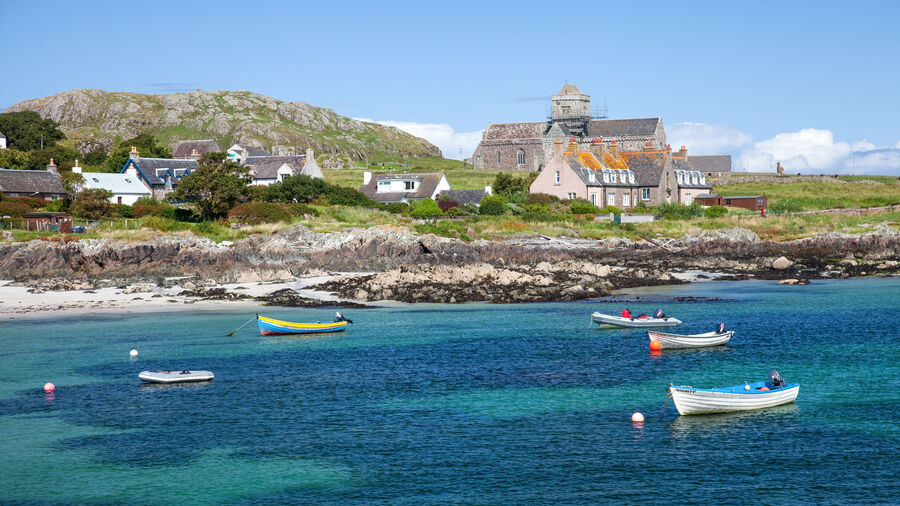
▲▲ Oban & Inner Hebrides Handy home-base town of Oban, hosting great distillery tour and restaurants, that's connected by ferry to the isles of Mull, Iona, and Staffa.
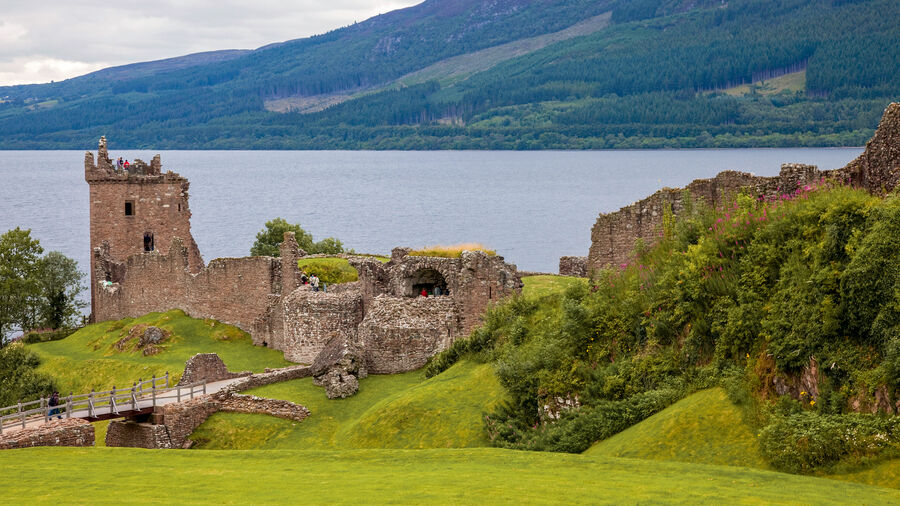
▲▲ Inverness Regional capital with easy access to more Highlands sights, including Culloden Battlefield (Scotland's Alamo) and monster-spotting at the famous Loch Ness.
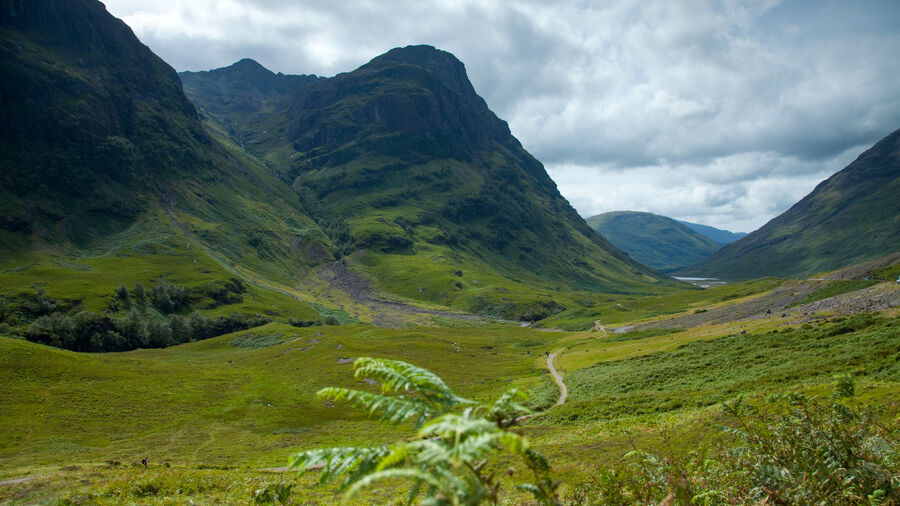
▲ Glencoe Stirring "Weeping Glen" offering some of the Highlands' best scenery and hikes.
▲ Stirling Site of one of Scotland's top castles (home of the Stuart kings) overlooking a historic plain, with great sights nearby — from giant horse heads and a Ferris wheel for boats at Falkirk to Doune Castle and Highland scenery in the Trossachs.
▲ Orkney Islands Island group off the north coast, with Scotland's best prehistoric sites and a naval harbor with a fascinating past.
▲ Fort William and the "Road to the Isles" Transit-hub town anchoring a meandering road through a particularly historic and rugged stretch of the western coast.
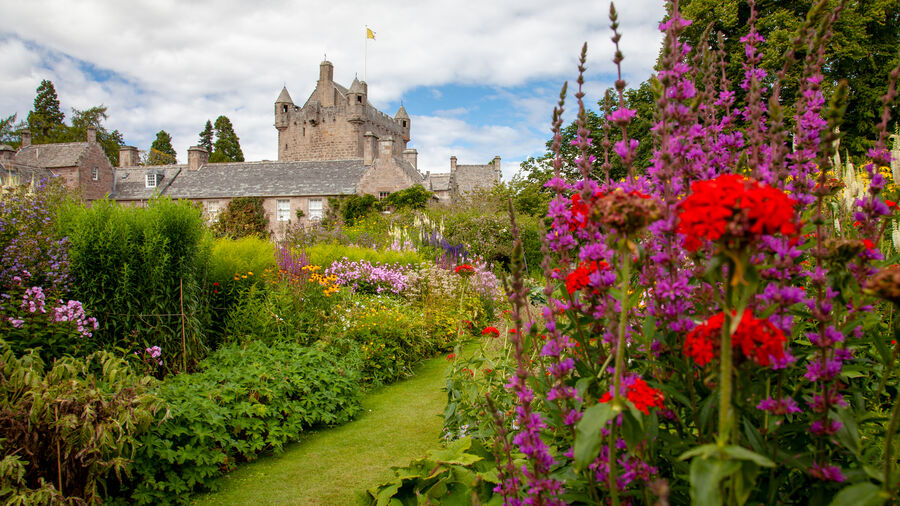
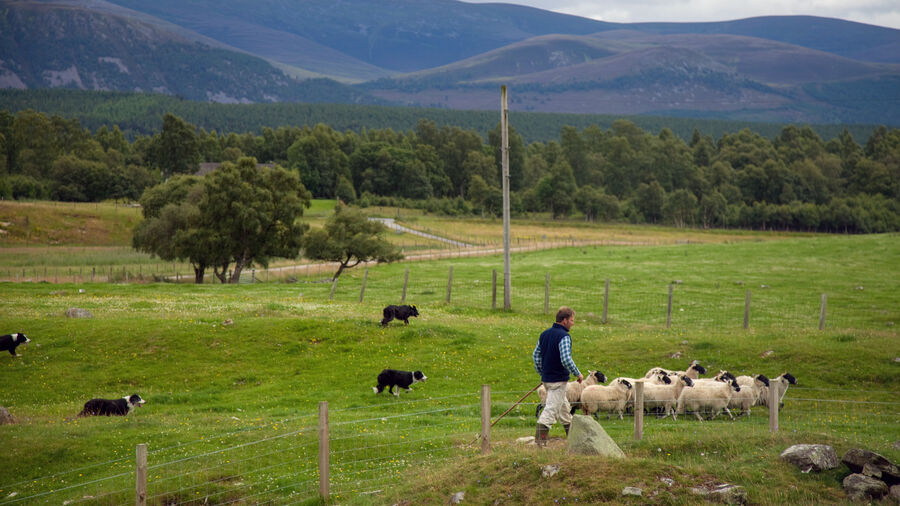
▲ Eastern Scotland Area with a grab-bag of appealing sights between Inverness and Edinburgh, including an early Iron Age crannog site on Loch Tay, sheepdog shows, the distilleries of Speyside, the royal retreat at Balmoral Castle, and cliff-capping Dunnottar Castle.
▲ Wester Ross and the North Coast Remote, less-touristed region with some of the Highlands' best get-away-from-it-all scenery.
▲ Pitlochry Whisky and hillwalking mecca.
Plan
Photos










Watch
- Clan Heritage in the Scottish Highlands (clip)
- Deciphering the Glaswegian Accent (clip)
- Edinburgh (episode)
- Glasgow and Scottish Passions (episode)
- Glasgow’s Restoration (clip)
- Island Hopping (clip)
- Oban: Gateway to the Scottish Isles (clip)
- Scotland’s Highlands (episode)
- Scotland’s Islands (episode)
- Skye’s Trotternish Peninsula (clip)
- Speyside: The Heart of Scotland’s Whisky Country (clip)
- Travel Talks: Scotland
Read
- Go Left, Young Man: Driving in Great Britain and Ireland
- Strange Food: Europe’s Offbeat Delicacies
- The King’s English: Brilliant and Baffling
- The Remote Rewards of Scotland’s Orkney Islands
- Booking It Through Europe: Top Literary Stops
- Edinburgh: Sightseeing Beyond the Royal Mile
- Edinburgh’s Royal Mile
- Great Scares in Great Britain
- In Britain, the Kids Are Alright
- Scotland’s Independent Streak
- The View from Edinburgh Castle
- Glasgow Surprises with Art, Design, and Culture
- Open Doors to the Past: Visiting Europe’s Time-Warp Homes
- Europe’s Wide World of Traditional Sports
- Going to the Dogs (and Other Animals) in Europe
- Highlands Highlights in the Heart of Scotland
- O’er the Ramparts: Castles in Great Britain
- Scotland’s Magical, Mystical Isles
- Scotland’s Most Intoxicating Places
- Top Sights Where ‘Harry Potter’ Was Filmed
- St. Andrews: Hit the Links, Books, and Beach
Scotland
Edinburgh
Glasgow
Scottish Highlands
St. Andrews
Listen
- Backroads Scotland (11:21)
- Celts of Wales and Scotland (45:34)
- Day Hikes in Europe (12:27)
- Edinburgh and Scotland (32:31)
- Edinburgh, an Insider's Guide (46:45)
- European Food Specialties (29:11)
- Exploring Glasgow's Cool Vibe (18:55)
- Favorite Scottish Walks (11:33)
- Glasgow (12:24)
- Highlands & Islands (22:23)
- Isle of Skye (11:29)
- Isles of Britain (11:23)
- Photogenic Scotland (18:58)
- Scotch Tasting Rooms (16:59)
- Scotland Highlands (11:58)
- Scotland Highlands (30:19)
- Scotland Itineraries (30:03)
- Scotland's Inner Hebrides (12:29)
- Scotland's Megalithic Orkney (17:45)
- Scotland's Robert Burns (17:10)
- Scottish Folk Music (18:51)
- Scottish Hebrides (12:00)
- Scottish Hebrides: Island Life (18:35)
- Scottish Pub Talk (16:14)
- Sheep Encounters (35:43)
- Walking Edinburgh (18:14)
Scotland Audio Tours
- Edinburgh: Royal Mile Walk
Listen or Download | Download map