

-
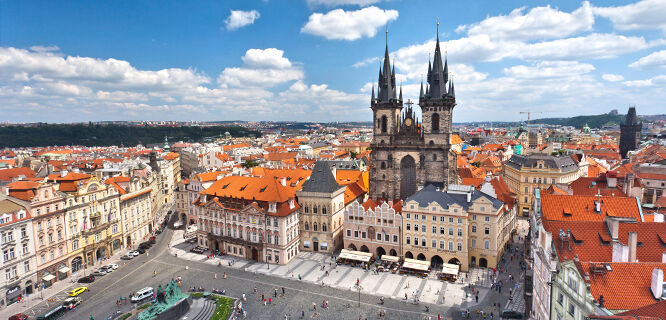
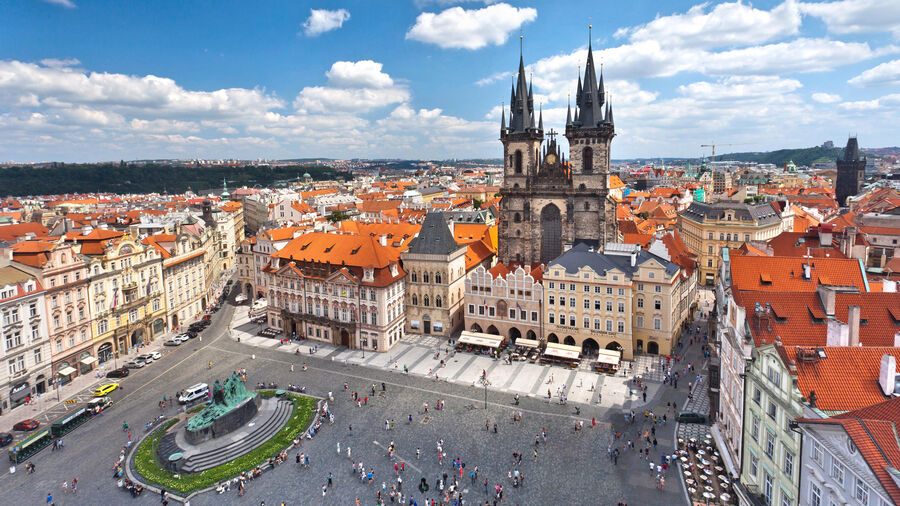
Old Town Square and Týn Church, Prague
Prague
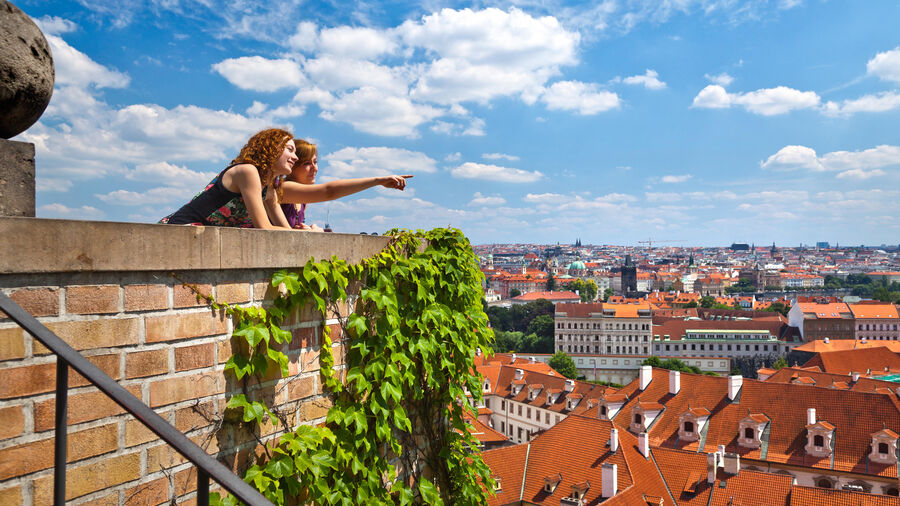
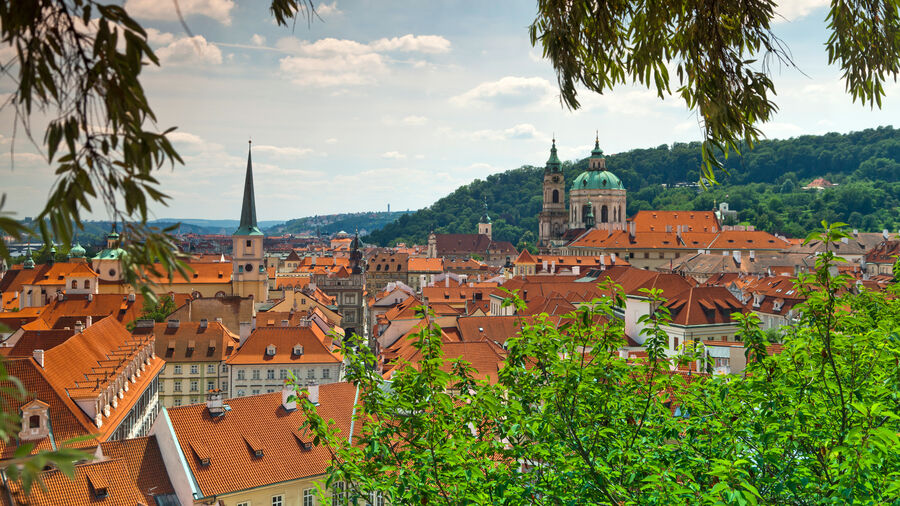
Few cities can match Prague's over-the-top romance, evocative Old World charm…and tourist crowds. Prague is equal parts historic and fun. No other place in Europe has become popular so quickly. And for good reason: Prague — the only Central European capital to escape the large-scale bombing of the last century's wars — is one of Europe's best-preserved cities. It's filled with sumptuous Art Nouveau facades, offers tons of cheap Mozart and Vivaldi concerts, and brews some of the best beer in Europe. Cross the famous Charles Bridge, communing with vendors, artists, tourists, and a stoic lineup of Czech saints in stone. Hike up to the world's biggest castle for a lesson in Czech history and sweeping views across the city's spires and domes.
At a Glance
Rather than a checklist of museums, Prague is a fine place to wander around and just take in the fun atmosphere. Plan some worthwhile activities: Take a self-guided tram tour, hire a local guide, enjoy a concert, or go for a scenic paddle on the river.
Old Town
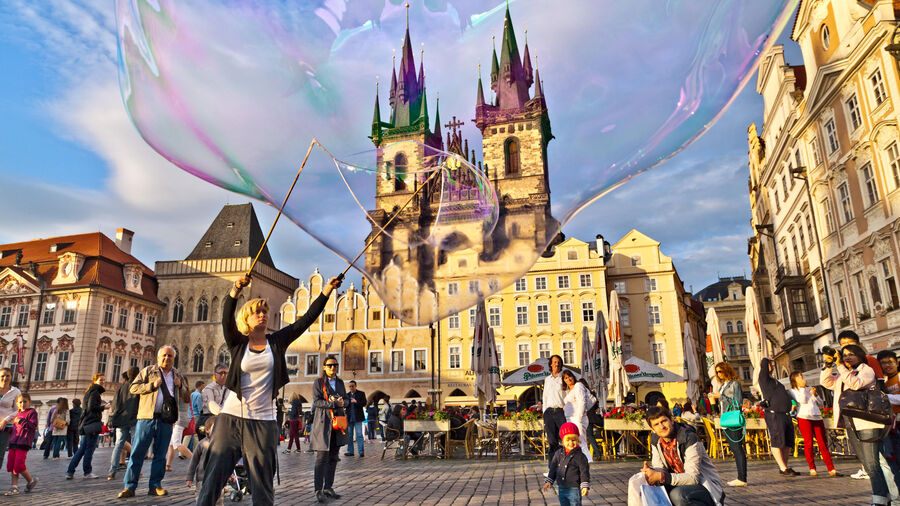
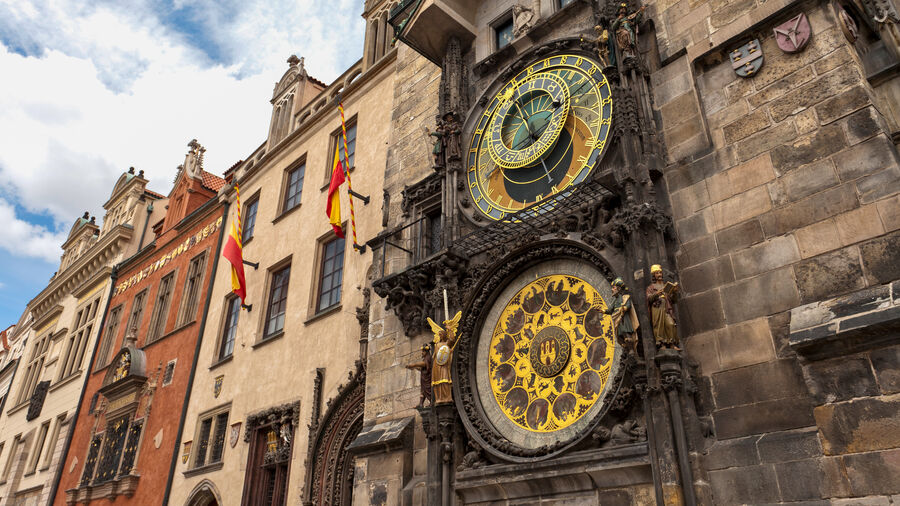
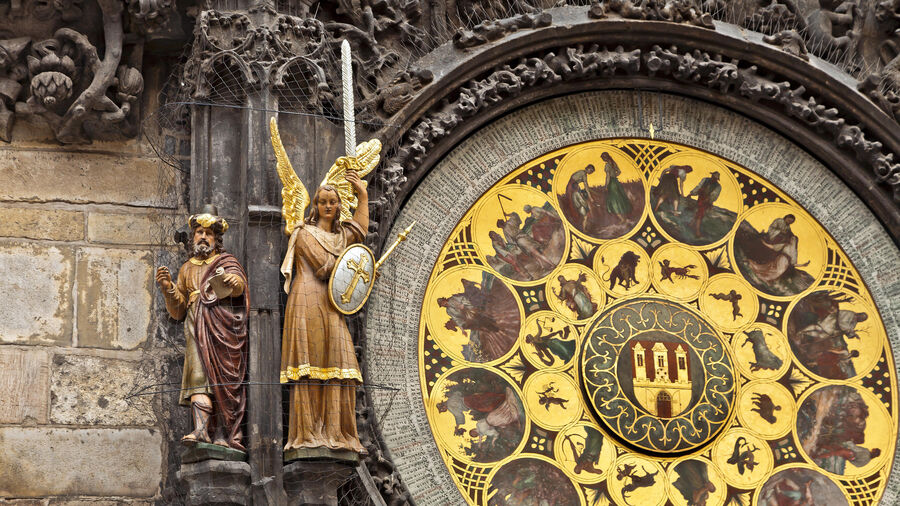
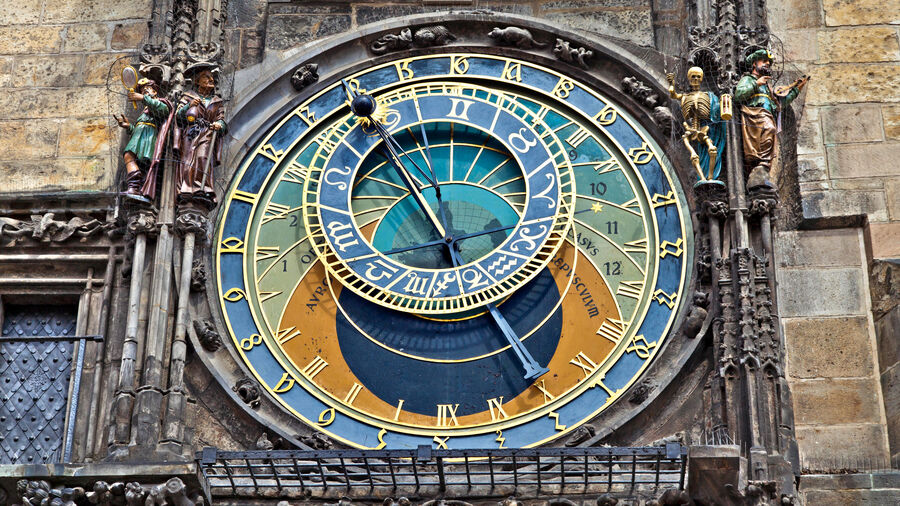
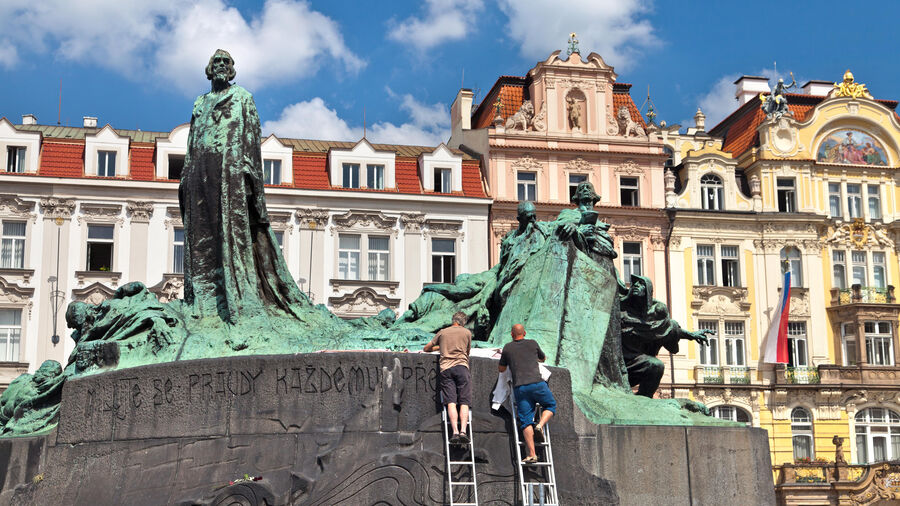
▲▲▲ Old Town Square Magical main square of Old World Prague, with dozens of colorful facades, dramatic Jan Hus Memorial, looming Týn Church, and fanciful Astronomical Clock.
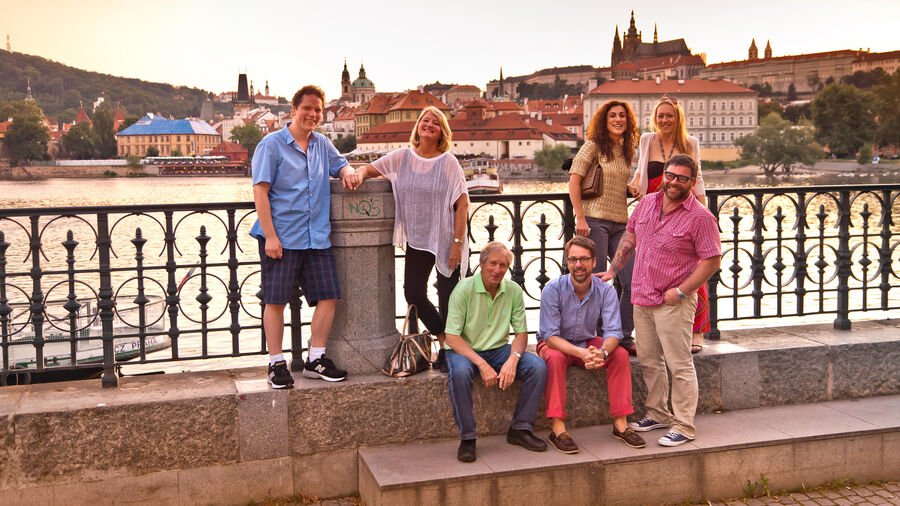
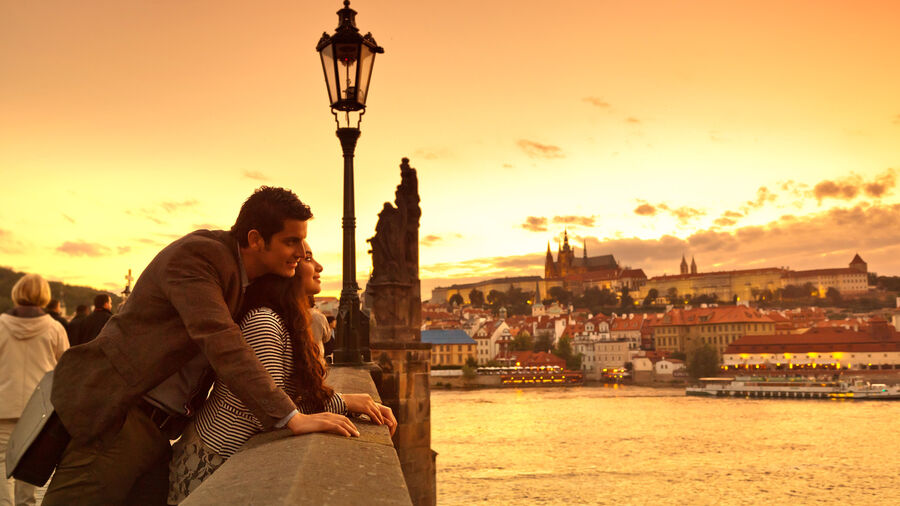
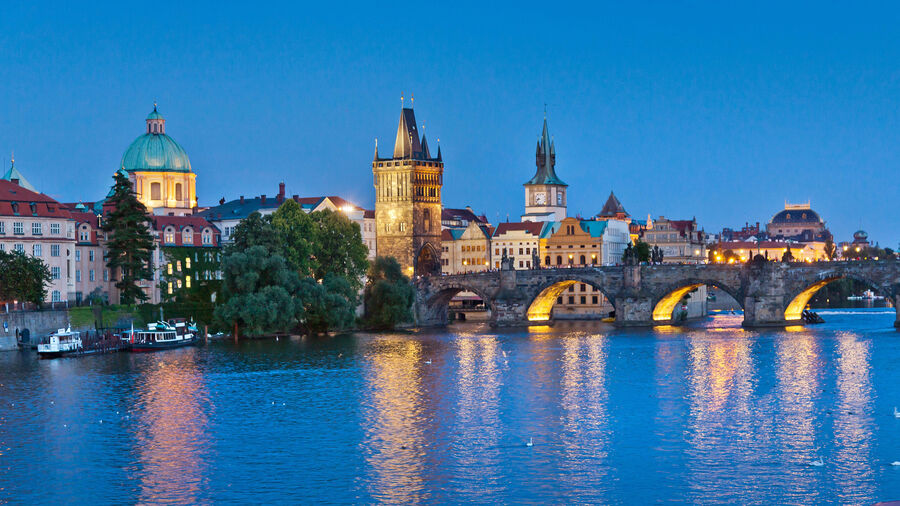
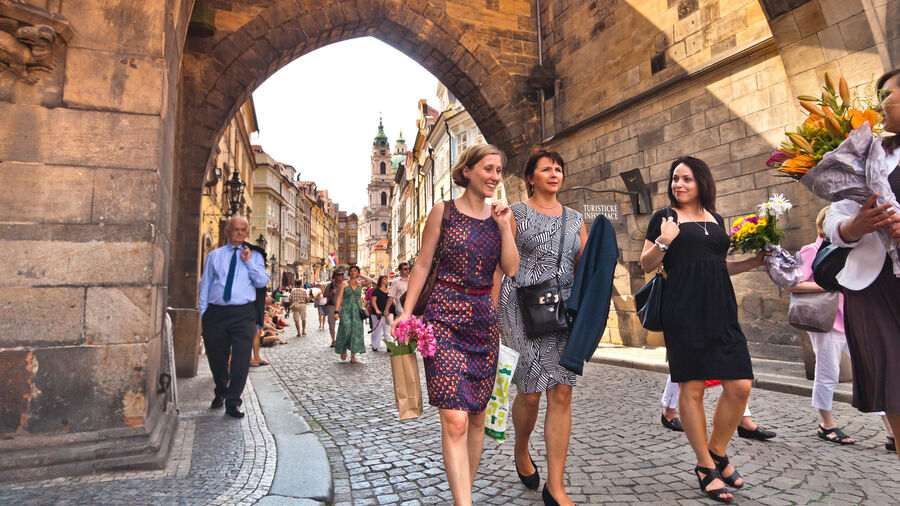
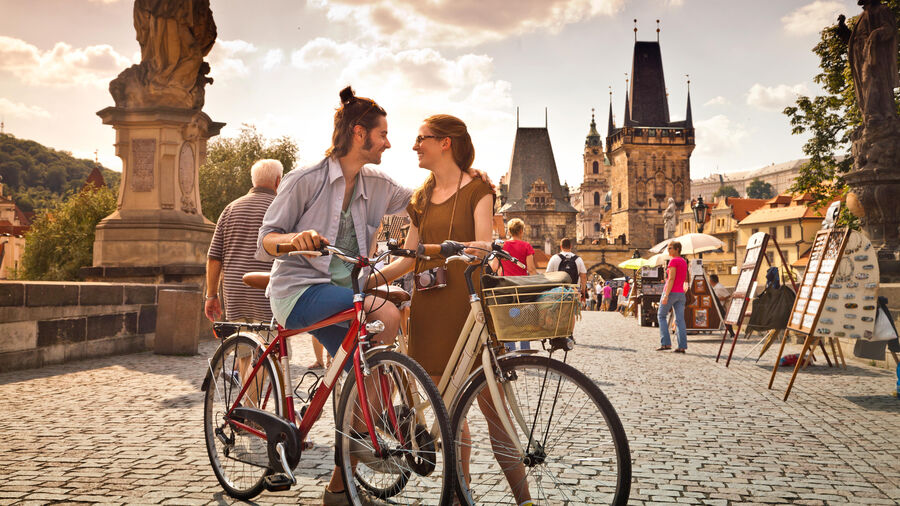
▲▲▲ Charles Bridge Atmospheric, statue-lined bridge that connects the Old Town to the Lesser Town and Prague Castle.
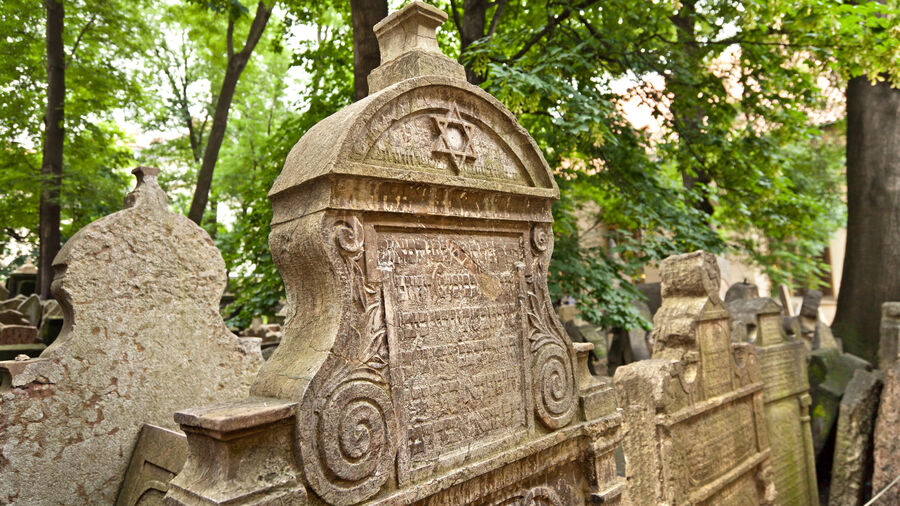
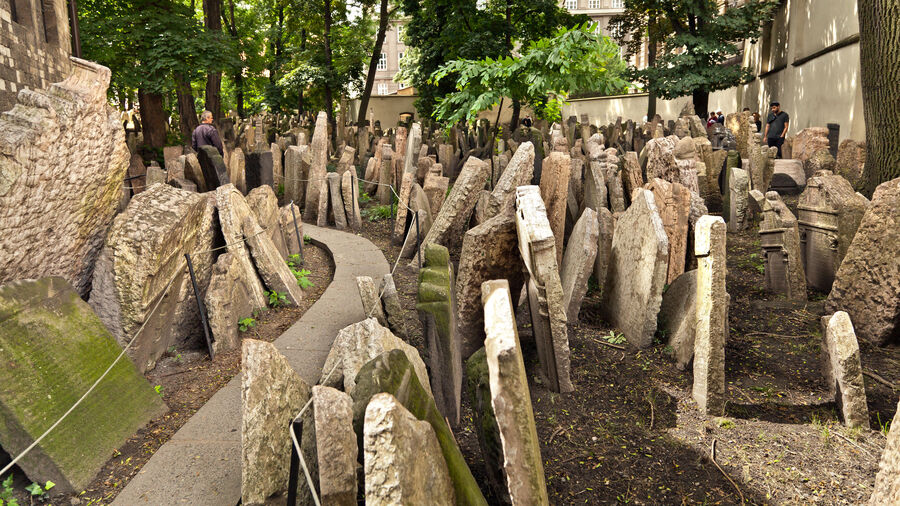
▲▲▲ Jewish Quarter Finest collection of Jewish sights in Europe, featuring various synagogues and an evocative cemetery.
▲▲ Museum of Medieval Art Best Gothic art in the country, at the former Convent of St. Agnes.
▲ Havelská Market Colorful open-air market that sells crafts and produce.
▲ Klementinum National Library's lavish Baroque Hall and Observatory Tower (with views), visit possible by 45-minute tour only.
New Town
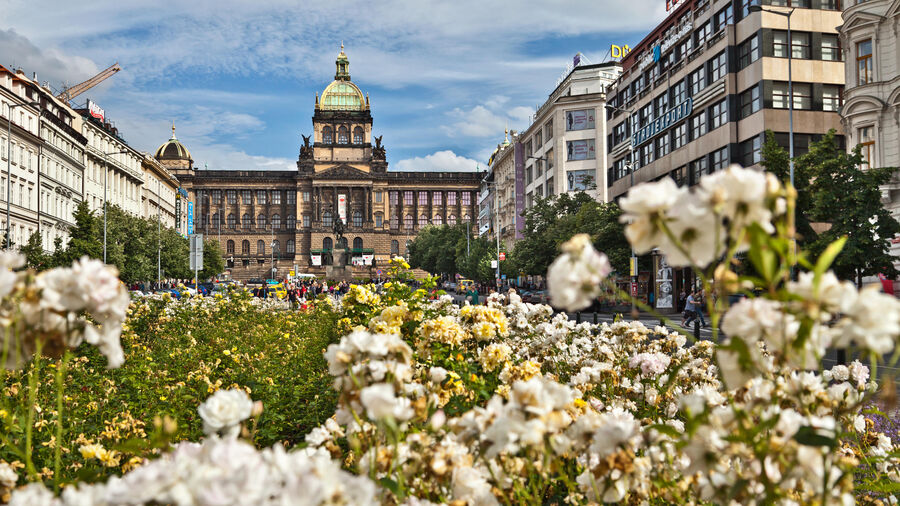
▲▲ Wenceslas Square Lively boulevard at the heart of modern Prague.
▲▲ Municipal House Pure Art Nouveau architecture, including Prague's largest concert hall and several eateries.
▲ Cold War Museum Re-creation of a nuclear fallout shelter, in the basement of a hotel.
▲ Mucha Museum Easy-to-appreciate collection of Art Nouveau works by Czech artist Alfons Mucha.
▲ Museum of Communism The rise and fall of the regime, from start to Velvet finish.
▲ National Memorial to the Heroes of the Heydrich Terror Tribute to members of the resistance, who assassinated a notorious Nazi architect of the Holocaust.
Lesser Town
▲ Petřín Hill Lesser Town hill with public art, a funicular, and a replica of the Eiffel Tower.
Church of St. Nicholas Jesuit centerpiece of Lesser Town Square, with ultimate High Baroque decor and a climbable bell tower.
Wallenstein Palace Garden Largest and beautiful Renaissance palace garden.
Castle Quarter
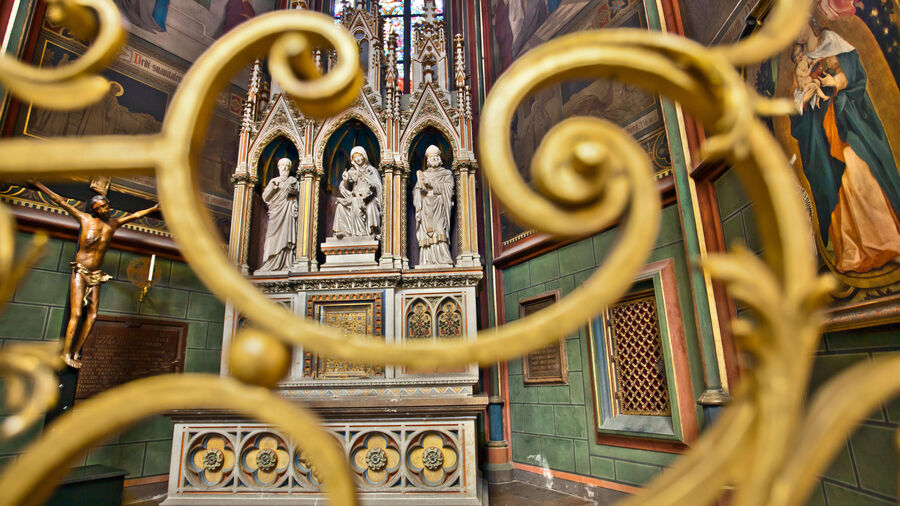
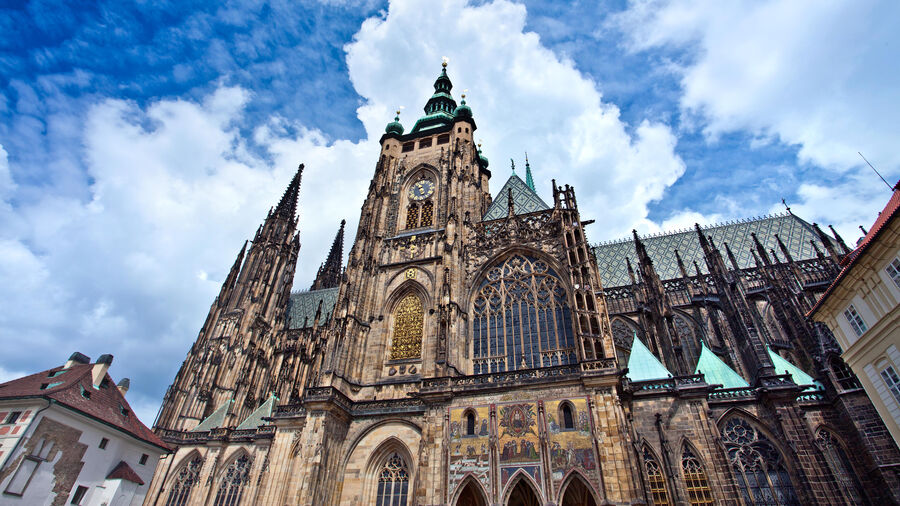
▲▲▲ St. Vitus Cathedral The Czech Republic's most important church, featuring a climbable tower and striking stained-glass window by Art Nouveau artist Alfons Mucha.
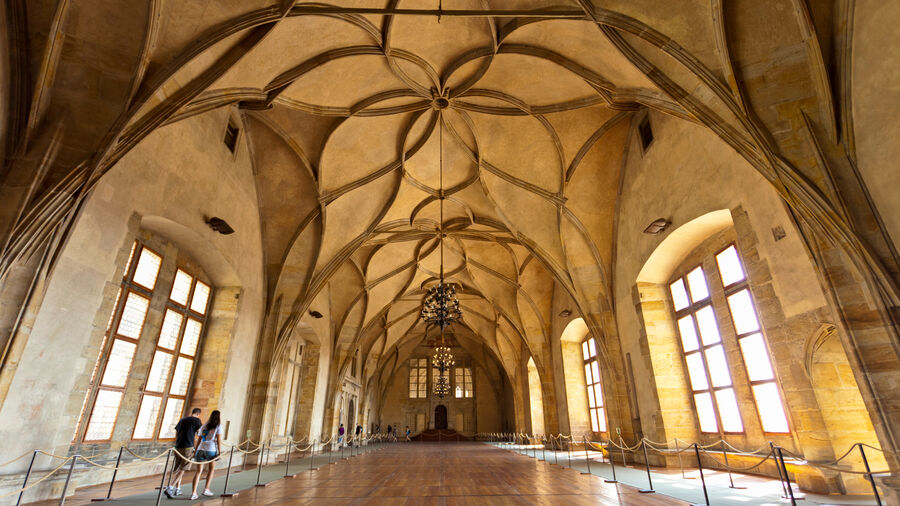
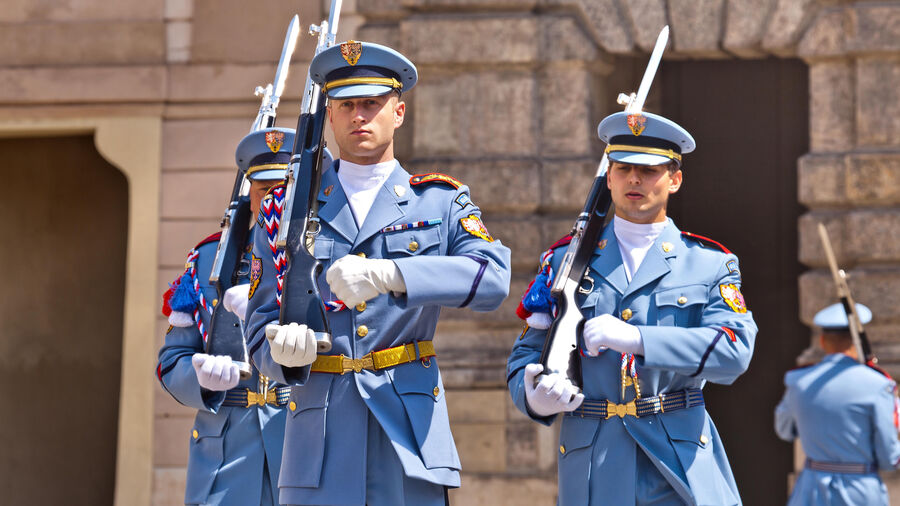
▲▲ Prague Castle Traditional seat of Czech rulers, with St. Vitus Cathedral, Old Royal Palace, Basilica of St. George, shop-lined Golden Lane, and lots of crowds.
▲▲ Lobkowicz Palace Delightful private art collection of a Czech noble family.
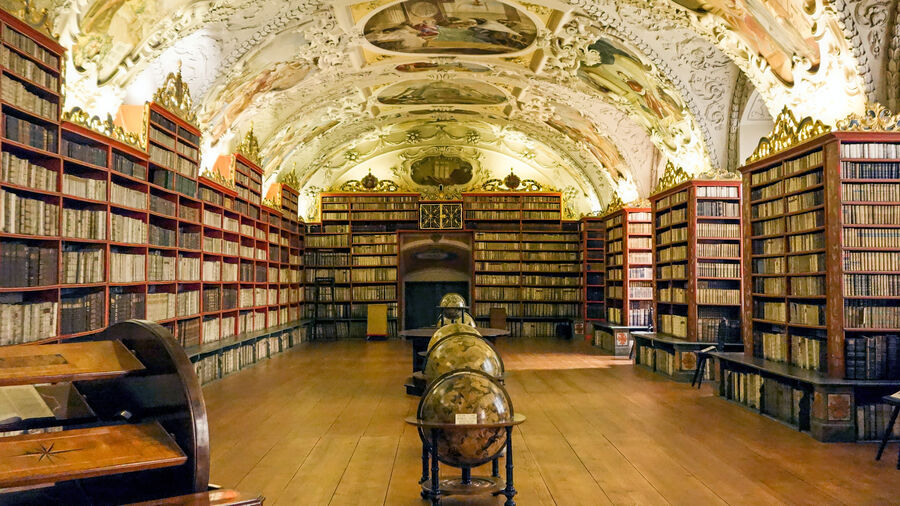
▲ Strahov Monastery and Library Baroque center of learning, with ornate reading rooms and old-fashioned science exhibits.
▲ Loreta Church Beautiful Baroque church, a pilgrim magnet for centuries, containing what some believe to be part of Mary's house from Nazareth.
Outside the Center
▲ Vyšehrad Welcoming, untouristy park at the site of a former hilltop palace, rich with Czech history and great city views.
Plan
Photos









Watch
Read
Listen
- American Nobleman in Prague (28:36)
- A Walk Across Prague (33:57)
- Composer Sites in Europe (11:32)
- Czech Republic (25:20)
- Exploring Prague (18:39)
- Jewish Prague (18:19)
- Music Appreciation for Travel: Part II (17:24)
- Prague (48:03)
- Prague's Coronation Way (12:16)
- Romantic Prague (14:34)
Prague Audio Tours
- Prague City Walk
Listen or Download | Download map