Alsace: Vintage France with a Hint of Schnitzel
By Rick Steves
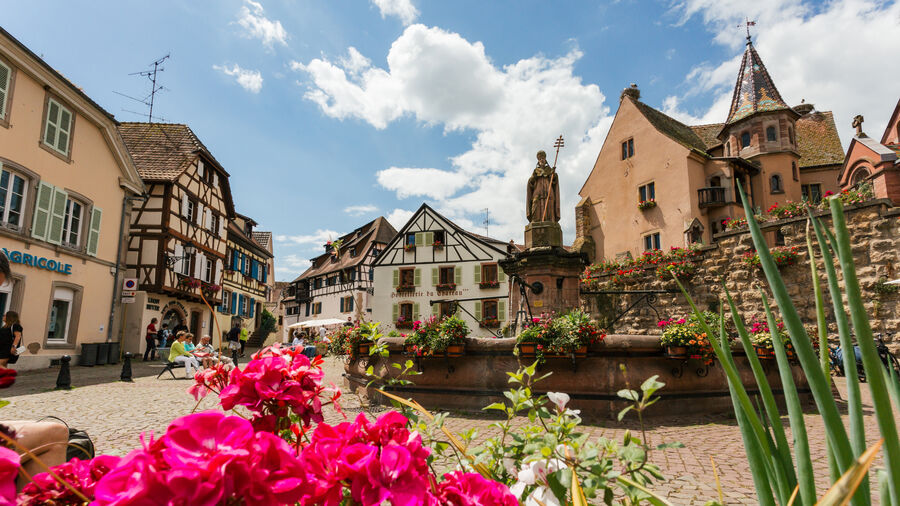
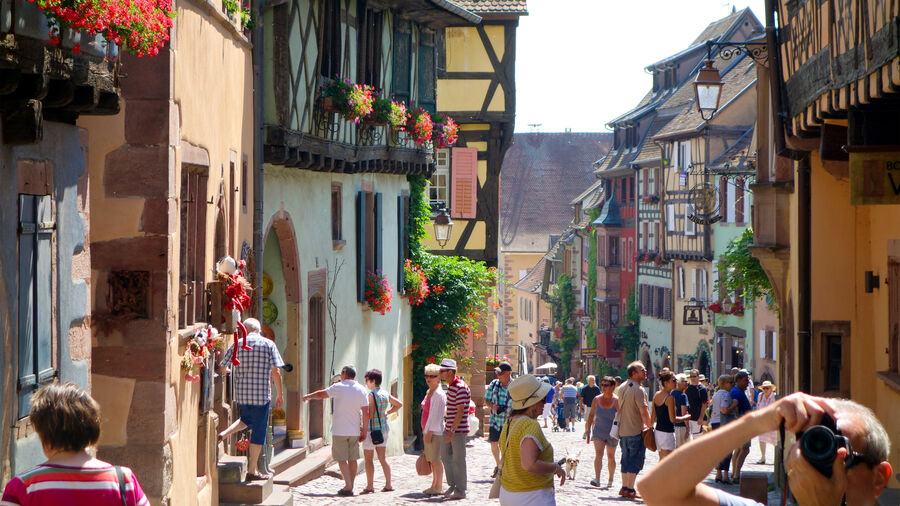
French Alsace has been German Alsace so often (changing hands after every war) that it's become a fascinating blend of Europe's greatest cultures. In Alsace, half-timbered restaurants serve sauerkraut and escargot.
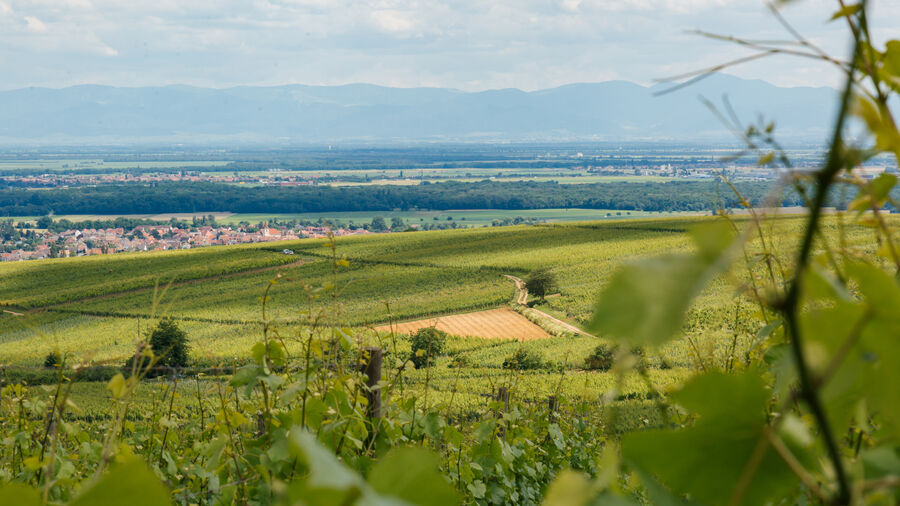
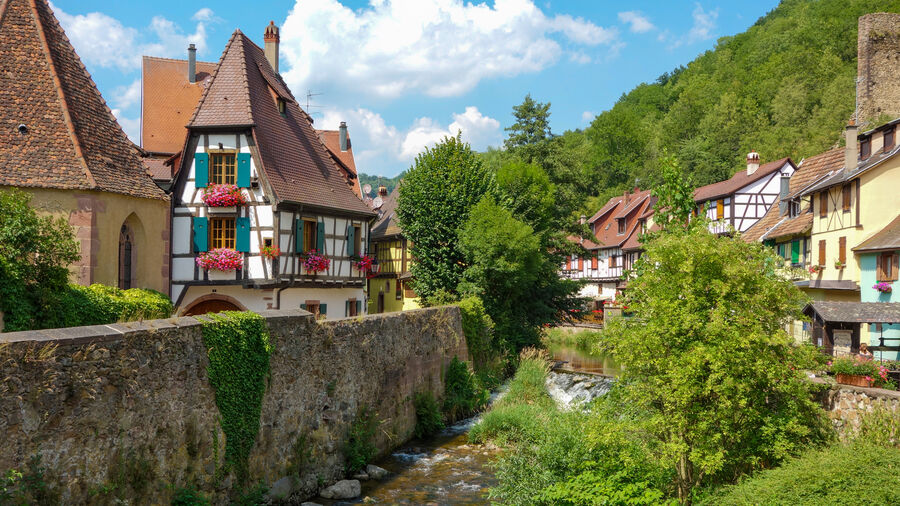
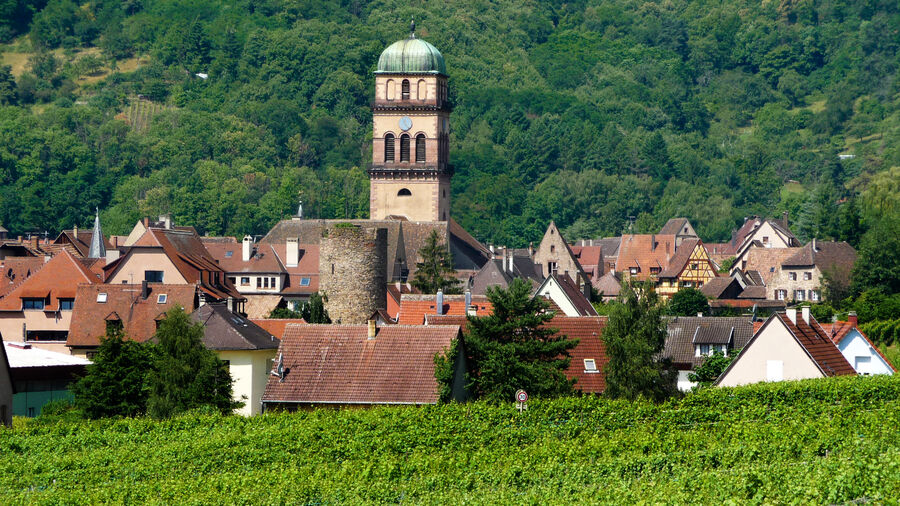
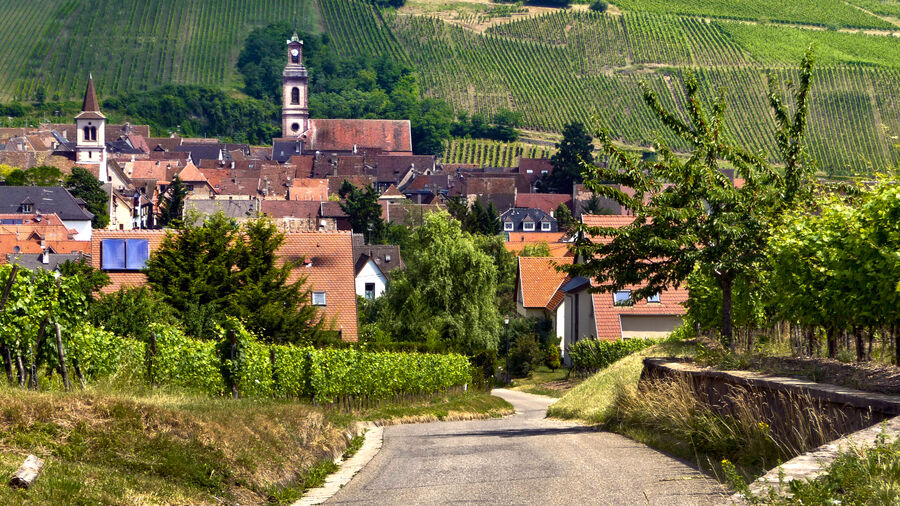
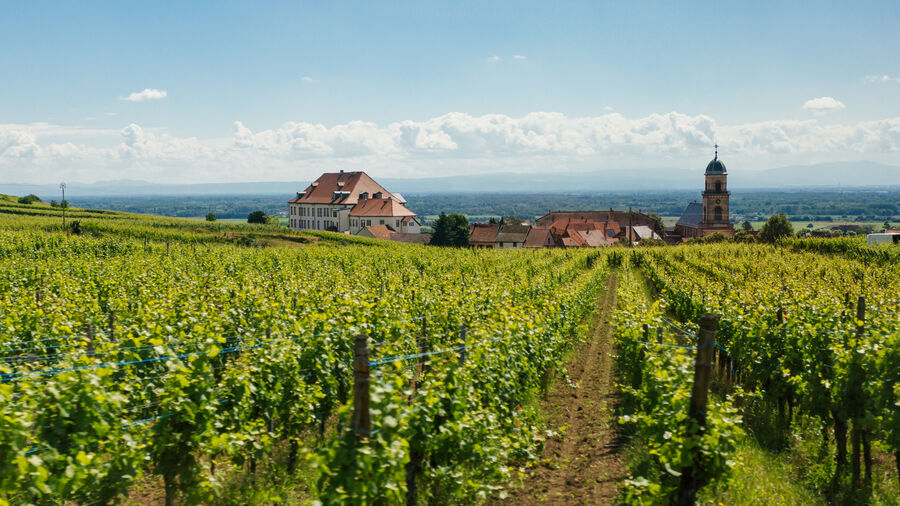
Wine is the region's primary industry, topic of conversation, dominant mouthwash, and perfect excuse for countless festivals. Alsace's wine road, the Route du Vin, strings together family wineries, quaint villages, and feudal fortresses. The local dry and sunny climate has produced good wine and happy tourists since Roman days.
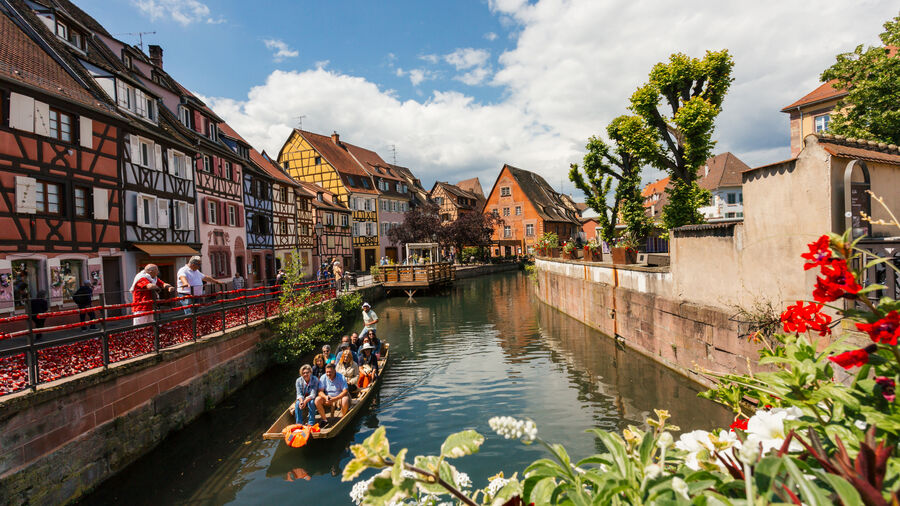
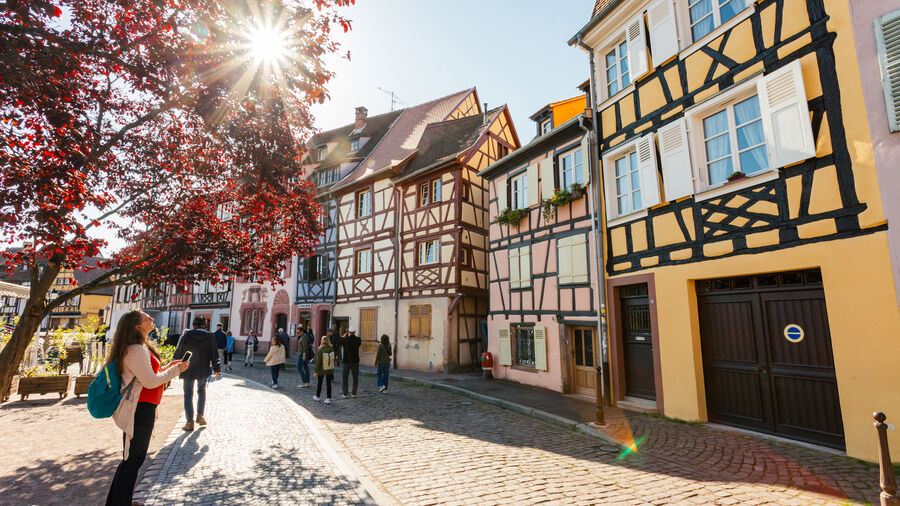
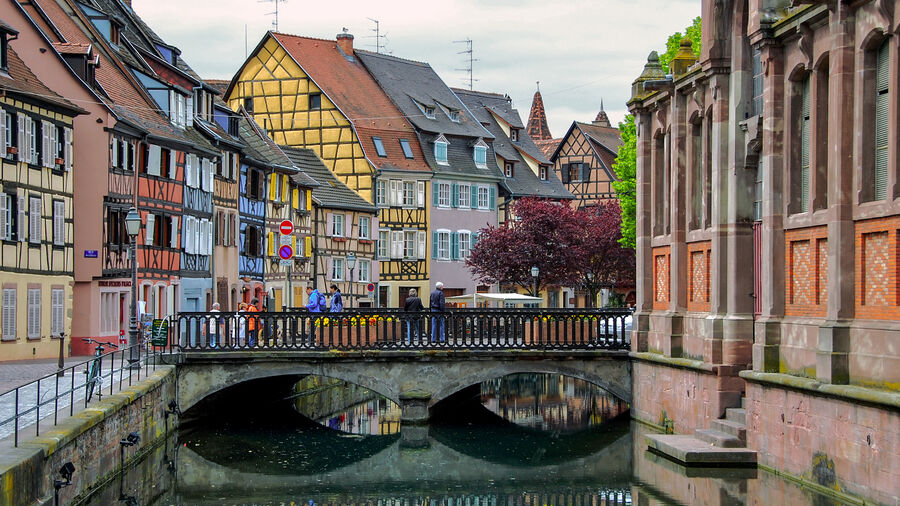
Colmar, my favorite city in Alsace, sees few American tourists but is popular with Germans and the French. Historic beauty, usually a poor excuse to be spared the ravages of war, saved Colmar in World War II. The American and British military were careful not to bomb the burghers' old half-timbered houses, characteristic red- and green-tiled roofs, and the cobbled lanes of Alsace's most beautiful city.
Today Colmar not only survives, it thrives — with historic buildings, impressive art treasures, and a cuisine that attracts eager taste buds from all over Europe. Colmar has that special French talent of being great but cozy at the same time. Antique shops welcome browsers, and hotel managers scurry down sleepy streets to pick up fresh croissants in time for breakfast. Schoolgirls park their rickety horse-drawn carriages in front of the city hall, ready to give visitors a clip-clop tour of the Old Town.
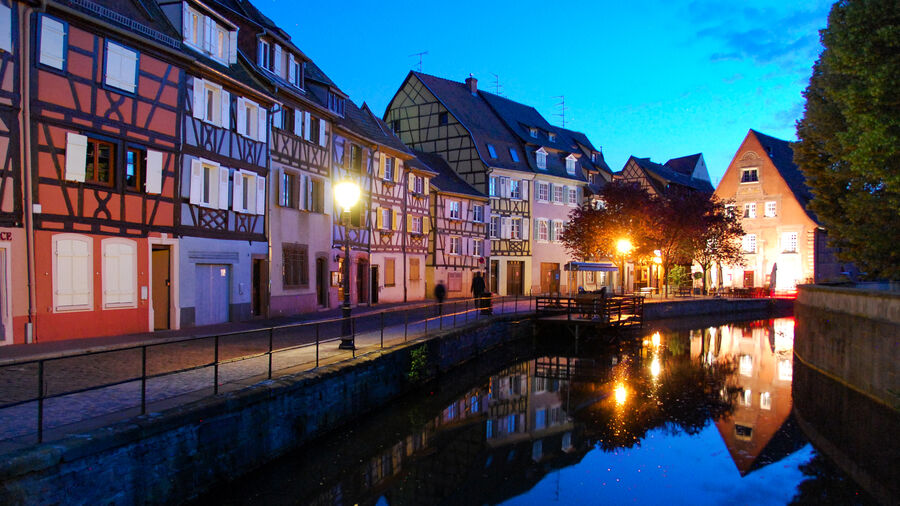
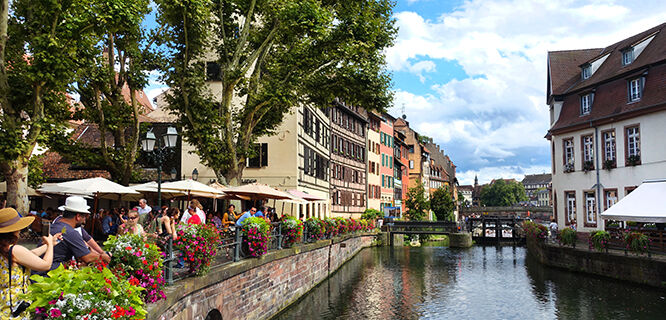
By the end of the Middle Ages, this walled town was a bustling trade center filled with rich old houses. The wonderfully restored tanners' quarters is a quiver of tall, narrow, half-timbered buildings. Nearby you'll find the neighborhood called La Petite Venise, complete with canals and a pizzeria.
The city's museums show off works by several artistic geniuses who called Colmar home: Grünewald, Bartholdi, and Schongauer. Grünewald's work is the highlight of the Unterlinden Museum, one of my favorite small museums. Housed in a 750-year-old convent, its excellent collection of Alsatian folk art and art exhibits ranges from Neolithic and Gallo-Roman archaeological collections to works by Monet, Braque, and Picasso. Grünewald's Isenheim Altarpiece, a series of paintings, depict both the gripping horror of the Crucifixion and the near-psychedelic joy of the Resurrection. The piece was designed to help patients in a medieval hospital endure their skin diseases by showing that Christ understood their suffering.
Frédéric Bartholdi, who created our Statue of Liberty a century ago, adorned his hometown with many statues, most with one arm raised as if hailing a taxi. Don't miss the little Bartholdi Museum, offering a good look at the artist's life and some fun Statue of Liberty trivia.
Four hundred years before Bartholdi, Martin Schongauer was the leading local artist. The richness of his Virgin in the Rosebush could give a stoic state trooper goose bumps. Looking as if it was painted yesterday (instead of 1473), this Gothic masterpiece is set magnificently in the intentionally austere Dominican Church. Even if you become so jaded that you "never want to see another Madonna and Child," give this one a chance.
Colmar's well-pickled soul is a handy springboard for exploring the 30,000 acres of vineyards lining the region's Route du Vin. Wine tasting in Alsace is popular throughout the year. If you have only a day, focus on towns within easy striking range. Top ones are Eguisheim, Kaysersberg, Hunawihr, Turckheim, Ribeauvillé, and the too-popular Riquewihr. Get a map of the Route du Vin from any local tourist information office.
Roadside "dégustation" signs invite you into wine "caves," where a local producer will serve you all seven Alsatian wines from dry to sweet, with educational commentary (probably in French) if requested. Try the local spicy specialty, Gerwürztraminer. Crèmant d'Alsace, the Alsatian "champagne," is very good — and affordable. Cave-hopping is a great way to explore the Route du Vin, but if you really get "Alsauced," the French term for headache is mal de tête.
For lots more information, check out our best-selling Rick Steves' France guidebook — or join us on one of our free-spirited France tours!