

-
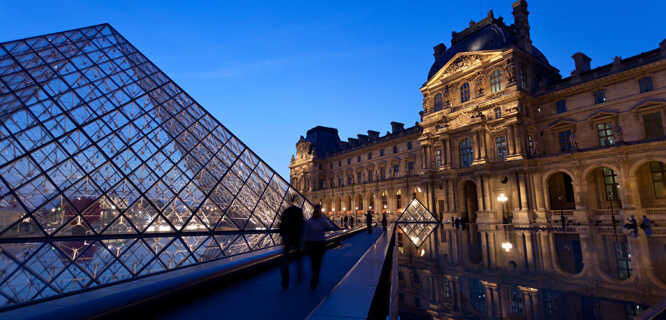
Louvre
Paris
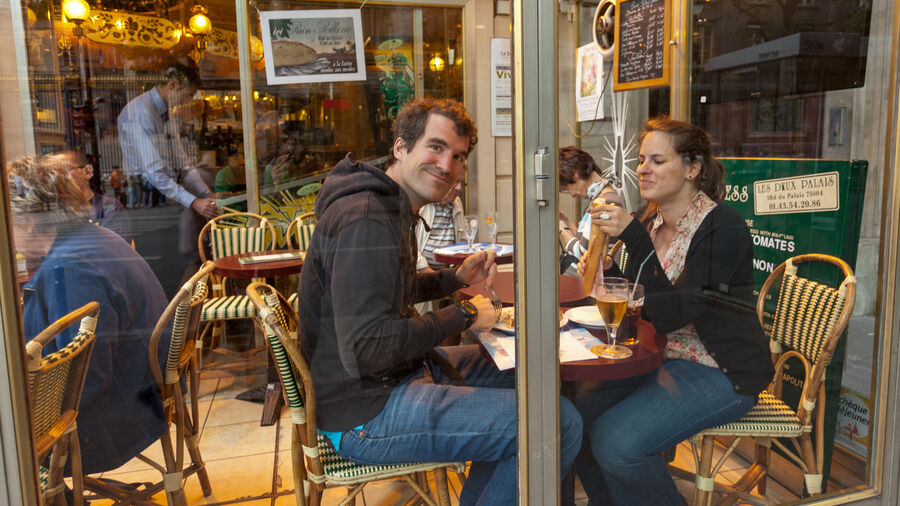
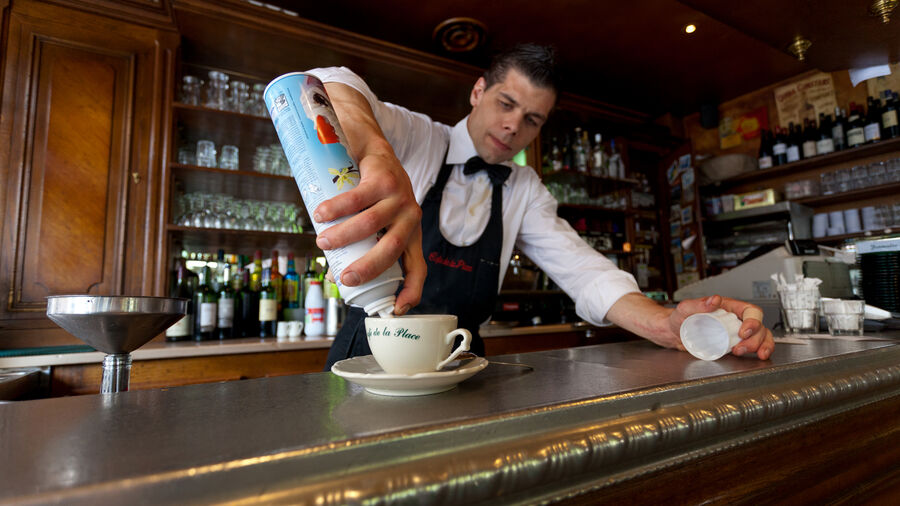
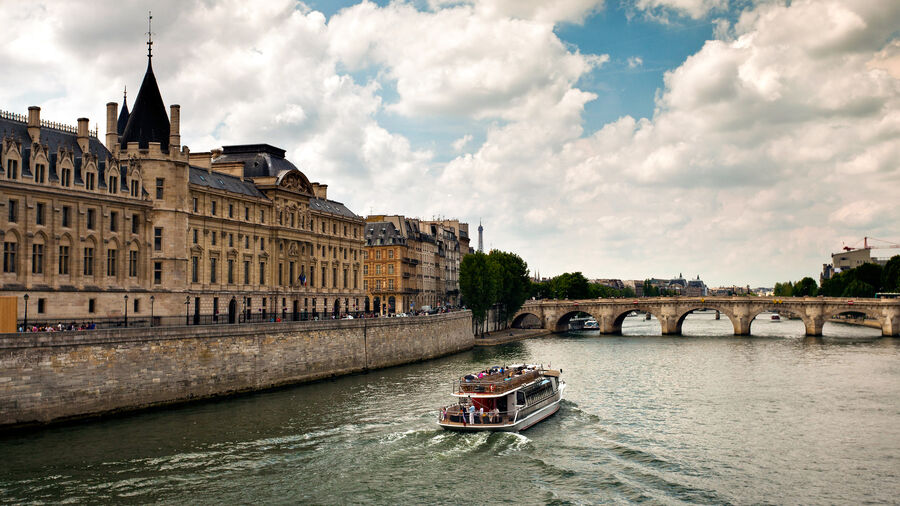
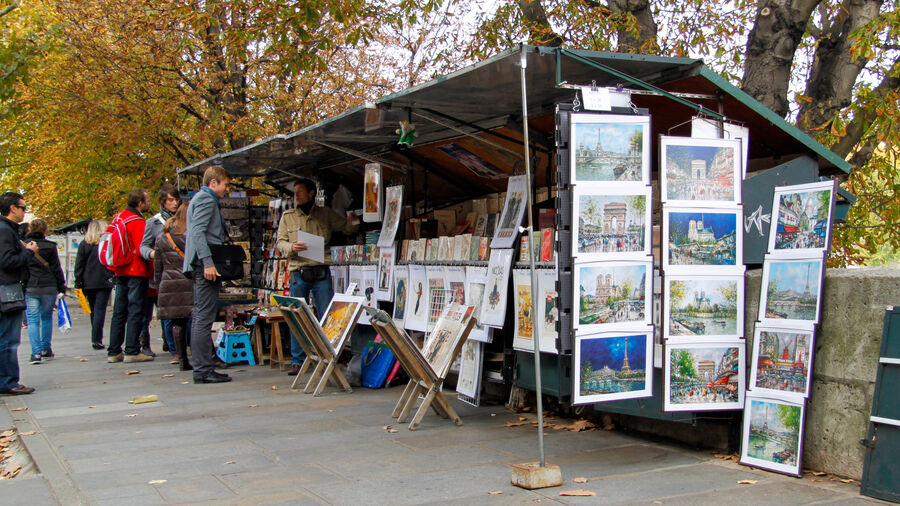
Paris — the City of Light — has been a beacon of culture for centuries. As a world capital of art, fashion, food, literature, and ideas, it stands as a symbol of all the fine things human civilization can offer. Paris offers sweeping boulevards, riverside book stalls, world-class art galleries, and farmers markets. Sip un café crème with deconstructionists at a sidewalk café, then step into an Impressionist painting in a tree-lined park. Cruise the Seine, zip to the top of the Eiffel Tower, and saunter down Avenue des Champs-Elysées. Master the Louvre and the Orsay. Save some after-dark energy for one of the world's most romantic cities.
Places
At a Glance
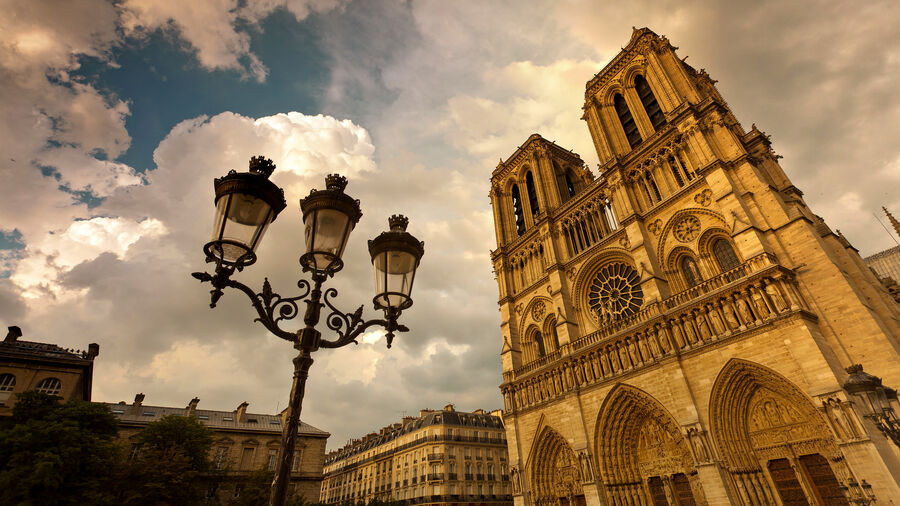
▲▲▲ Notre-Dame Cathedral Paris' most beloved church reopened last December, five years after a devastating fire.
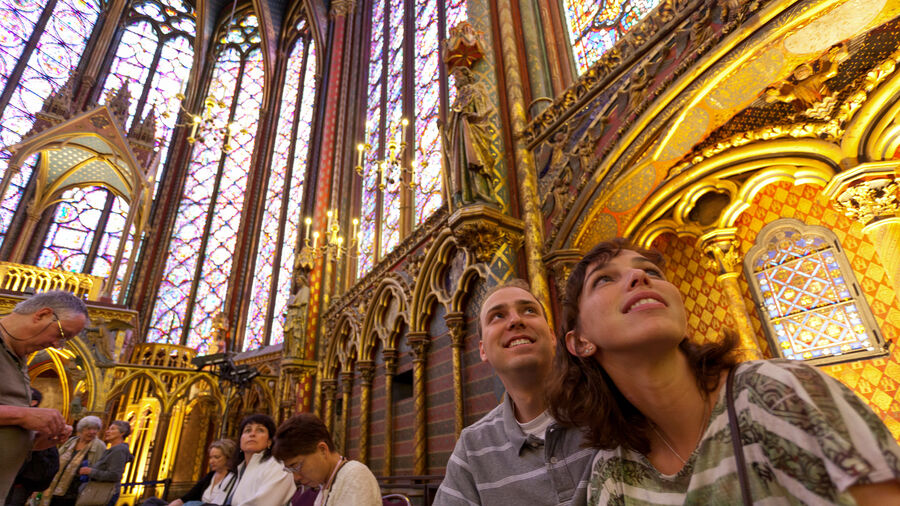
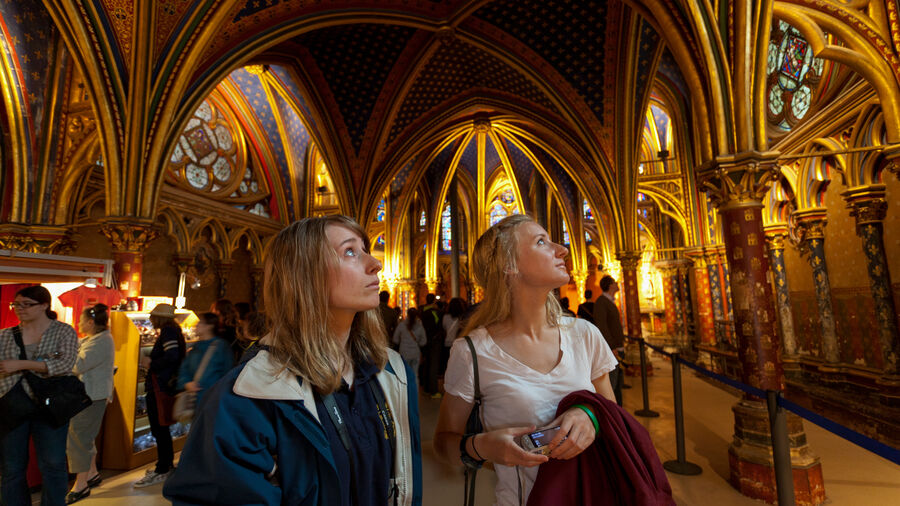
▲▲▲ Sainte-Chapelle Gothic cathedral with glorious stained glass.
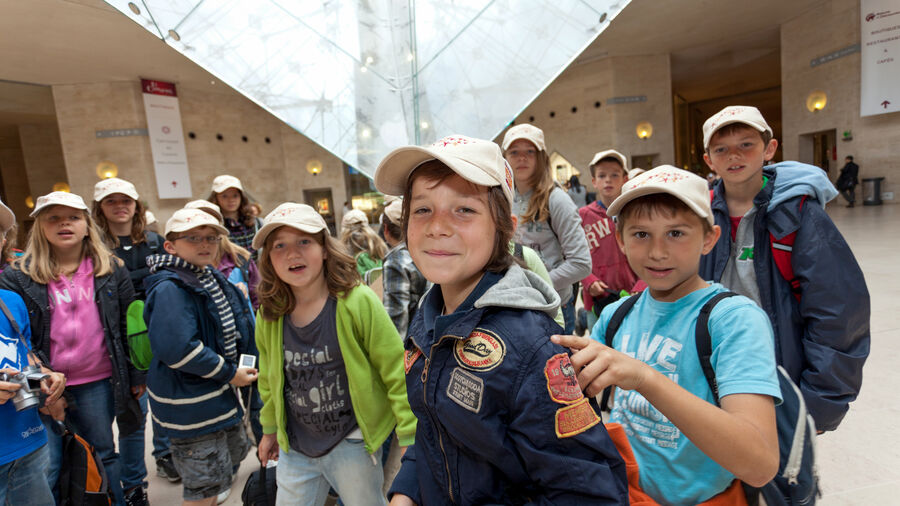
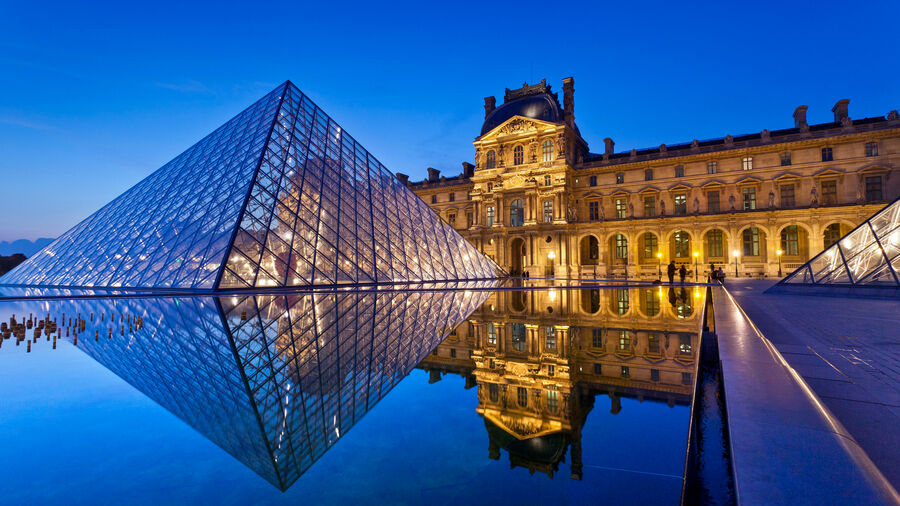
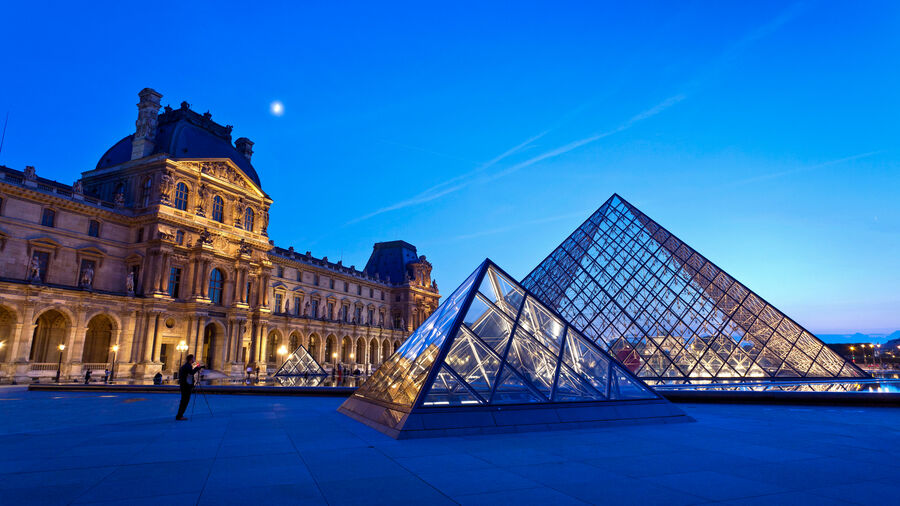
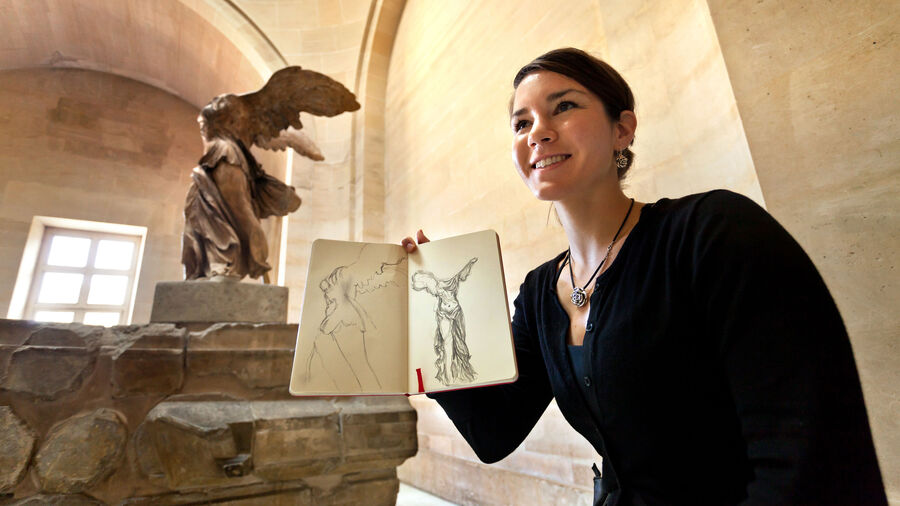
▲▲▲ Louvre Europe's oldest and greatest museum, starring Mona Lisa and Venus de Milo.
▲▲▲ Orsay Museum Nineteenth-century art, including Europe's greatest Impressionist collection.
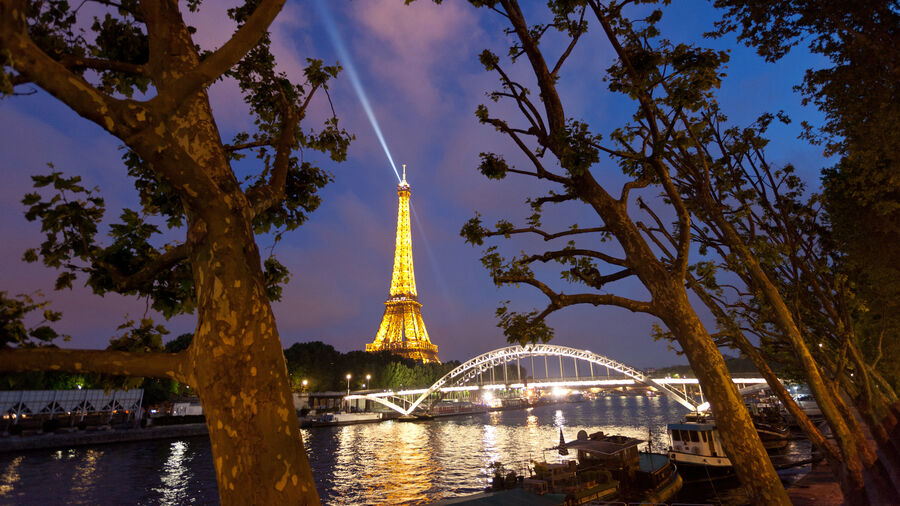
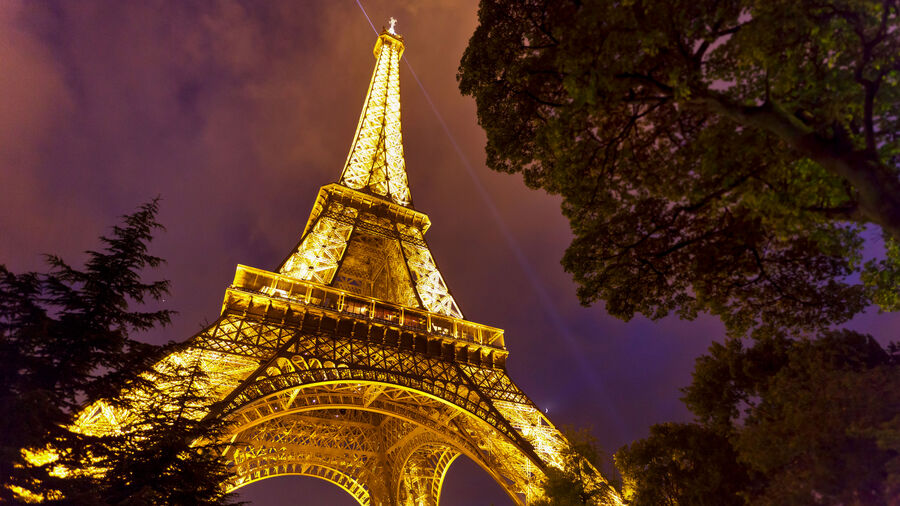
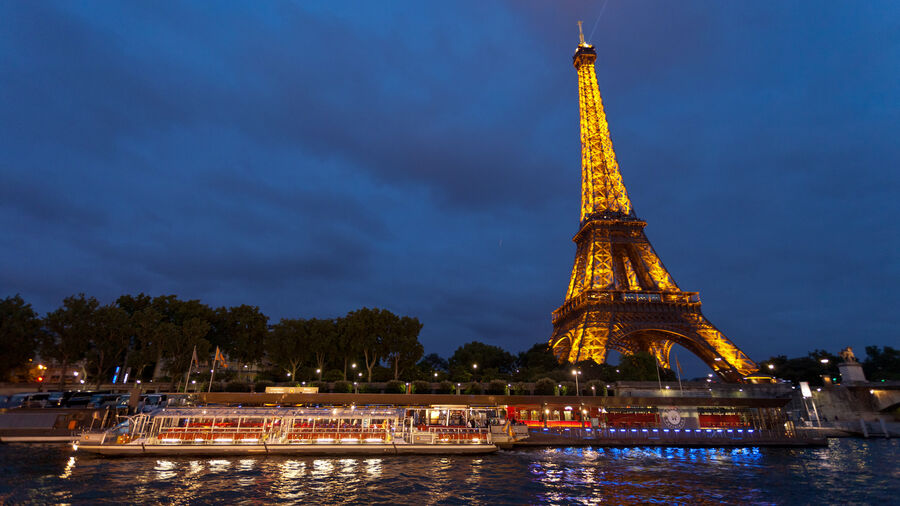
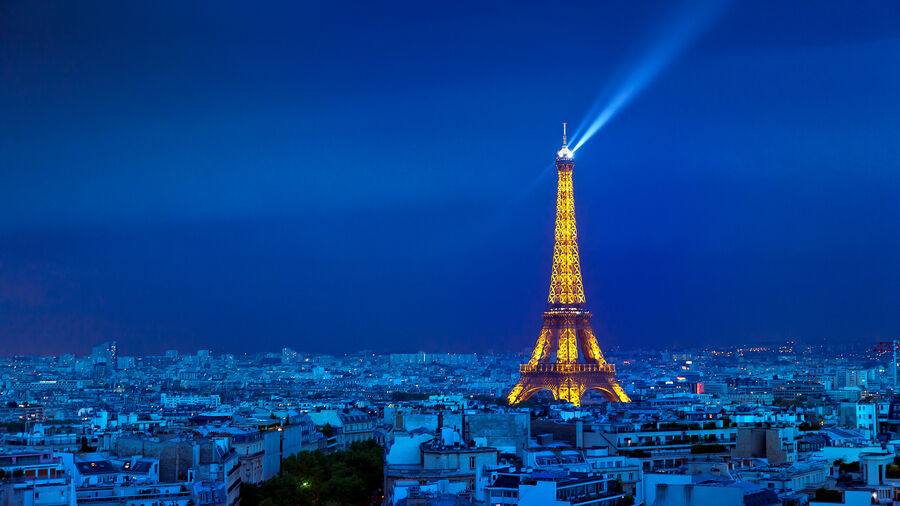
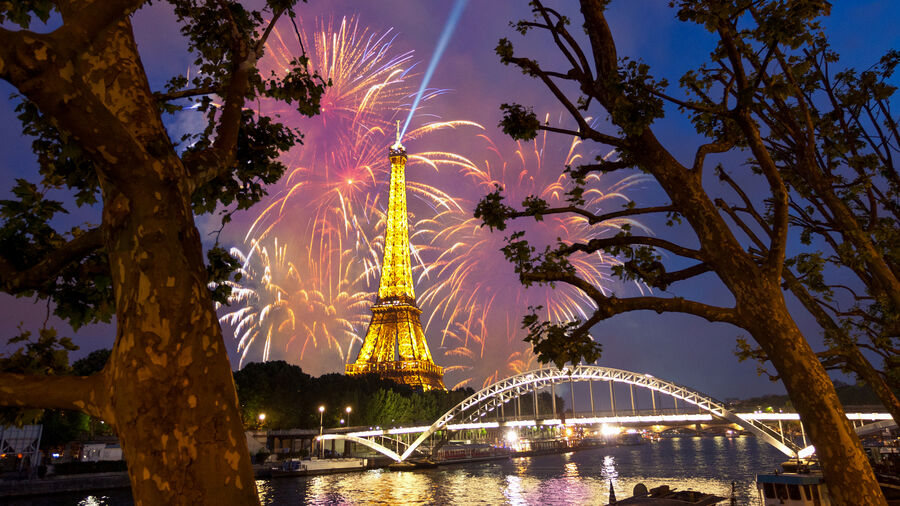
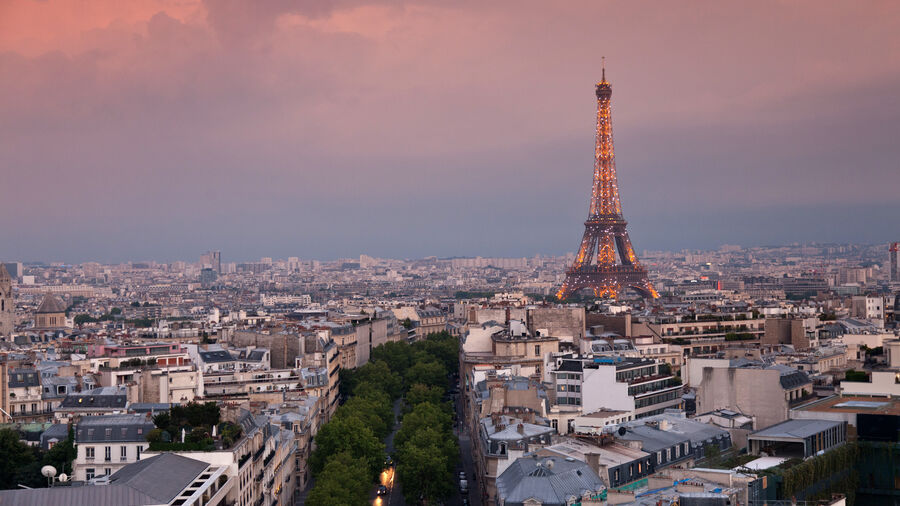
▲▲▲ Eiffel Tower Paris' soaring iron icon.
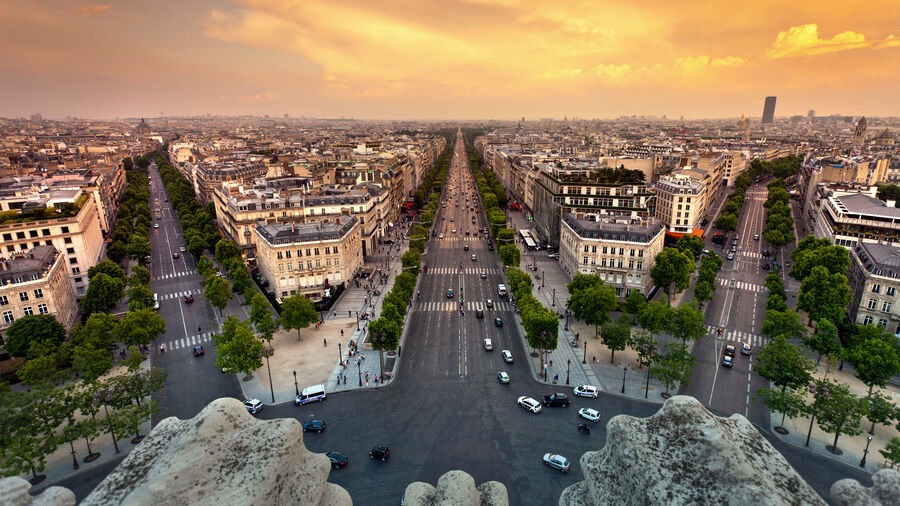
▲▲▲ Champs-Elysées Paris' grand boulevard.
▲▲▲ Versailles The ultimate royal palace (château), with a Hall of Mirrors, vast gardens, a grand canal, plus a queen's playground (Trianon Palaces and Domaine de Marie-Antoinette).
▲▲ Espace Notre-Dame Cathedral restoration exhibit and virtual reality experience.
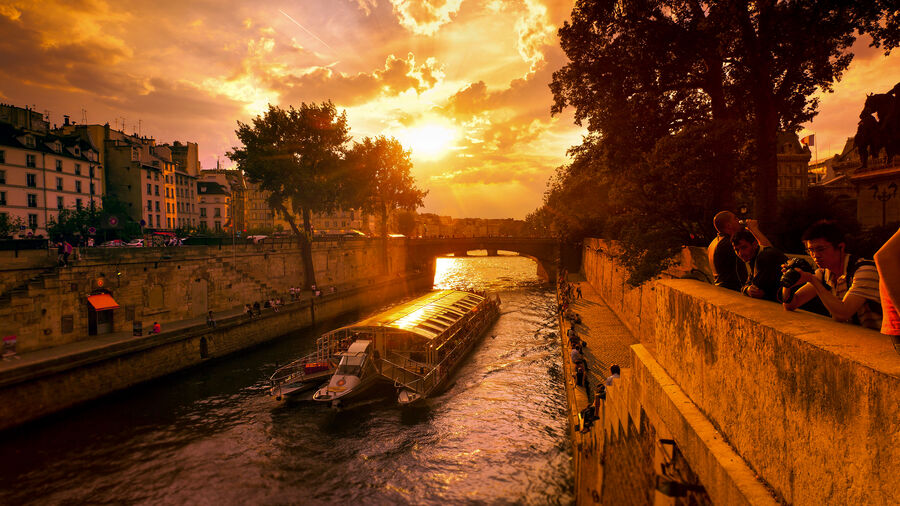
▲▲ Riverside Promenade and Paris Plages Traffic-free riverside areas for recreation and strolling; in summer, "beaches" add more fun.
▲▲ Orangerie Museum Monet's water lilies and modernist classics in a lovely setting.
▲▲ Rue Cler Ultimate Parisian market street.
▲▲ Army Museum and Napoleon's Tomb The emperor's imposing tomb, flanked by museums of France's wars.
▲▲ Rodin Museum Works by the greatest sculptor since Michelangelo, with many statues in a peaceful garden.
▲▲ Marmottan Museum Art museum focusing on Monet.
▲▲ Cluny Museum Medieval art with unicorn tapestries.
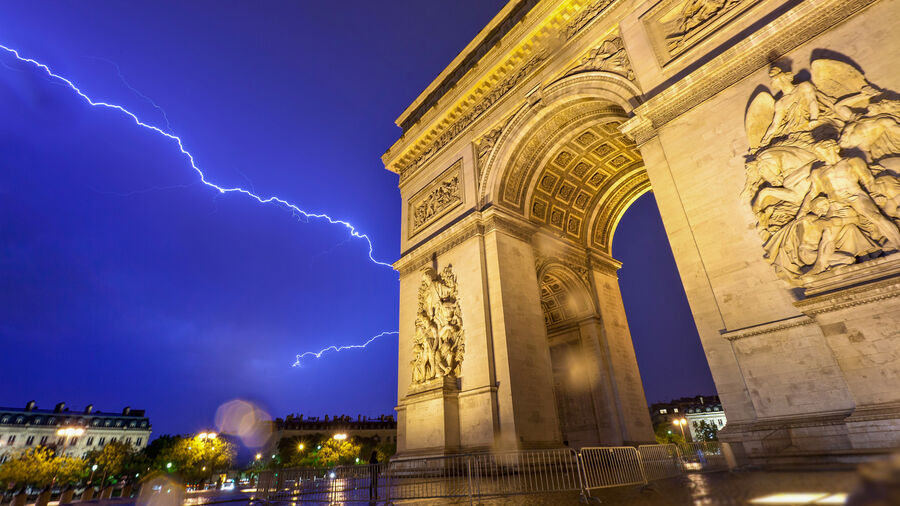
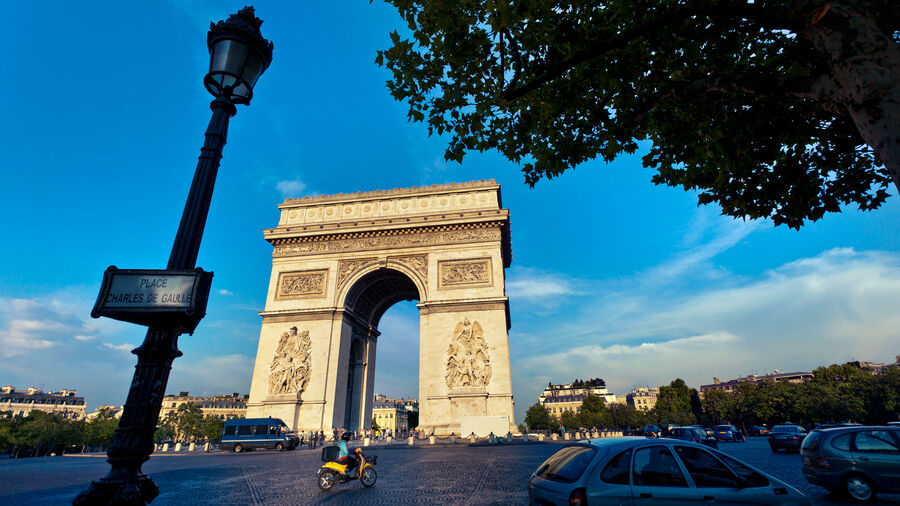
▲▲ Arc de Triomphe Triumphal arch marking start of Champs-Elysées.
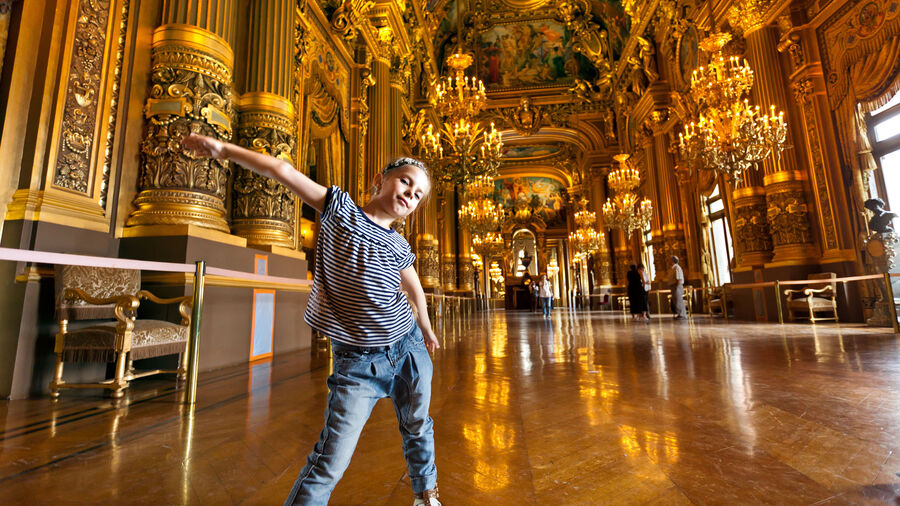
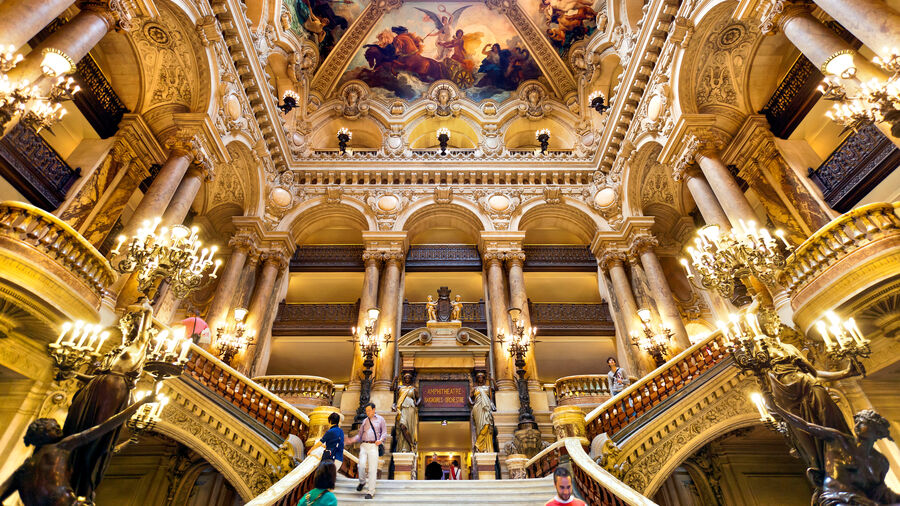
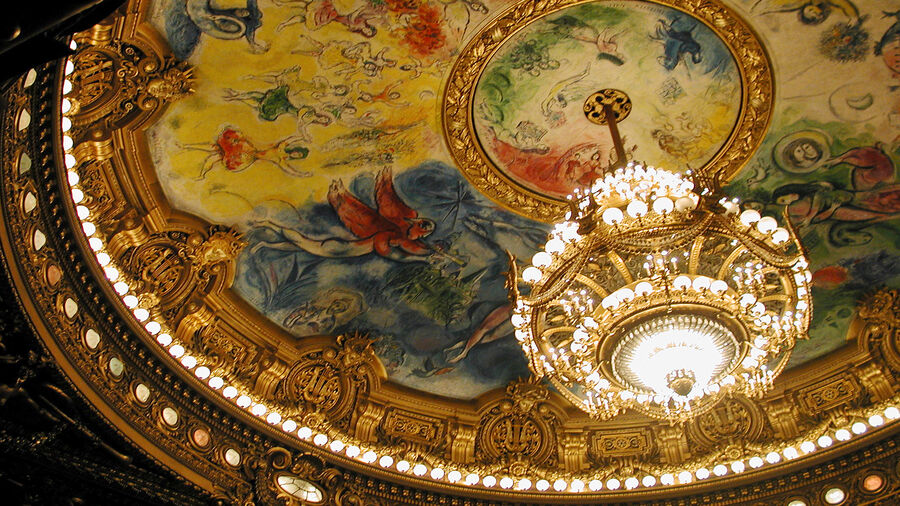
▲▲ Opéra Garnier Grand belle époque theater with a modern ceiling by Chagall.
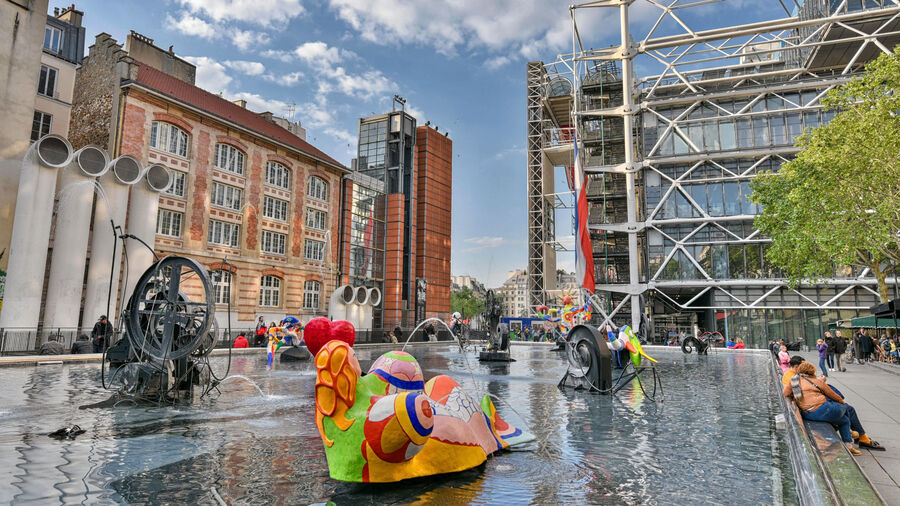
▲▲ Pompidou Center Modern art in colorful building with city views.
▲▲ Père Lachaise Cemetery Final home of Paris' illustrious dead.
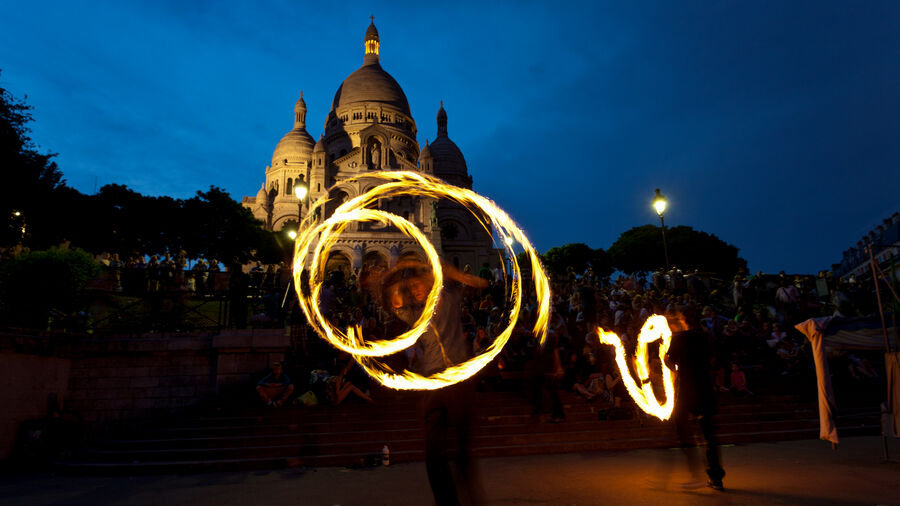
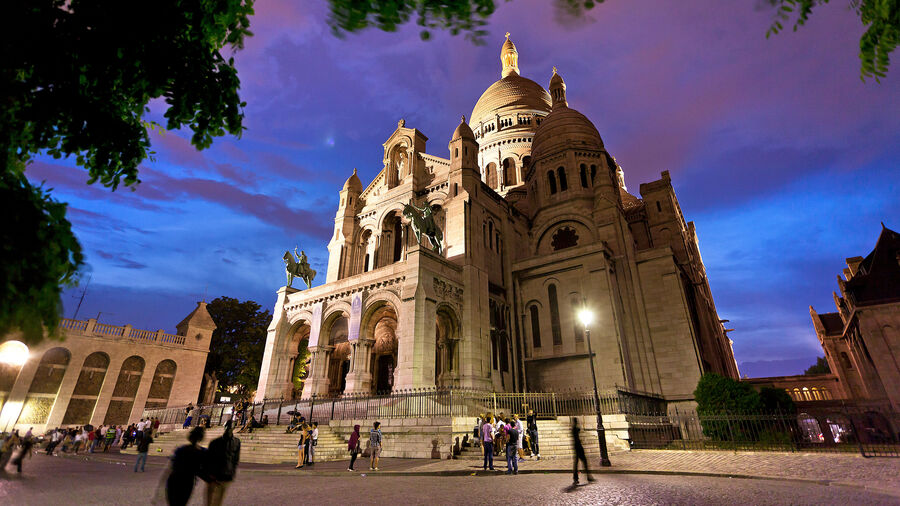
▲▲ Montmartre and Sacré-Cœur Bohemian, hill-top neighborhood capped with a stunning white basilica and spectacular views.
▲▲ Carnavalet Museum Paris' history wrapped up in a 16th-century mansion.
▲ Jacquemart-André Museum Art-strewn 19th-century mansion.
▲ Picasso Museum Rotating Picasso exhibits filling a three-floor mansion.
▲ Panthéon Neoclassical monument and burial place of the famous.
▲ Ile St. Louis Residential island behind Notre-Dame known for its restaurants.
Plan
Photos







Watch
- Eiffel Tower and Notre-Dame Cathedral (clip)
- Monet’s Dreamy Water Lilies (clip)
- Montmartre in Paris (clip)
- Paris: An Urban Playground (clip)
- Paris: Embracing Life and Art (episode)
- Paris, France: An Historic Stroll (clip)
- Paris of the Parisians (episode)
- Paris: Regal and Intimate (episode)
- Paris’ Rodin Museum (clip)
- Paris’ Rue Cler Street Market (clip)
- Paris Side Trips (episode)
- Sainte-Chapelle’s Dazzling Interior (clip)
- The Magnificent Louvre (clip)
- The Marais District in Paris (clip)
- The World-Class Museums of Paris (clip)
- Travel Talks: Paris
- Travel Talks: Paris & the Heart of France
Read
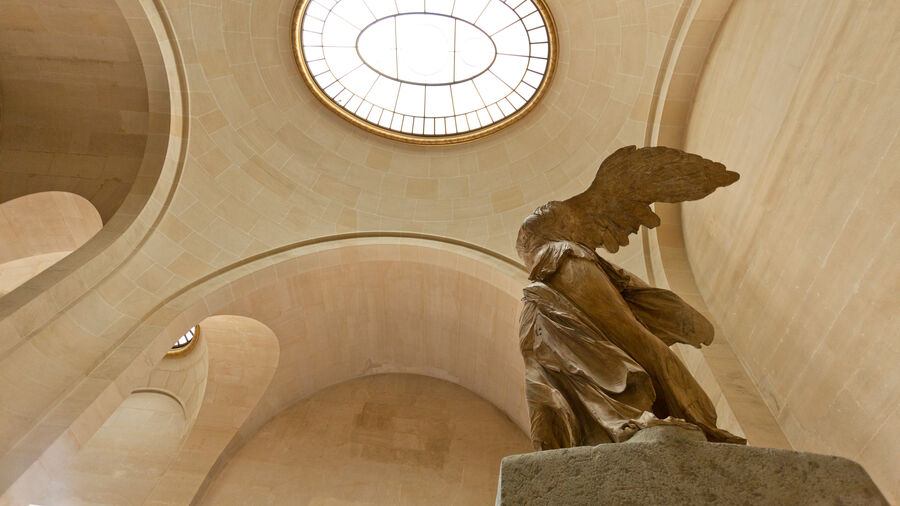
- A Look at the ‘Victory of Samothrace’...and How Turkey Gave France the Finger
- A Picasso Pilgrimage
- A Three-Hour Joyride in a French Restaurant
- Bastille Day: France’s Party for the People
- Boning Up on Europe
- Booking It Through Europe: Top Literary Stops
- Christmas in France
- Circling in on Paris’ Arc de Triomphe
- Engaging Experts Enrich European Experiences
- Europe Shines on Summer Evenings
- Europe’s Best Border-Busting Day Trips
- Europe’s Top Chagall Sights
- Finding Village Charm Along Paris’ Market Streets
- Food Tours: Europe’s Moveable Feasts
- France for First Timers
- How to Picnic Shop Like a Parisian
- Kidding Around London and Paris
- Learning Le Métro: Basic Tips for Paris’ Underground Arteries
- Lessons from a Paris Wine-Tasting
- Monet’s Gardens in Giverny
- Musical Bridges to European Culture
- Open Doors to the Past: Visiting Europe’s Time-Warp Homes
- Paris: A Playground for the Imagination
- Paris’ Riverside Bouquinistes
- Paris Shines in Summer
- Park Picks: Favorite Green Getaways in Paris, London, and Barcelona
- Powerful Music in Paris’ St. Sulpice
- Promenading on Paris’ Champs-Elysées
- Shopping Parisian-Style
- Sunset Boulevards: Europe’s Top Evening Views
- Ten Tips for a Very Parisian Christmas
- The Artistic Draw of France
- The Back Streets of Bohemian Montmartre
- The Eiffel Tower: Top Tips for Visitors
- Tracking Napoleon’s Rise and Fall in Paris
- War Rooms: Europe’s Military Museums
- Winter in Paris: A Cool Time to Go Local
- Château-Hopping near Paris: A Royal Treat
Paris
Versailles
Listen
- Americans in France (18:24)
- Americans Living in Europe (32:55)
- An American Mother in Paris (11:12)
- Art Outside the Museums (30:10)
- Bridges of Paris (12:07)
- David McCullough on Americans in Paris (17:44)
- David Sedaris in Paris (46:22)
- Eat Like a Parisian (18:04)
- Eiffel's Tower (17:42)
- Elaine Sciolino's Everyday Paris (18:01)
- End of the Orient Express (11:28)
- Enjoying Winter in Paris (13:51)
- Fabulous Food in Paris (18:41)
- First Timer's Guide to the Louvre (18:13)
- Flirtatious France I (12:01)
- Flirtatious France II (20:39)
- Food Markets of Paris (17:24)
- French Impressionism (15:00)
- Hidden Gardens of Paris (16:26)
- How Paris Became Paris (18:02)
- Lesser-Known Paris Museums (14:30)
- Little Museums of Paris (18:32)
- Love Affair with the Seine (18:13)
- Marrying into France (18:48)
- Midnight in Paris (12:27)
- Monet's Garden (11:24)
- Paris Art Scene (12:21)
- Paris Cafés (25:37)
- Paris City Guide I (39:13)
- Paris City Guide II (45:23)
- Paris Cuisine (20:51)
- Paris Day Trips (14:45)
- Parisians (10:27)
- Paris Nightlife (18:46)
- Paris Parks and Gardens (15:41)
- Perfect Week in Paris (17:14)
- Postcards from Europe: Paris (56:09)
- Reopening Notre-Dame (11:31)
- Sacred Paris (12:16)
- Sainte-Chapelle's Stained Glass (5:06)
- Street Markets of Paris (11:41)
- Stuff Parisians Like (28:31)
- Underappreciated Paris Museums (12:15)
- Walking Across Paris (29:59)
- Walk Like a Parisian (18:27)
- Wandering Paris (12:05)
- World War I Travel Sites (18:19)
Paris Audio Tours
- Champs-Élysées Walk
Listen or Download | Download map - Historic Paris Walk
Listen or Download | Download map - Louvre Museum Tour
Listen or Download | Download map - Orsay Museum Tour
Listen or Download | Download map - Père Lachaise Cemetery
Listen or Download | Download map - Rue Cler Walk
Listen or Download | Download map - Versailles Palace Tour
Listen or Download | Download map