

-
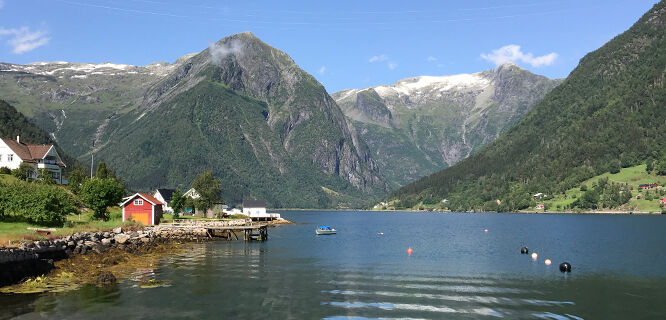
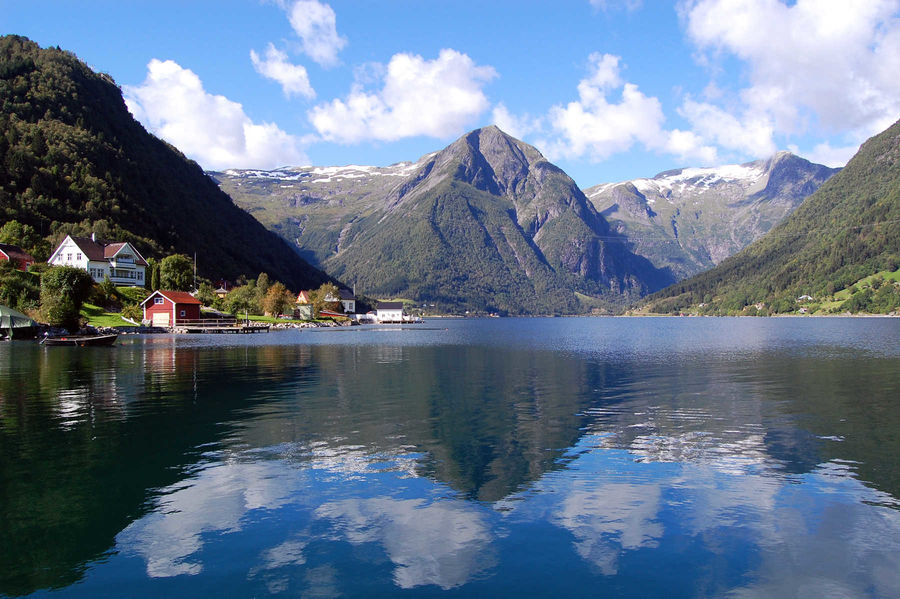
Balestrand, Sognefjord
Norway
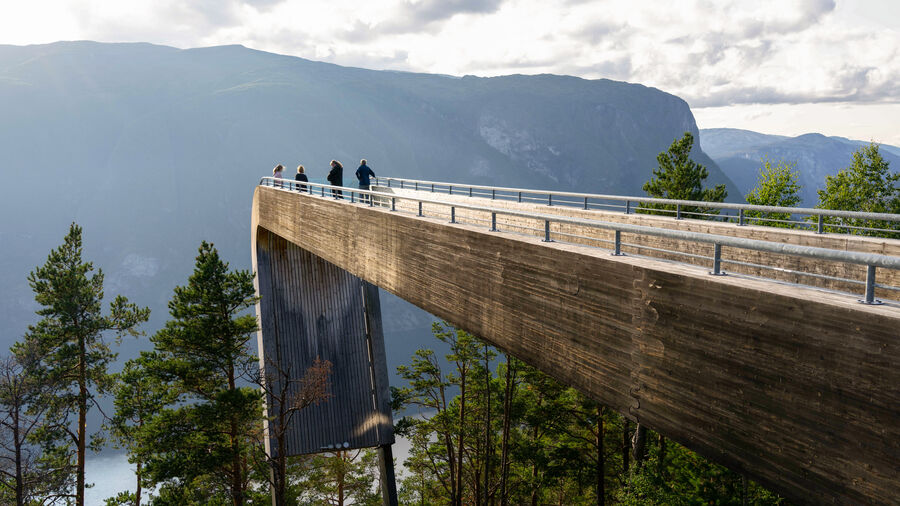
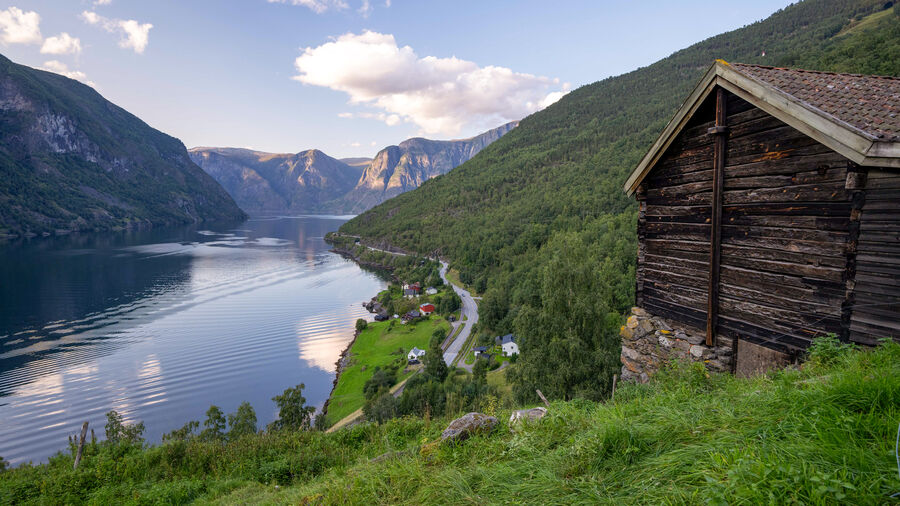
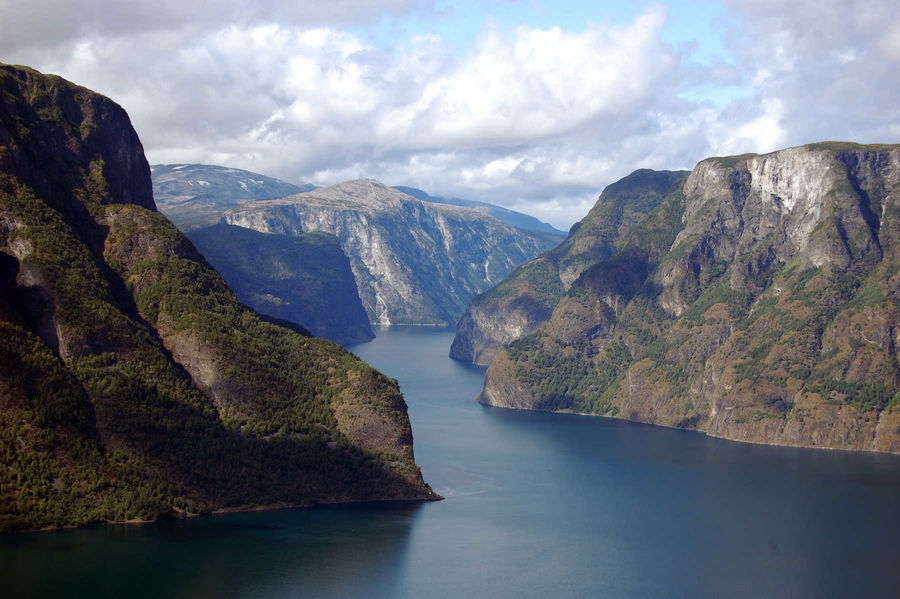
Norway is stacked with superlatives — it's the most mountainous, most scenic, and most prosperous of all the Scandinavian countries. Perhaps above all, Norway is a land of intense natural beauty, its famously steep mountains and deep fjords carved out and shaped by an ancient ice age. On a sunny day, Norway exudes an "I could live here" appeal like no place else.
Places
At a Glance

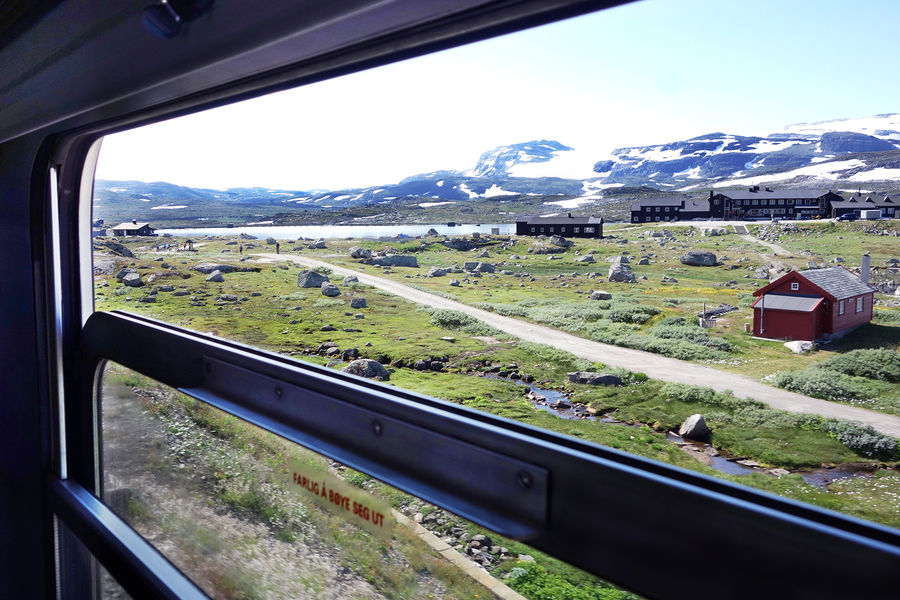
▲▲▲ Norway in a Nutshell A combination train, bus, and ferry trip to and through Norway's most spectacularly beautiful fjords — the Sognefjord and Nærøyfjord — passing pristine waterfalls, verdant forests, and take-your-breath-away scenery.
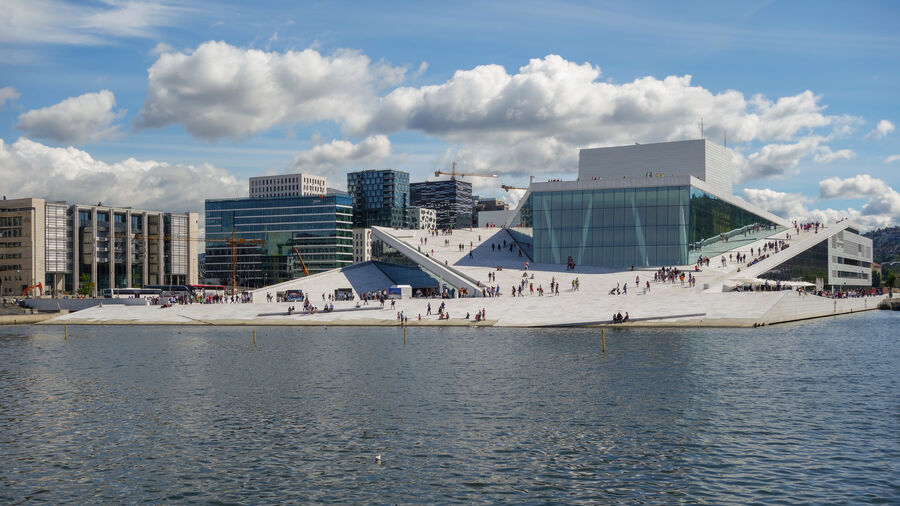
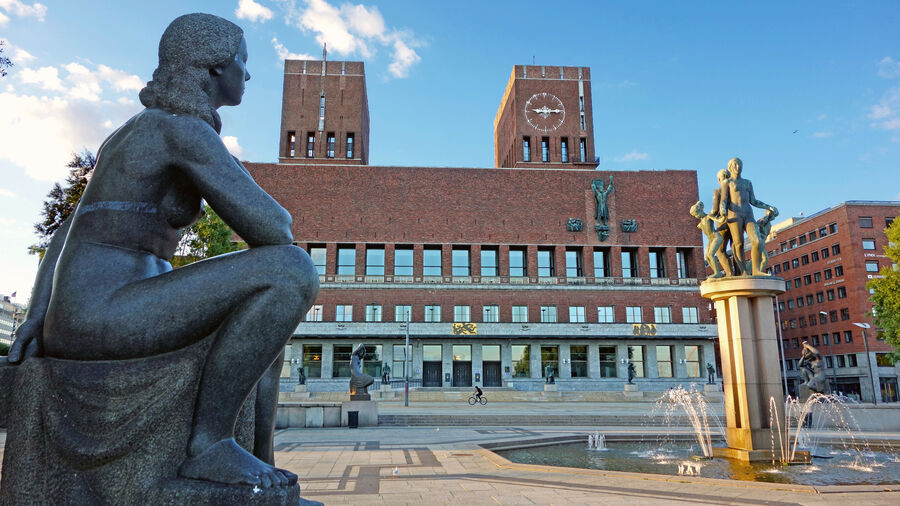
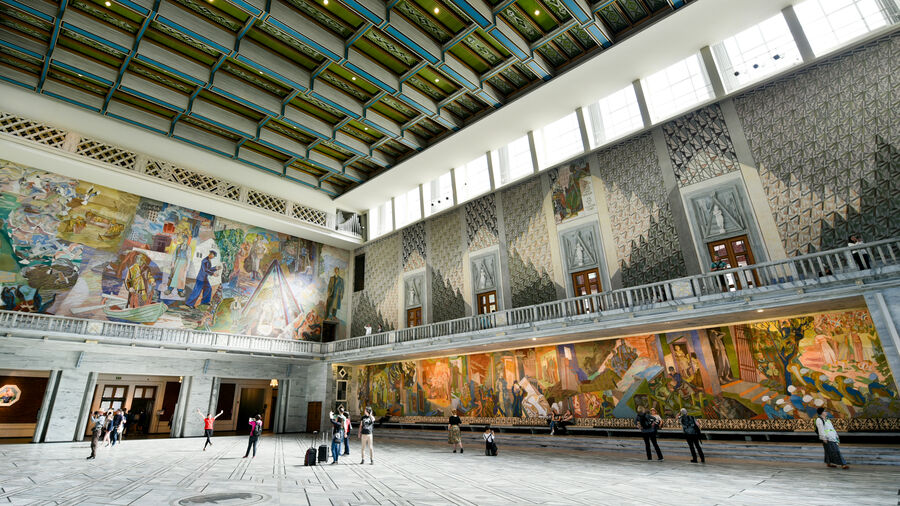
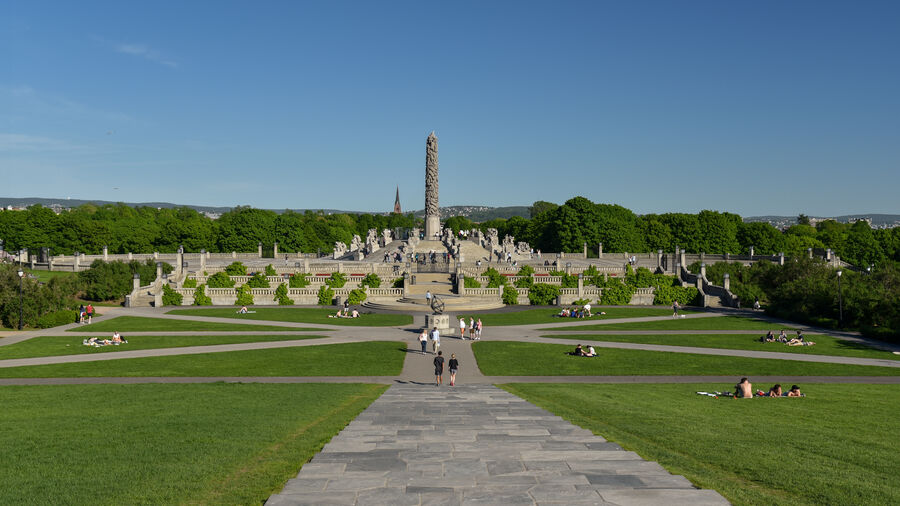
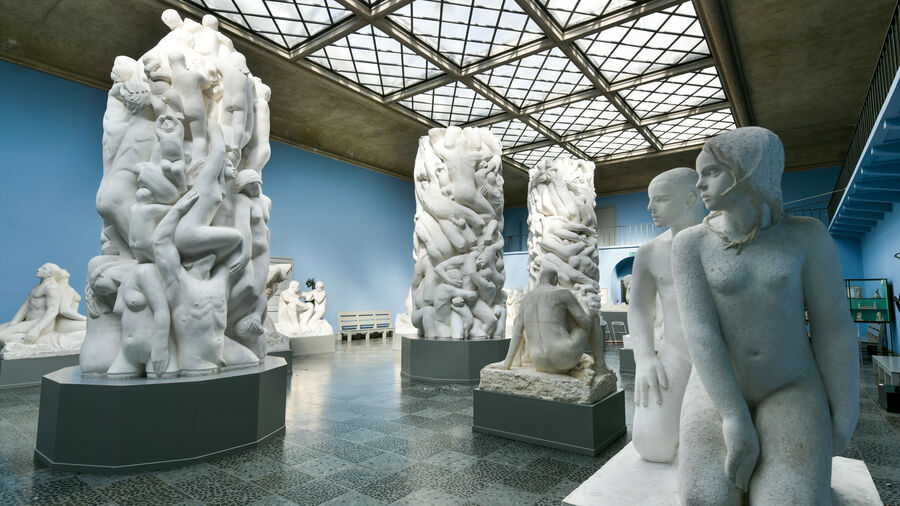
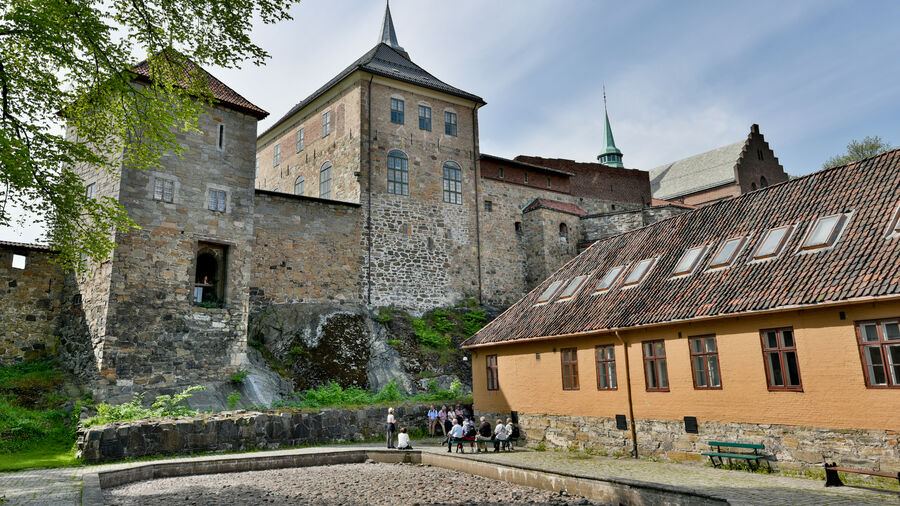
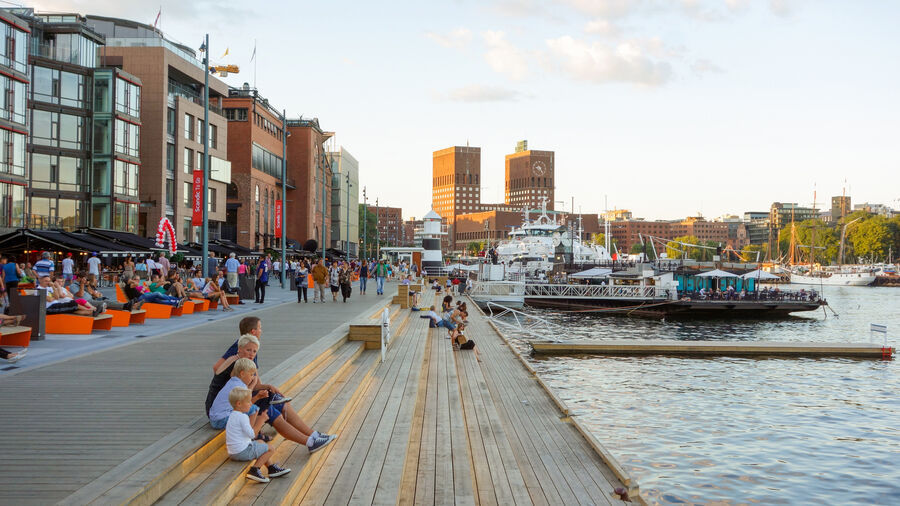
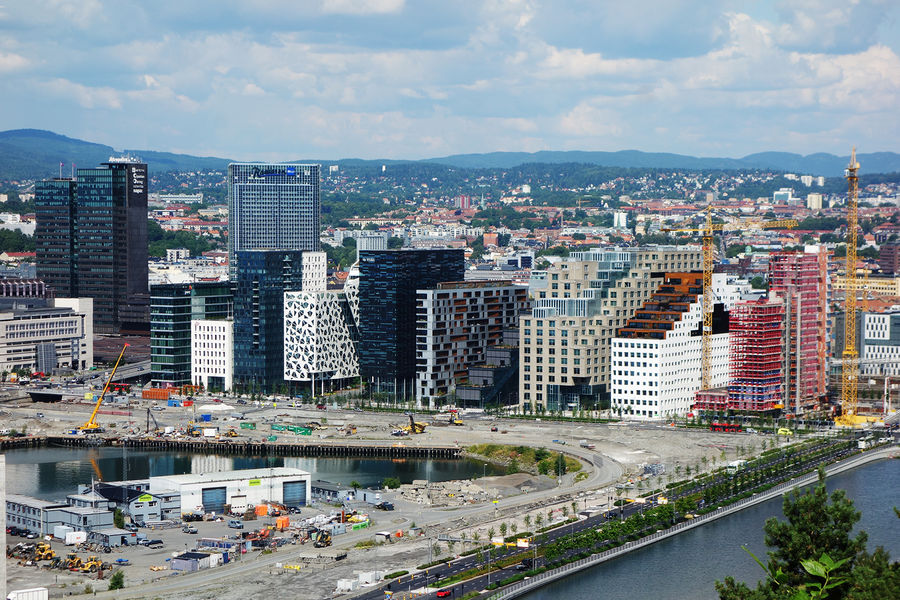
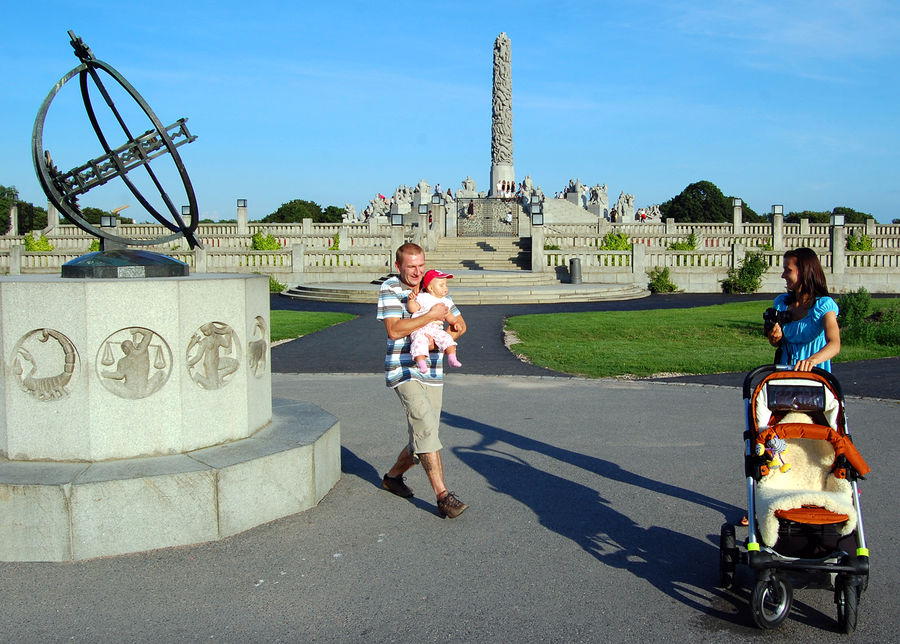
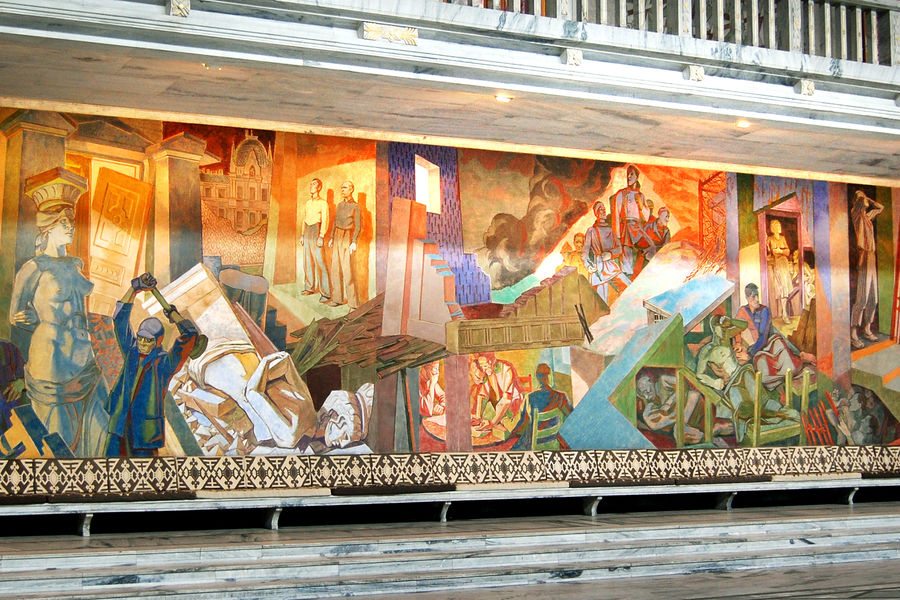
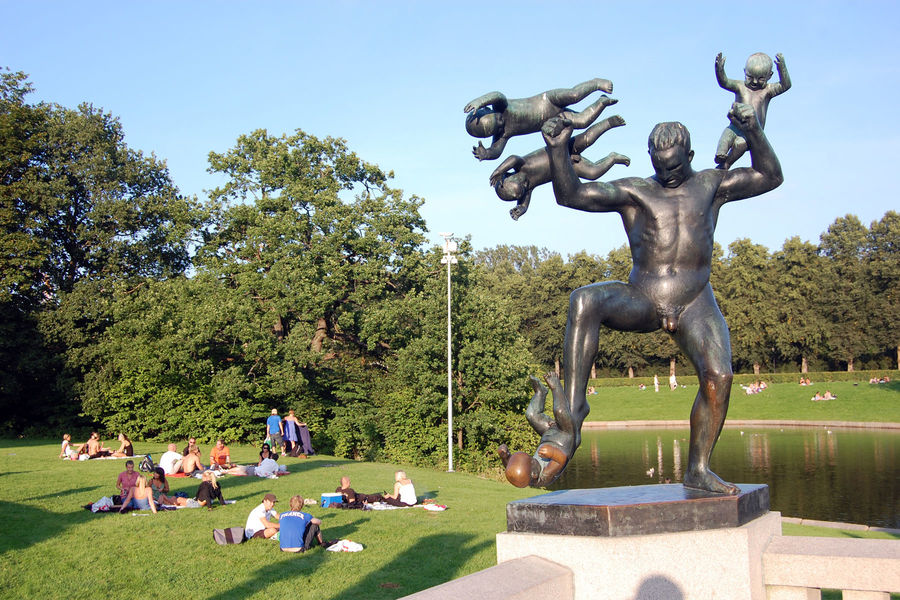
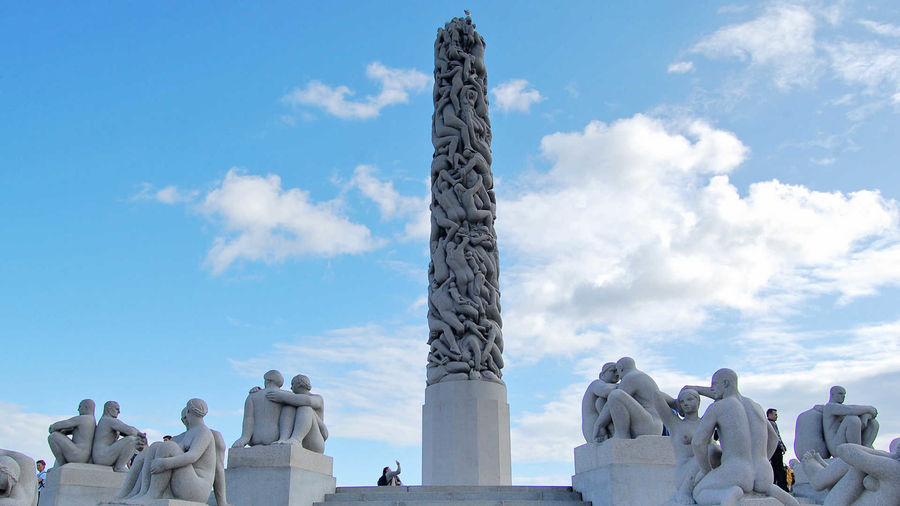
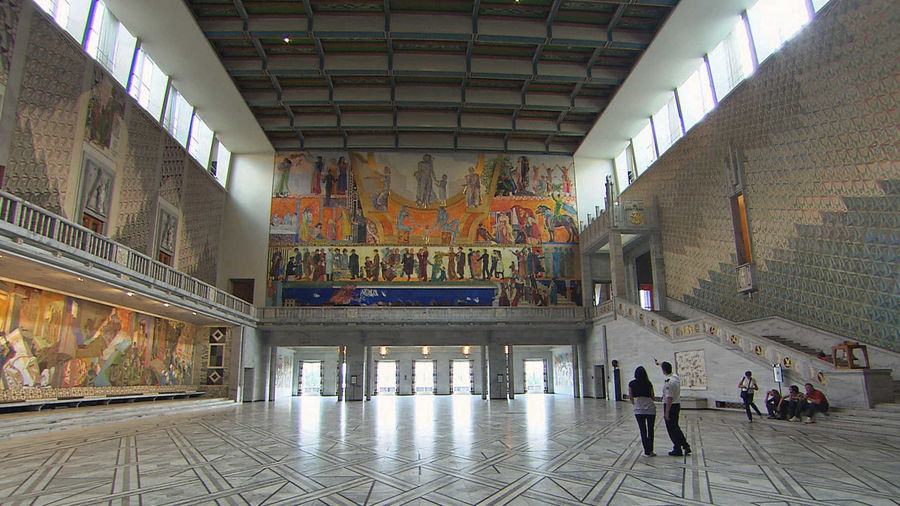
▲▲ Oslo Norway's sharp capital city, with its historic and walkable core, mural-lined City Hall, sculptures at Vigeland Park, and inspiring Nobel Peace Center, while the nearby Bygdøy district hosts museums dedicated to ships (Viking, Fram, and Kon-Tiki), traditional folk life, and the Holocaust.
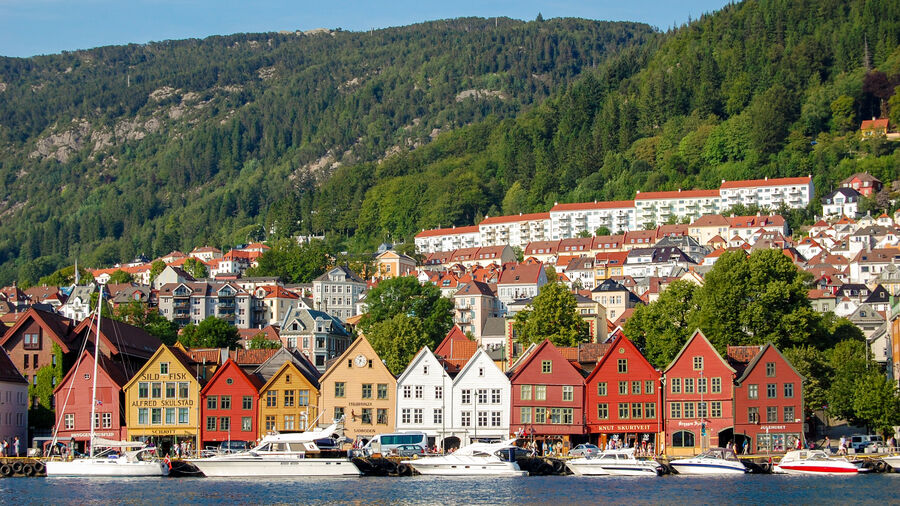
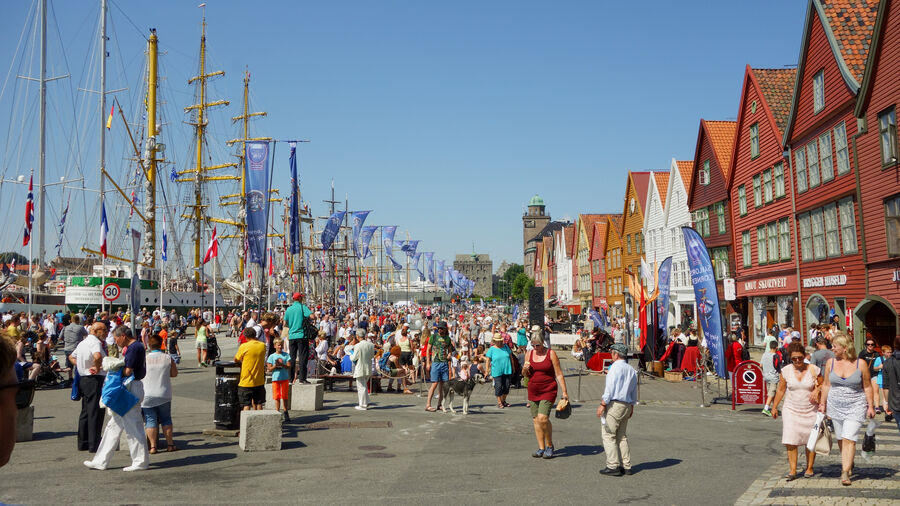
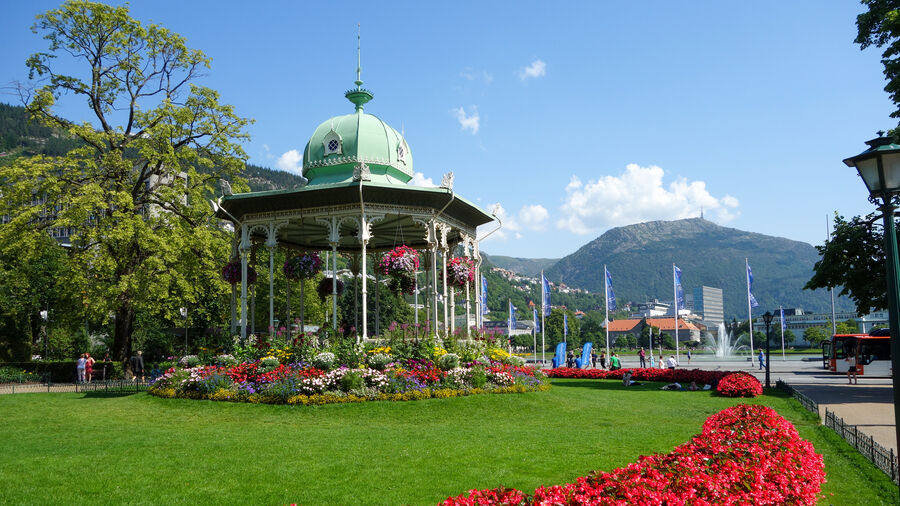
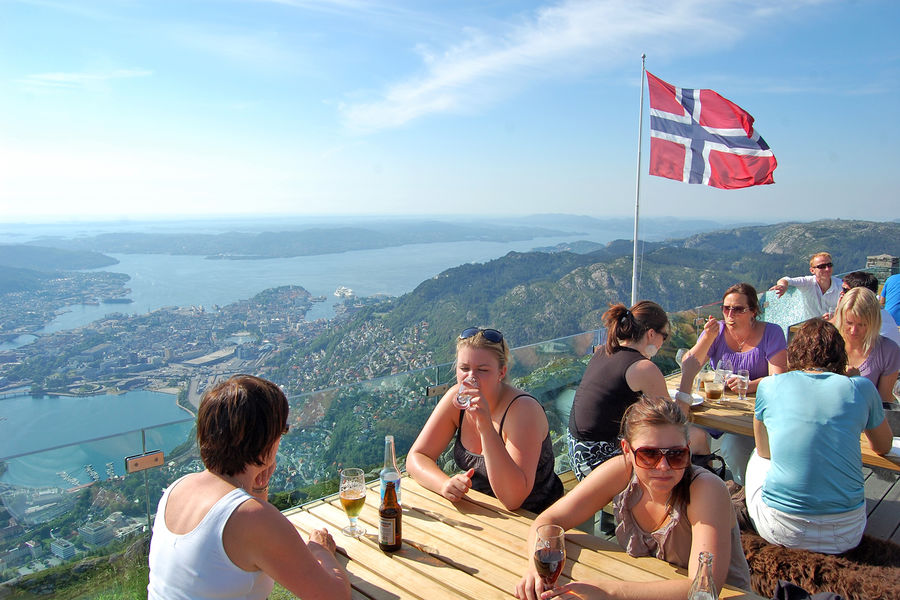
▲▲ Bergen Salty port town and medieval capital of Norway, with lively fish market, colorful Hanseatic quarter (Bryggen), and a funicular to the top of Mount Fløyen with great views.
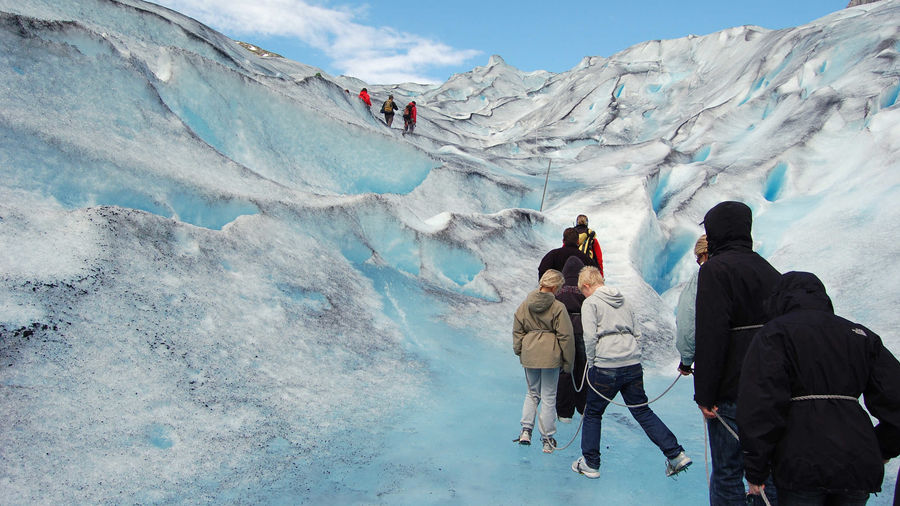
▲ Sognefjord Fjordside hamlet of Balestrand, a cozy home base for exploring nearby sights (including a medieval stave church), plus the serene Lustrafjord, with another stave church and a glacier you can walk on.
▲ Gudbrandsdal Valley and Jotunheimen Mountains Lush green valley connecting northern and southern Norway, with touristy Lillehammer, the excellent Maihaugen Open-Air Folk Museum, and a rugged mountain range with some of this country's finest hikes and drives.
▲ South Norway Harborside Stavanger, the time-passed and remote Setesdal Valley, and the port town of Kristiansand (connected by ferry to Denmark).
Plan
Photos
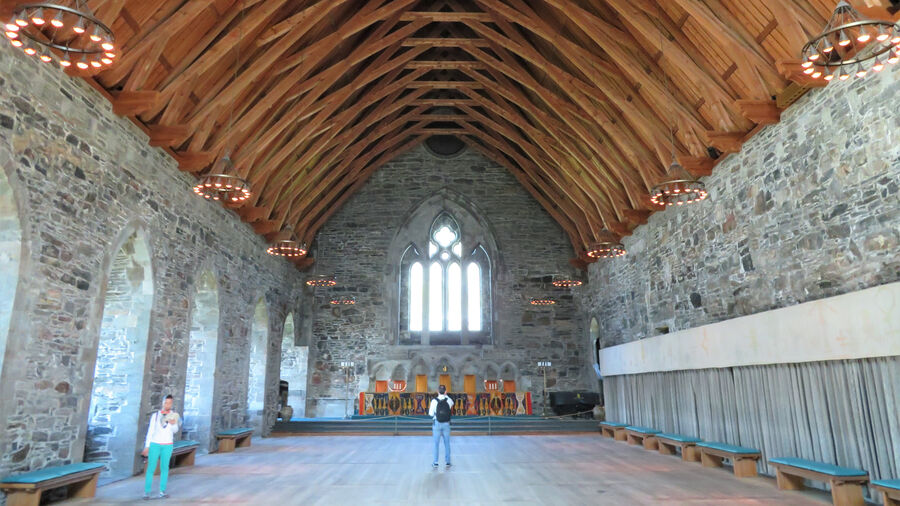
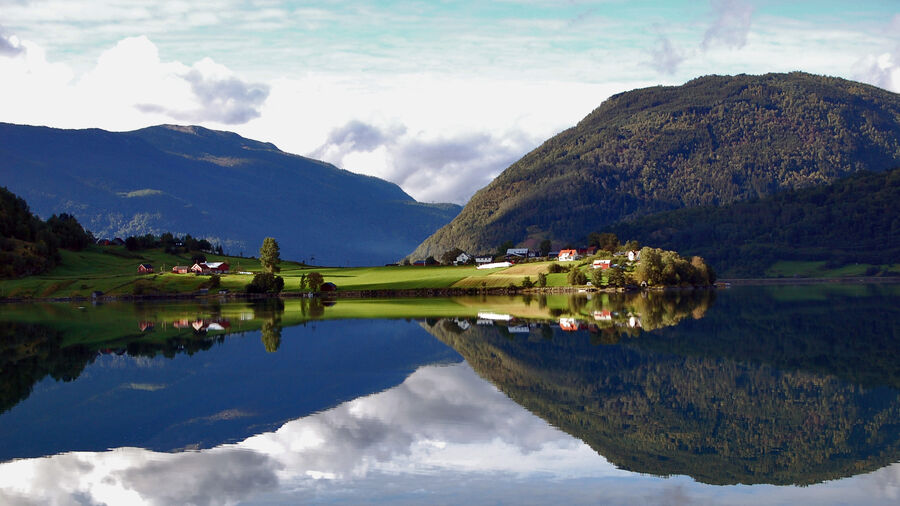
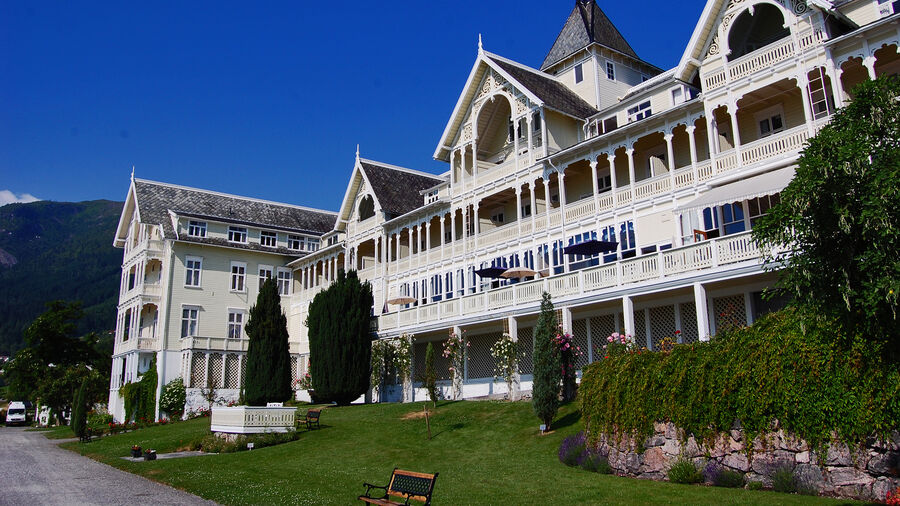
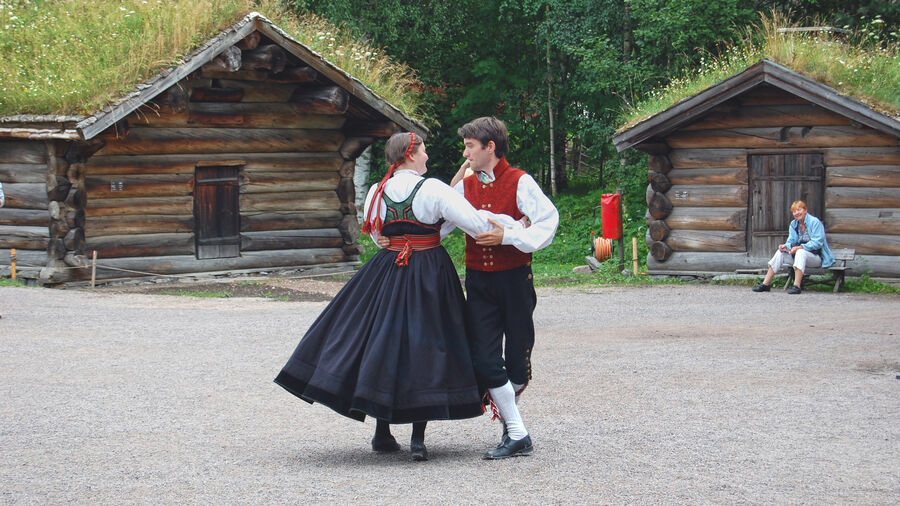
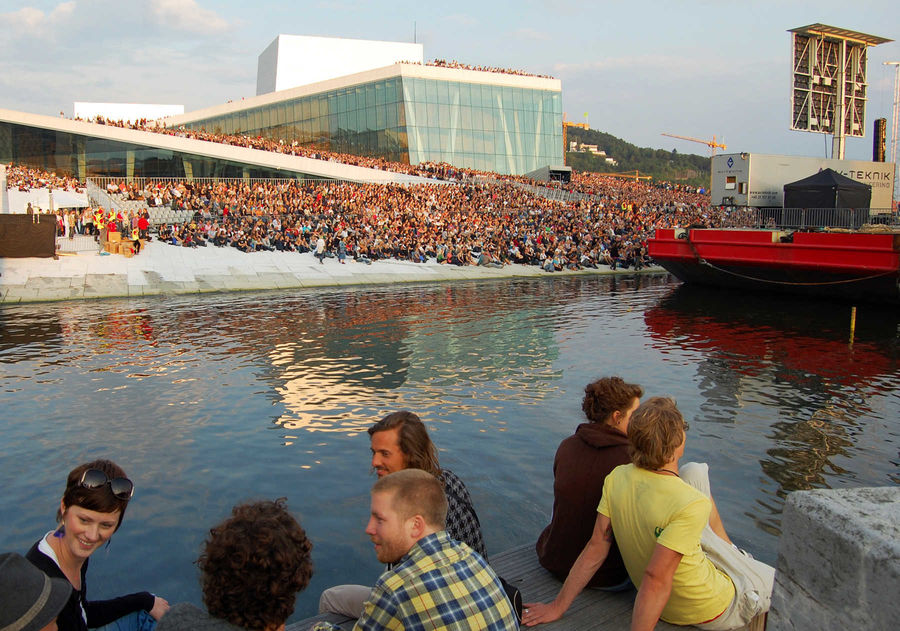
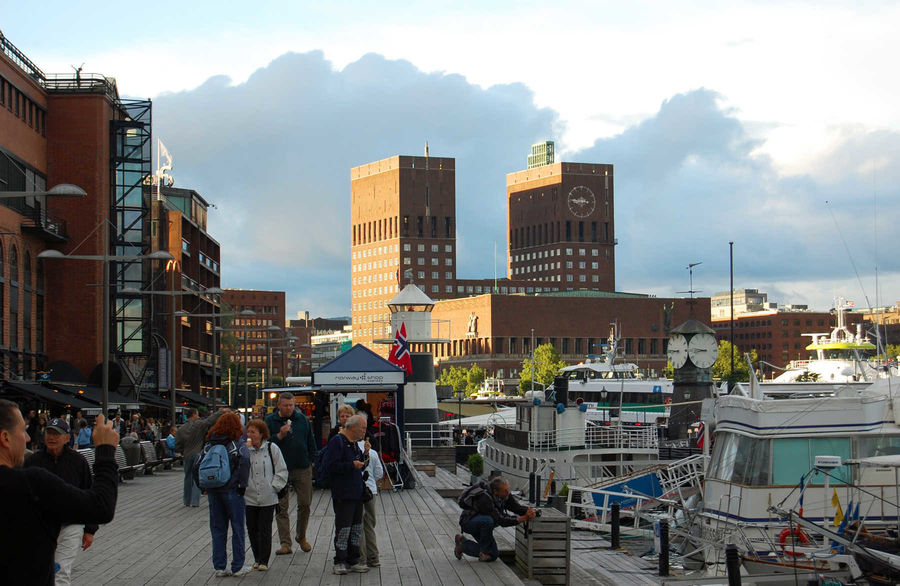
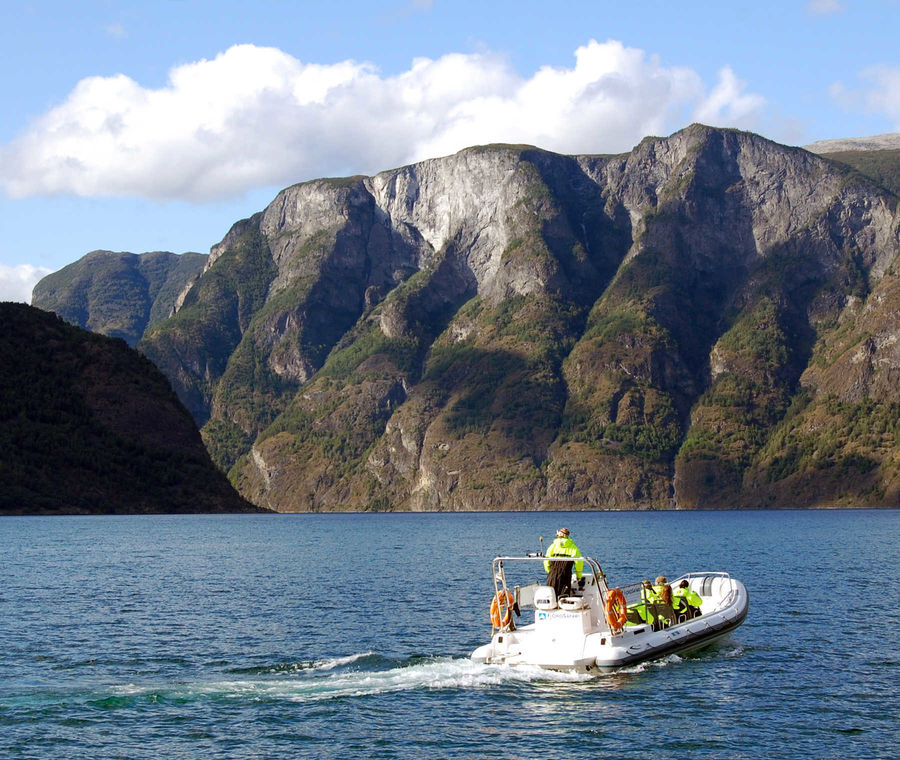
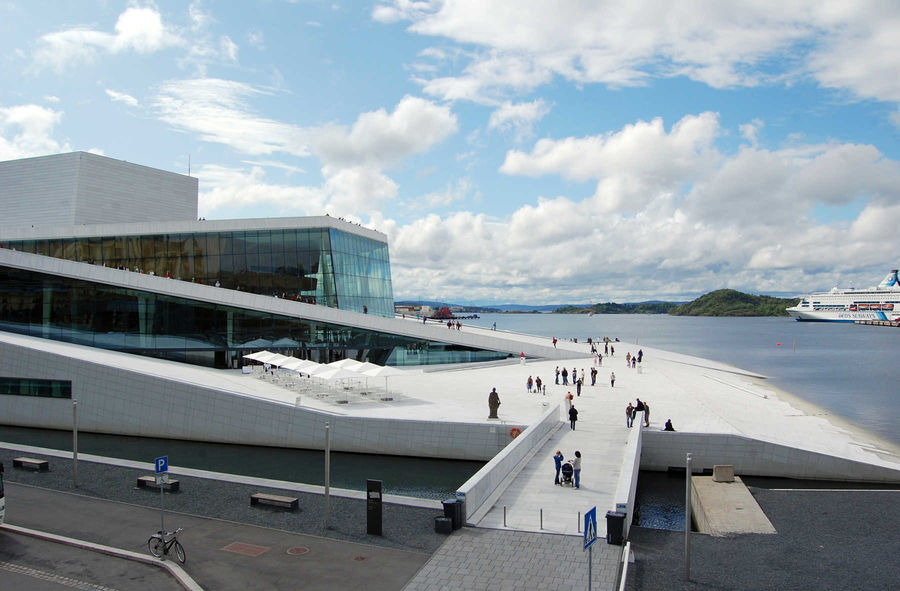
Watch
Read
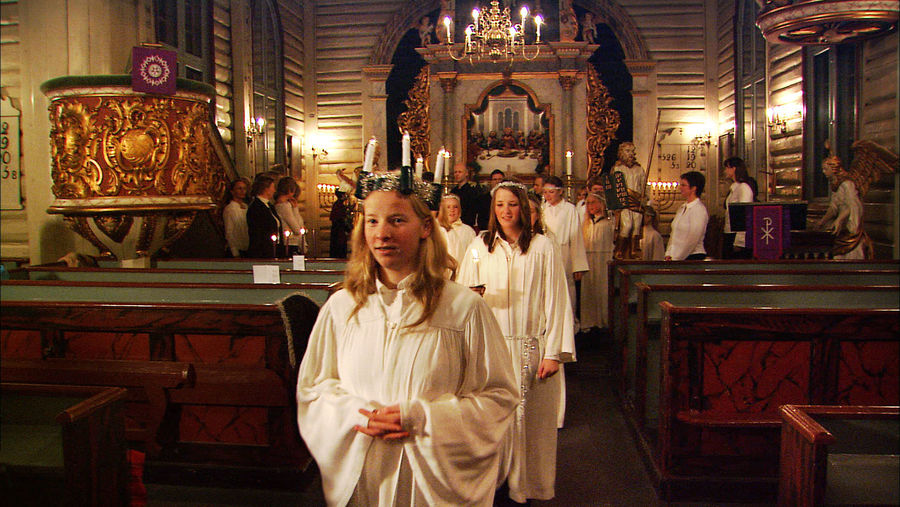
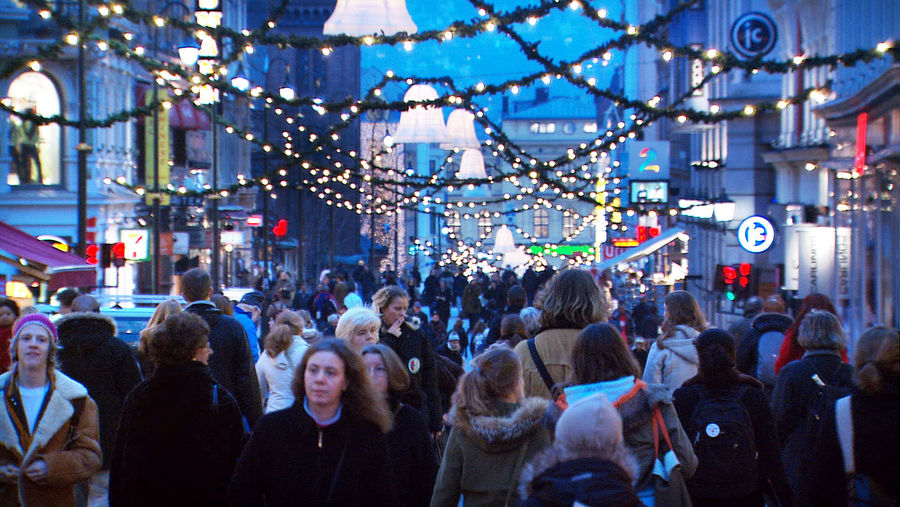
- Christmas in Europe
- Norwegian Christmas: A Festival of Light in Darkness
- Svalbard Bound: A Trip to Norway’s Far North
- Awash in Maritime Heritage and Salty Charm, Bergen Beckons
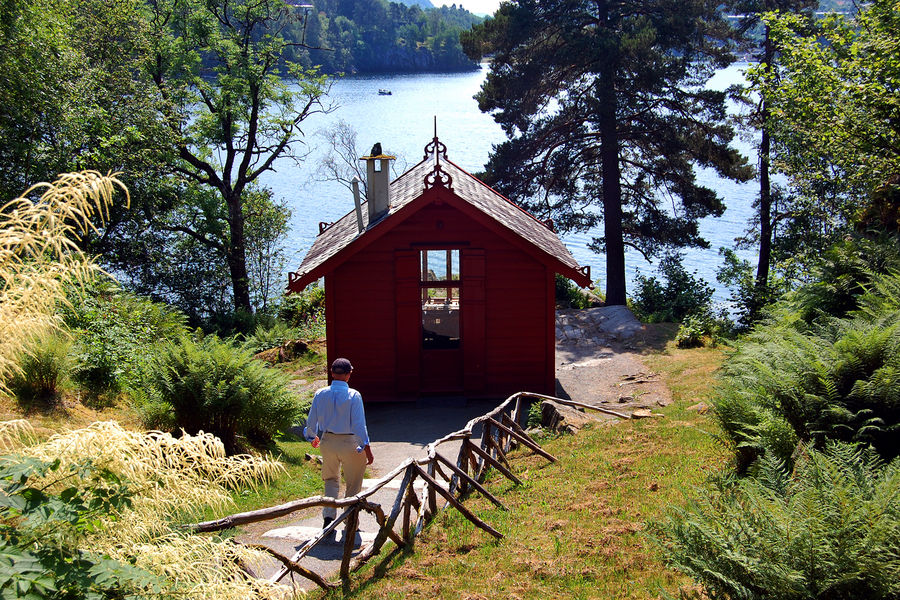
- In Studio: Roaming the Homes of Europe’s Top Artists
- Fjordside Balestrand
- Norway’s Fjord Country Blends Serenity with Grandeur
- Norway’s Scenic Wonders, in a Nutshell
- Scenery Out the Window: Three of Europe’s Most Spectacular Journeys
- Steep, Deep Western Norway: From Peaks to Port
- Futuristic Oslo
- How Travel Pried Open My Hometown Blinders
- Peacefully Progressive Oslo
- Time Traveling at Europe’s Open-Air Museums
- Wrecks, Rafts, and Replicas: Scandinavia’s Remarkable Maritime Museums
Norway
Bergen
Norwegian Fjords
Oslo
Listen
- Alt for Norge (15:20)
- Nordic Cousins (15:38)
- Norse Mythology (25:58)
- Norway's Fjords (18:32)
- Norway's Prosperity (17:52)
- Oslo Harborfront (18:04)
- Sailing Norway's Oslofjord (11:06)
- Scandinavian Crime Fiction (18:21)
- Scandinavian Food (18:29)
- Scandinavian Smackdown (25:39)
- Solstice Celebrations (9:34)
- Touring Norway (18:08)