Valencia
[NOTE: The following information was written in 2007 by Tooraj Fooladi, who lives in Valencia and is a tour guide for ETBD in Spain. Costs and hours may have changed.]
The birthplace of heavenly paella, refreshing horchata, artistic Lladró porcelain figures, and the retirement home of the legendary El Cid, Valencia is Spain's third largest city and throws the country's biggest street party — Las Fallas.
Once you add its world-famous oranges, a mild and pleasant Mediterranean climate, and an exciting nightlife scene for both young and old, Valencia makes a rewarding stop. Its recently acquired position in the forefront of the Spanish avant-garde architecture scene — thanks to major works by giants such as Sir Norman Foster and native son Santiago Calatrava — has also turned Valencia into a favorite destination for architecture enthusiasts.
Valencia is located in the middle of the sunny eastern coast of Spain, an equal distance from both Madrid and Barcelona (about 220 miles). It's a perfect stop between these two major cities and breaks up an otherwise long, boring trip (about 400 miles), and half the journey is along the beautiful Mediterranean coastline (Costa Dorada). As an option, consider visiting the historic towns of Tarragona and Sagunto.
Whether you are a history buff, an architecture enthusiast, or simply want to find a secluded spot to take a dip in the Mediterranean, Valencia and its surrounding areas make an ideal addition to your trip.
Planning Your Time
Valencia is worth at least a day (if you visit during Las Fallas, you add more time). The majority of sights are within a relatively small area, and can be easily visited on foot. The rest are just minutes away using the excellent public transportation system (all buses, metros, trams, and taxis are modern, air-conditioned, and clean).
Here is the best one-day plan:
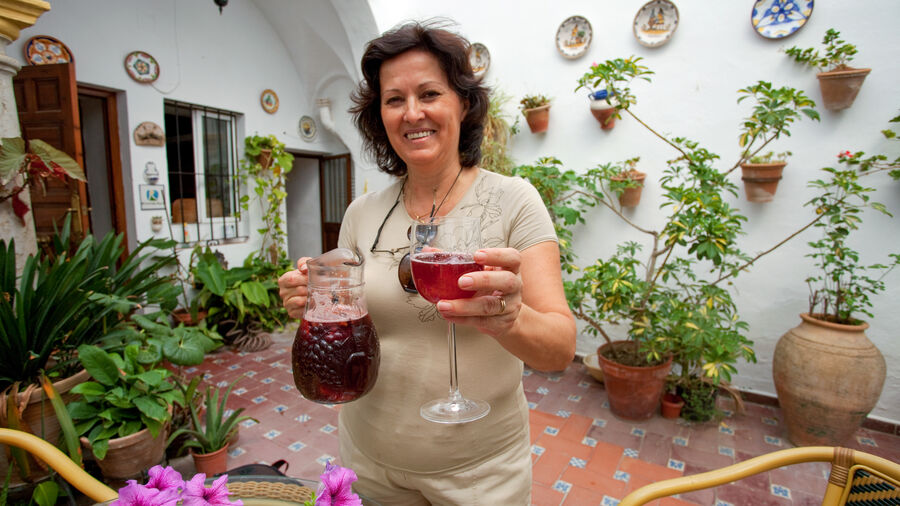
In the morning, explore the old quarter — the Ciutat Vella, visit Calatrava's City of Arts and Sciences, head for the beach (Paseo Maritimo), order paella for lunch, and enjoy the sun, sea, and the special Valencia light that inspired local artist Sorolla, Spain's foremost impressionist painter. Stroll the promenade (away from the port), have a glass of horchata, sangría, or agua de Valencia, and watch or even mingle with the local crowd — you'll find that Valencians are extroverts.
Orientation
Like Barcelona, Valencia is a flat city that sprawls between the sea and low mountains to the west. These mountains separate this region from the high central plateau and block its harsh weather — which is why Valencia has one of the best climates in Spain.
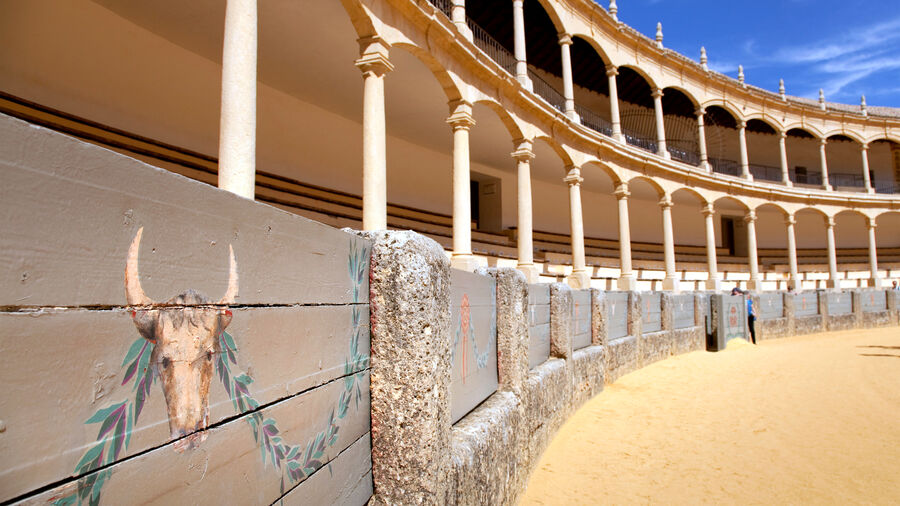
Visitors should focus on the area between the train station/bullring and the Turia Gardens (old riverbed transformed into gardens, public soccer fields, a children's park, and the City of Art and Sciences) with the old quarter in-between. The majority of the sights are in and around the old quarter. A visit to the beaches is only a 15– to 20-minute ride from downtown on a city bus (#32, 1), tram, or taxi.
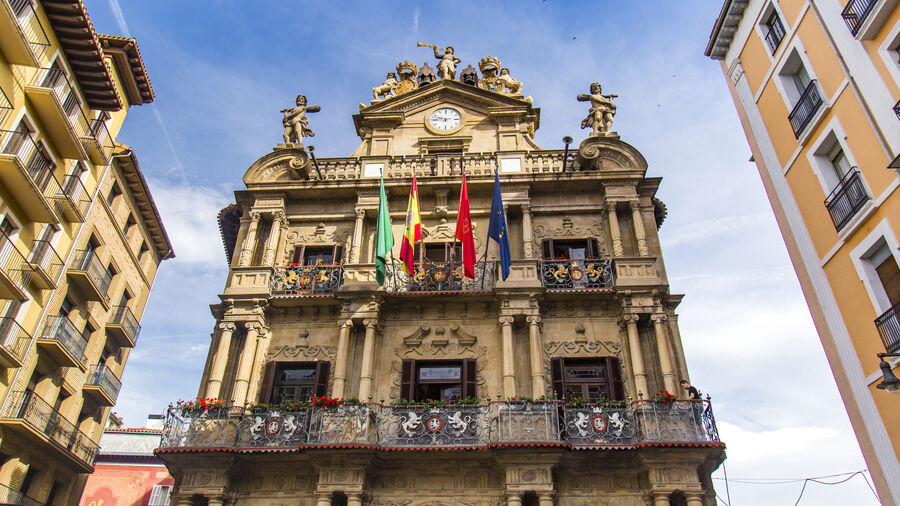
Plaza del Ayuntamiento (Town Hall Square), named after the 18th-century town hall building facing the main post office, marks the center of Valencia and is the hub of the city's life. It is the departure/arrival point for most city buses, the location of political demonstrations, and the daily Mascaletá (noisy daylight fireworks during Las Fallas festival). It is also one of the city's liveliest areas, and just a short walk from the Cathedral and the beginning of the historic center (Plaza de la Reina).
Belazco Ibáñez boulevard, which connects the Turia riverbed to the beach, and the palm-tree lined GranVia Marquéz del Turia, especially around Plaza de Cánovas, should also be visited to get a feel of the Valencian life.
Tourist Information
The main TI is at Calle de la Paz 48 (Mon-Fri 9:00-14:30 & 16:30-20:00, closed Sat-Sun, tel. 963-986-422). The other TI is at Plaza de la Reina 19 near the cathedral (Mon-Sat 9:00- 19:00, Sun 10:00-14:00). There's also a TI at the train station, Estacion del Norte, Xativa 24 (Mon-Sat 9:00-19:00, Sun 10:00-14:00, tel. 963-528-573). "Información" desks at the airport and the ferry terminal have maps and other information for travelers.
Arrival in Valencia
By Train: Trains arrive at the spacious and bright Art Deco Estacion Del Norte, with its shining marble floor (ATMs, TI, luggage storage, cafeterias, Bocatta sandwich shop). As you get off the train, the bathrooms and TI are on your right, and the rest are on the opposite side. Straight ahead is the exit, after passing the ticket office on your right. Reserve your train out upon arrival.
Once you exit the station, you are in the heart of town with the bullring to your right and the Metro stop Xativa (chati-ba) just outside the gate. Plaza del Ayuntamiento or the city center is a couple of minutes walk north behind the building you are facing. Carefully cross the wide, one-way street (Xativa), turn right on the sidewalk (toward the McDonald's), and then left on the pedestrian-only Rivera — at the end you'll hit the city center with the flower stalls in the middle. The huge post office is now to your right, and facing it across the plaza is the baroque Town Hall (TI, Museum of City History).
By Bus: Valencia's Estacio Terminal d' Autobuse (cafeteria, luggage storage, and info office, tel. 963-466-266) is on Avenida Menendez Pidal 13, next to the Nuevo Centro shopping center across the Turia River bed. Bus #8 (or a 30-minute walk southeast) connects the station to the city center. The same bus continues to the train station.
By Car: With the combination of city buses, four metro lines, trams and inexpensive taxis, you won't need a car. But if you are coming from other cities or are planning to rent a car for the rest of your trip, remember that Valencia is well linked to Spanish and European highway networks. AP-7 runs through Valencia north-south (Barcelona, Alicante), while A-3 comes from the west (Madrid) into the heart of the city. There is hassle-free underground parking underneath the Plaza de la Reina.
By Plane: Valencia's international Aeropuerto de Manises (code: VLC) is about 5 miles southwest of the city center. To get between the airport and downtown, you can take a taxi (€15), metro (€1.70), or airport bus, Aero-Bus (€2.50). Airport info: tel. 961-598-500. Newly extended metro lines 3 and 5 will get you to the heart of town (Xativa or Colón stations) in about 20 minutes and are the best deal. The airport was expanded and connected to the port (aeropuerto a puerto) by metro lines for the America´s Cup, held in Valencia in 2007. Daily direct flights from major European cities arrive in Valencia.
Helpful Hints
Theft Alert: Valencia has somehow retained its provincial character, so don't worry about areas like Barcelona's Ramblas or Madrid's Puerta del Sol here. Street scams and gypsy women with sprigs of rosemary (as in Granada and Sevilla) have not yet arrived here, and Valencia is very well-lit at night. Although Valencia is generally safer than most cities of its size, one should always exercise caution while traveling. Avoid lingering around the neighborhoods near Malvarrosa beach late at night.
US Consulate: It's on the second floor at Calle Doctor Romagosa 1 and does not issue visas or passports (Mon-Fri 10:00-13:00, tel. 963-516-973).
Emergency Phone Numbers: English-speaking emergency — 902-102-112, Spanish — 112, local police — 092, medical emergencies — 061, directory assistance — 010.
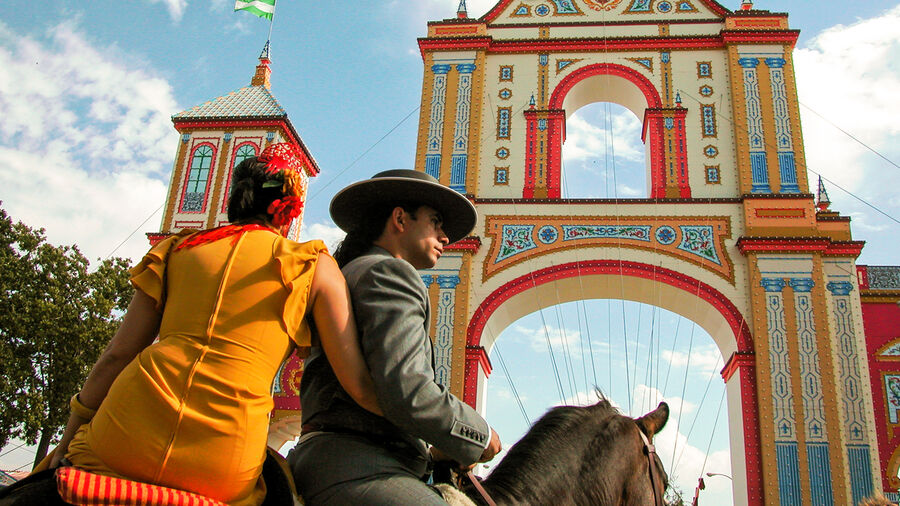
Festivals: Las Fallas (probably 14-19 March in 2008 — reconfirm dates), celebrates the arrival of spring with five days of noisy street parties, tons of paella (cooked outdoors in the streets of competing neighborhoods) and finally on the last day, burning all the works of art made of papier-mâché which took the entire year to create. Firework displays during Las Fallas are spectacular, especially the last night at Malvarrosa beach. La Tomatina (the last Wednesday of August in the nearby town of Buñol, west of Valencia) is a silly, fun but messy event where the entire town and hundreds of visitors participate in a tomato fight. The Mediterranean Film Festival attracts celebrities and the July Fair offers open-air concerts and music competition for the entire month.
Internet Access: The most centrally located Internet place is Workcenter just across the street from the train station at Xativa 19 (open 24 hours).
Post Office: The main post office is in the city center, Plaza del Ayuntamiento (Mon-Fri 8:30-20:30, Sat 9:30-14:00, closed Sun, tel. 963-516-750).
Pharmacy: A 24-hour pharmacy is on Gran Via Marqués del Turia 31 (closed on holidays).
Laundry: The L@undry Stop at Calle Baja (Baixa) 17 is open everyday from 9:30-22:00. Manu and Julie help you wash and dry (€7/load). Internet access €0.50/20 min.
Travel Agency: Zafiro Tours sells everything you need — including hotel resrvations and plane, train, and ferry tickets to Mallorca and Ibiza, as well as excursions to other parts of Spain and Europe (Mon-Fri 10:00-14:00 & 17:00-21:00, Sat 10:00-14:00, closed Sun, Calle Matías Perelló 37, tel. 963-445-902-3, English spoken).
Getting Around Valencia
By Public Transit: Valencia buses, clean, efficient and air-conditioned, connect to just about everywhere you'll be visiting.
You can buy individual tickets for €1.15 from the driver. Bonobus card for €5.45 gives you 10 sharable tickets and saves you close to 50 percent. There's also a bus-metro-tram combo pass for a little more (€6.70). Taxis, like everywhere else in Spain, are relatively inexpensive and plentiful. "Tarif 1" rates (€1.25 drop charge, €0.77/km) are in effect 6:00-22:00 on weekdays. You pay higher "Tarif 2" rates off hours, weekends, and holidays (airport supplement-€3.50, luggage-€1/piece). Hopping a taxi will save time (and money, if shared). Note: Always enter buses at the front door and exit from the middle/back door, as Valencians do.
By Tourist Bus: A quick way to see Valencia's sights, this orange open-top, double-decker bus leaves from Plaza de la Reina (Cathedral) and passes by: Mercado Central, Silk Exchange, Tower of Quart, City Hall, Main Theatre, the bullring, Palace of Justice, Palace of Music, City of Arts and Sciences, the Palace of San Pio V (Fine Arts Museum), Tower of Serrano, and the Palace of the Temple. The multi-lingual tour lasts 90 minutes (€12, kids 7-11 years-€6). A two-hour tour to Albufera Nature Park includes a boat ride and visits the City of Arts and Sciences, El Saler beach, La Dehesa, and El Palmar.
Tours
Walking Tours — If you want a professional local guide to show you around, Valencia Guías does a two-hour tour of the historical center in English (€15, kids-€7.50, tel. 963-851-740, www.valenciaguias.com).
Self-Guided Walk
The Old Quarter
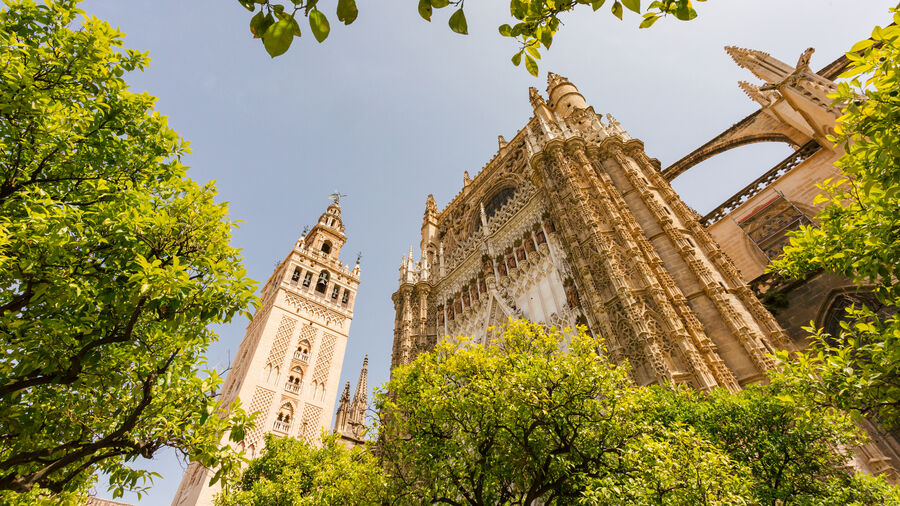
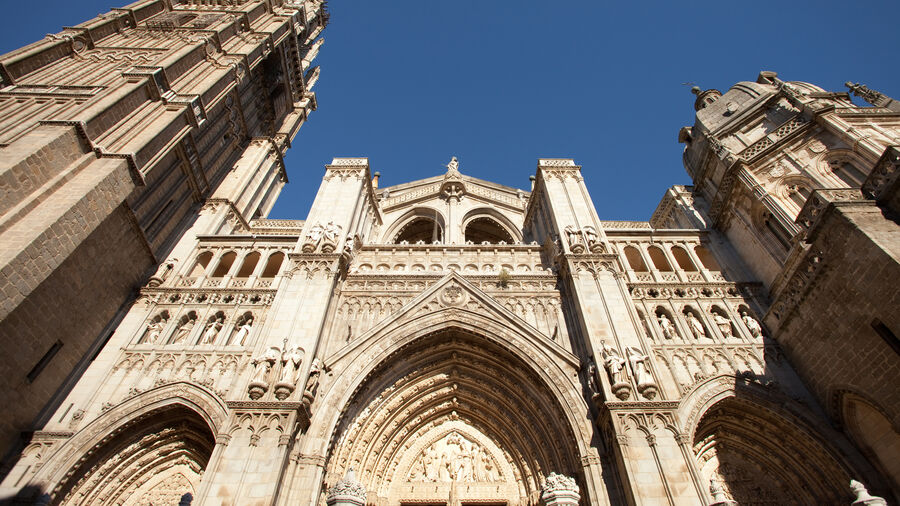
Start from the Plaza de la Reina, where you can see the 13-century Cathedral. Built over a former mosque (as most Spanish cathedrals are), the cathedral is predominantly Gothic with touches of later styles, as its construction lasted until the 17th century (from Romanesque to Rococo). In the Chapel of the Holy Chalice, you can see a replica of the cup Christ used at the Last Supper (the Holy Grail), supposedly brought to Spain in the third century by Emperor Valerian (St. Peter had allegedly taken it from Jerusalem to Rome).
Every Thursday at exactly 12:00, at the Apostles Gate of the cathedral, the Water Tribunal (eight people elected every two years by the farmers of the region) judges disputes arising from the irrigation and water distribution of the Turia River. This oral process takes place in the "Valenciano" dialect, and judgements are without appeal — a tradition that comes from the Middle Ages and makes the tribunal the oldest legislative body in the city.
If you have good knees and are in good shape, climb the 207 steps to the top of the emblematic 14-century bell tower, El Miguelte, for a great panoramic view. Count all the bell towers you can see. Then compare notes with Victor Hugo, who counted 300!
Just behind the Cathedral lies the archaeological site of La Almoina, where the Roman town of "Valentia" was founded more than 2,100 years ago. Here you can get a crash course in Valencia's ancient history and literally walk through centuries of civilizations on a glass-covered floor to see what the Romans, Visigoths, Moslems, and the people of Medieval Europe left — all in a relatively small area.
Enjoy the relaxed atmosphere of Plaza de la Virgen, where the Roman Imperial Forum once stood. Admire the Turia fountain in the middle, feed the pigeons, and take some photos to send back home. Order a glass of local horchata if in season (March-October), and people-watch or write postcards.
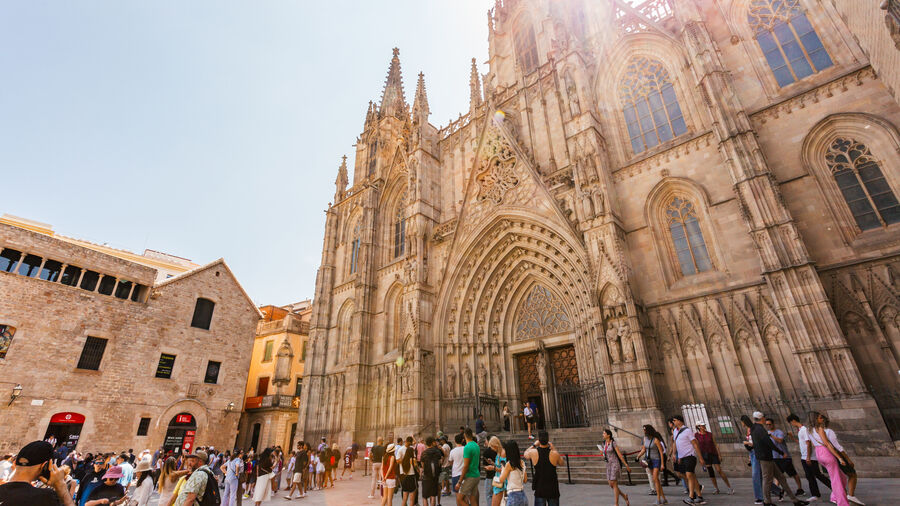
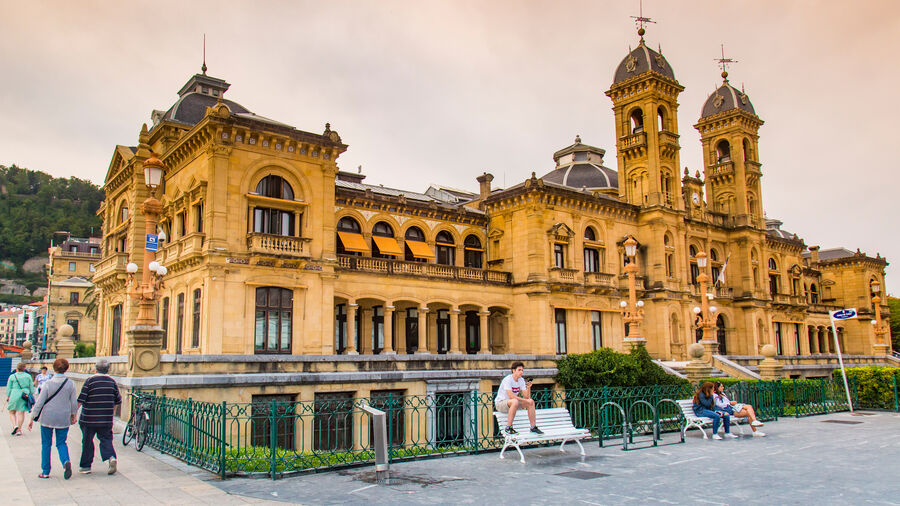
With the Cathedral and the Basilica behind you, head west, passing by the Gothic place Palau de la Generalitat. This has been the seat of the local government for many centuries. Valencia was the capital of the Republic for a year during the Spanish Civil War.
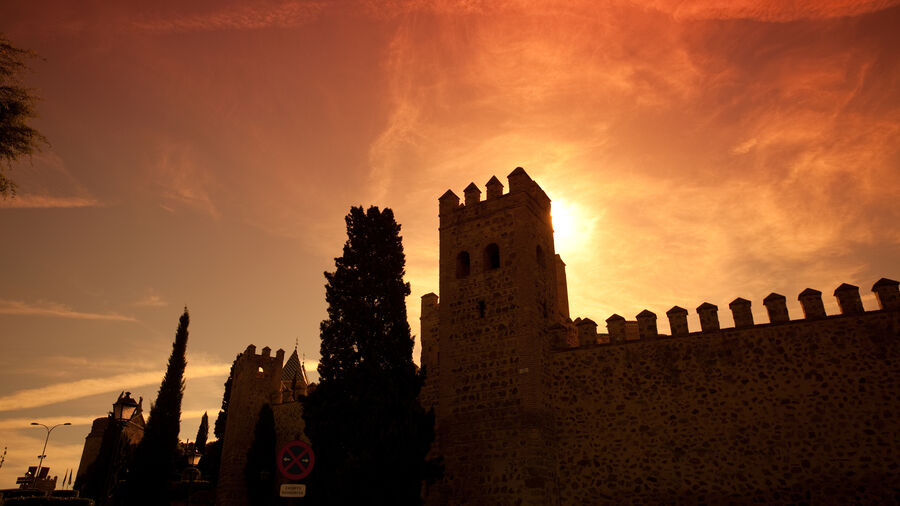
Turn right on Plaça de Manises and onto Serranos street, where you'll end up at the 14-century Tower of Serranos. The tower is one of the two surviving medieval guard towers with a great view of the riverbed. It is from here that the announcement (cridá) of the arrival of the Fallas Festival is made, inviting citizens to take part.
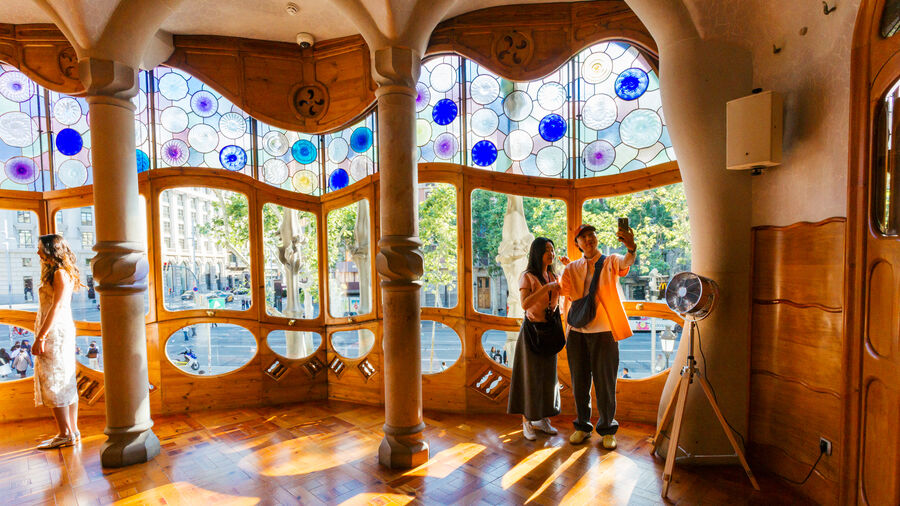
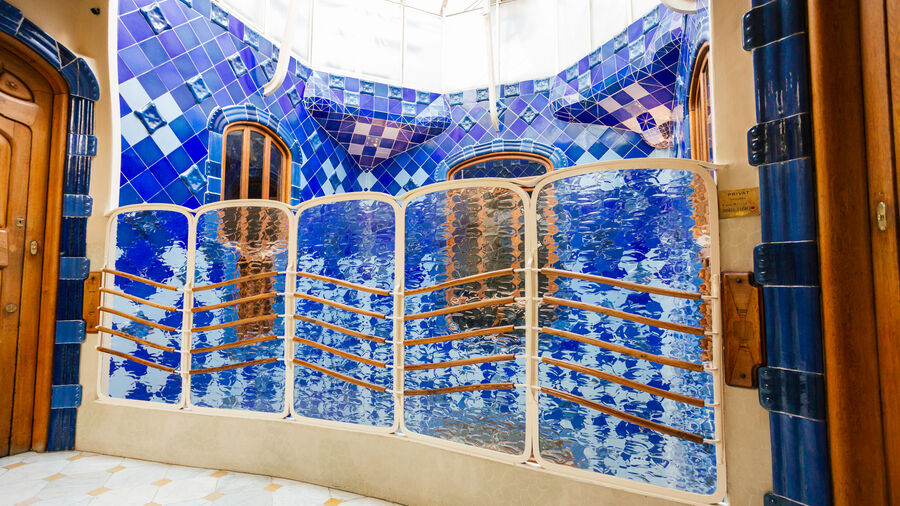
Walk back on Serranos street and turn right on Cavallers. Continue on Cavallers (on weekend nights it becomes the epicenter of nightlife) until it turns into Calle Quart, named after the second medieval tower at the end of the street. At Plaça del Tossal, turn left on Bosseria and continue to Plaza del Mercado (hang left when the alley splits), where you find the Modernist Mercado Central and the Valencian Gothic La Lonja (Silk Exchange).
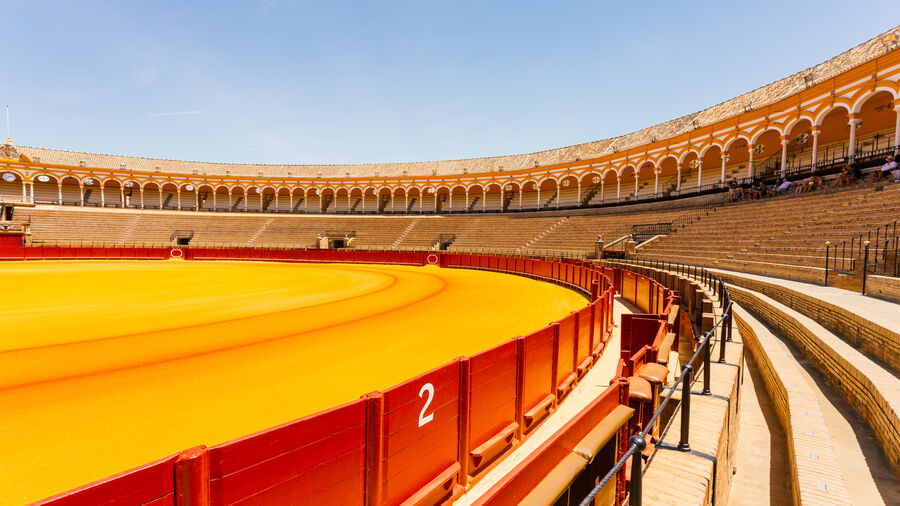
Walk down Avenida de Maria Cristina to get to the city center, Plaza del Ayuntamiento. Walk south along Avenida Marquez de Sotelo and you'll hit Valencia's Art Deco train station Estacion del Norte, with the Plaza de Toros next to it. Take pedestrian-only Calle Ribera (at McDonald's) to go back to the city center and on to the palm-tree-lined Calle Barques.
At this point, you can either turn left on Calle Poeta Querol and visit the National Museum of Ceramics in the beautiful Palacio del Marqués de Dos Aguas, or continue on to reach the pedestrian-only Calle Don Juan de Austria. Here, you can get a taste of daily local life (Valencians shop here) and see the Colón metro station at the end of the street.
Valencia at a Glance
City of Arts and Sciences Calatrava's masterpiece and the first of its kind in Spain. More than four million people a year visit this complex of four buildings, which offer a range of cultural and leisure activities in a futuristic setting. Hours: Museum — Mon-Sun 10:00-19:00, L' Oceanographic — Sun-Fri 10:00-18:00, Sat 10:00-20:00, L'Hemisferic — daily 10:00-19:00. Hours vary depending on season.
El Palau de les Arts Uniquely designed concert hall is a great place to see an opera, dance, or play.
Museum of Fine Arts(Museo de Bellas Artes) Considered one of the best in Spain with a rich collection of paintings and sculptures, including masters such as Van Dyck, El Greco, Sorolla, Velazquez, and Goya. Hours: Tue-Sun 10:00-20:00, closed Mon.
National Museum of Ceramics (Palcio del Marqués de Dos Aguas) Lavish 18th-century Baroque mansion houses the National Museum of Ceramics. Hours: Tue-Sat 10:00-14:00 & 16:00-20:00, Sun 10:00-14:00, closed Mon.
Silk Exchange (La Lonja de la Seda) UNESCO World Heritage Site is one of Spain's finest Gothic buildings. Hours: Mon-Sat 10:00-14:00 & 16:30-20:30, Sun 10:00-15:00.
Mercado Central Lively, colorful Modernist market — one of the largest in Europe. Hours: Mon-Sat 7:00-15:00, closed Sun.
Serrano and Quart Guard Towers Towers with visible scars of history (Napoleon), part of the medieval wall surrounding Valencia until the 19th century. Hours: (Serranos only) Tue-Sat 10:00-14:00 & 16:30-20:30, Sun 10:00-15:00, closed Mon.
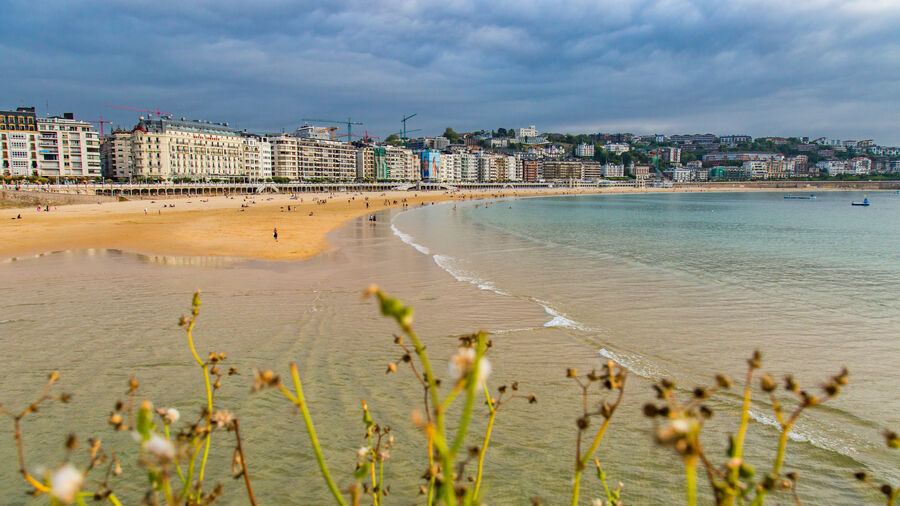
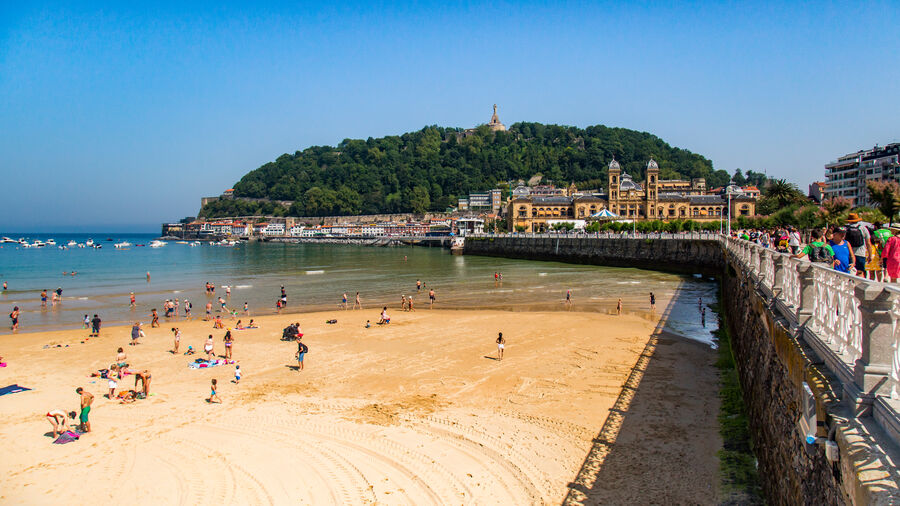
Botanical Gardens Created in the 16th century when such gardens were in vogue all over Europe. This four-acre, 30,000 species/40,000 plants Jardi Botanic is across the street from the Quart Tower is one of the best in Europe and a delight to visit, especially in spring. Malvarrosa Beach/Valencia City Beach Over a mile of fine sand and a great sea-front promenade. Eat paella here while people-watching and enjoying the Mediterranean sea breeze.
Sights South of Valencia
Albufera Nature Park — Located 11 miles south of Valencia, this freshwater lagoon is one of the largest lakes in Spain and is separated from the Mediterranean by a sandy spit. The park is an important area for migratory and nesting birds, including flamingos, and the area features boat rides, and good paella and seafood restaurants. The pristine sands and crystal-clear waters of El Saler Beach within the park have won the European Blue Flag Award for water quality. During the summer, breezes make the beach popular with windsurfers.
Sleeping
With more than 100 hotels scattered around town, there is plenty to choose from in a wide category of prices. Prices increase for the Las Fallas Festival in March, and during other major events.
In or near the City Center
All these hotels are a short walk from major sights.
Meliá Inglés Boutique Hotel, an 18-century palace converted into a hotel, is located on a classy street next to the National Ceramics Museum and offers all the modern conveniences (Sb-€95-230, Db-€95–240, extra bed–€40, kids under 12 free, breakfast included, air-con, elevator, Calle Marques de dos Aguas 6, tel. 963-516-426, fax 963-940-251, www.solmelia.com, melia.ingless@solmelia.com).
Ad-Hoc Monumental is a charming hotel in a carefully renovated 19-century building next to the old riverbed and the Serranos Tower with 28 rooms and a restaurant (Sb-€76-153, Db-€86–199, extra bed–€28, breakfast-€10, air-con, elevator, Internet access, Calle Boix 4, tel. 963-919-140, fax 963-913-66, www.adhochoteles.com, adhoc@adhochoteles.com).
Sorolla is conveniently located in the pedestrian-only section near the train station and the bullring, and was renovated in 2002 (Sb-€74-150, Db-€98-195, breakfast-€8, air-con, elevator, Calle Convento Santa Clara 5, tel. 963-523-392, fax 963-521-465, www.hotelsorolla.com, reservas@hotelsorolla.com).
Reina Victoria is located in the heart of Valencia on a charming, palm-tree-lined street off Town Hall square (Sb-€65-198, Db-€65-191, extra bed-€37, kids under 10 free, breakfast-€12, air-con, elevator, Calle Barcas 4, tel. 963-520-487, fax 963-522-721).
Hostal Venecia, overlooking the city center and Plaza del Auntamiento, is recently renovated, a few minutes walk from the train station, and is close to all you need (Sb-€58-75, Db-€65-85, extra bed–€14, buffet breakfast-€6, air con, free Internet access, Calle En Llop 5, tel. 963-524-267, fax 963-524-421, www.hotelvenecia.com, reservas@hotelvenecia.com).
Purple Nest Hostal is close to all the major sights and is popular with young backpackers who want to meet other travelers (€14-21 beds in dorms with bathrooms down the hall, a few D-€54-110, air-con, elevator, laundry-€4, kitchen, 1 free drink at bar, Plaza Tetuan 5, tel. 963-532-56, fax 963-427-128, www.nesthostelsvalencia.com). Moises runs the place with a smiling and helpful young staff.
Eating
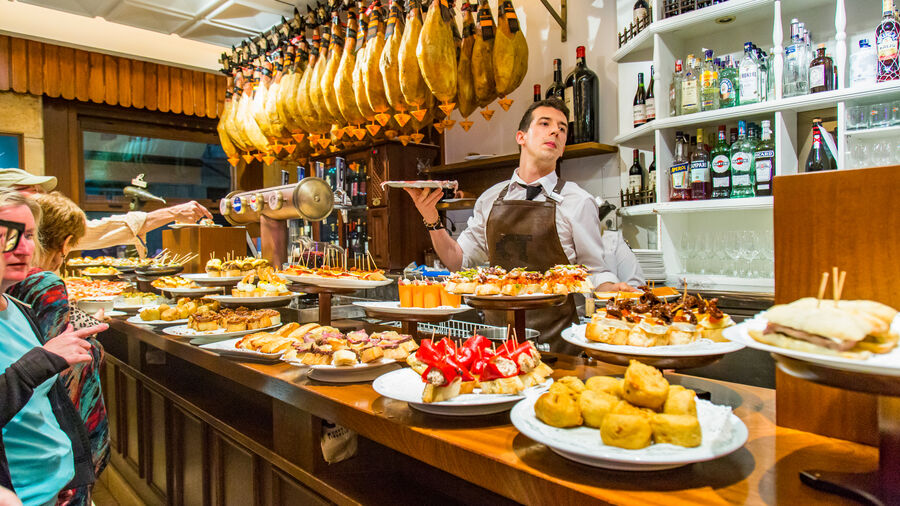
Don't leave Valencia without eating paella. While restaurants all over Spain try hard to emulate this dish, locals say the real thing is only found here. Paella originated in rural Valencia, the farmers used the freshest ingredients available. Unlike restaurants in Barcelona and Madrid that cater mainly to tourists, here most restaurants serve paella only for lunch — when it is meant to be eaten. Paella is not cheap, and requires a minimum of two people to order; vegetarians can also enjoy this local specialty by ordering paella de Verdura.
In Paseo Maritimo (Malvarrosa and Las Arenas Beaches) more than two dozen restaurants serve seafood, paella, and other regional specialties almost every day of the year, all of them with a view of the Mediterranean.
La Pepica, the oldest and most emblematic of the beachfront restaurants, has been around since 1898. Hemingway and Dali have eaten here (though not together). You'll spend around €35 for paella that can feed 3 (Mon-Sat 13:30-16:00 & 21:00-23:30, Sun 13:30-16:00 only, air-con, Avenida Neptuno 6, tel. 963-710).
La Marcelina has served paella for more than a century (Tue-Sat 13:30-16:00 & 21:00-23:30, Sun 13:30-16:00 only, closed Mon, Avenida Neptuno 8, tel. 963-712-25).
Casa Ripoll is a family-run restaurant that has been serving traditional Valencian and Mediterranean dishes for two generations (Paseo Maritimo 7, tel. 963-550-022).
Around Plaza de Canovas
This trendy and classy neighbourhood (L`Eixample) offers a variety of restaurants, especially on Conde de Altea, Ciscar, and Salamanca streets.
Around the Center
La Riuá is a family-run restaurant that features Valencian specialties, including rice dishes (Tue-Sat 14:00-16:15 & 21:00-23:00, Mon lunch only, closed Sun, reservations recommended, Calle Mar 27).
Al Pomodoro serves affordable Italian food for locals and visitors (Calle Mar 22). Its sister restaurant La Pappardella is located next to the Cathedral (Bordadores 5). The Nturalia juice bar has been around for 25 years and is popular with young people (daily 17:00-2:00 in the morning, Calle Mar 12).
Vegetarian
La Lluna is a non-smoking place run by brothers Carlos and Bernardo since 1980 (San Ramon 23, tel. 963-922-146).
Transportation Connections
From Valencia by Train to: Barcelona (11/day, 3-5.5 hrs, Euromed is the fastest line and uses AVE cars on regular tracks), Madrid (12/day, 3.5 hrs, confirm time at station).
By Bus to: Barcelona (4/day, 4 hrs, Alsa/Enatcar, tel. 913-270-540), Madrid (8/day, 4 hrs, Auto-Res, tel. 963-492-230), Granada (7/day, 8-9 hrs, Alsa/Entacar).
For information on other destinations, check out our best-selling Rick Steves' guidebooks — or join us on one of our free-spirited Spain & Portugal tours!