

- If you're a member of the media and would like to interview Rick, email [email protected].
- To request Rick for an event, please fill out our speaking engagement request form.
Rick's Biography
Short Version (92 words)
Rick Steves is a popular public television host, a best-selling guidebook author, and an outspoken activist who encourages Americans to broaden their perspectives through travel. He is the founder and owner of Rick Steves' Europe, a travel business with a small-group tour program that brings more than 35,000 people to Europe annually. Through the Rick Steves Fund, he supports non-profit organizations and causes that reflect the worldview he's gained through his travels. Rick lives and works in his hometown of Edmonds, Washington, where his office window overlooks his old junior high school.
Medium Version (243 words)
Rick Steves is a popular public television host, a best-selling guidebook author, and an outspoken activist who encourages Americans to broaden their perspectives through travel. But above all else, Rick considers himself a teacher. He taught his first travel class at his college campus in the mid-1970s — and now, more than 50 years later, he still measures his success not by dollars earned, but by trips impacted.
Rick is the founder and owner of Rick Steves' Europe, a travel business with a small-group tour program that brings more than 35,000 people to Europe annually. Each year, the company contributes to a portfolio of climate-smart nonprofits, essentially paying a self-imposed carbon tax. He also supports and works closely with many advocacy groups and has been instrumental in the legalization of marijuana in states across the country.
Through the Rick Steves Fund, he supports non-profit organizations and causes that reflect the worldview he's gained through his travels. Since 2017, this has translated to $40 million in support to organizations in the U.S. and around the world. He also supports and works closely with many advocacy groups and has been instrumental in the legalization of marijuana in states across the country.
Rick spends about four months a year in Europe, researching guidebooks, fine-tuning his tour program, filming his TV show, and making new discoveries for travelers. To recharge, he plays piano, relaxes at his family cabin in the Cascade mountains, and spends time with his son Andy and daughter Jackie. He lives and works in his hometown of Edmonds, Washington, where his office window overlooks his old junior high school.
Long version (395 words)
Rick Steves is a popular public television host, a best-selling guidebook author, and an outspoken activist who encourages Americans to broaden their perspectives through travel. But above all else, Rick considers himself a teacher. He taught his first travel class at his college campus in the mid-1970s — and now, more than 50 years later, he still measures his success not by dollars earned, but by trips impacted.
Widely considered America's leading authority on European travel, Rick produces a best-selling series of guidebooks and is the author of Travel as a Political Act. He is dedicated to providing all Americans with access to travel information and has made extensive resources available for free on the Rick Steves' Europe website; via the Rick Steves Audio Europe™ app; and in Rick Steves Classroom Europe™, a searchable database of short, teachable video clips.
A longtime supporter of public broadcasting, Rick produces and hosts public television and radio shows that air across the nation.
Rick is the founder and owner of Rick Steves' Europe (RSE), a travel business with more than 100 full-time employees. RSE operates a successful small-group tour program which brings more than 35,000 people to Europe annually. The company contributes annually to a portfolio of climate-smart nonprofits, essentially paying a self-imposed carbon tax.
Through the Rick Steves Fund, he supports non-profit organizations and causes that reflect the worldview he's gained through his travels. Since 2017, this has translated to $40 million in support to organizations in the U.S. and around the world.
Rick supports and works closely with many advocacy groups and organizations whose missions fit his own, including Bread for the World. He has been a member of NORML since 2003 and has been instrumental in the legalization of marijuana in states across the country. He has also provided $9 million in funding to build two neighborhood centers in his community and donated a 24-unit apartment building for homeless women and their children to his local YWCA.
Rick spends about four months a year in Europe, researching guidebooks, fine-tuning his tour program, filming his TV show, and making new discoveries for travelers. To recharge, he plays piano, relaxes at his family cabin in the Cascade mountains, and spends time with his son Andy and daughter Jackie. He lives and works in his hometown of Edmonds, Washington, where his office window overlooks his old junior high school.
Download Publicity Photos
You may publish these photos free of charge. The files are all 300 dpi, print-quality JPEGs saved with the highest quality compression. Please note that some of these photos are high-definition screen captures from our shows and are smaller in size.
To download images, click on a link for the image you want below. Once the image finishes loading, right-click on it and choose "Save Link As." If you would like assistance in downloading these images, or prefer another format, please email [email protected]. All photos should be credited with "Photo credit Rick Steves' Europe" unless otherwise noted.
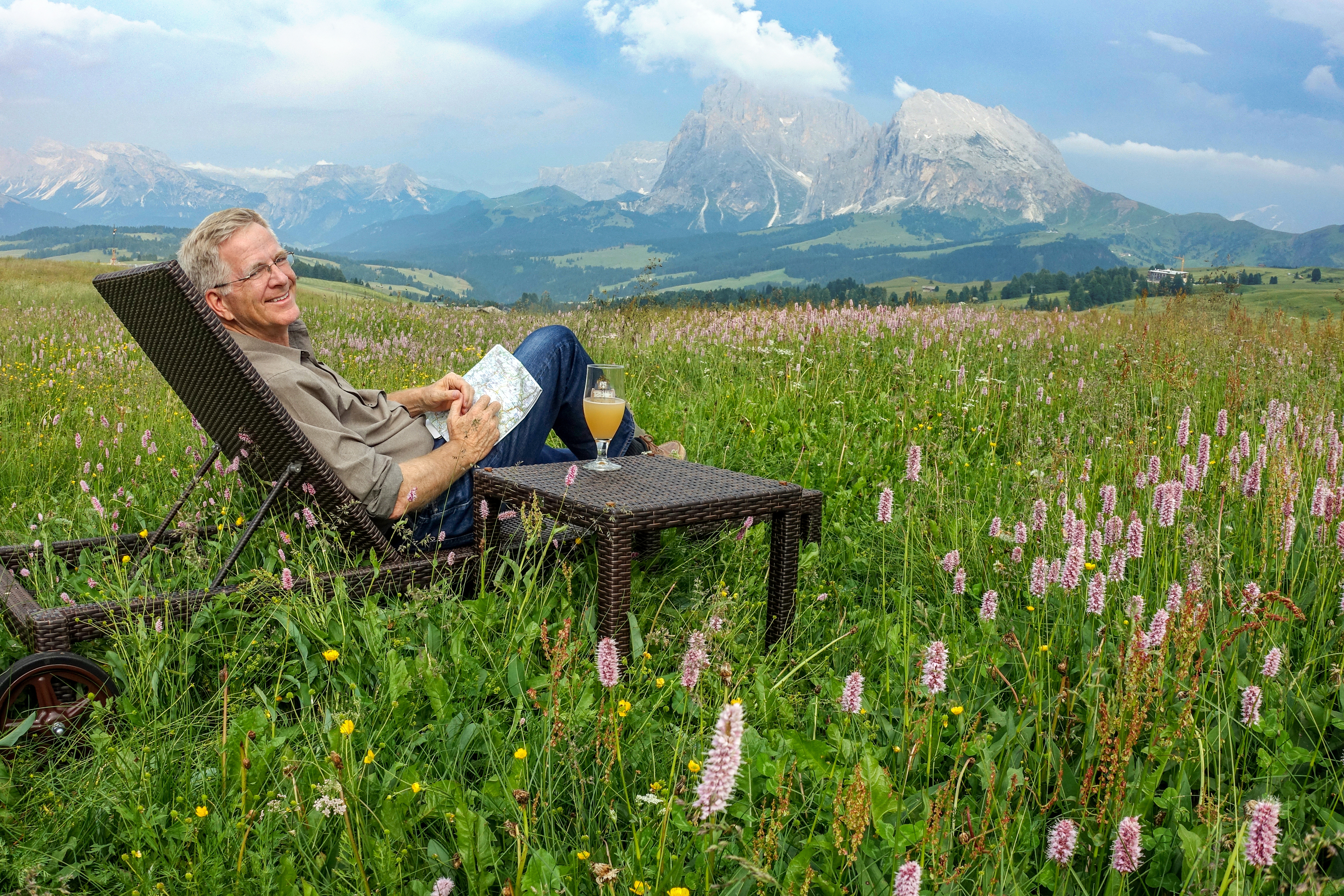
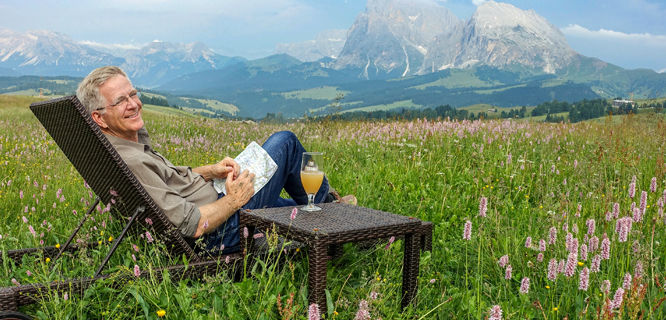
Taking a break from filming in Italy's Dolomites.
Download image
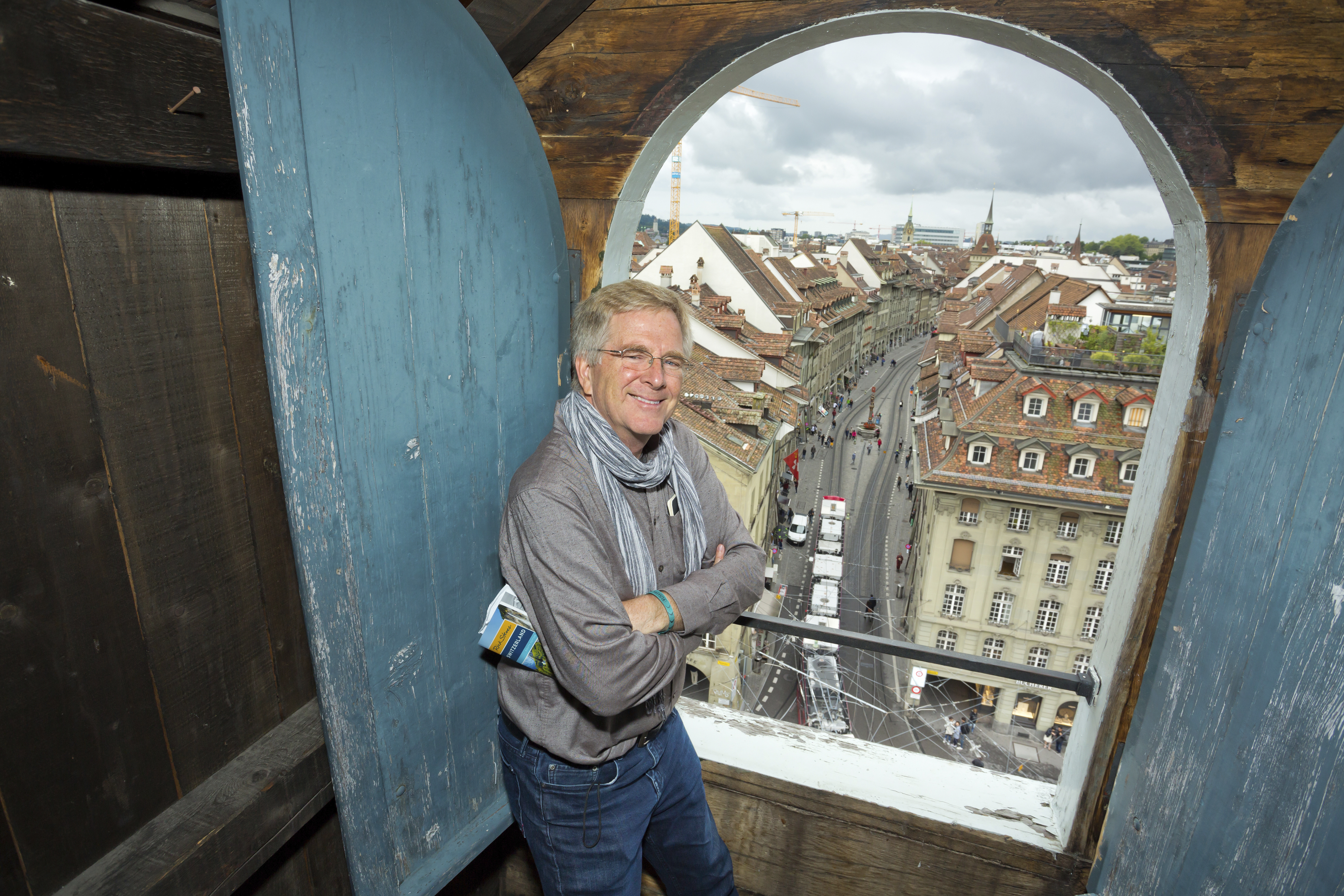
Rick in Bern, Switzerland.
Download image
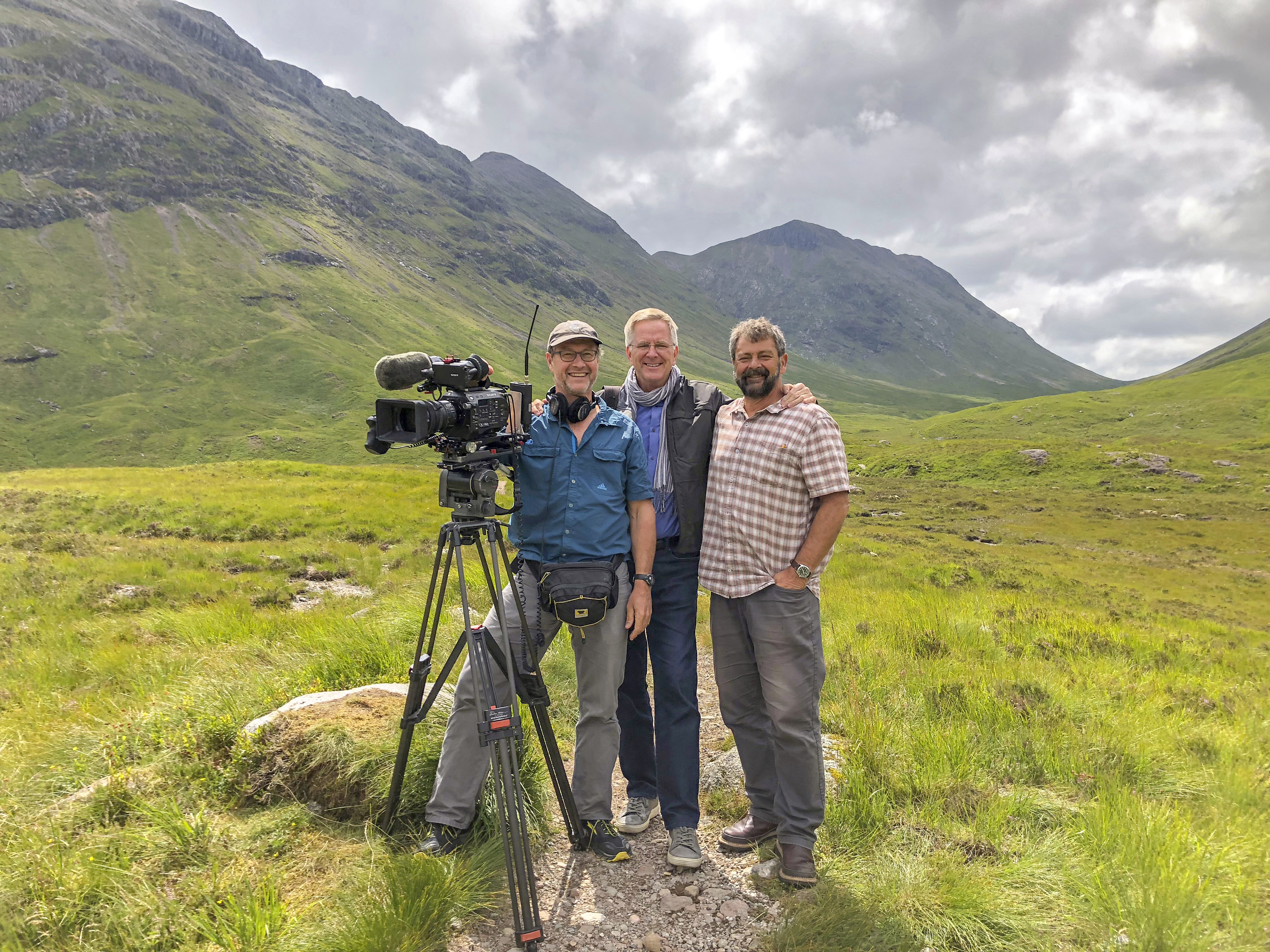
Rick and his TV crew in the Scottish Highlands.
Download image
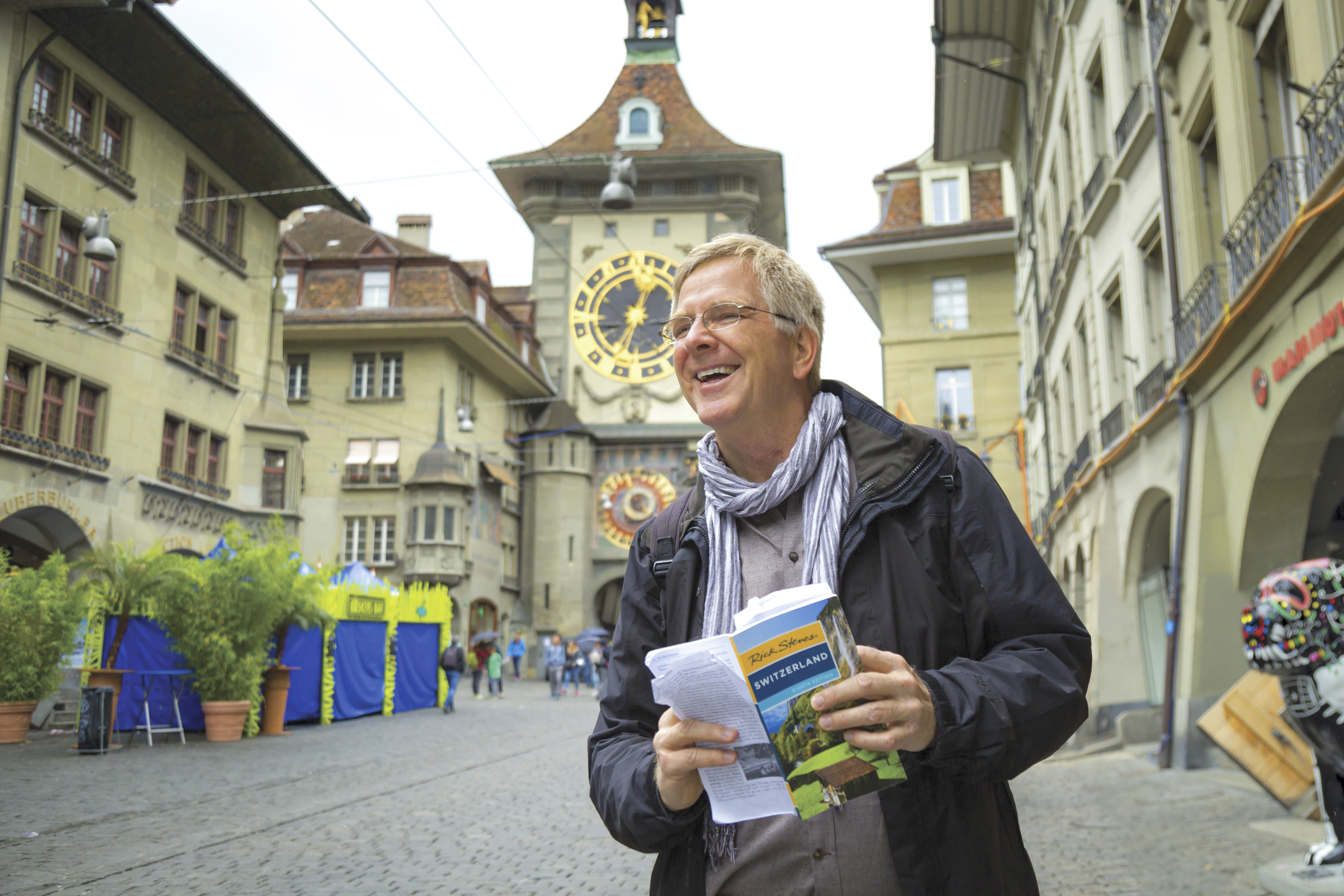
Conducting guidebook research in Bern, Switzerland.
Download image
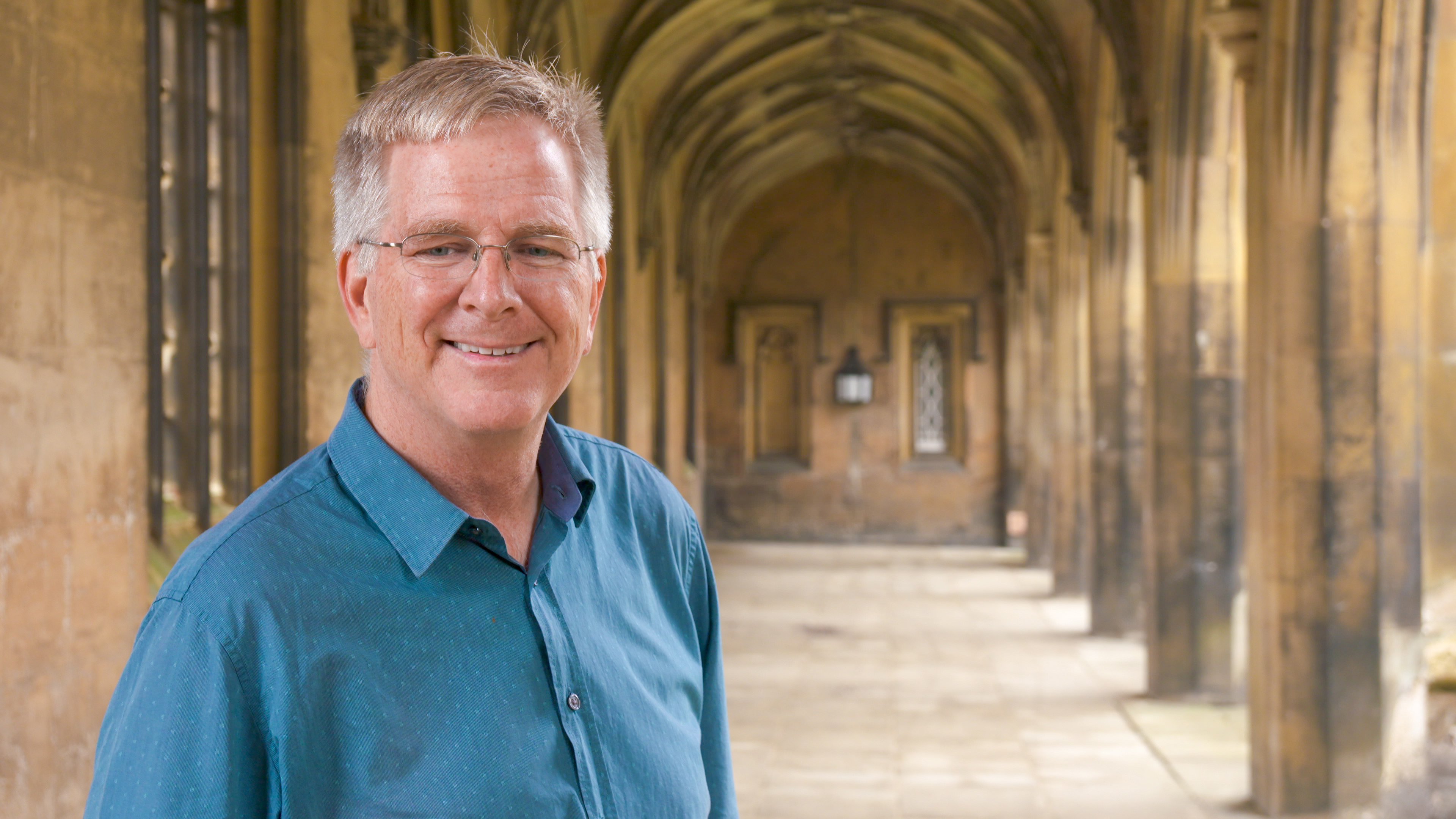
Rick at Cambridge University's Trinity College in Cambridge, England.
Download image
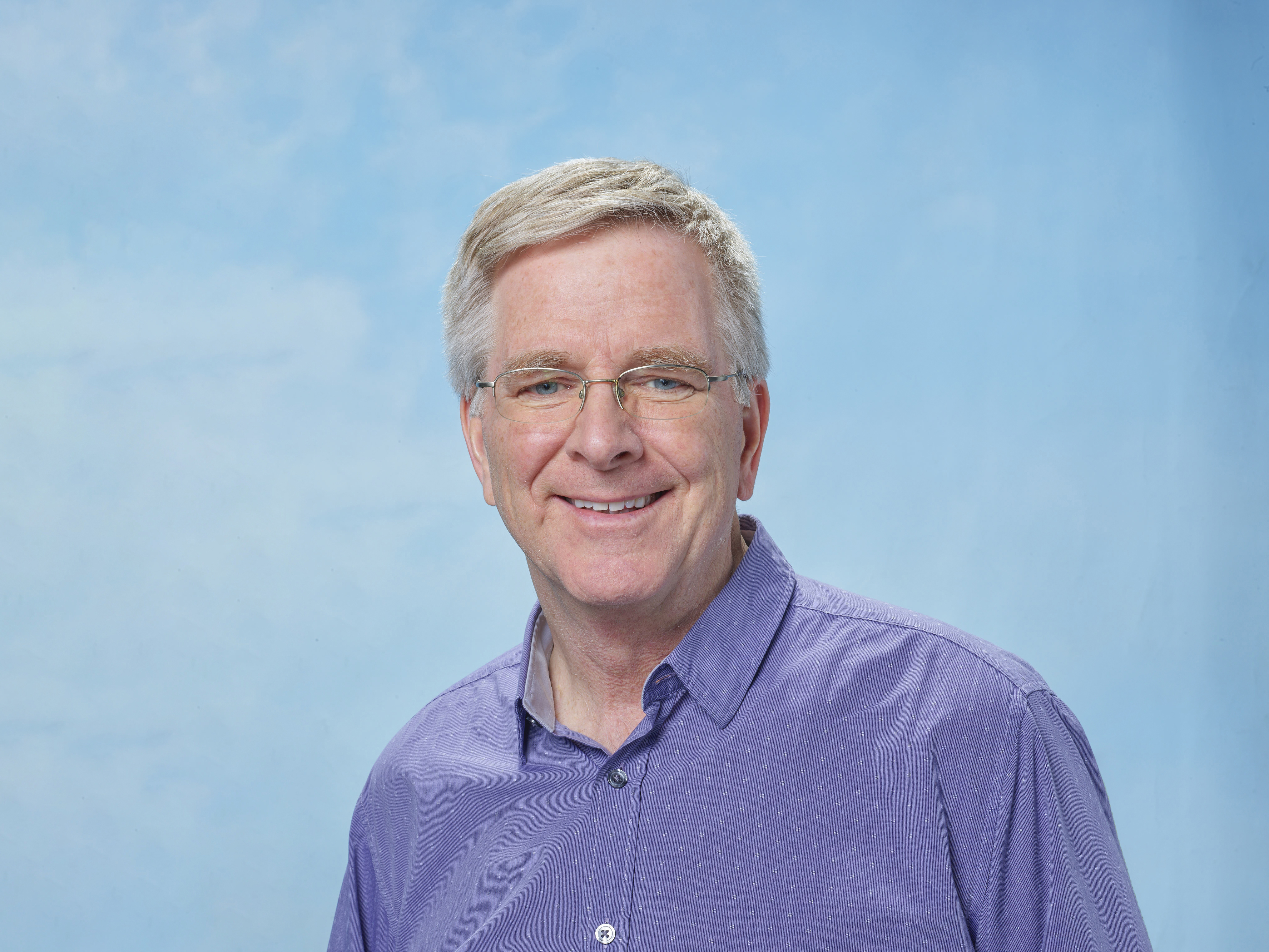
Rick Steves, New York Times Magazine.
Download image
Photo by Zachary Scott
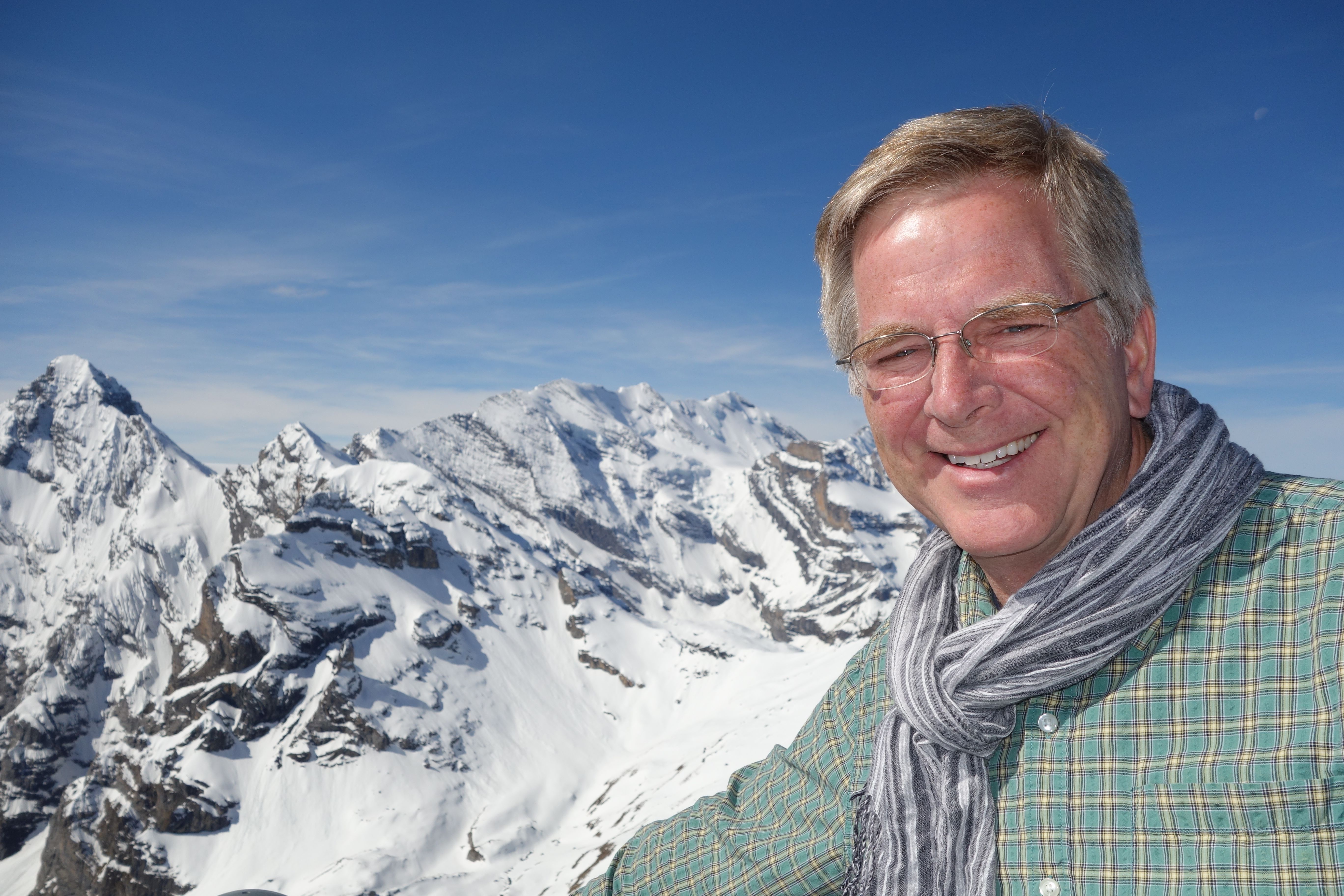
Relaxing (chillaxing) in the Swiss Alps.
Download image

Teaching a Travel Skills class at the Edmonds Center for the Arts.
Download image

Taping his radio show, Travel with Rick Steves.
Download image
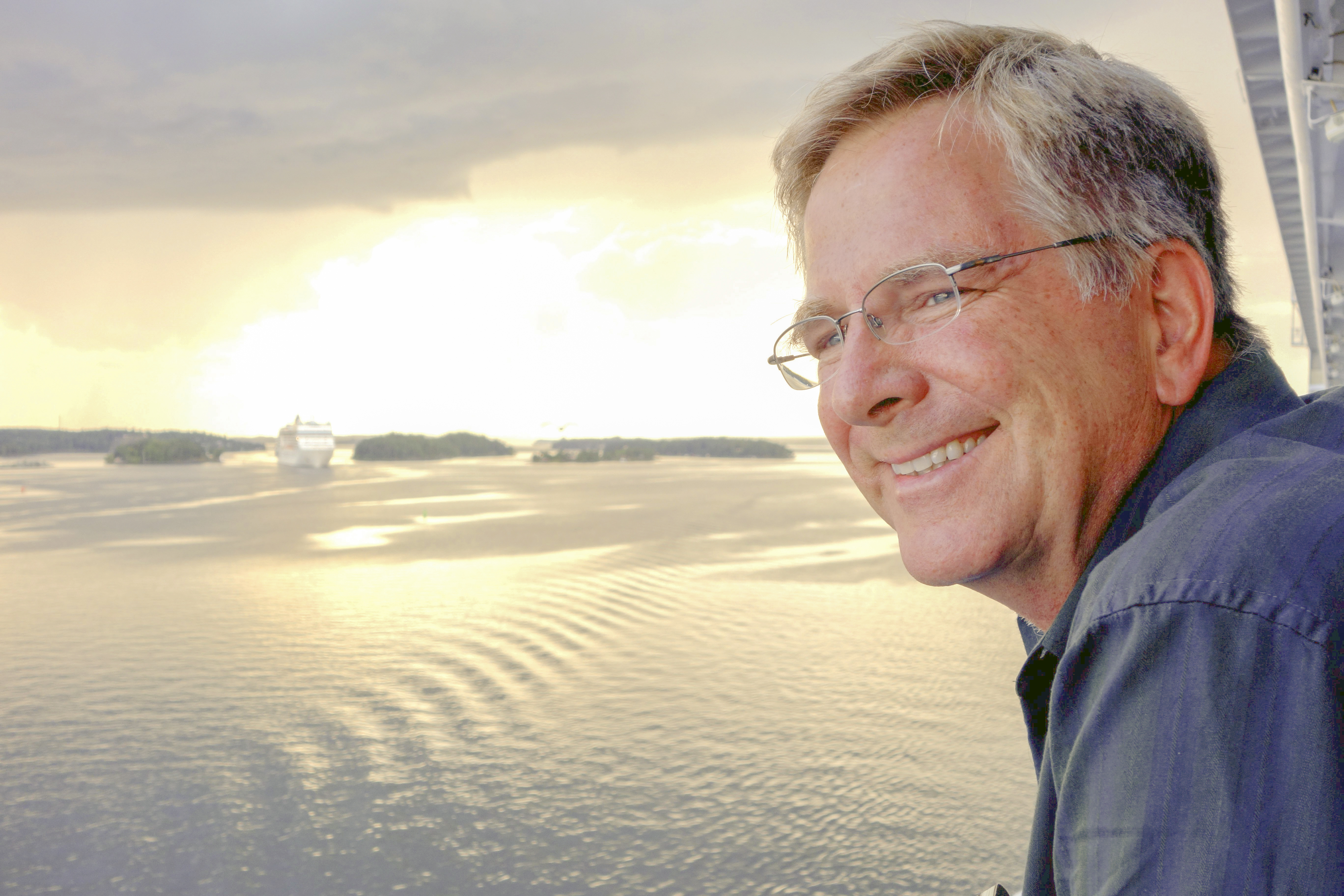
Cruising Stockholm's archipelago.
Download image
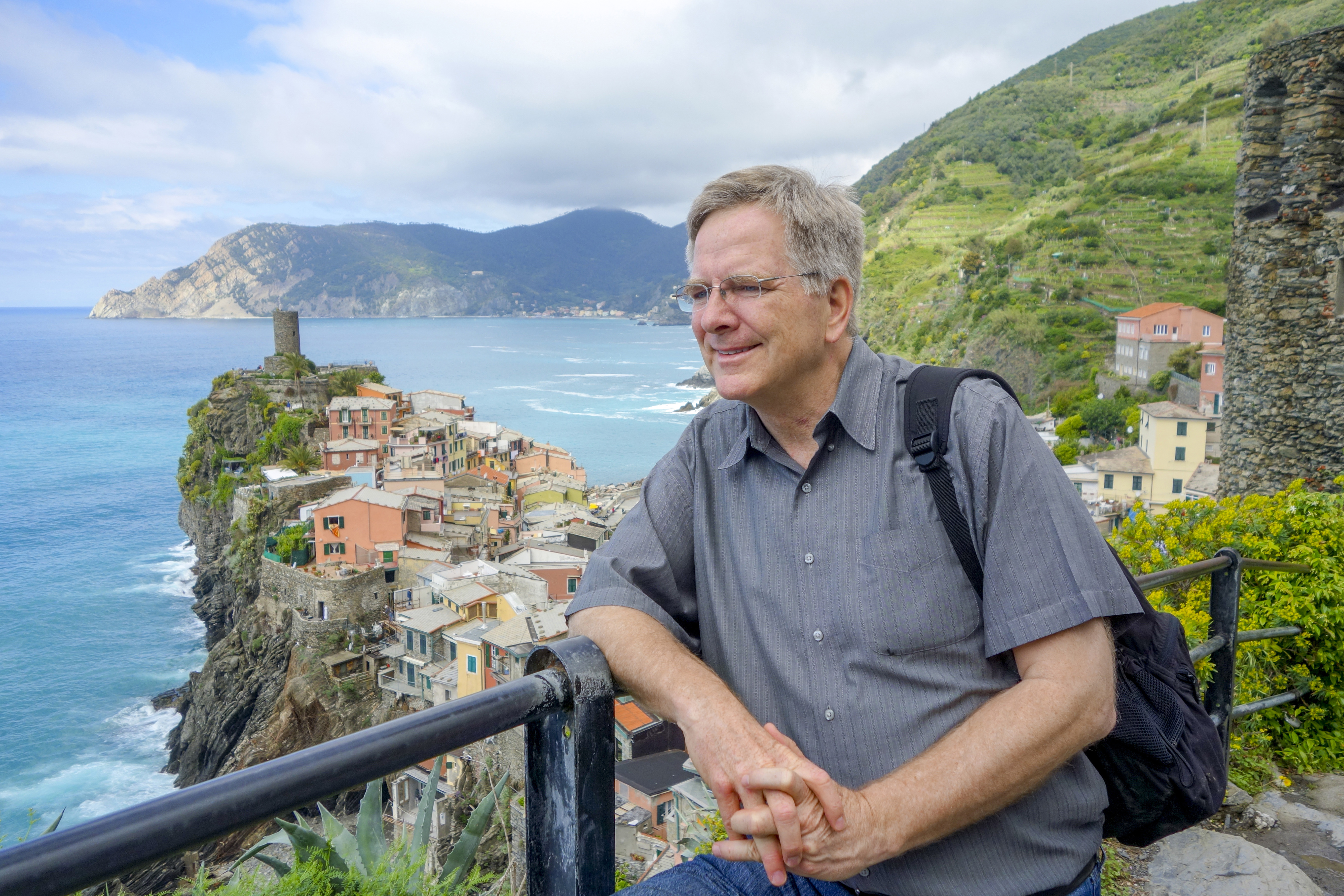
Rick in Vernazza, Italy.
Download image
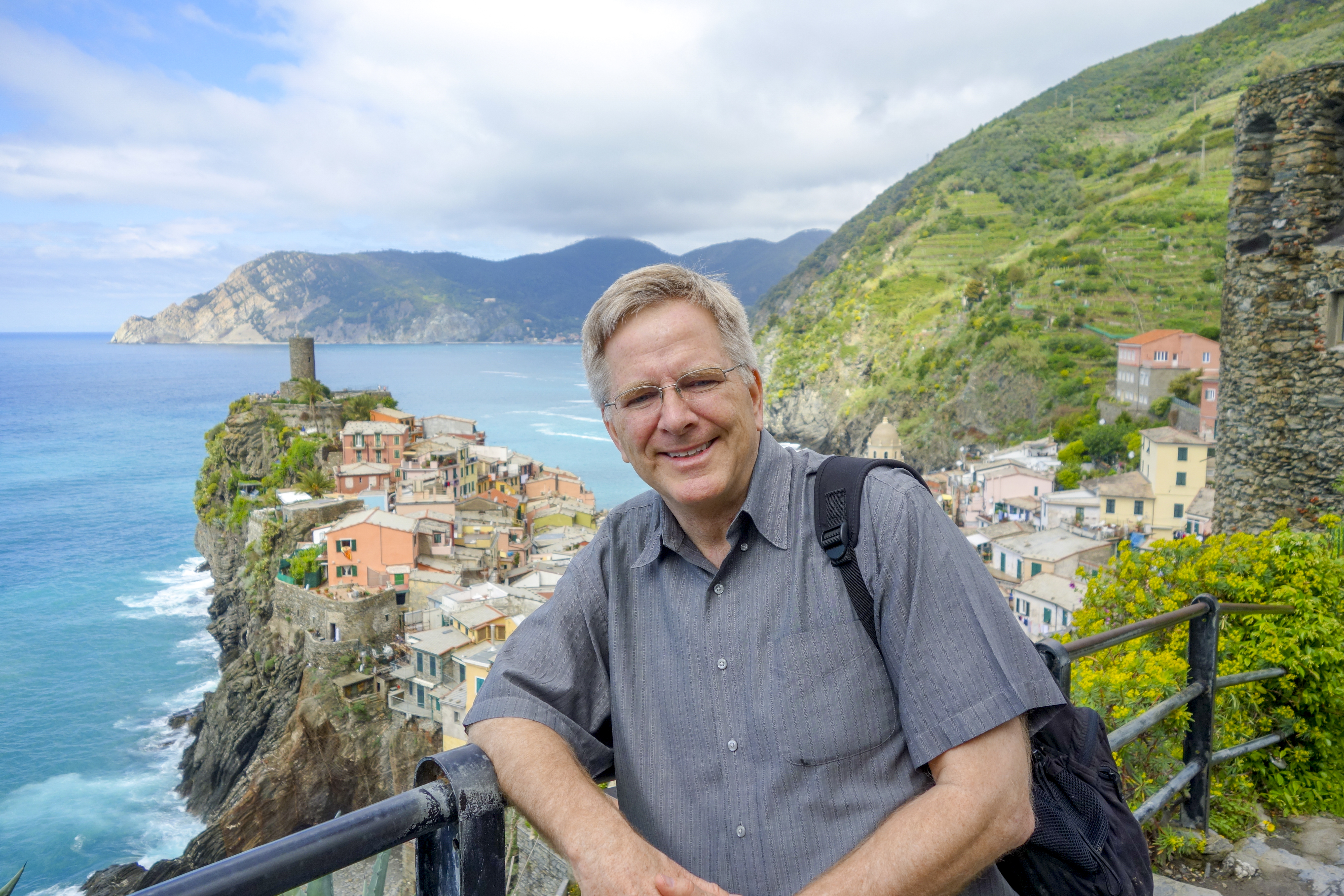
Hiking in Italy's Cinque Terre.
Download image
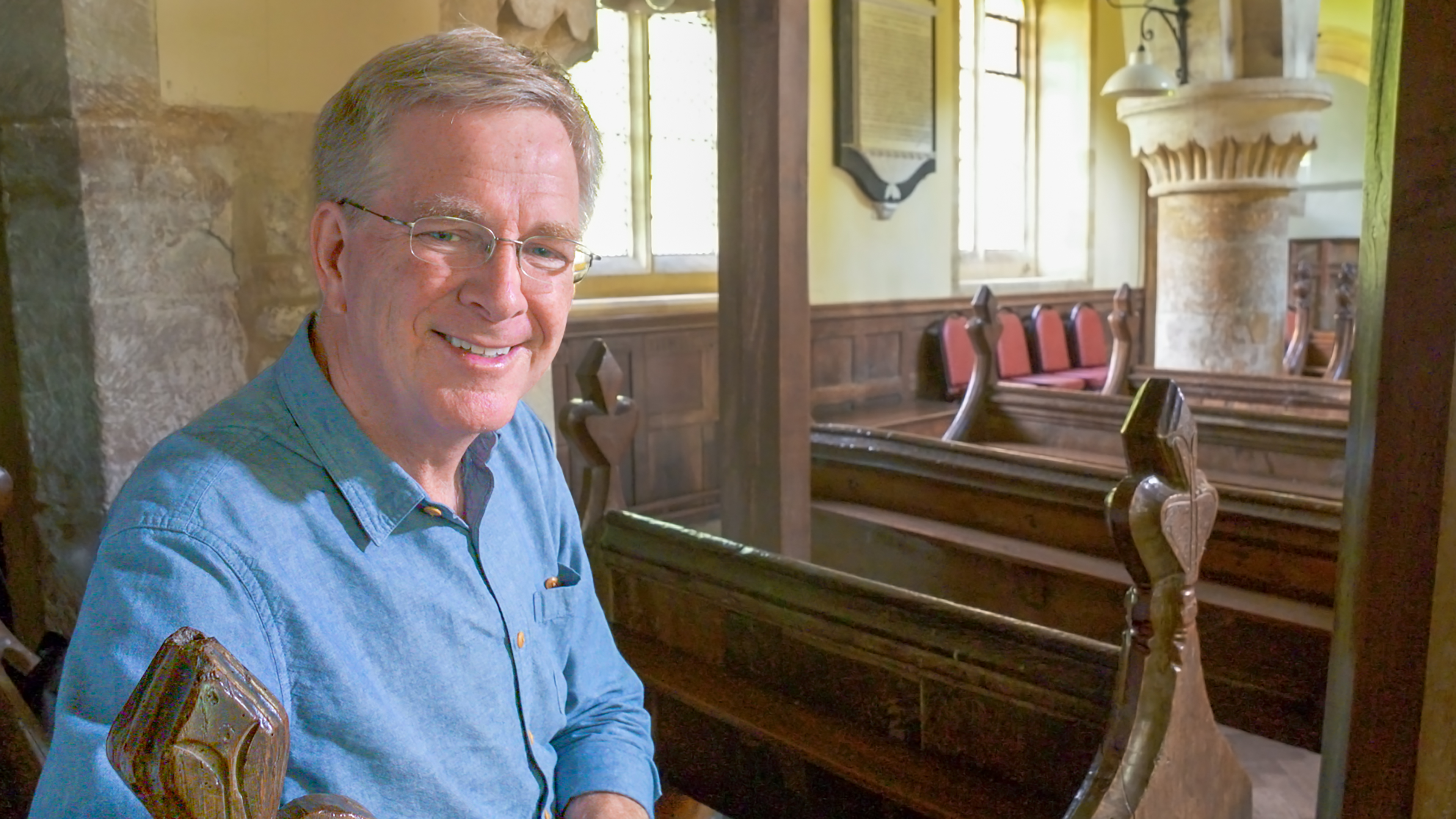
Rick at the early-medieval parish church of Stanton, England.
Download image
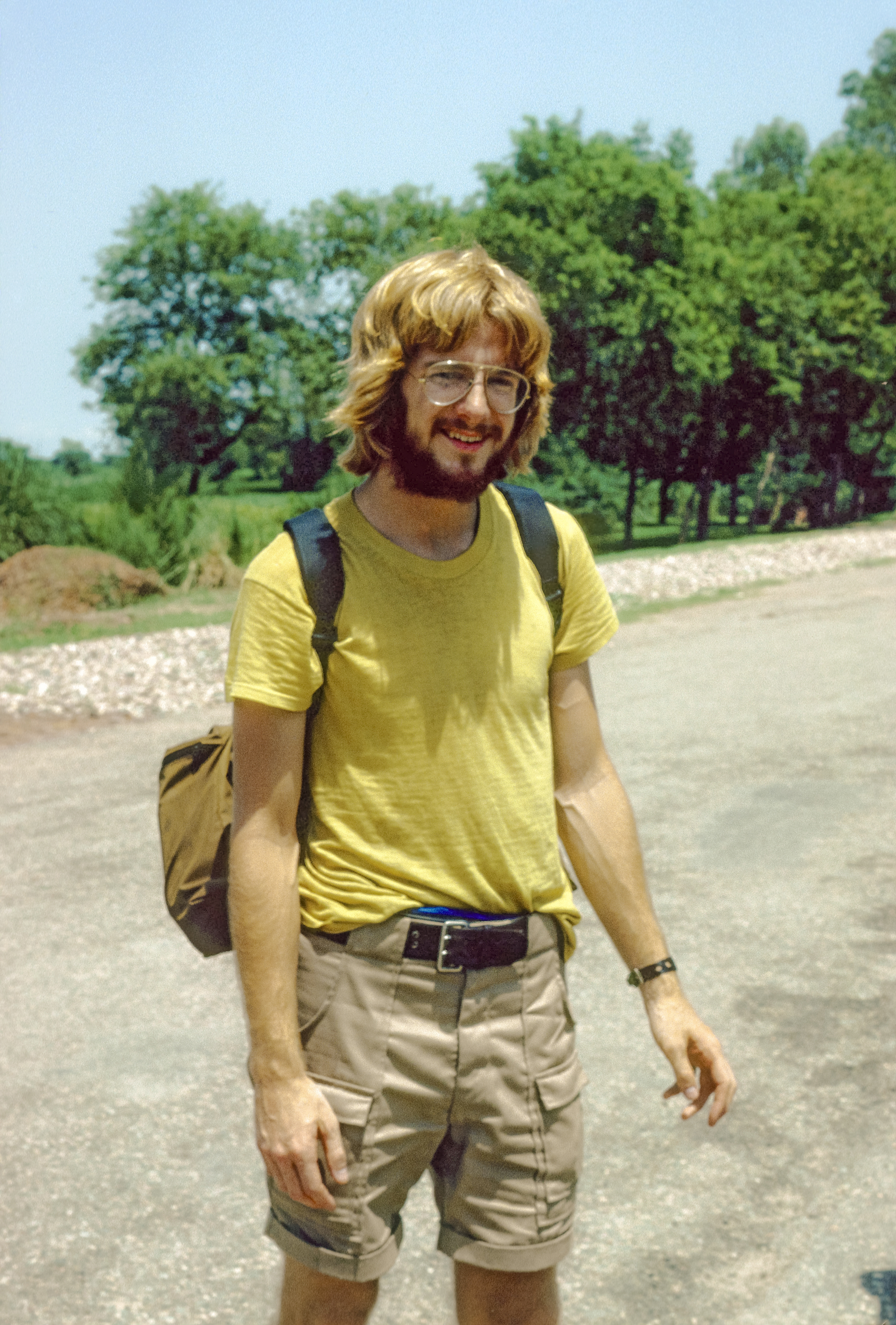
Rick in Asia in 1978. (vertical)
Download image

Rick Steves, New York Times Magazine. (vertical)
Download image
Photo by Zachary Scott
Rick Steves, New York Times Magazine. (vertical)
Download image
Photo by Zachary Scott
Rick Steves, New York Times Magazine. (vertical)
Download image
Photo by Zachary Scott
Rick Steves, New York Times Magazine. (vertical)
Download image
Photo by Zachary Scott

Rick Steves, New York Times Magazine. (vertical)
Download image
Photo by Zachary Scott
Interview Rick
If you'd like to interview Rick Steves, please email [email protected]. Here are some possible story angles:
Story Angles
Ugly American Sentiment Abroad
Recently, much has been written about Americans being chastised or targeted in Europe because of the United States' foreign policy. Rick believes that although most Europeans take issue with US foreign policy, they feel differently about the American people. The following information, excerpted from Europe Through the Back Door, demonstrates how Americans can keep these "ugly" stereotypes just that.
Safe Travel
Many Americans are nervous about traveling now more than ever. And while the concern is natural, you're safer going to Europe than getting behind the wheel of your car.
Rick's Business
Rick Steves offers a tremendous amount of free travel information through his bi-annual travel newsletter, European travel classes, and his 3,000+ page website. The different components of Rick's business — his tours, travel store, television and radio productions, and guidebooks — feed off each other to create overall brand awareness. Furthermore, his business (Rick Steves' Europe, Inc.) has grown from a one-man operation to a thriving 100-employee office, and it sells more tours to Europe than ever before. Rick is the author of over 60 guidebooks, and his guidebook to Italy is the bestselling guidebook to any foreign destination in the United States.
Rick Supports Public Radio and Television
Rick raises millions of dollars annually for public radio and television. At a time when public radio and television stations are struggling financially, Rick enthusiastically raises money for public broadcasting.
Rick's Travel Philosophy
Travel is freedom...one of the last great sources of legal adventure. Travel is intensified living, with maximum thrills per minute. It's recess, and we need it. Experiencing the real Europe requires catching it by surprise. Check out Rick's travel philosophy.
Rick's Social Activism
Rick believes that travel is more a vital force for peace than ever. He believes the most effective way individual Americans can contribute to our "Homeland Security" is to travel a lot, learn about the world, come home, and help the United States fit better into this ever-smaller planet. He also believes that America's current stand on world trade and the environment is in the world minority, and that the world's well-being depends on travel so we can understand other countries' policies on these issues. Learn more about Rick's social activism.
In the News
Get to Know Rick
New York Times Magazine
Rick Steves Wants to Save the World, One Vacation at a Time
The New Yorker
Rick Steves Says Hold on to Your Travel Dreams
World Café
Rick Steves Takes Us on a Musical Tour of Europe
Rick's Business
How I Built This
Rick Steves' Europe: Rick Steves
KING-5
Travel Expert Rick Steves Keeps Edmonds Staff Employed With Assignments to Help the Community
TEDxSeattle
Leading a Business on the Ethical High Road for the Long Haul
Travel as a Political Act
The Better Travel Podcast
Rick Steves on Traveling as a Political Act
The Wall Street Journal
Rick Steves's Plan for a Better World: More Travel
NPR
Rick Steves Gets Uncomfortable in 'Travel as a Political Act'
Climate Smart Commitment
CBS News
Travel Company Self-Imposes $1 Million Carbon Tax to Offset Climate Impact
USA Today
Travel Writer Rick Steves Explains Self-Imposed $1M Carbon Tax, Where that Money Is Going
The Seattle Times
In Your Travels and at Home, Channel Climate-Change Anxiety into Action
Drug Policy Reform
CNN
Rick Steves: Pot Is Now Used by Mom and Dad. And Grandma's Rubbing it on Her Elbows
Eugene Weekly
Rick Steves and Weed? The Famous Travel Writer and Speaker Brings a 'European Sensibility' to Advocating for Marijuana Legalization in the U.S.
Rolling Stone
Mr. Steves Goes to Washington – to Talk Drug Policy
Rick Steves Art of Europe
Forbes
New 'Rick Steves' Europe' Series Spotlights Continent's Art and Architecture
The Better Travel Podcast
Rick Steves Wants to Turn You on to European Art
Cincinnati Edition
We Talk with Rick Steves About Exploringt the Art of Europe