

-
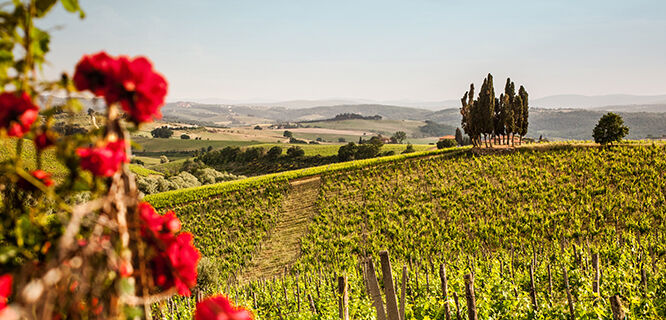
Chianti countryside
Tuscany
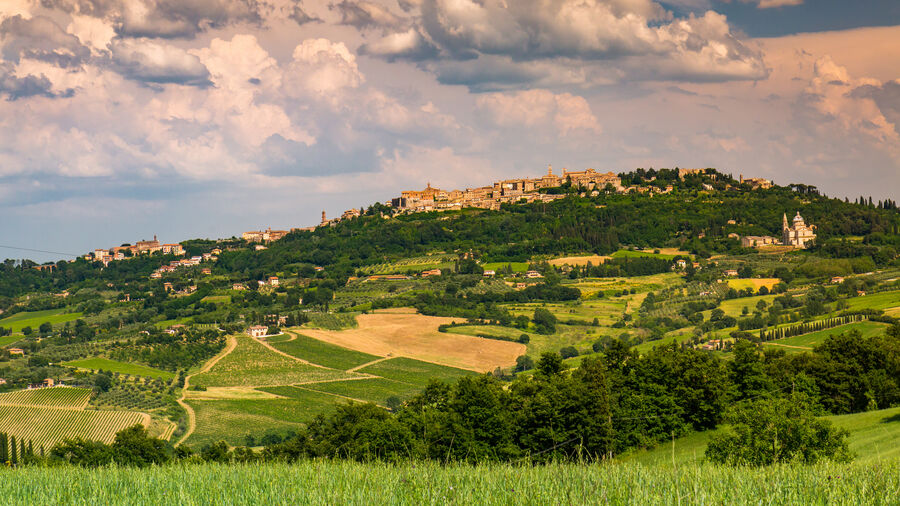
With its manicured fields, rustic farms, cypress-lined driveways, and towns clinging to nearly every hill, Tuscany is our romantic image of village Italy. Venture beyond the fringes of Florence and you'll find a series of sun- and wine-soaked villages, each with its own appeal. Stretching from the Umbrian border to the Ligurian Sea, the landscape changes from pastoral (Crete Senesi) to rocky (Chianti) to mountainous (the Montagnola) to flat and brushed with sea breezes (Pisa).
Places
At a Glance
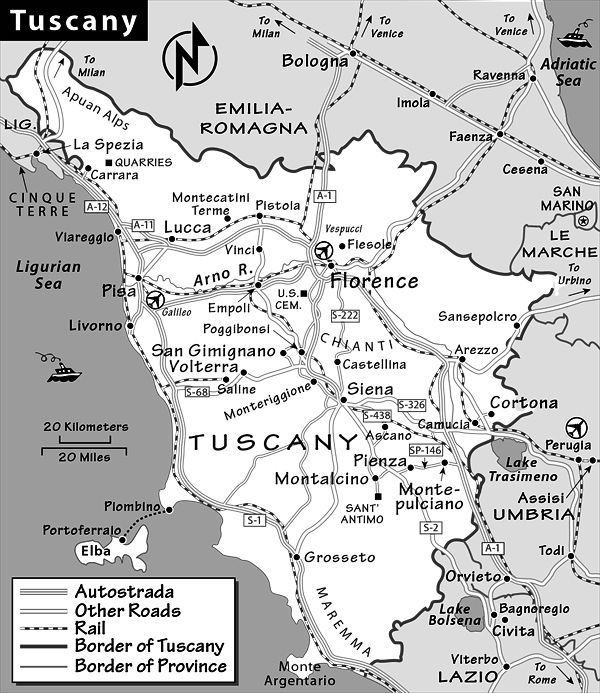
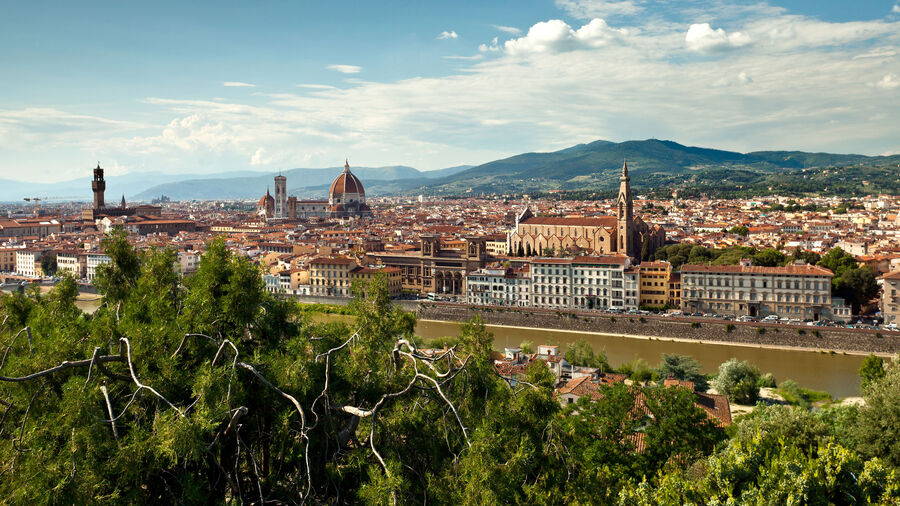
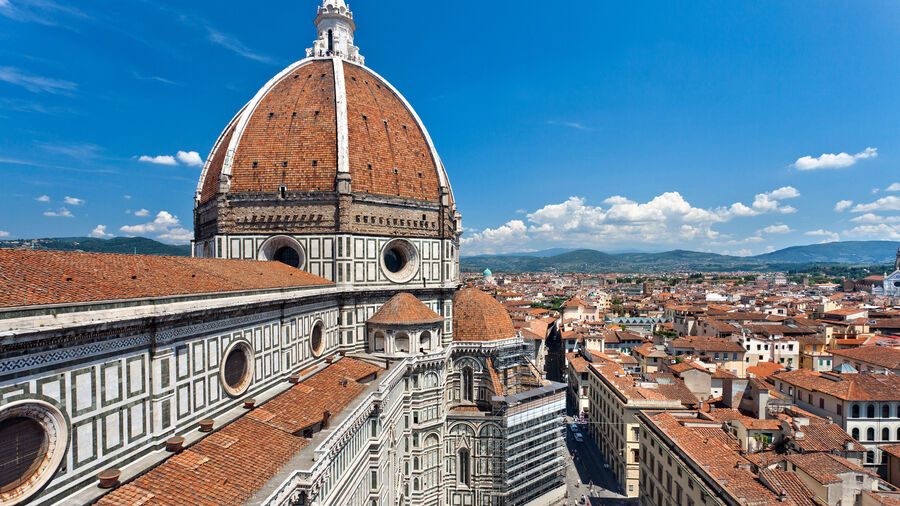
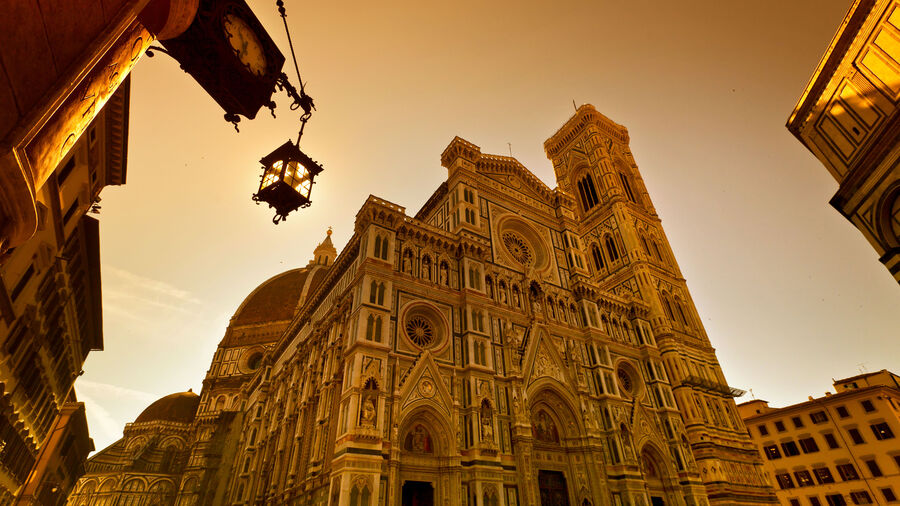
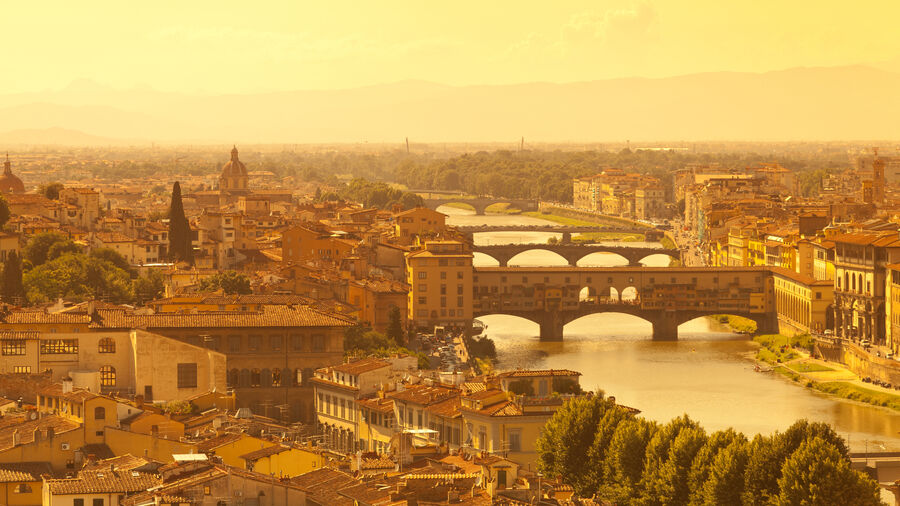
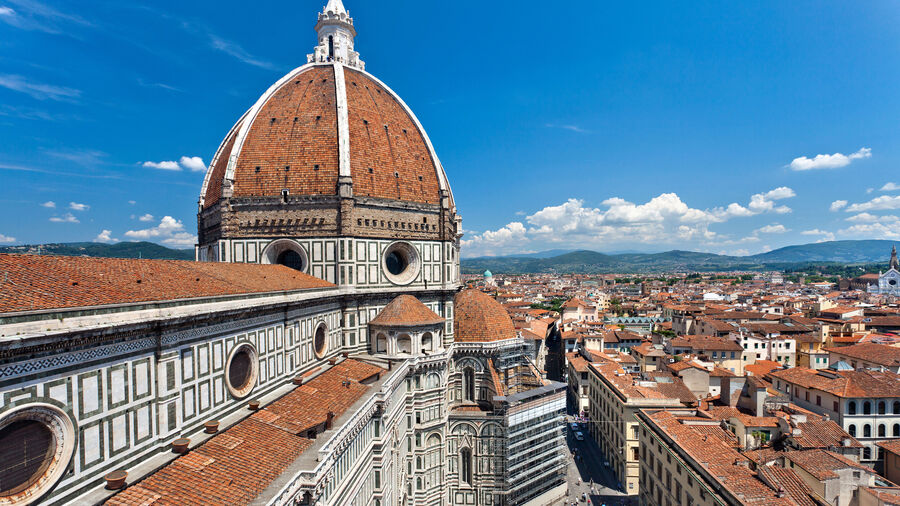
▲▲▲ Florence Art-packed, bustling city — starring Michelangelo's David, Renaissance paintings, and Brunelleschi's dome — with Ponte Vecchio spanning the flood-prone Arno River.
▲▲▲ Siena Red-brick hilltop city known for its medieval pageantry, Palio horse race, proud spirit, and stunning traffic-free main square — great anytime but best after dark. Also a fine jumping-off point for exploring the Tuscan countryside with a driving tour of the Crete Senesi region.
▲▲ Pisa City more famous for its iconic Leaning Tower than for its other equally impressive monuments on the gleaming Field of Miracles, and with an old town that's fun to wander and delightfully tourist-free.
▲▲ Lucca Charming town with a lively (and flat) center full of pleasant cafés and shops, ringed by intact Renaissance walls wide enough for biking and strolling.
▲▲ Volterra Authentic, walled hill town just far enough off the beaten path, with a long Etruscan heritage that makes for unusually interesting sightseeing for such a small town.
▲▲ Montepulciano Rugged town crowning a ridge, with dreamy vistas of the countryside and wine-tasting in inviting cantinas; makes a good home base for drivers.
▲ San Gimignano Epitome of a hill town, spiked with 14 medieval towers offering superb views; popular with tourists who crowd the narrow alleys by day and an evocative delight by night.
▲ Montalcino Wine-lovers' paradise boasting a dramatic 14th-century castle, encircled by olive groves and famous vineyards (and a manageable home base for nondrivers).
▲ Pienza Pint-sized Renaissance-planned architectural gem of a town nestled in a scenic hilly landscape.
▲ Cortona Hillside town basking under the Tuscan sun, with historic churches and museums featuring Etruscan and Renaissance artifacts and art; easy stop for drivers heading to or from neighboring Umbria.
Plan
- When to Go to Tuscany
- Tuscany: Recommended Itinerary
- Florence: Recommended Itinerary
- Making Museum Reservations in Florence
- Italy: Recommended Itinerary
- Upcoming Holidays and Festivals in Italy
- Guidebook Updates for Italy
- Italy Rail Passes and Train Tips
- Florence & Tuscany: Recommended Books and Movies
Photos
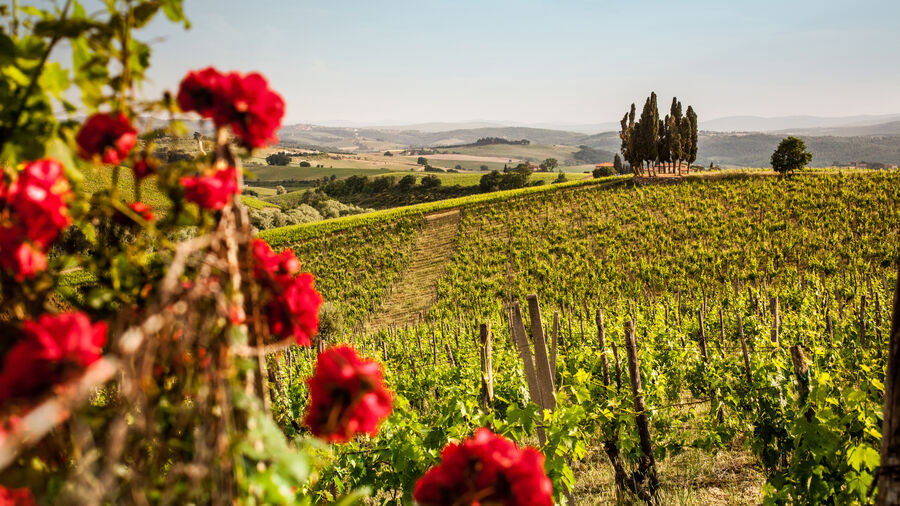
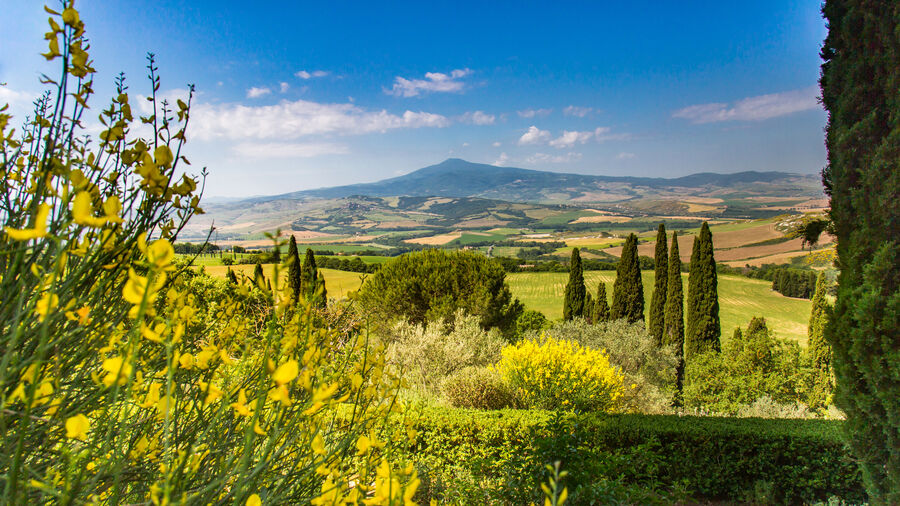

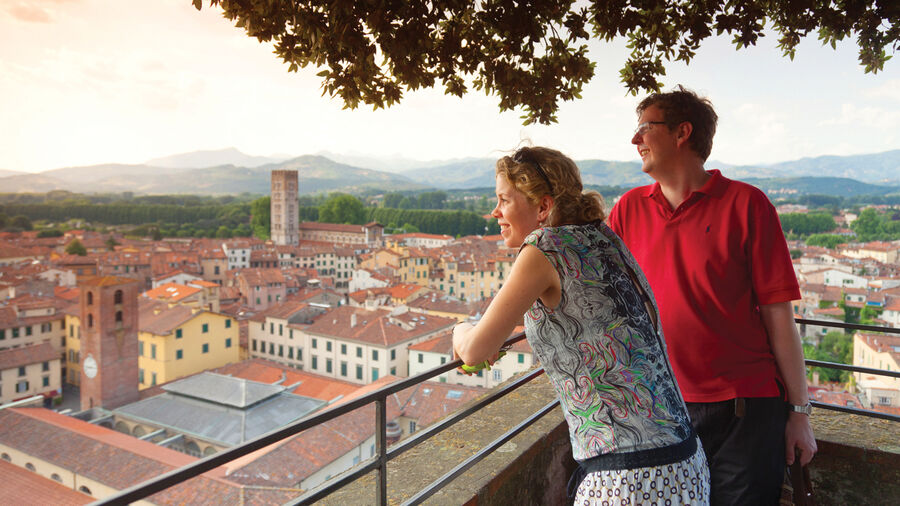

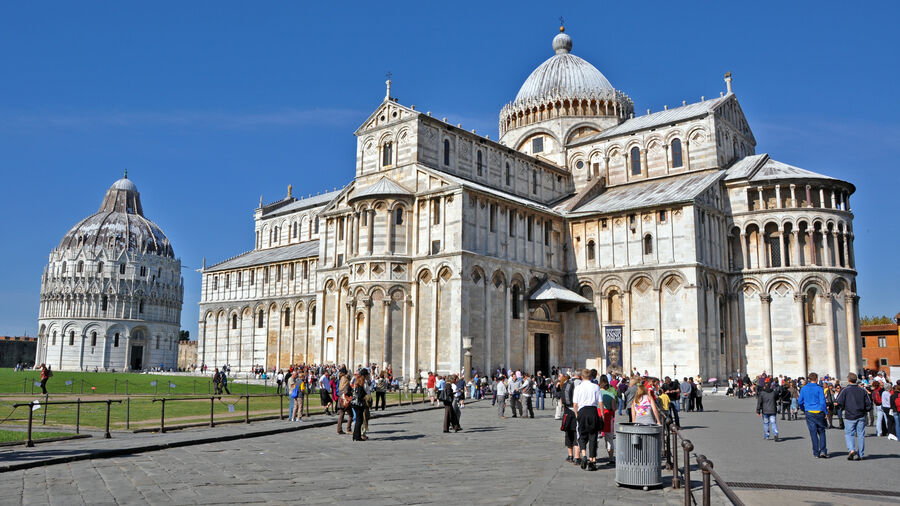
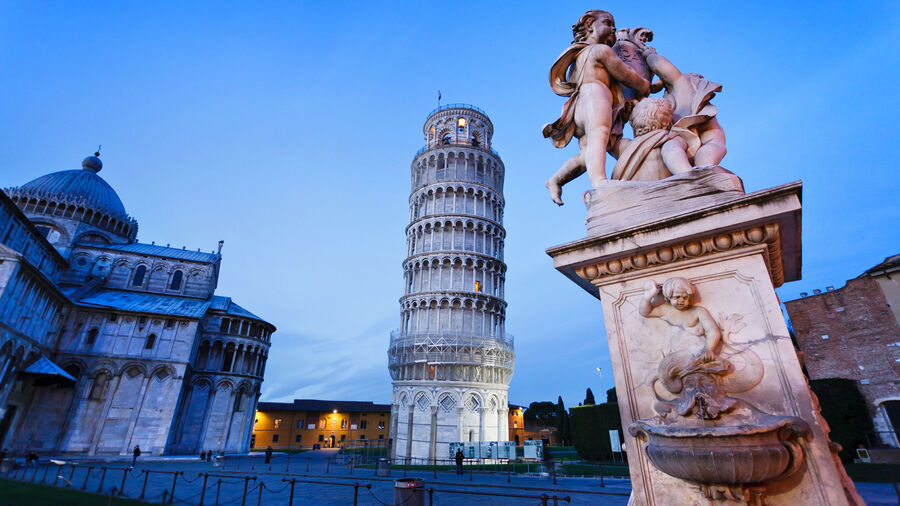
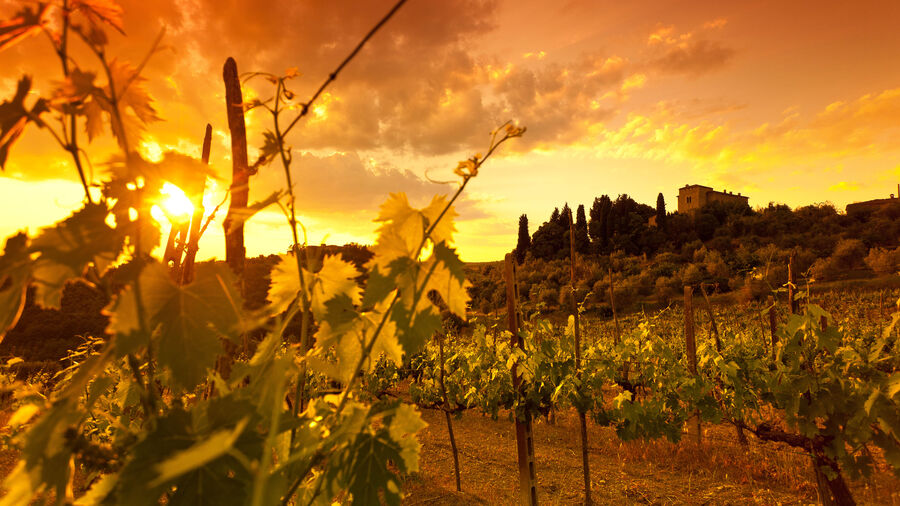
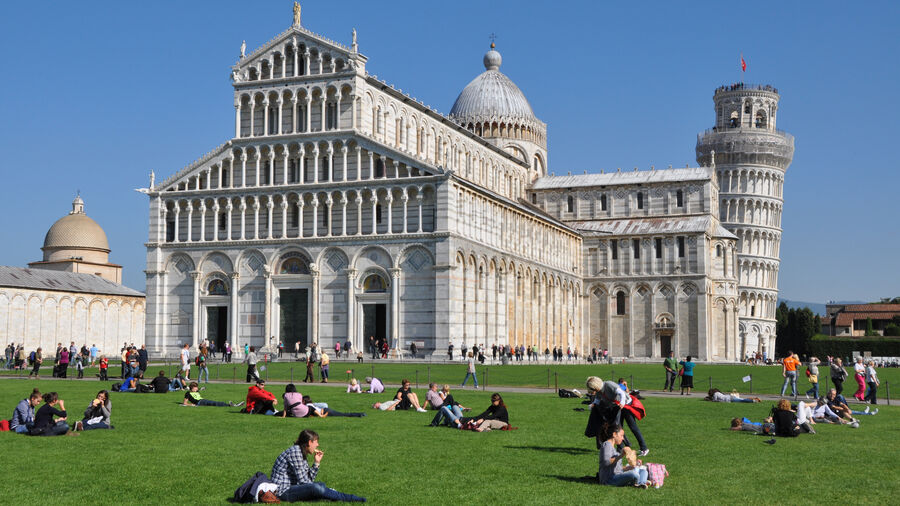

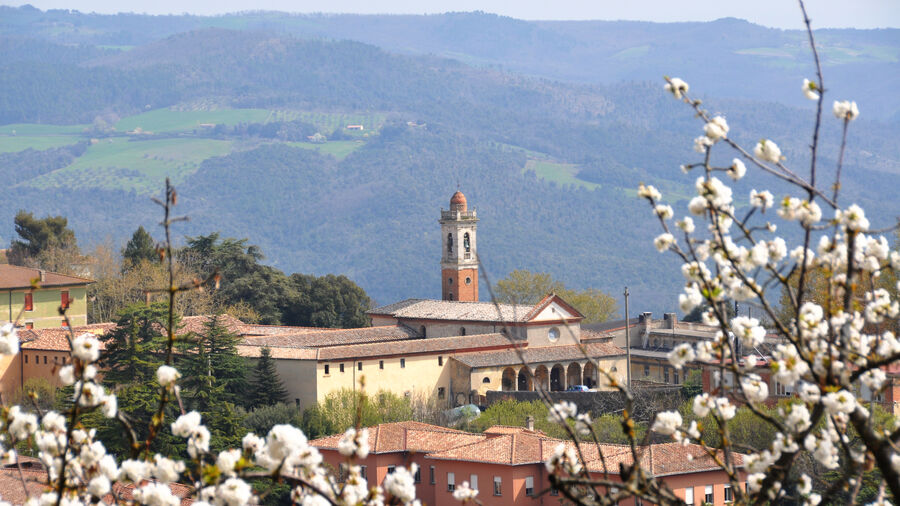

Watch
- Assisi and Italian Country Charm (episode)
- Beautifully Preserved Lucca (clip)
- Florence: Heart of the Renaissance (episode)
- Florence’s Uffizi Gallery (clip)
- Florentine Delights and Tuscan Side-Trips (episode)
- From Farm to Table in Tuscany (clip)
- Italy’s Great Hill Towns (episode)
- Renaissance Art and Architecture in Florence (clip)
- Siena and Tuscany’s Wine Country (episode)
- Strolling Through Volterra, Italy (clip)
- Travel Talks: Hill Towns of Tuscany & Umbria
- Tuscany’s Dolce Vita (episode)
- Volterra: Etruscan Haven (clip)
Read
- Bella Tuscany: ‘Here Begins Prosciutto’
- Rural Italy’s Enduring Easter Traditions
- Tuning In to Tasty Italy
- Florence: The Cultural Capital of Europe
- Florence for Foodies
- Florence’s Accademia: The Temple of David
- Impressions of Italy
- Street Finds in Florence
- Swatting Wasps in Florence
- Italy Connoisseurs Choose Leisurely Lucca
- Lean In to Pisa
- Siena: Italy’s Medieval Heart and Soul
- Siena’s Palio: 500 Years of History in 90 Seconds
- Agriturismi: Italy’s Countryside Escapes
- Tuscany for Beginners
- Tuscany’s Heavenly Wines
- Tuscany’s Powerful, Towerful San Gimignano
- Volterra: Tuscany’s Top Hill Town
- Volterra and San Gimignano: Two Sides of Northern Tuscany
Tuscany
Florence
Lucca
Pisa
Siena
Tuscan Hill Towns
Listen
- Convent Inns of Italy (12:08)
- Cortona: Tuscan Sun (17:58)
- Ferenc Máté in Tuscany (35:10)
- Flavors of Florence (18:38)
- Frances Mayes' Tuscany (42:19)
- Italian Cuisine Culture I (47:12)
- Italy: North vs. South I (48:19)
- Italy: North vs. South II (31:23)
- Michelangelo in Florence (19:02)
- Pleasures of Italian Cuisine (11:50)
- Saints of Italy (12:06)
- Salman Rushdie's Florence (29:50)
- Seasons of Italy: Fred Plotkin (30:51)
- See You in the Piazza (30:04)
- The Perfect Tuscan Picnic (33:37)
- Tuscany and Umbria (33:38)
- Tuscany Versus Umbria (35:20)
- Villages of Tuscany (29:10)
Tuscany Audio Tours
- Accademia & Michelangelo's David Tour
Listen or Download | Download map - Renaissance Walk
Listen or Download | Download map - Uffizi Gallery Tour
Listen or Download | Download map