Home > Plan Your Trip > Italy

Venetian Voices

By Rick Steves

My train car gives a rude lurch, telling me its already tired of this station, ready for something new. I rub my eyes. After weeks of living in my "research rhythm" I'm energized, but ready for a change, too. It's time to pack my notes away, and shift my focus from places to people. And I know just the place to do it.

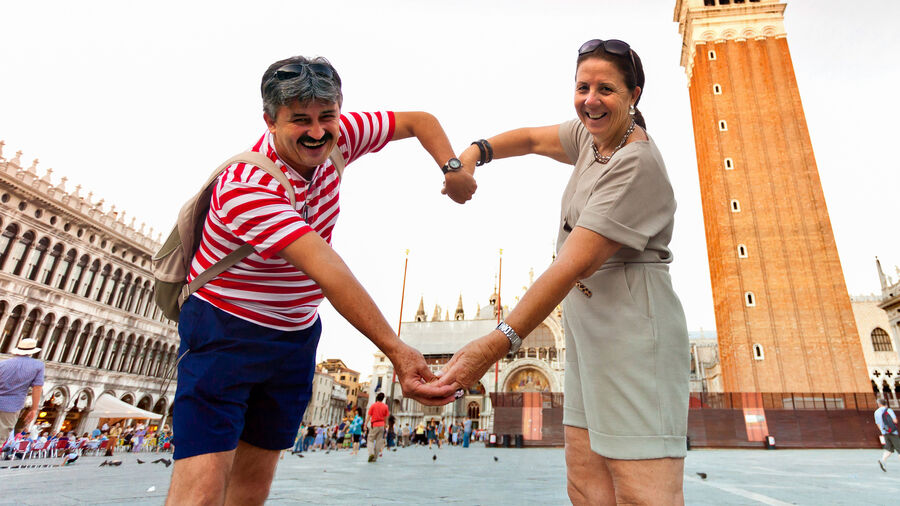
Shades of Cassanova: Venice is a fun place to shift your travel focus, from places to ... people.
Shades of Casanova: Venice is a fun place to shift your travel focus, from places to...people.

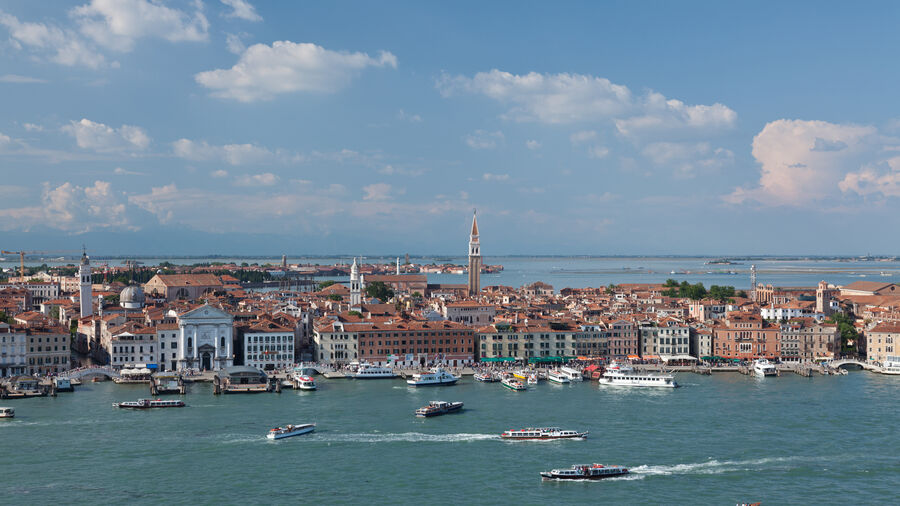
Suddenly there's water on both sides of my train. I lean out the train window in anticipation of what's ahead, and take a deep whiff of tangy lagoon air. I never miss this approach to Venice. The mucky, marshy, last bits of the Italian mainland give way to the island's umbilical causeway: train tracks and a highway. The huge industrial center just to the south waves a real world farewell. Ahead in the hazy distance, tilting bell towers wink their welcome.

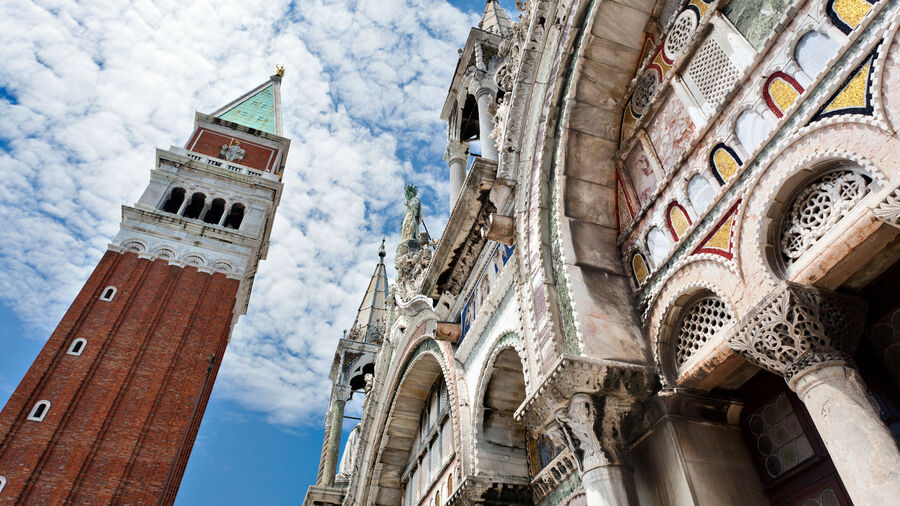
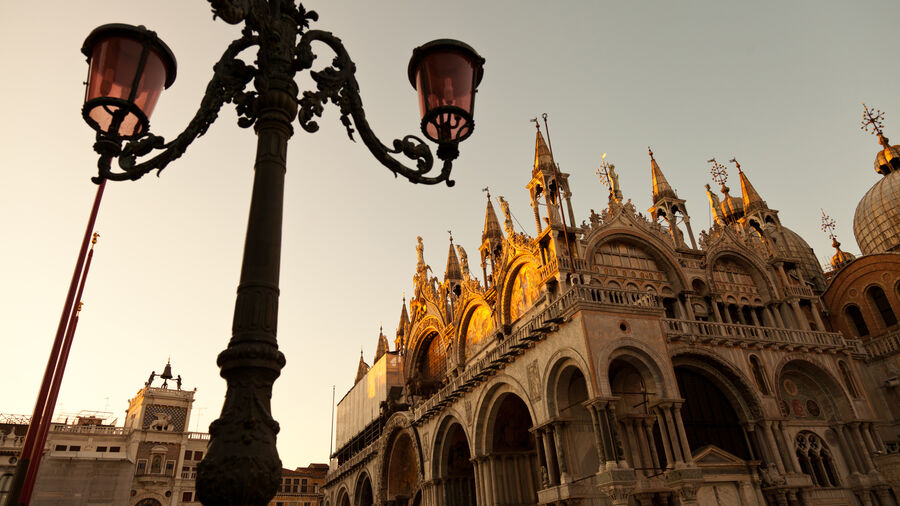
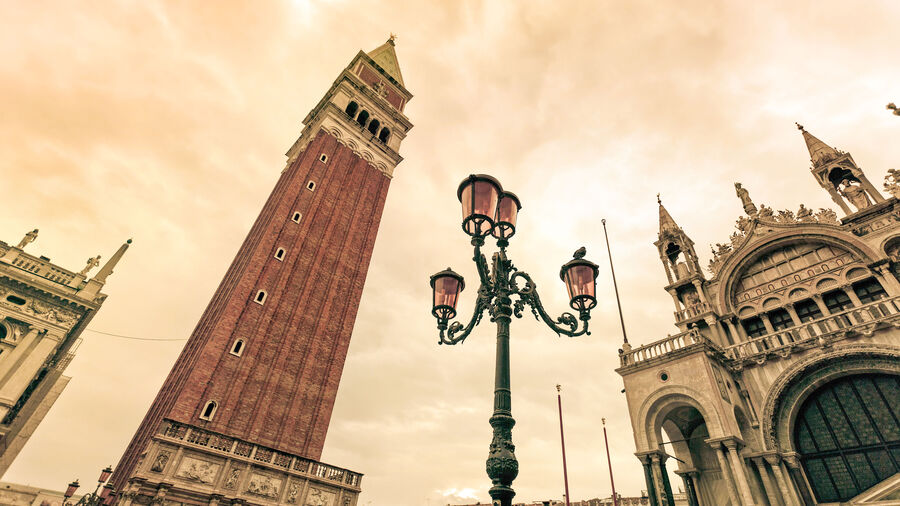
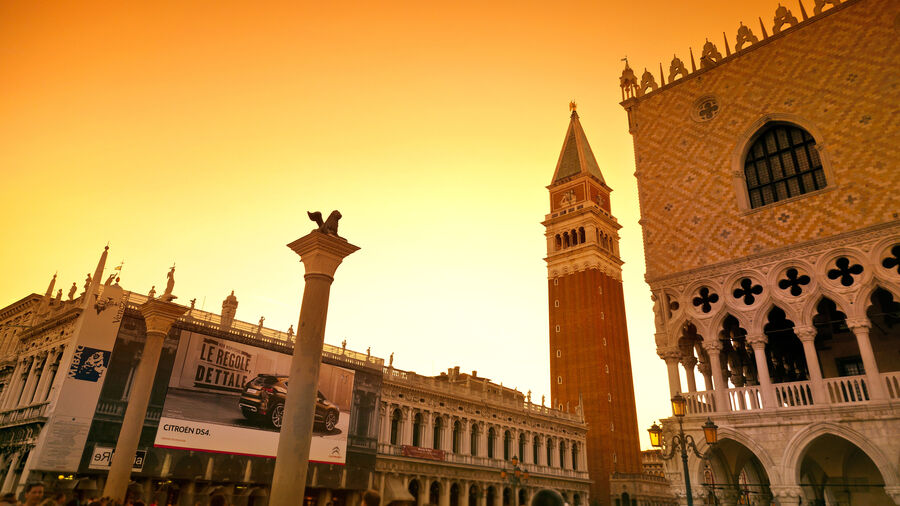
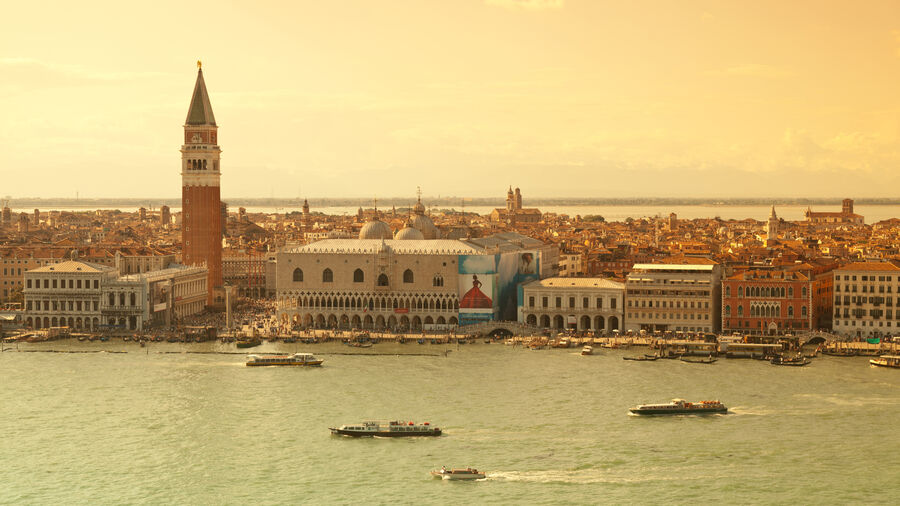
St. Mark's distinctive bell tower, the city's grandest, is on the opposite side of the island. But even from the train, it seems close by. This is a small town on a small island. The morning sun sprinkles diamonds on the Adriatic, promising visitors they're in for a rich experience. Organizing my luggage, I stow the sweater I needed daily in Germany. We're in Italy — half past eight and it's already hot.

Bold, plain, and white, the Venice train station stands like a fascist bulldog facing the fanciful Grand Canal. The station's broad steps are still lazy with backpackers who called it home for the night.

As I survey the vagabonds, I grow nostalgic for the days when I traveled simply for fun. As a piano teacher, I'd learned the futility of trying to get students to practice from June to September. Summering in Europe made more sense. Now my travel experiences are a business expense: the research and development program that fuels my business. Frustrated with my need to always be productive, it hits me that when you let your time become money, you cheapen your life.

One measure of a culture is its treatment of time. In the United States time is money: We save it, spend it, invest it, and waste it. Not so in traditional Italy. Here life is rich and savored slowly. In Italy — like in India — time is more like chewing gum. You munch on it and play with it...as if it will be there forever.

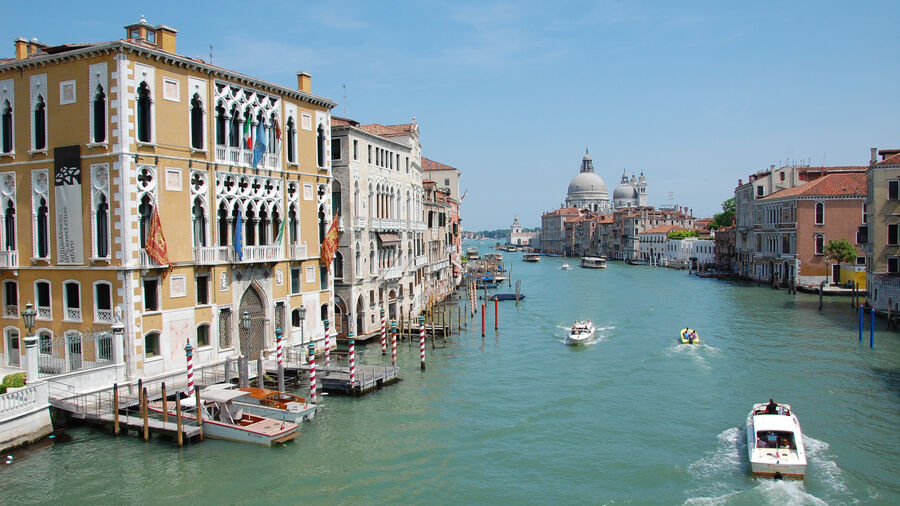
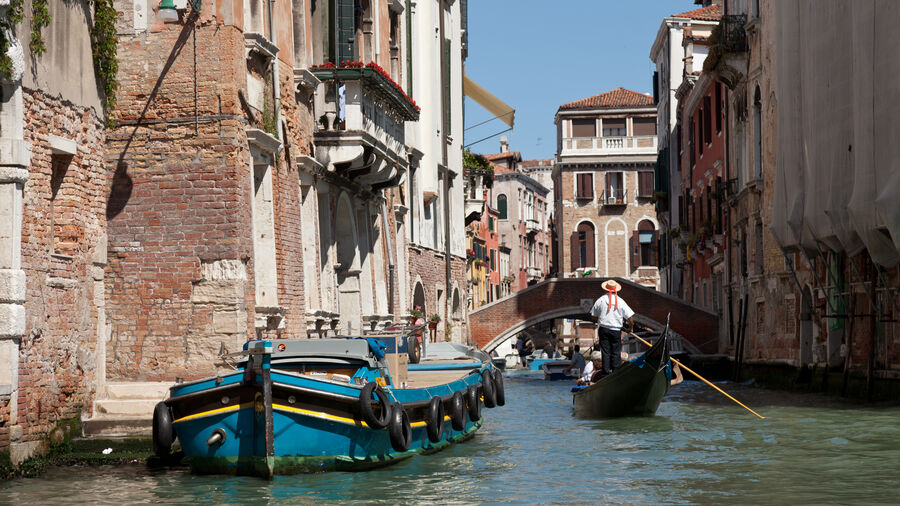
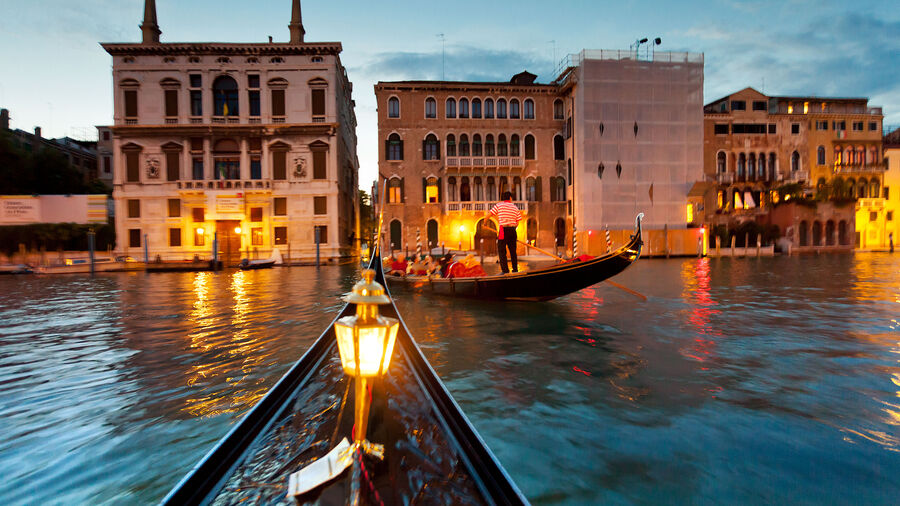
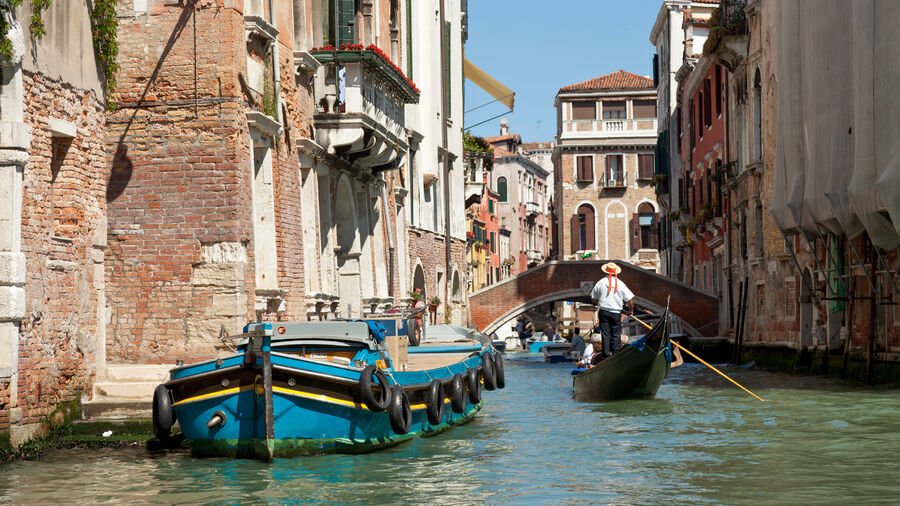
For new arrivals to Venice, the steps of the train station provide a starting block from which to dive into a different world. A hardworking vaporetto — one of the big floating buses that serve as public transportation on Venice's canals — glides by. I hop on and struggle past clots of Italians deep in conversation, gesturing intensely into the stylish black of each other's sunglasses. Gradually, I make my way to the front of the boat. My ritual entry into Europe's best preserved city is from the front seat of a vaporetto. I wind down the Grand Canal, from the train station through the heart of town, to the center at Piazza San Marco. Somewhere along the way I stand up, just to hear the captain yell, "Sit down!" It's great to be in Italy.

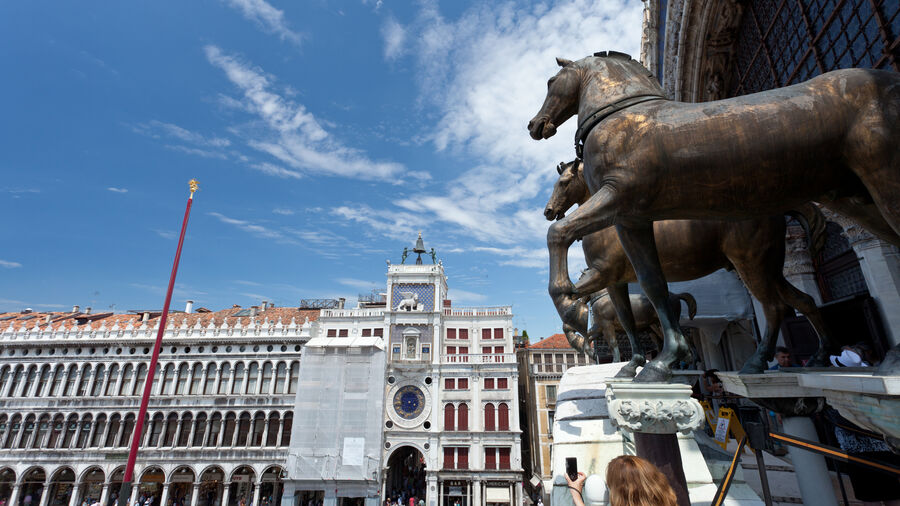
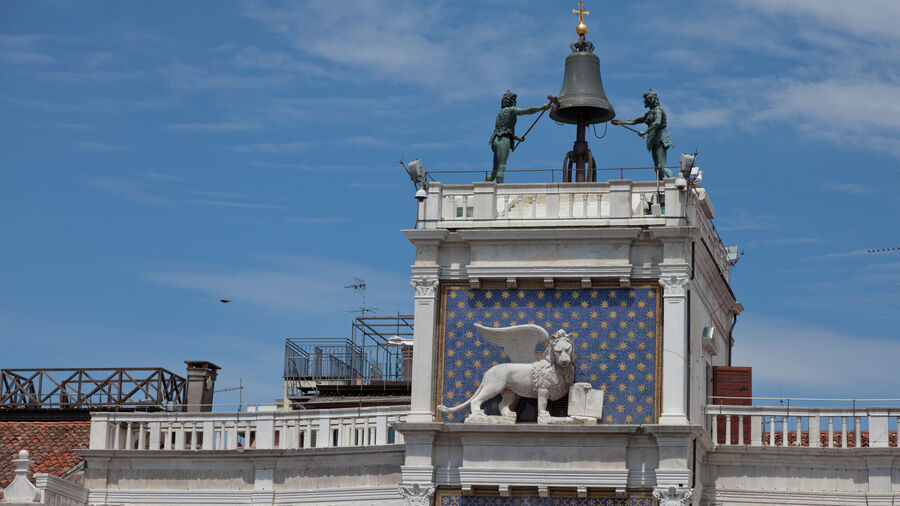
This boat ride settles me into Venetian time. Clock towers, which chime lazily somewhere near the top of each hour, set the pace. The best way to become lonely in Venice is to expect punctuality from your Italian friends. When mine show up late, they shrug and say, "Venetian time." Even the giant fancy clock on the main square — famous as the world's first "digital" clock — has a carved "minute block" that displays time no more accurately than in five-minute chunks.

Maybe a city which has been on the decline for several centuries is in no hurry for a good reason. Venice is expertly run-down. With 300 years of practice and a steadily declining population, it should be.

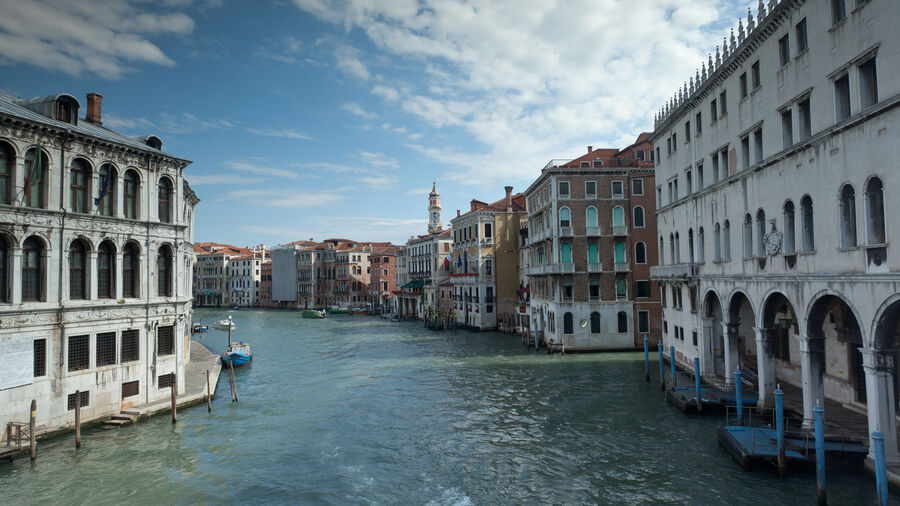
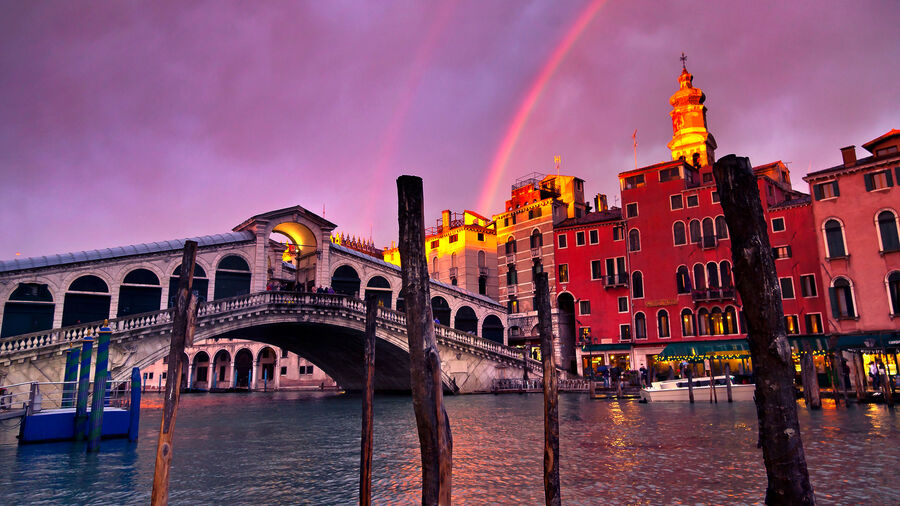
The Grand Canal, choppy with small-time commerce, winds through the heart of town. Its mouth receives the food that fuels Venice. Cars, trucks, buses, and trains unload here. Riding like a hood ornament on the bow of the vaporetto, I snap photos I know I've already taken. Venice — so old and decrepit — always feels new to me.
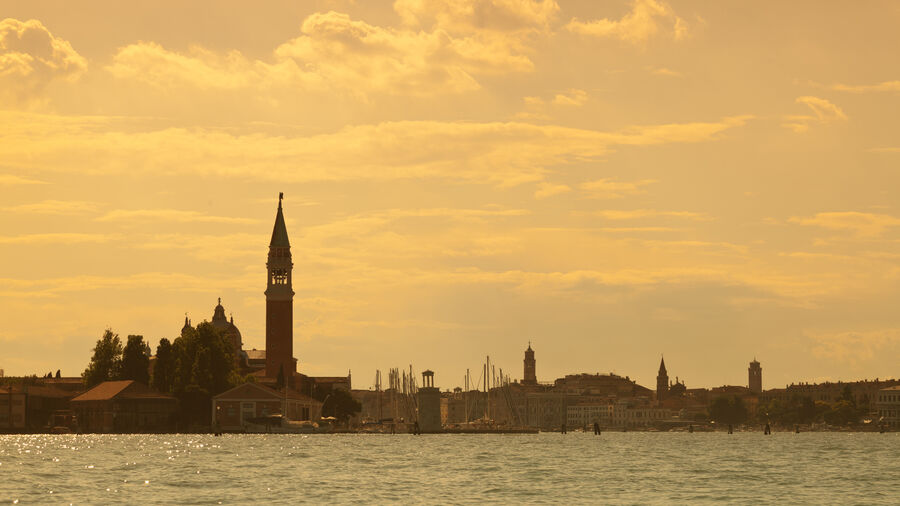
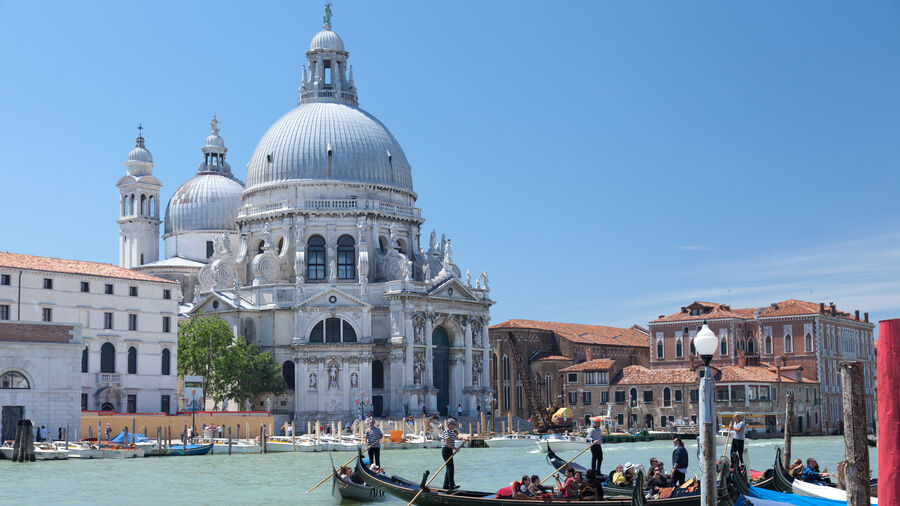
It's rush hour and the canal is a two-way highway, busy with vaporetti gracefully dodging each other. In Venice the hotels are full but the houses are empty. The wind whistles through vacant buildings while the vaporetti ride low — packed mostly with sightseers gawking at this soggy, depopulated commotion of beauty.

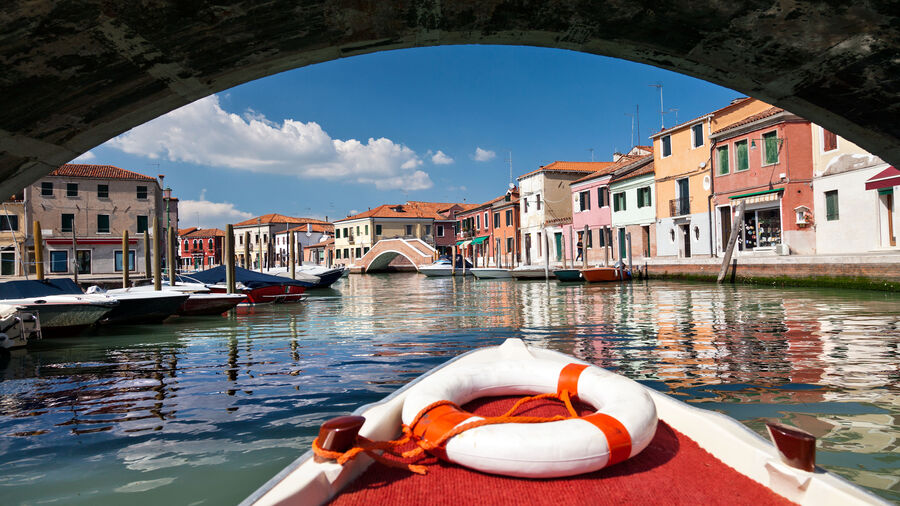
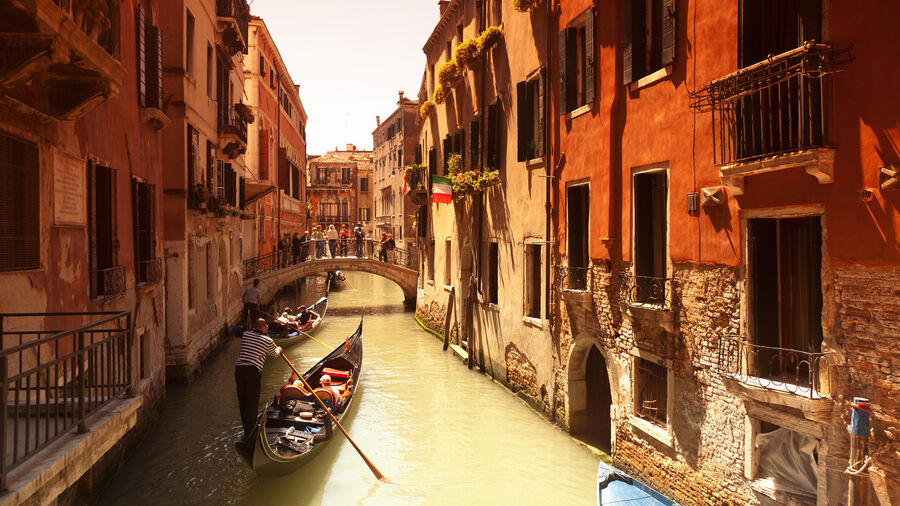
After a thousand years of treehouse-type expansion, buildings here have grown together, turning lanes into tunnels and leaving only rooftops for gardens. The city is like a massive coral reef filled with people and shops that have no memory of their original builders. Exteriors are haphazard: some finely painted stucco, others stucco-crusted red brick with elegant windows cut in. The whole place is rotting — kept together by iron supports and petrifying resin.

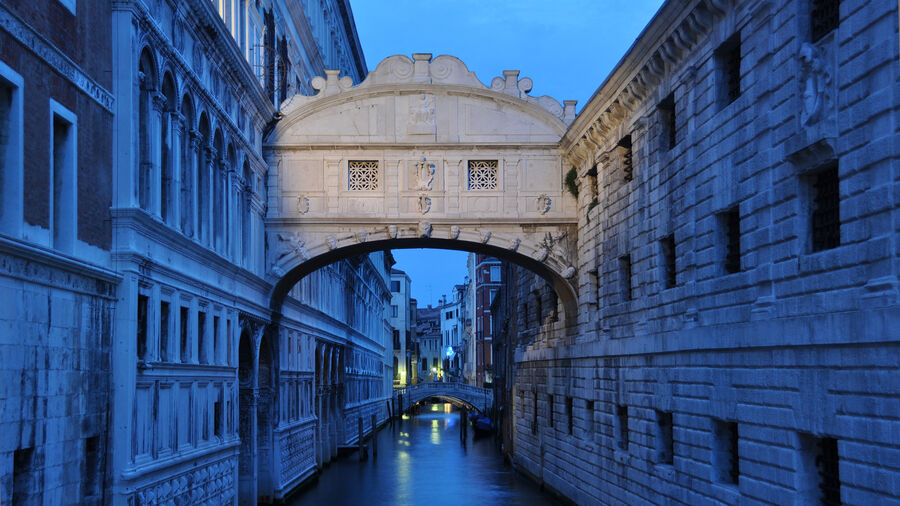
Leaping from boat to dock, I'm a stagehand in the open air theater of Italy. Porters sing happily while wheeling their carts. Cooing pigeons, jostling lanes, inky forgotten canals, ritual cafés, piazza schoolyards — there are pastel views in every direction. All of Venice is a bridge of sighs.

Reaching the big black door of my hotel, I push a bronze lion's nose. This security buzzer brings Piero to the second-floor window. He welcomes me with a "Ciao, Reek!" and buzzes the door open. I climb the steps, eager to settle in.

Piero, who runs the Venetian hotel I call home, shaved his head five years ago. His girlfriend wanted him to look like Michael Jordan. With his operatic voice, he reminds me more of Yul Brynner. Though not a performer, he says, "My voice is guilty of my love for opera."

Proud of the improvements in his place since my last visit, Piero shows me around. While remodeling the hotel, he discovered seventeenth-century frescoes on the walls of several rooms. The place was a convent back then. An antique wooden prayer kneeler, found in the attic and unused for generations, decorates a corner of my room. The whitewash is partially peeled away, revealing peaceful aqua, ochre, and lavender floral patterns. In Venice, behind the old, the really old peeks through.

"Venice is a little city," Piero says. "Only a village, really. About seventy thousand people live on this island. I am Venetian in my blood. Not Italian. We are just one century Italian. Our language is different. The life here is another thing. It is with no cars...only boats. I cannot work in another town. Venice is boring for young people — no disco, no nightlife. It is only beautiful. Venetian people are travelers. Remember Marco Polo? But when we come home we know this place is the most beautiful. Venice. It is a philosophy to live here...the philosophy of beauty."

Dinner with Piero

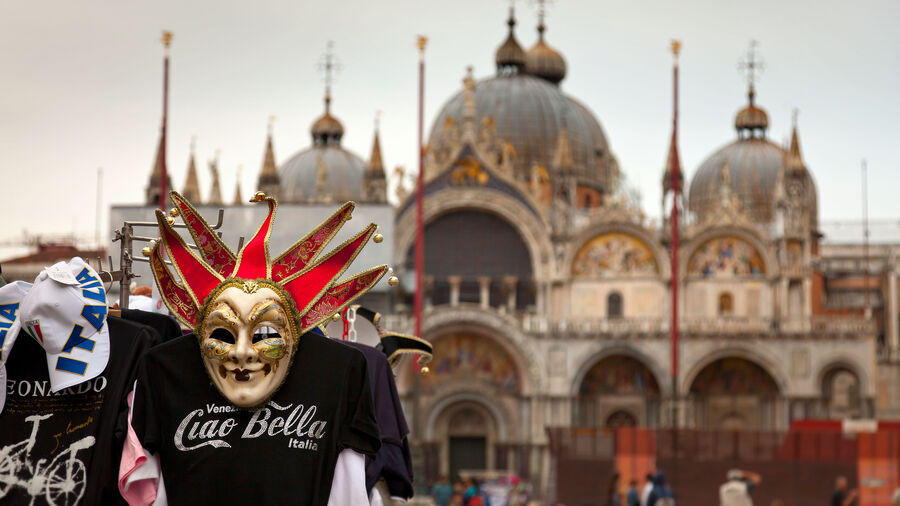
At sunset Piero and I head for his favorite restaurant. Rounding the corner from his empty alley, I tell him, "For the first time I saw a long line just to enter St. Mark's Basilica. Even the back alleys are clogged with people. It's a zoo."

Like Venice itself, Piero's playful side comes out after the tourists have gone home for the night.

Piero leans toward me. "Yes! Zoo, zoo, zoo! Is a problem. In Venice the people come every day like a wave. There is no high season, no low season. Every morning we are invaded. But at six o'clock the tourists go away."

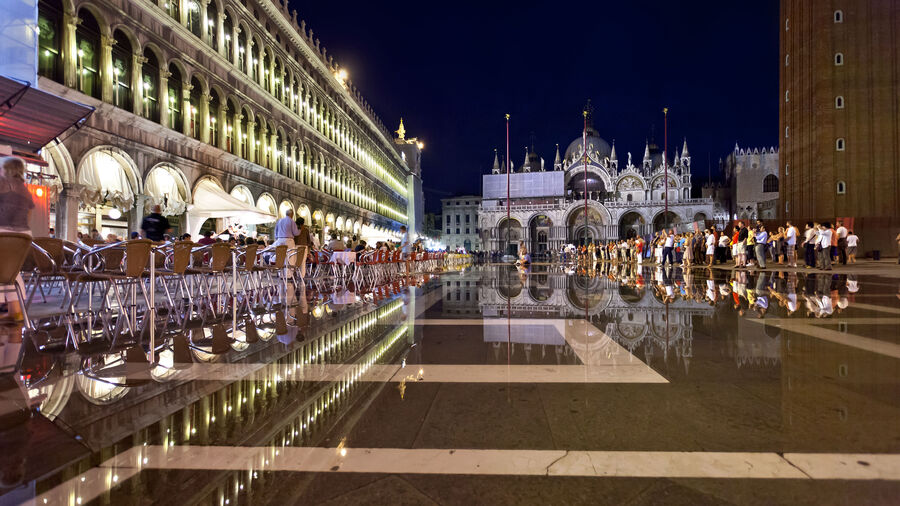
As if in command of the city, Piero waves a hand across the empty market square grandly saying, "And now Venice lives. Really, Venice is a fine place in the night. Sleep in Venice and you see the quiet Venice. When you see a menu turistico, go away. When you see old men speaking Italian in a restaurant...this is a good place. I take you now to Bepi's."

We walk quickly past the bruised tomatoes and damaged oranges littering the canalside market square, then we both freeze in our tracks. A three-foot-long rat sits on an empty fruit crate as if waiting just for us.

It wiggles into the canal with a tiny splash and Piero says, "For me the high tide is no problem. Low tide is the problem. It brings out the rats, so never go on the vaporetto at low tide — but don't write that in your book."

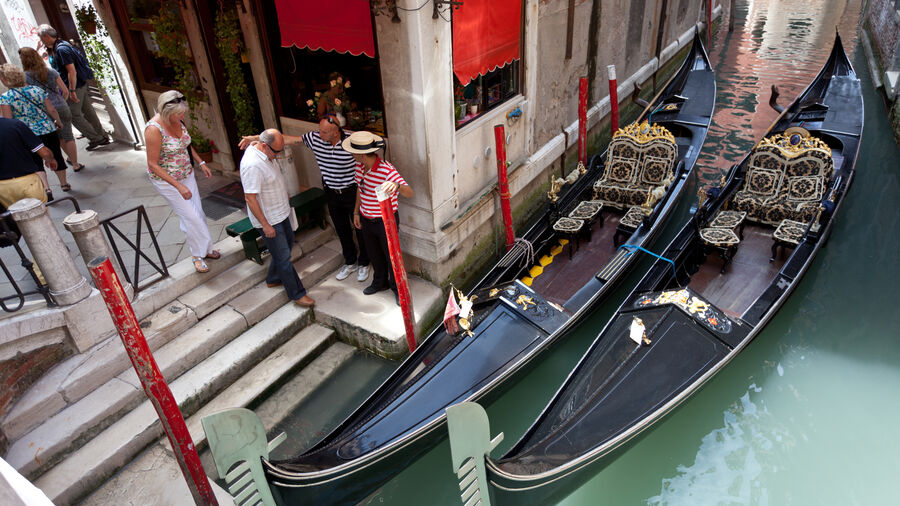
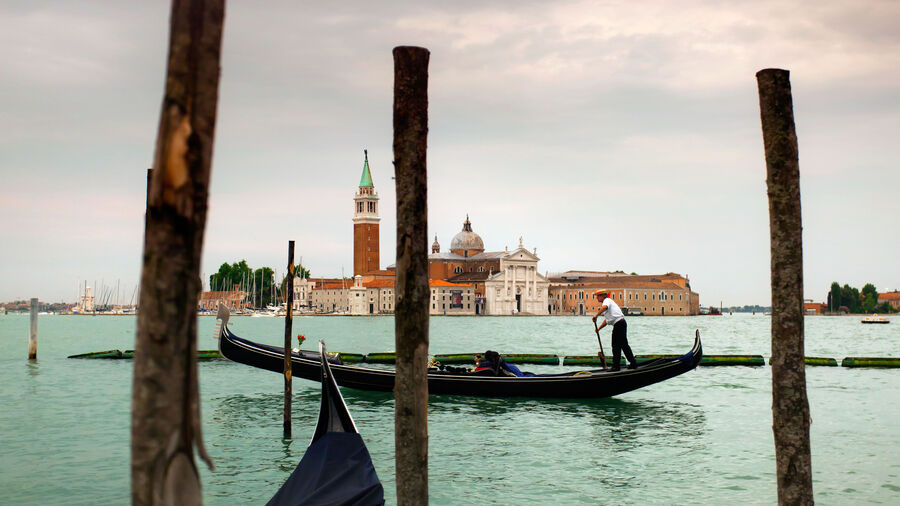
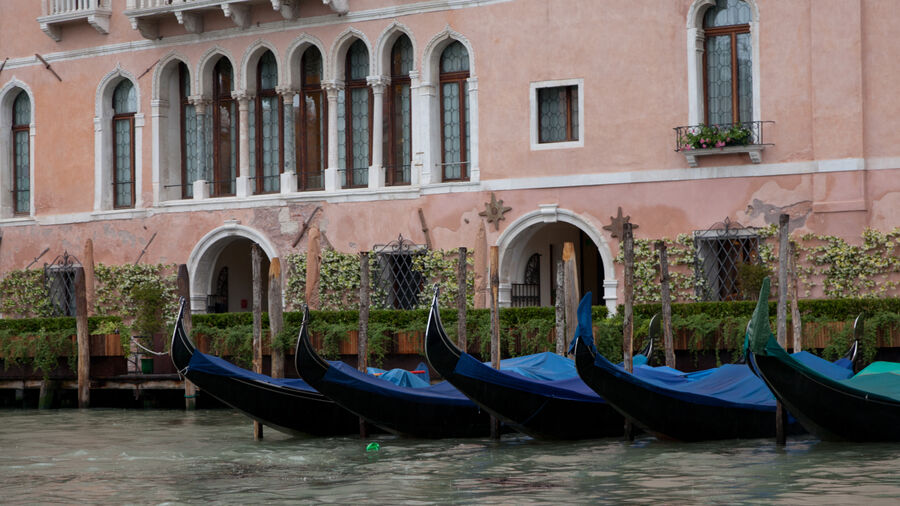
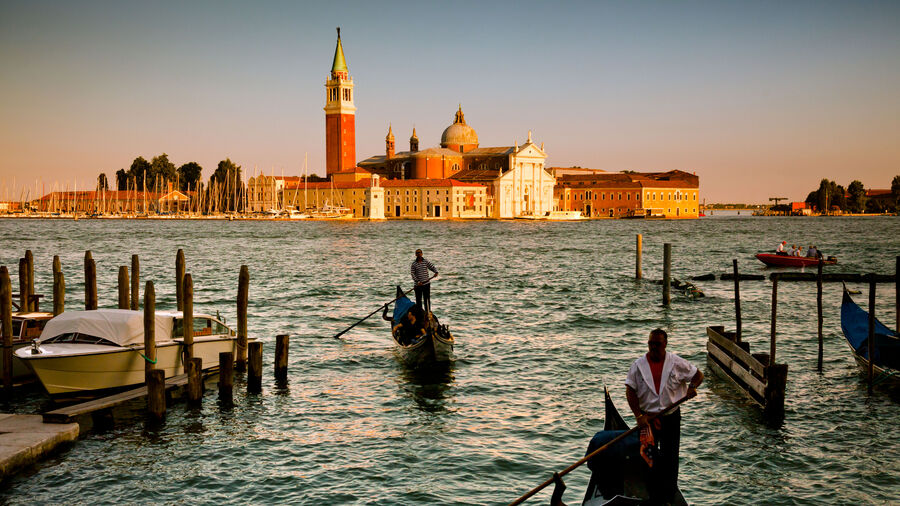
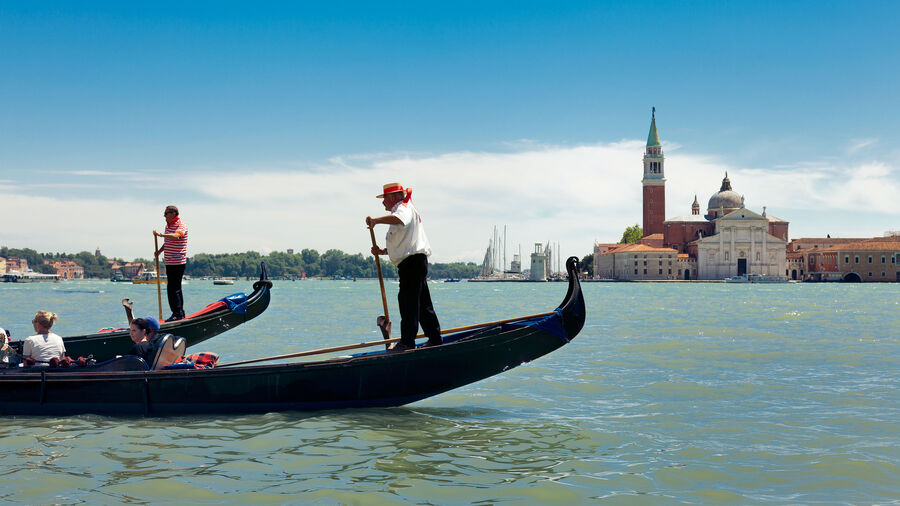
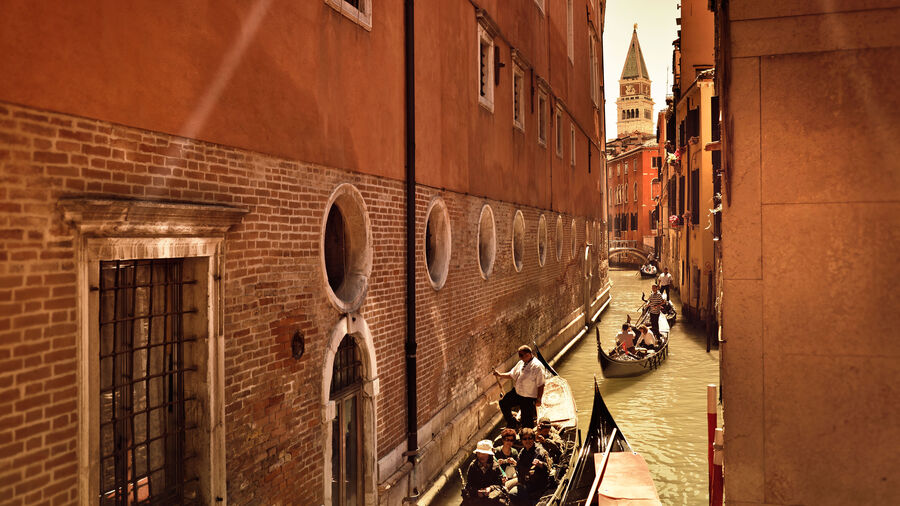
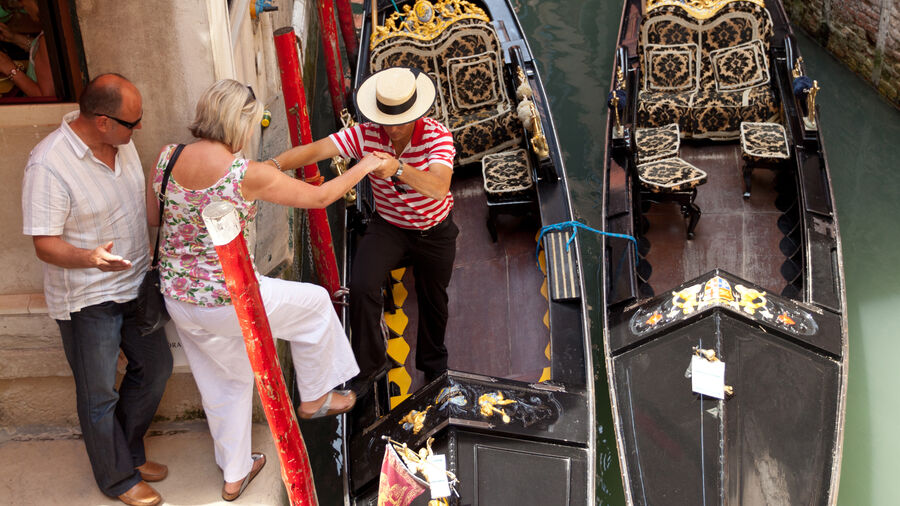
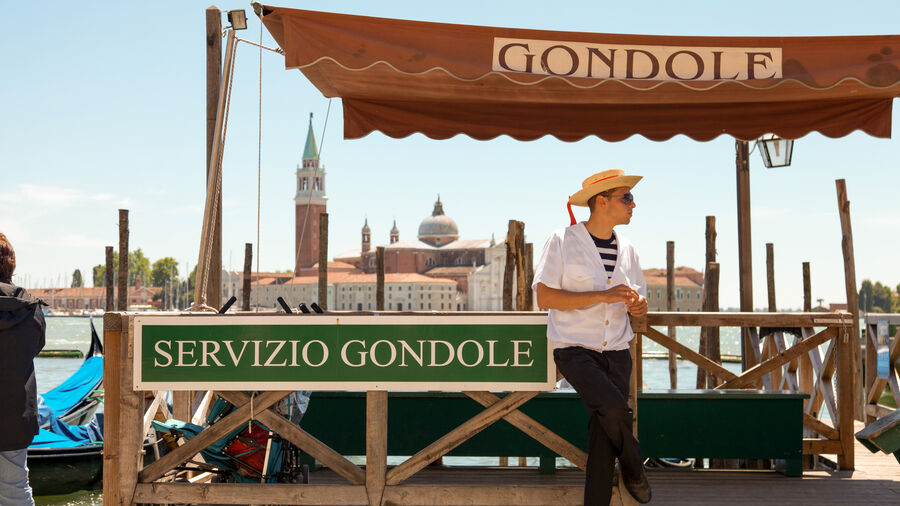
Ahead of us a black gondola with several tired-looking businesspeople is about to push off. At key places along the Grand Canal, where there are no bridges, traghetti like this ferry people across. Piero hollers, "Pop'e!" (Venetian dialect for "Hey, gondolier!") Rushing through the empty market stalls and scattering a few pigeons, we hop aboard.

Looking warily at the black water slapping at the pier, I ask, "Are there many rats?"

"Yes, Venice is supported by rats. Really, low tide is the problem, not the high tide. We always had the high tide. This is in the medieval text. The high tide is good for Venice. It cleans the streets. It flushes out the canals — they are blue, not green, after the high tide. And it kills the rats."

"How?" I ask.

Putting his hand to his forehead as if to salute, Piero says, "It floods out their homes."

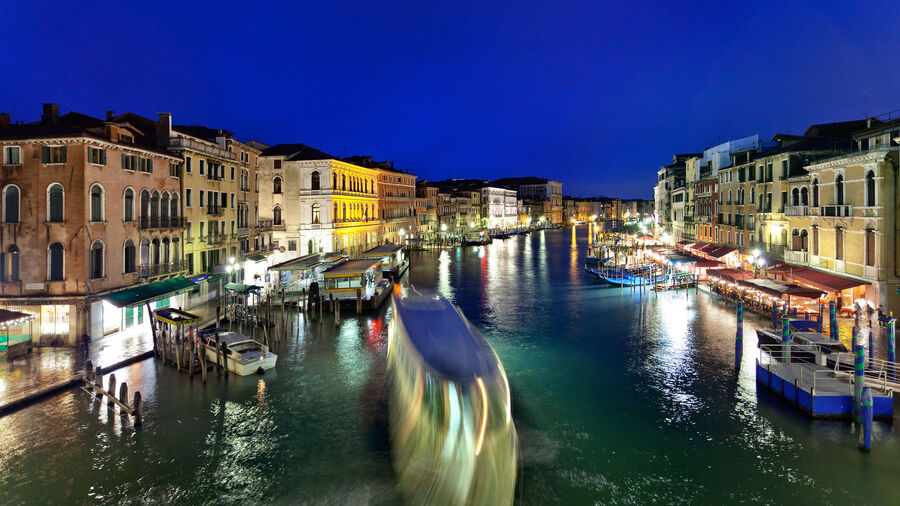
Standing like two Washingtons crossing the Delaware, we glide the width of the Canale Grande. This canal, the biggest and busiest in Venice, actually feels sleepy as twilight gives way to the bare bulbs of outdoor restaurants.

Triumphantly Piero says, "See, no city boats. Only private boats." He's right. The now-floodlit city is drained of its crowds. Locals — no longer selling things — wander like dazed islanders checking for damage after a hurricane.

Earlier in the day, we would have seen five or six vaporetti, loaded down with waving tourists and camcorders, slam-dancing from dock to dock. Now the Grand Canal is at peace. I count two half-empty vaporetti and a dozen or so private runabouts. Dropping a few coins onto the deck and stepping off on the other side of the canal, Piero promises, "Now we eat like Venetians...very, very well."

Greeting old friends as we walk, Piero explains how in Venice, if you open a restaurant you must answer the question, "Do I want to attract tourists or Venetians?"

"To make a tourist restaurant is no problem," Piero explains. "You see the people only one time. Even talking to them is not necessary. One-time visitors, it means bad food."

Piero kisses the cheeks of the waiter when we arrive at Trattoria da Bepi, then continues. "For me, a good restaurant is like home. Mama is cooking. We are maniacs about fish in the North Adriatic."

Sitting down at an outdoor table Piero points out Bepi. He stands as if carved into his cicchetti bar, surrounded by toothpick munchies on trays and well-fed neighbors.

Piero introduces me to Bepi's son, Loris. "Loris is a nightmare in fish market. 'This is no good...this is okay.' His mama is a Venetian mama, Delfina. I ask her, 'Please. Tell me how you make the fish.' She puts her hand on her heart and says, 'There is no recipe. It is from here.'"

Loris and Piero work up a dinner plan on a scratch pad as if putting together the guest list for a very special evening. They discuss each plate like it's an old friend.

Loris pours Piero a little wine to test. He says, "But I know nothing of wine."

Loris says, "I know."

Soon plates start to arrive. Piero goes immediately for the polenta with cod saying, "In the south they call the people of Venice 'polenta eaters.'"

Piero splashes a hunk of bread into the broth under a pile of empty mussel shells and says, "You can feel the sea here."

The conversation stops as a girl in a short wispy skirt prances by on the arm of a local Romeo. Piero says, "Is incredeeeble. Look at this one, grrrr. This is Venice. I am sorry. I am Italian. I watch the girls."

As a lovely Italian encore struts by, Piero observes, "Giorgione, he is a good artist — yes — but this...this is better. Oh, Dio.

"I have a beautiful girlfriend. She is a model. But I cannot be married. It is imposseee — " To playfully show my friend how the default switch in his mind is set on girl-watching, I interrupt Piero by pretending to subtly catch something in my eye over his shoulder. He stops mid-sentence to see what distracts me. It's nothing — but I make my point.

Loris brings a plate of six crawfish with tails peeled and ready to bite. Piero says "more aliens" as I pick one up and bite off the tail. Noticing how cold and limp it feels I ask, "Is this raw?"

"Yes...Italian sushi."

Marveling at the table full of mixed appetizer plates I tell Loris, "I love the antipasto misto. This with pasta is plenty for me."

Piero says, "You like this because you are a tourist." He slaps the menu. "Be adventurous! Dig deep into the menu."

Loris returns. "Now we have the pasta with crab sauce." He serves Piero and puts the big bowl in front of me.

"Ahhh," Piero says, "For the peasant family, this was the biggest honor...to get the original bowl."

Continue to Part Two

For up-to-date specifics, see the latest edition of the Rick Steves' Venice travel guide. We also offer free-spirited Venice tours.