

-
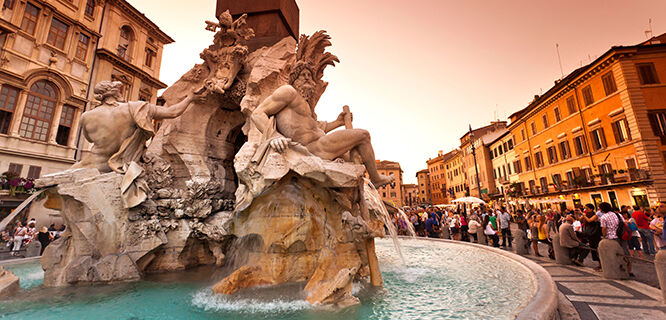
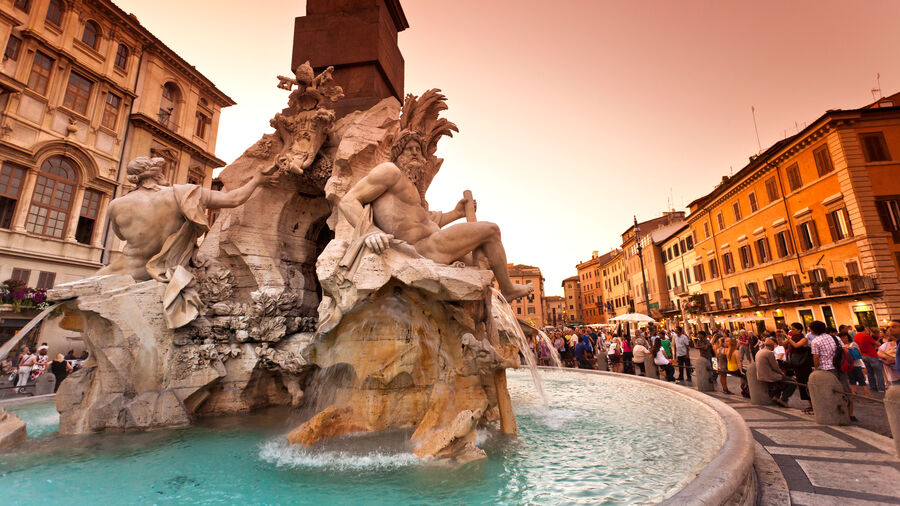
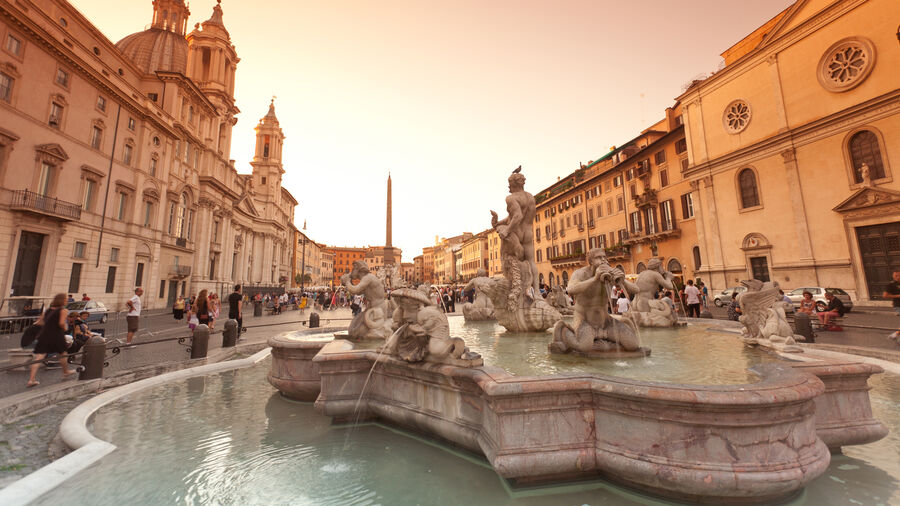
Piazza Navona
Rome
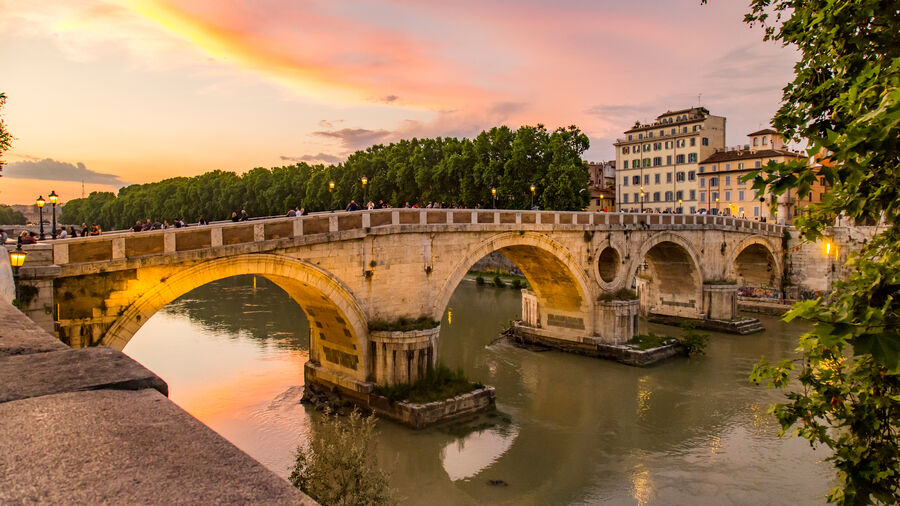
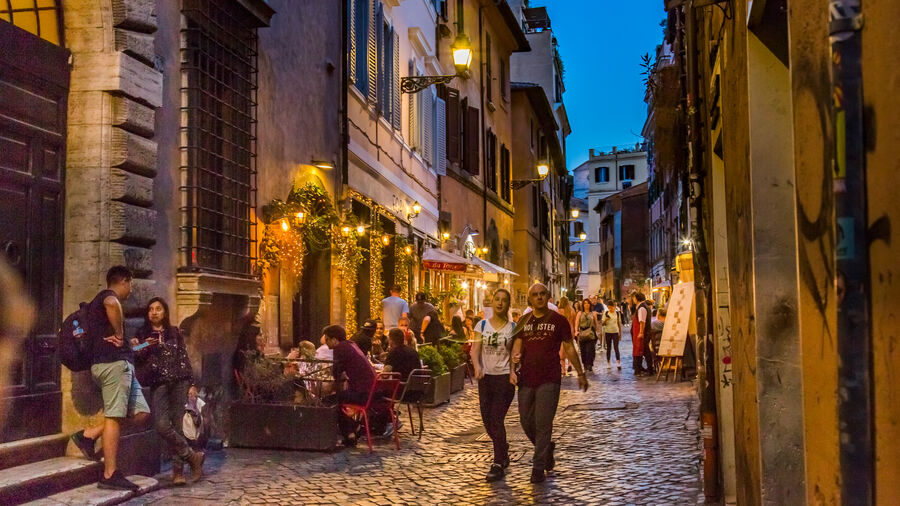
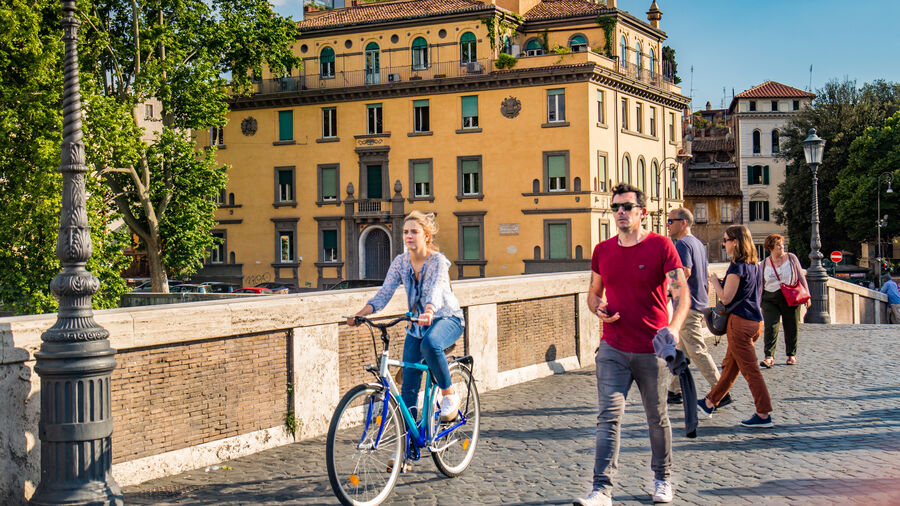
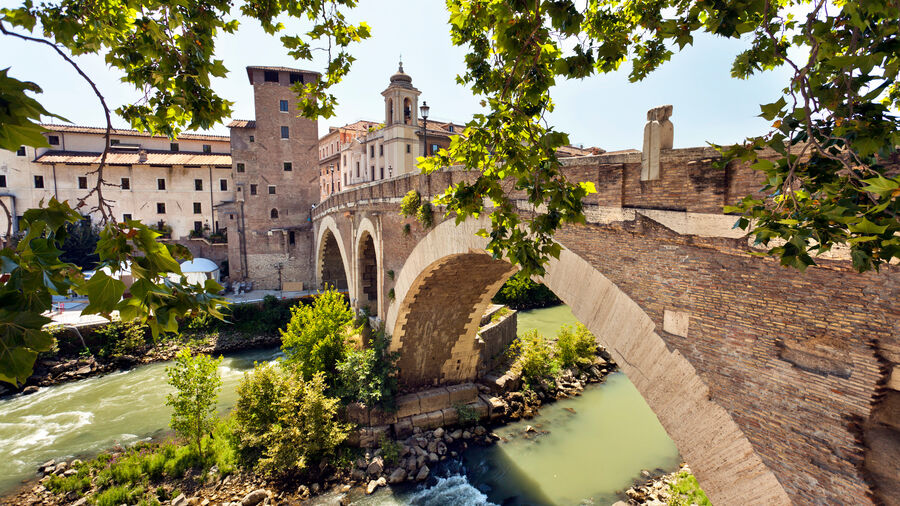
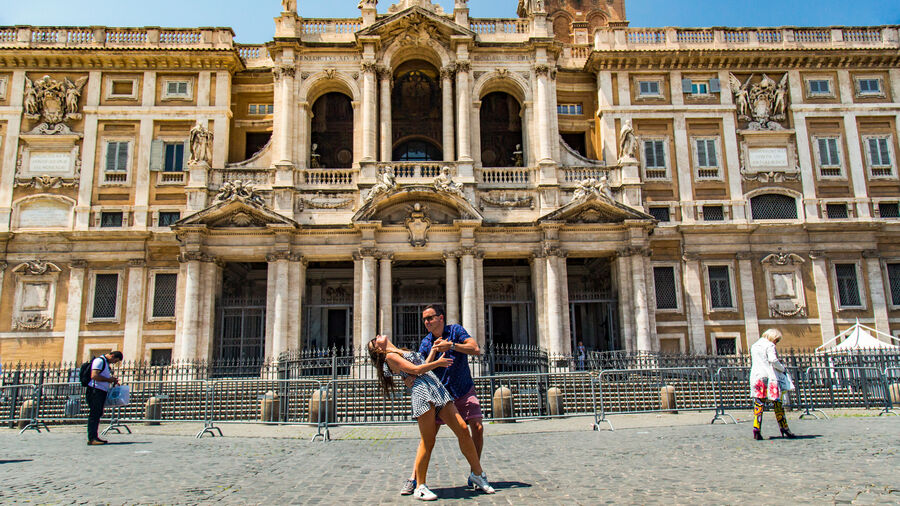
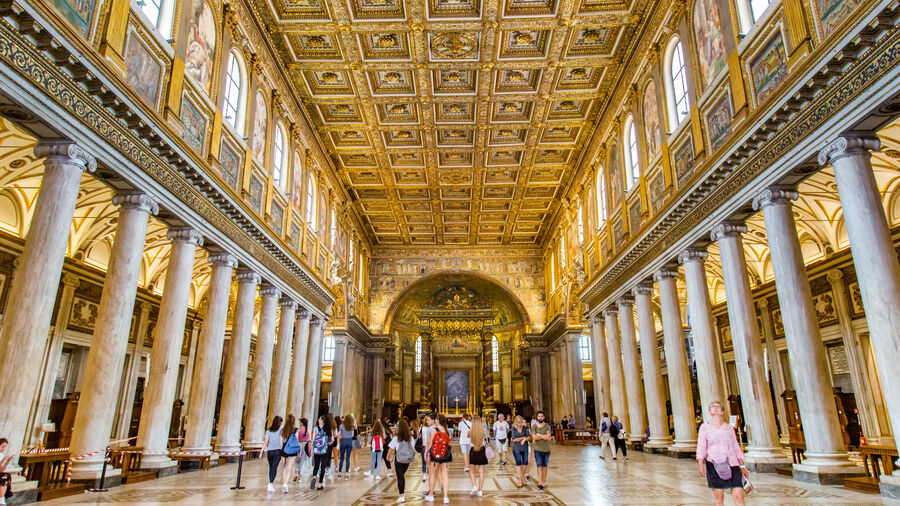
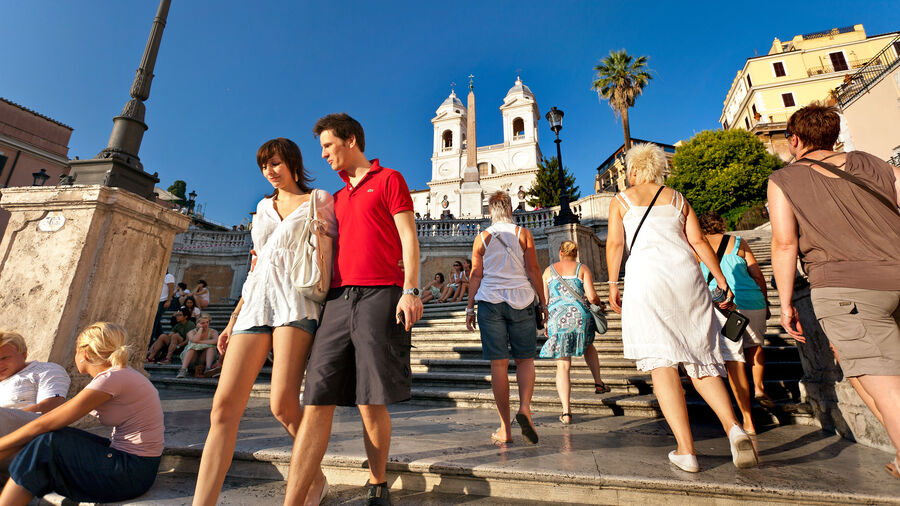
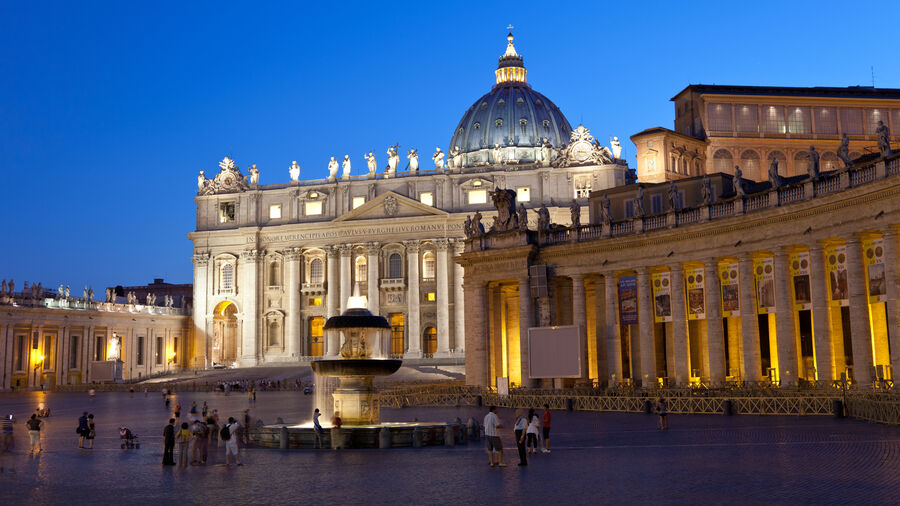
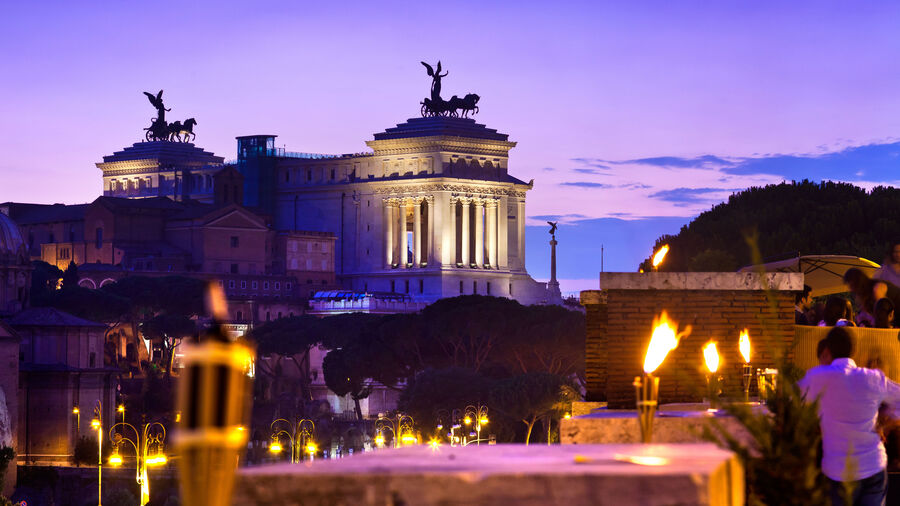
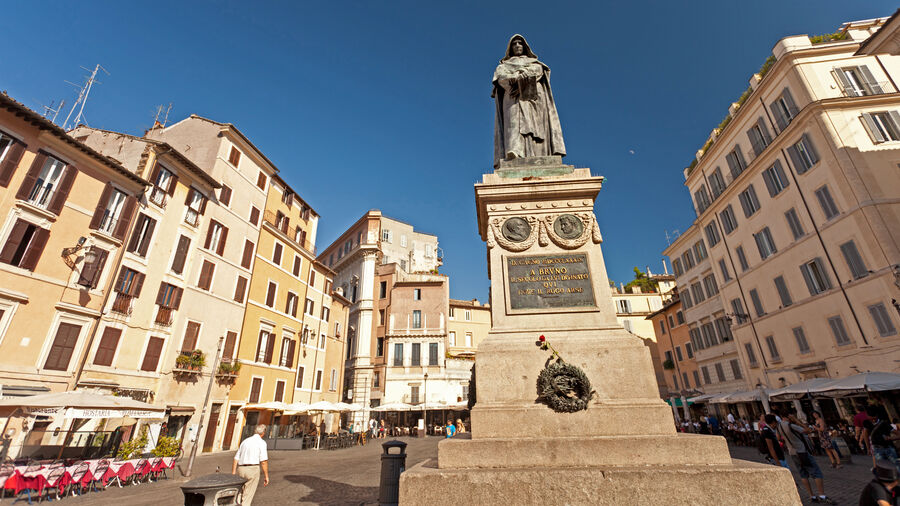
Rome is magnificent and overwhelming at the same time. It's a showcase of Western civilization, with astonishingly ancient sights and a modern vibrancy. As you peel through its fascinating and jumbled layers, you'll find the marble ruins of ancient times, tangled streets of the medieval world, early Christian churches, grand Renaissance buildings and statues, Baroque fountains and facades, 19th-century apartments, 21st-century traffic, and nearly three million people. Visit St. Peter's, the greatest church on earth, learn something about eternity by touring the huge Vatican Museums, ramble among the rabble and rubble through ancient Rome's Colosseum and Forum, savor the sumptuous Borghese Gallery, and take an early evening stroll with Rome's beautiful people.
At a Glance
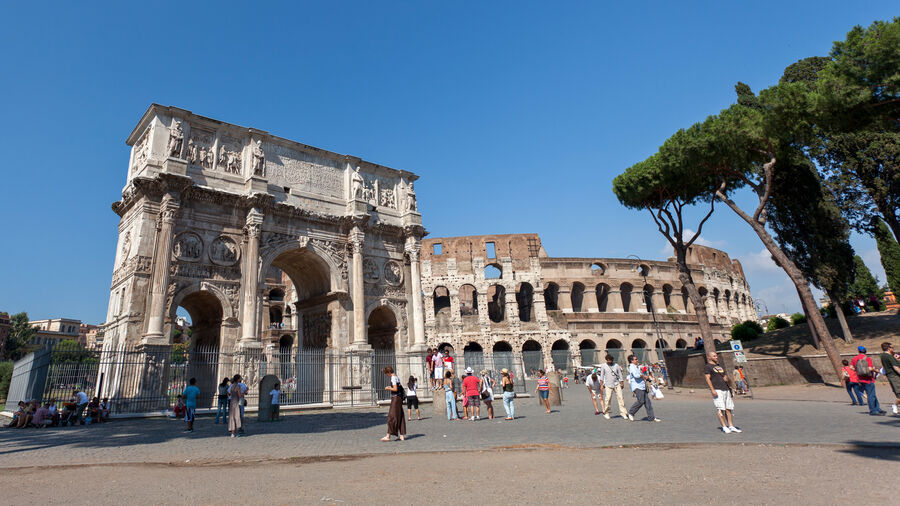
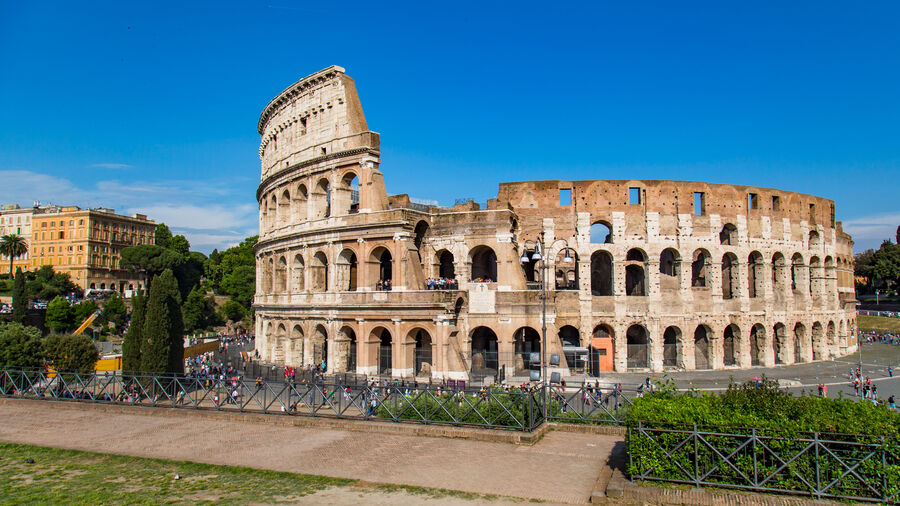
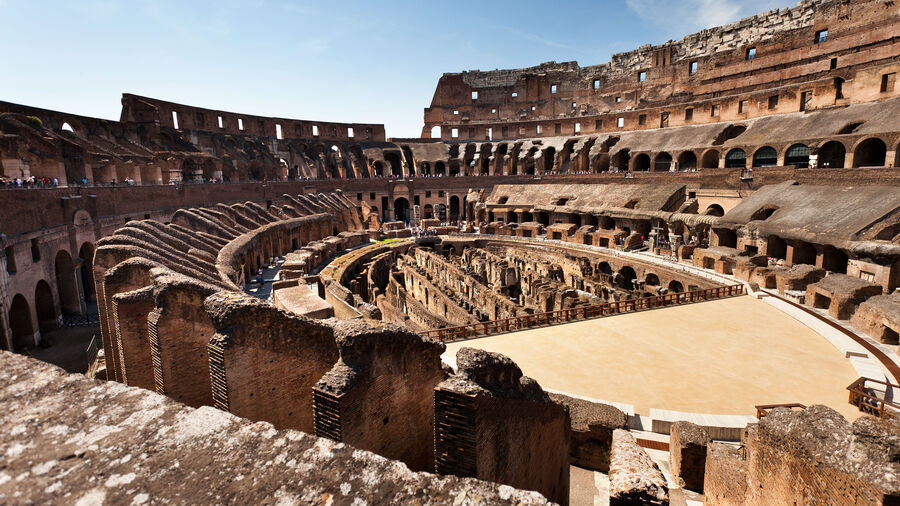
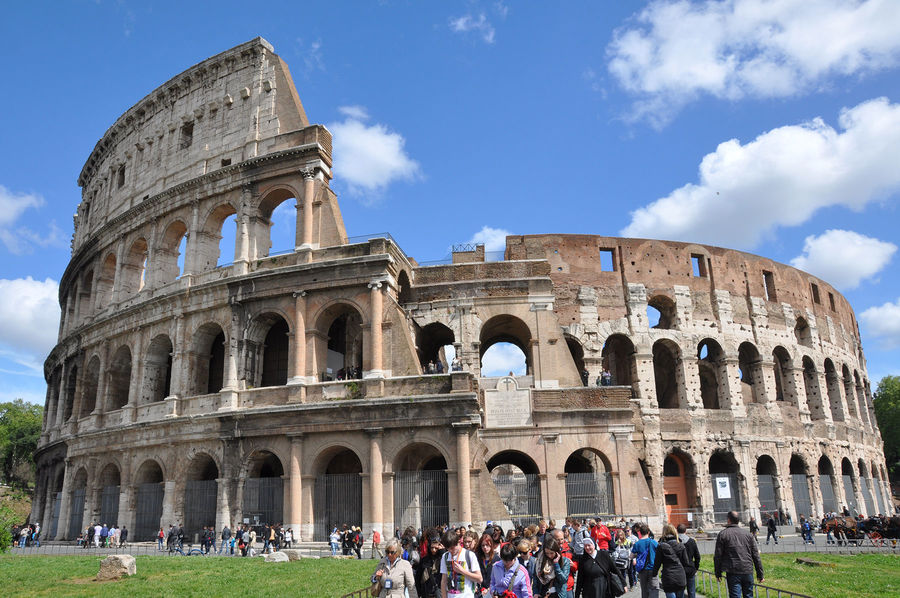
▲▲▲ Colosseum Huge stadium where gladiators fought.
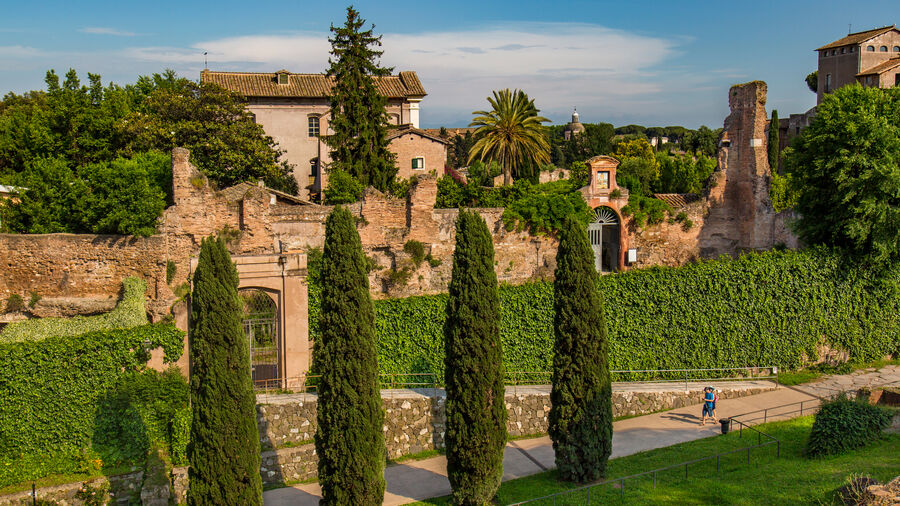
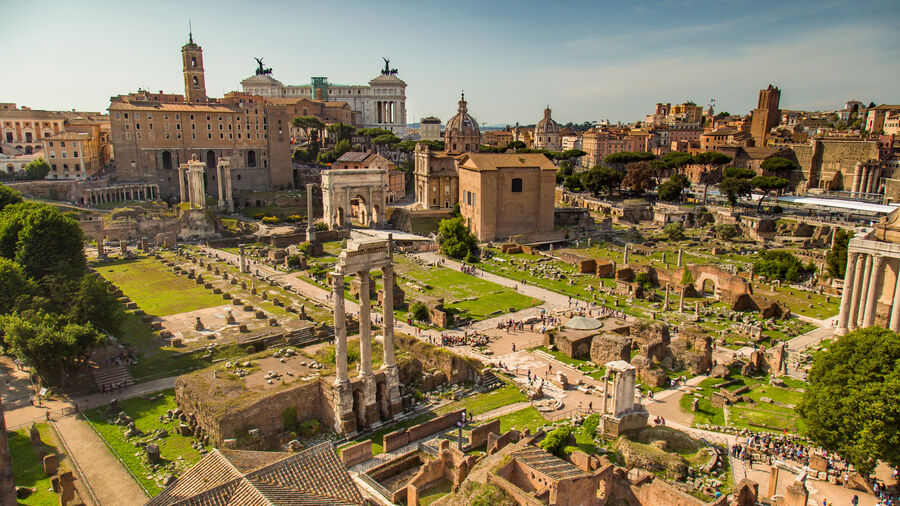
▲▲▲ Roman Forum Ancient Rome's main square, with ruins and grand arches.
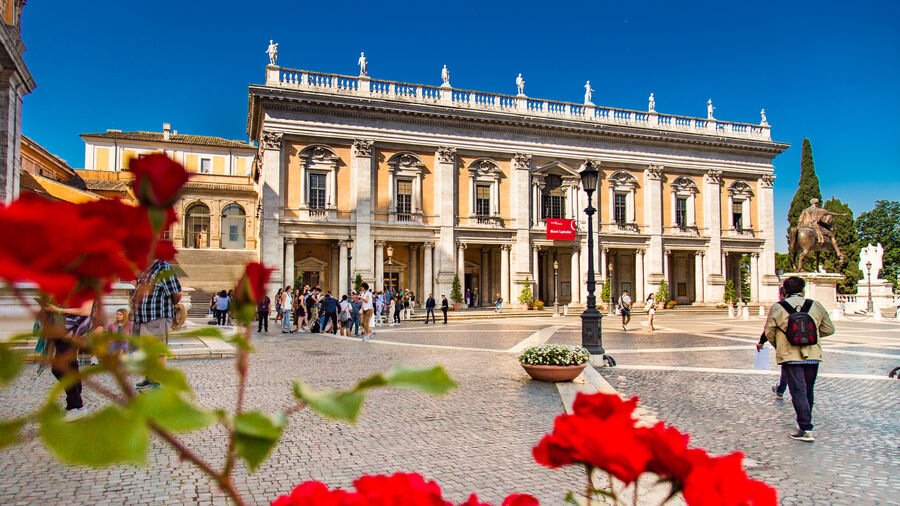
▲▲▲ Capitoline Museums Ancient statues, mosaics, and expansive view of Forum.
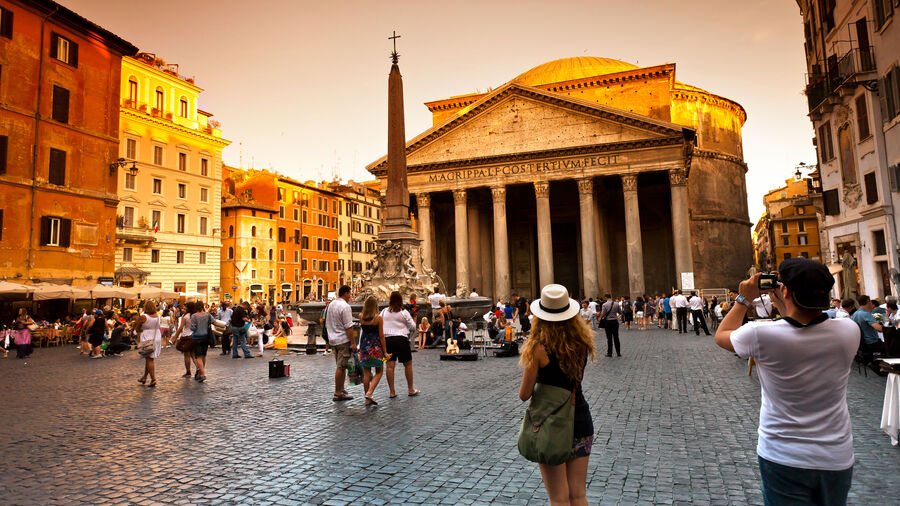
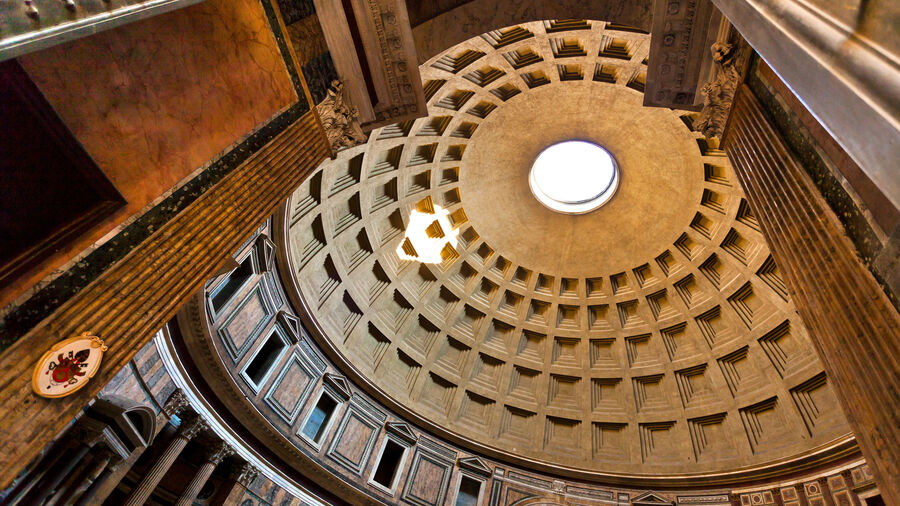
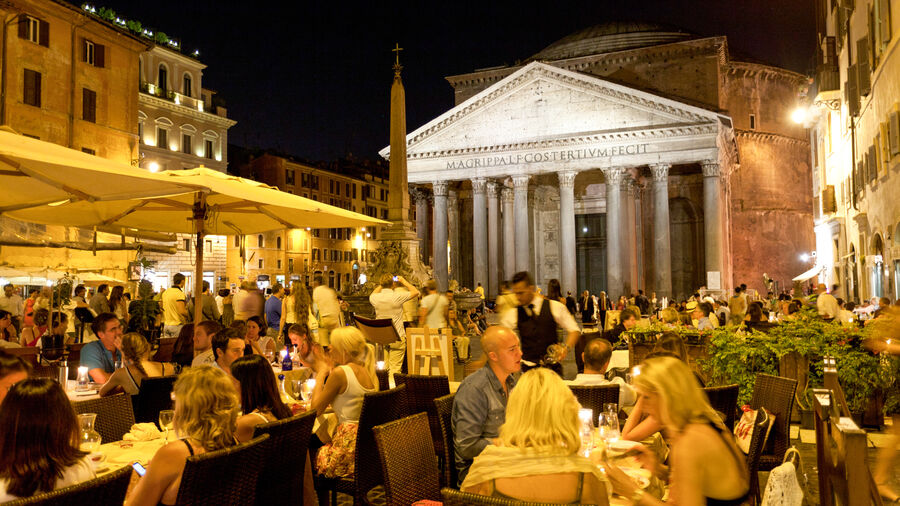
▲▲▲ Pantheon The defining domed temple.
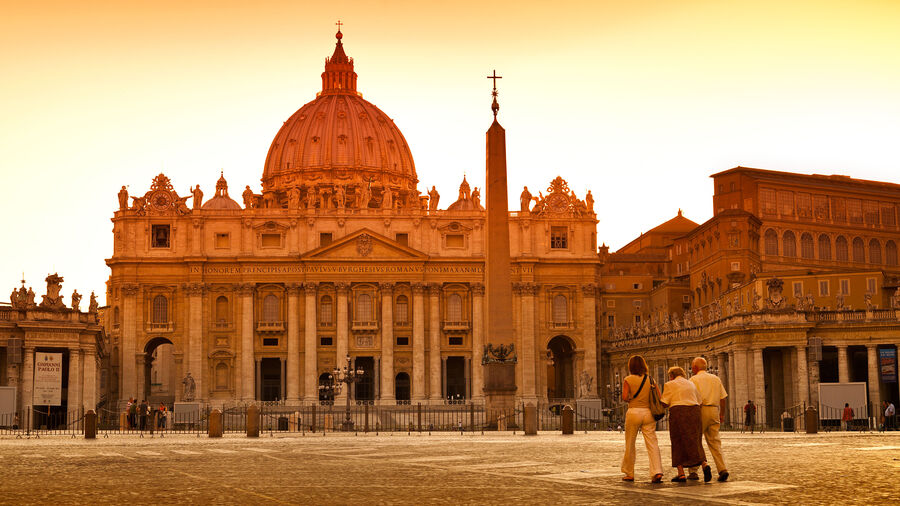
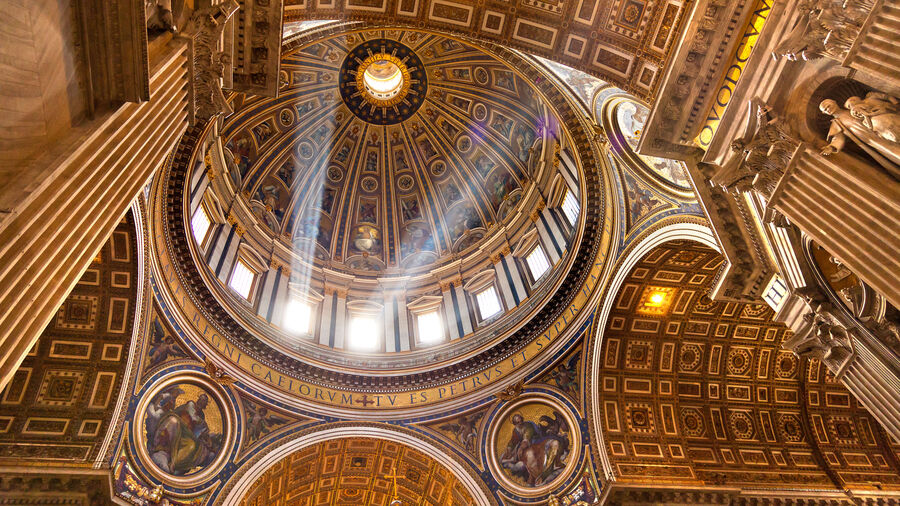
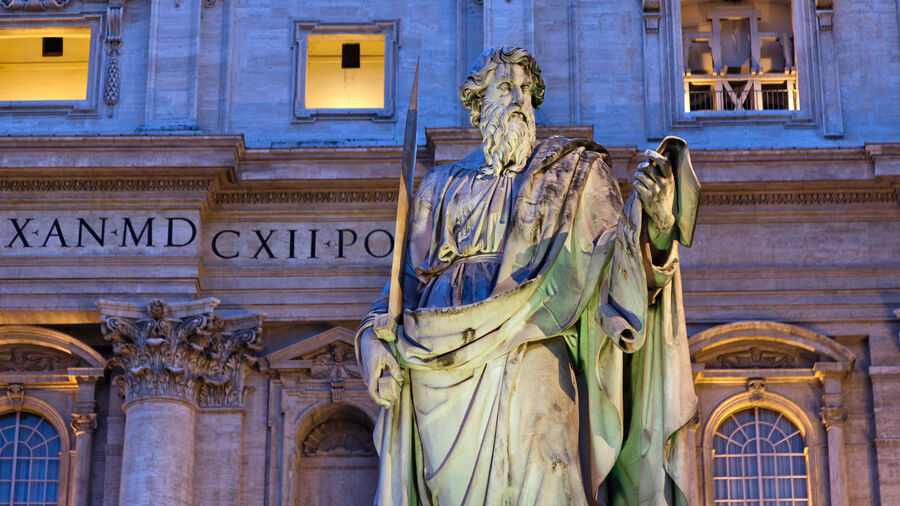
▲▲▲ St. Peter's Basilica Most impressive church on earth, with Michelangelo's Pietà and dome.
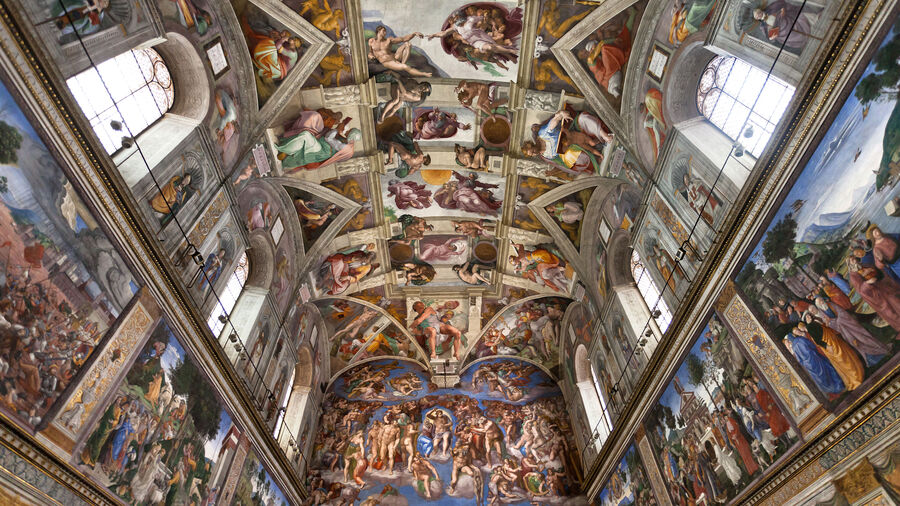
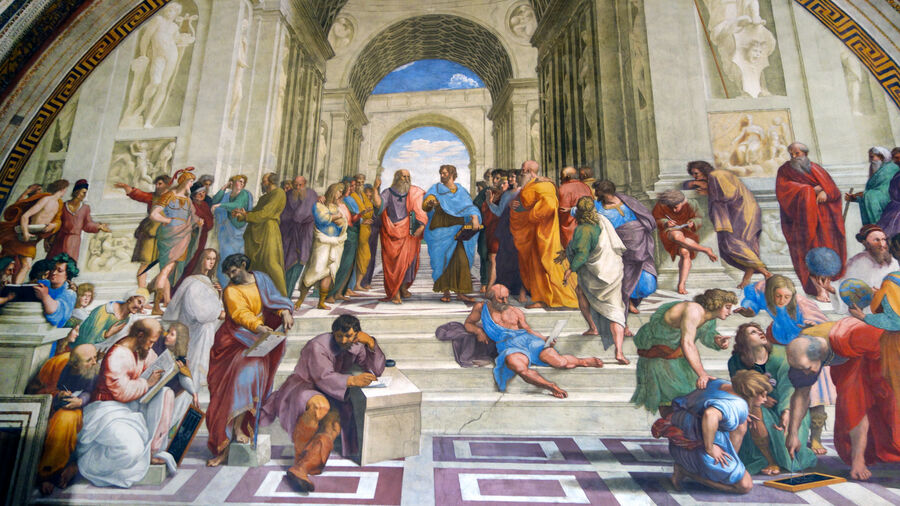
▲▲▲ Vatican Museums Four miles of the finest art of Western civilization, culminating in Michelangelo's glorious Sistine Chapel.
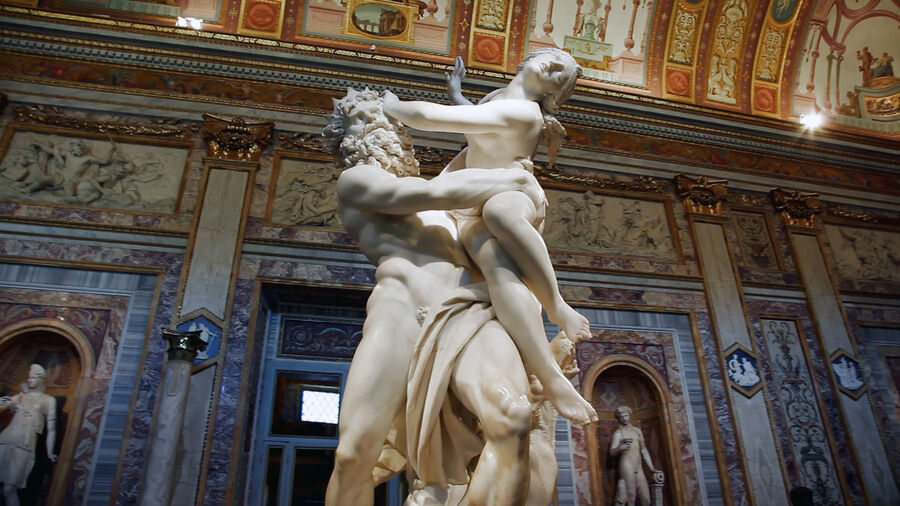
▲▲▲ Borghese Gallery Bernini sculptures and paintings by Caravaggio, Raphael, and Titian in a Baroque palazzo.
▲▲▲ National Museum of Rome Greatest collection of Roman sculpture anywhere.
▲▲ Trajan's Column and Forum Tall column with narrative relief, plus nearby forum ruins.
▲▲ Baths of Caracalla Impressive ruins of a lavish bath complex (never crowded).
▲▲ St. Peter-in-Chains Church with Michelangelo's Moses.
▲▲ Dolce Vita Stroll Evening passeggiata, where Romans strut their stuff.
▲▲ Catacombs Underground tombs, mainly Christian, some outside the city.
▲▲ Church of San Giovanni in Laterano Grandiose and historic “home church of the popes,” with one-of-a-kind Holy Stairs across the street.
▲ Museo dell'Ara Pacis Shrine marking the beginning of Rome's golden age.
▲ Palatine Hill Ruins of emperors' palaces, Circus Maximus view, and museum.
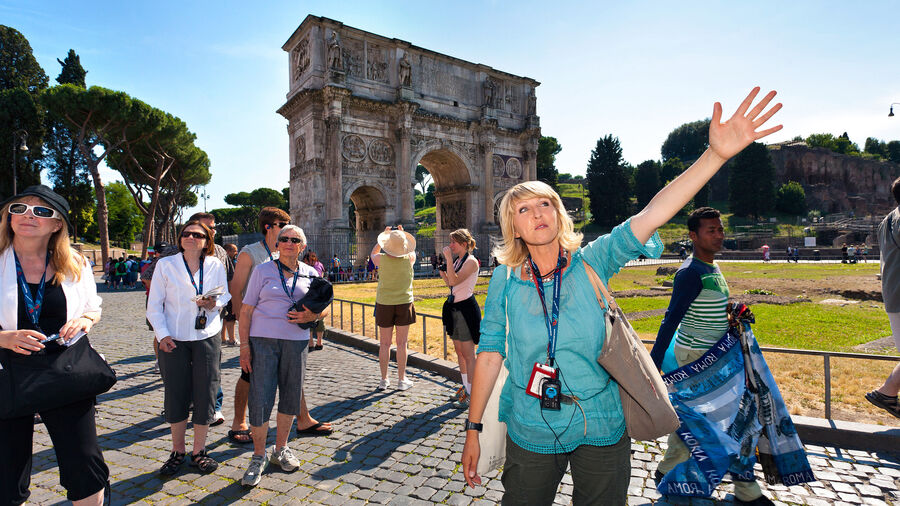
▲ Arch of Constantine Honors the emperor who legalized Christianity.
▲ Imperial Forums Museum and Trajan's Market Museum displaying discoveries from the Imperial Forums, housed in the tremains of Trajan's Market.
▲ The Roman House at Palazzo Valentini Remains of an ancient house and bath brought to life through a sound-and-light tour.
▲ Piazza del Campidoglio Square atop Capitoline Hill, designed by Michelangelo, with a museum, grand stairway, and Forum overlooks.
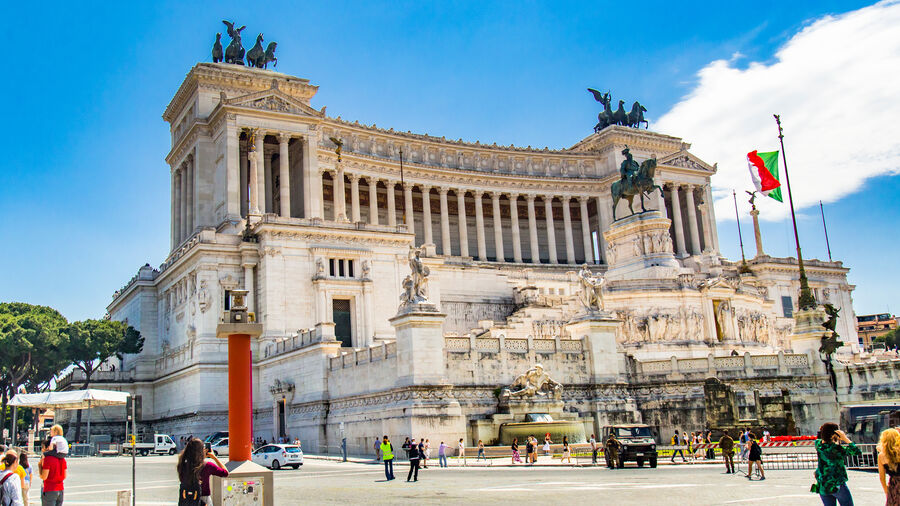
▲ Victor Emmanuel Monument Gigantic edifice celebrating Italian unity, with Rome from the Sky elevator ride up to 360-degree city view.
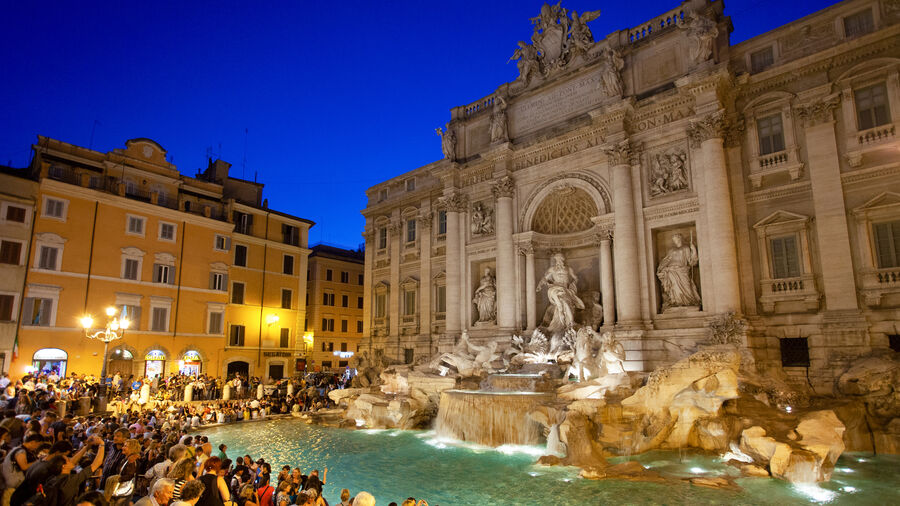
▲ Trevi Fountain Baroque hot spot into which tourists throw coins to ensure a return trip to Rome.
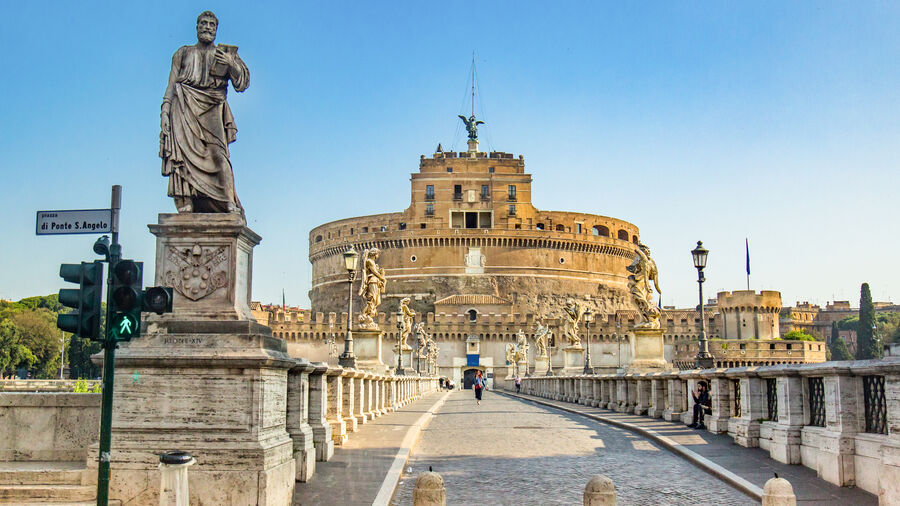
▲ Castel Sant'Angelo Hadrian's Tomb turned castle, prison, papal refuge, now museum.
▲ Baths of Diocletian/Basilica S. Maria degli Angeli Once ancient Rome's immense public baths, now a Michelangelo church.
Plan
Photos
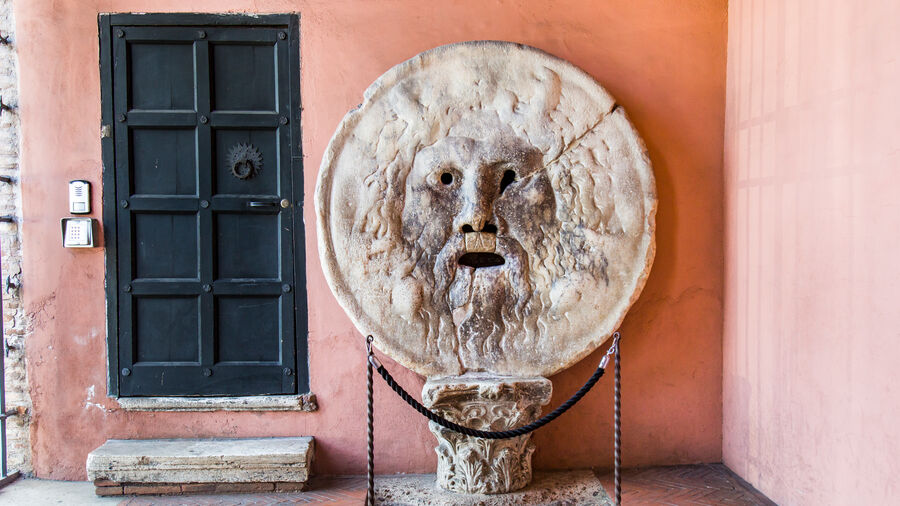
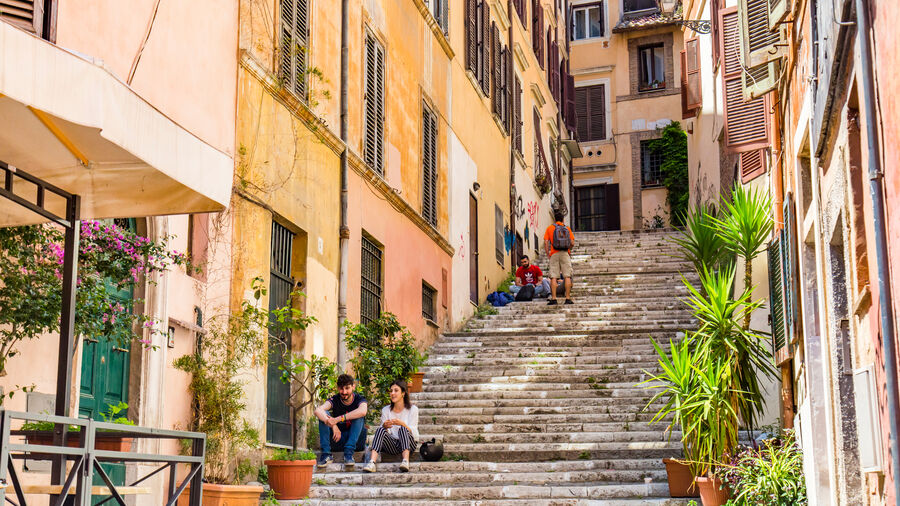
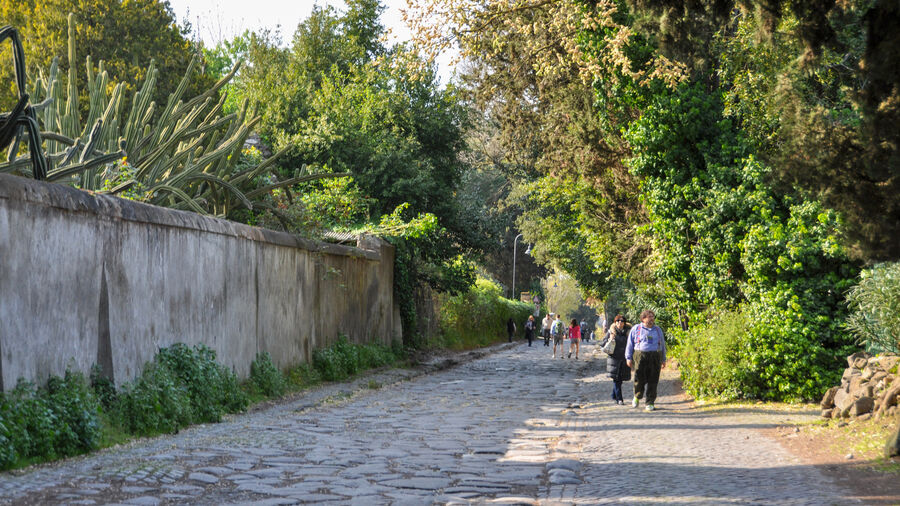
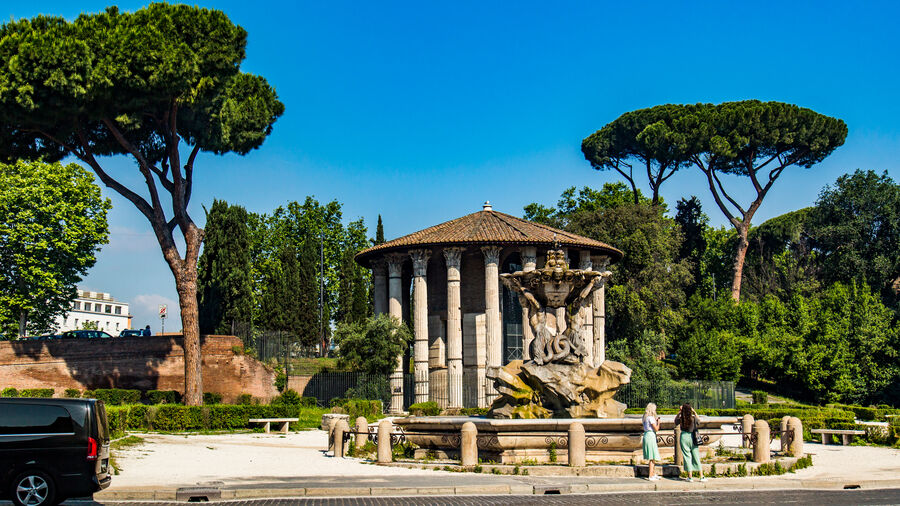
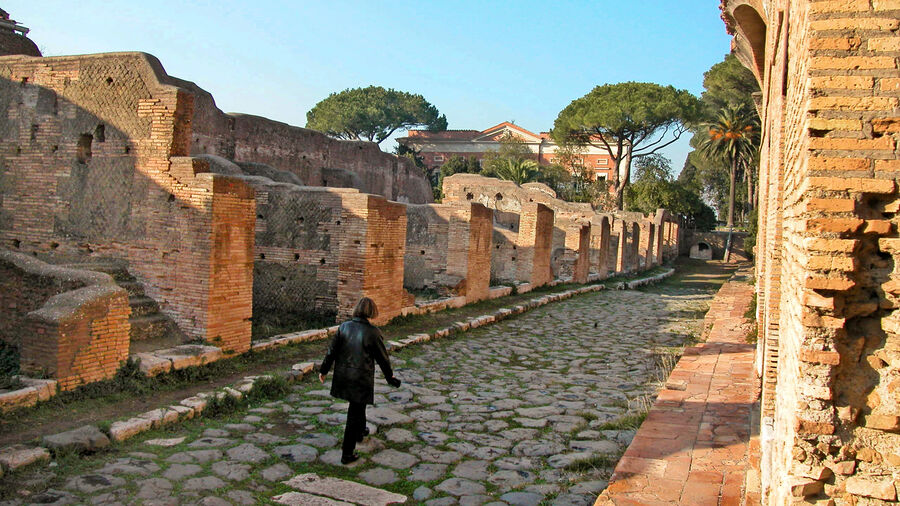
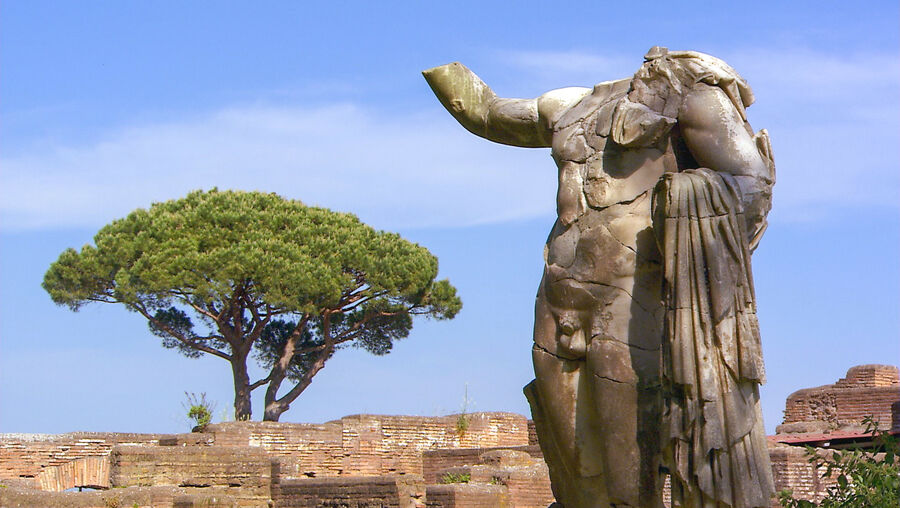
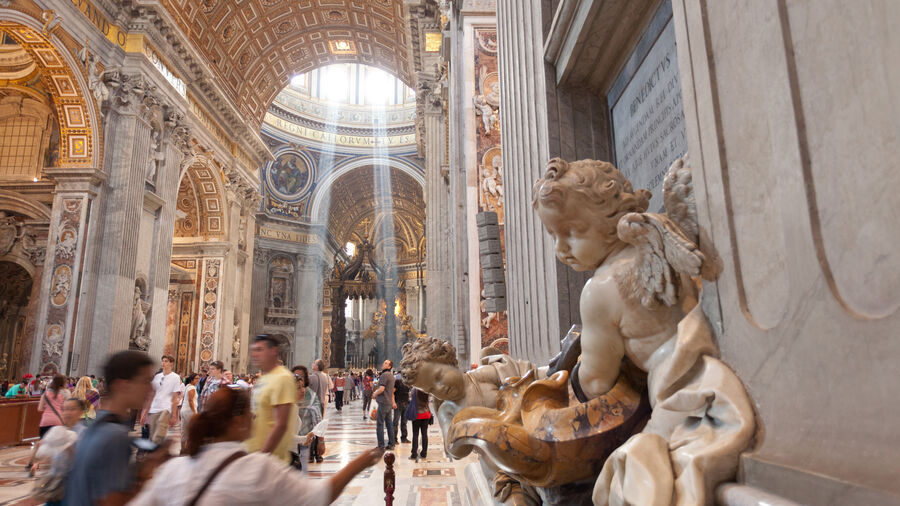

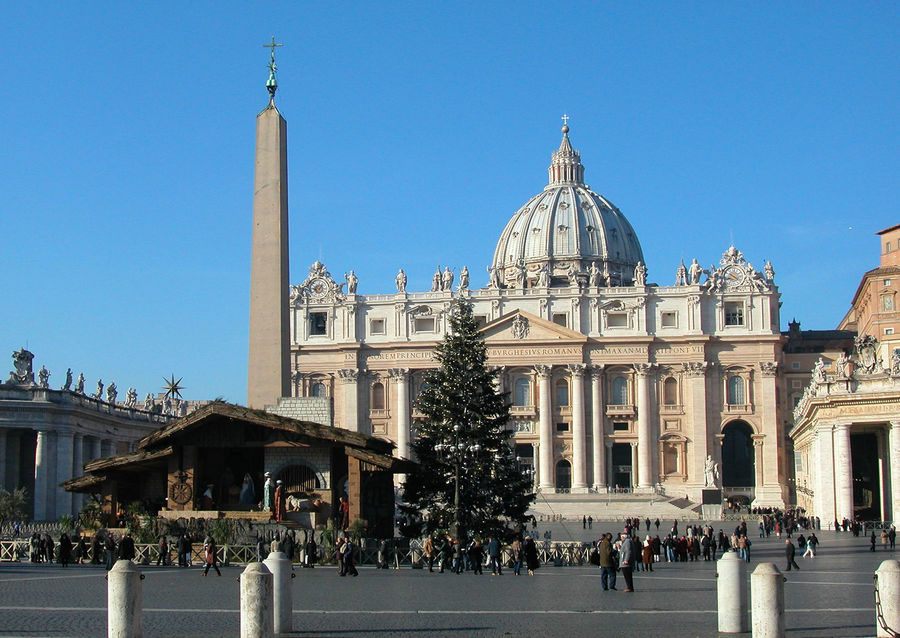
Watch
- Enjoying the ‘Passeggiata’ in Rome (clip)
- Insider’s Rome (clip)
- Rome: Ancient Glory (episode)
- Rome: Back-Street Riches (episode)
- Rome: Baroque Brilliance (episode)
- Rome’s Capitoline Museums (clip)
- Rome’s Vibrant Trastevere (clip)
- The Borghese Gallery in Rome (clip)
- Travel Talks: Mediterranean Cruise Ports
- Travel Talks: Michelangelo’s Italy
- Travel Talks: Rome
- Travel Talks: Venice, Florence & Rome
Read
- A Peek into Ancient Rome at Ostia Antica
- A Walk Through Rome’s Living Culture
- Ancient Rome: The Things That Were Caesar’s
- Boning Up on Europe
- Child’s Play in Europe
- Easter in Rome
- Europe’s Convents Offer Tranquility — and Treats
- Experiencing Italy’s Renaissance in Person
- Finding Peace in Europe’s Overlooked Sights
- Impressions of Italy
- John Paul II Sights: Visiting the World of a Modern-Day Saint
- Pomp and Consequence: Visiting Europe’s 20th-Century Fascist Sites
- Rome: A Romantic Breeze
- Rome After Dark
- Rome’s Inspiring Baroque Sights
- Rome’s Jewish Legacy
- Sightseeing Skills for the Ancient World
- Swept Away in Rome
- There’s No Place Like Rome for the Holidays
- Time Travel on Rome’s Ancient Appian Way
- Tivoli: Still Rome’s Great Escape, 2,000 Years Later
- When in Europe, Succumb to Soccer Fever
Rome
Listen
- Americans Living in Europe (32:55)
- An Irreverent Curiosity (17:52)
- Antiquities and Archaeology (18:31)
- Antiquities and Archaeology II (12:19)
- Architecture for Travelers (39:03)
- Art in Italy (47:09)
- Art of Rome (11:34)
- Class of 1500 (5:57)
- Convent Inns of Italy (12:08)
- European Food Specialties (29:11)
- History of Rome in 12 Buildings (17:36)
- Italian Chaos (11:20)
- Italian Cuisine Culture I (47:12)
- Italian Cuisine Culture II (47:24)
- Italian Food Culture I (11:54)
- Italian Rails (28:15)
- Italian Women in the 21st Century (18:11)
- Italy: North vs. South II (31:23)
- Italy Side-Trip Towns (11:45)
- Michelangelo in Rome (18:01)
- Pilgrim's Italy (29:28 min)
- Postcards from Europe: Rome (36:16)
- Resurrecting Roman Rubble (12:08)
- Rome After Dark (27:14)
- Rome II: Beneath the Surface (46:24)
- Rome III: Jewish Ghetto (19:07)
- Rome I: Travel Guide (47:49)
- Rome Neighborhoods (11:47)
- Rome Today (17:32)
- Sightseeing in the Ancient World (16:58)
- The Best of Ancient Rome (11:43)
- Visiting St. Peter's Basilicia (19:00)
- Waters of Rome (10:48)
- Why I Love Rome (12:12)
Rome Audio Tours
- Colosseum Tour
Listen or Download | Download map - Heart of Rome Walk
Listen or Download | Download map - Jewish Ghetto Walk
Listen or Download | Download map - Ostia Antica Tour
Listen or Download | Download map - Pantheon Tour
Listen or Download | Download map - Roman Forum Tour
Listen or Download | Download map - Sistine Chapel Tour
Listen or Download | Download map - St. Peter's Basilica Tour
Listen or Download | Download map - Trastevere Walk
Listen or Download | Download map - Vatican Museums Tour
Listen or Download | Download map - Vatican Pinacoteca
Listen or Download | Download map